







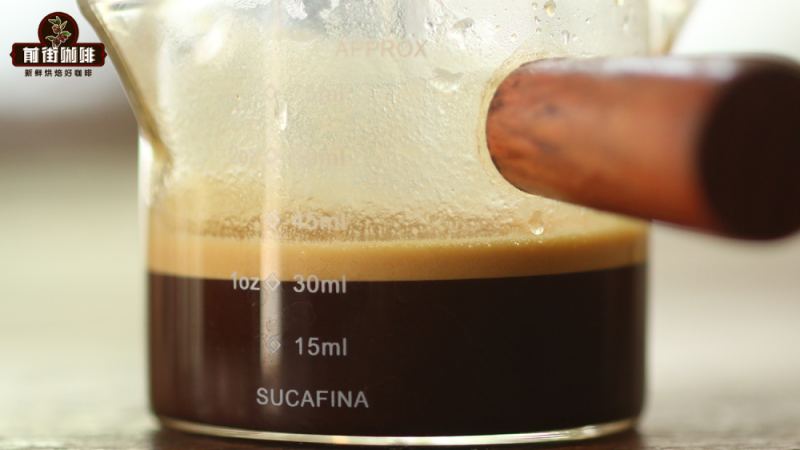
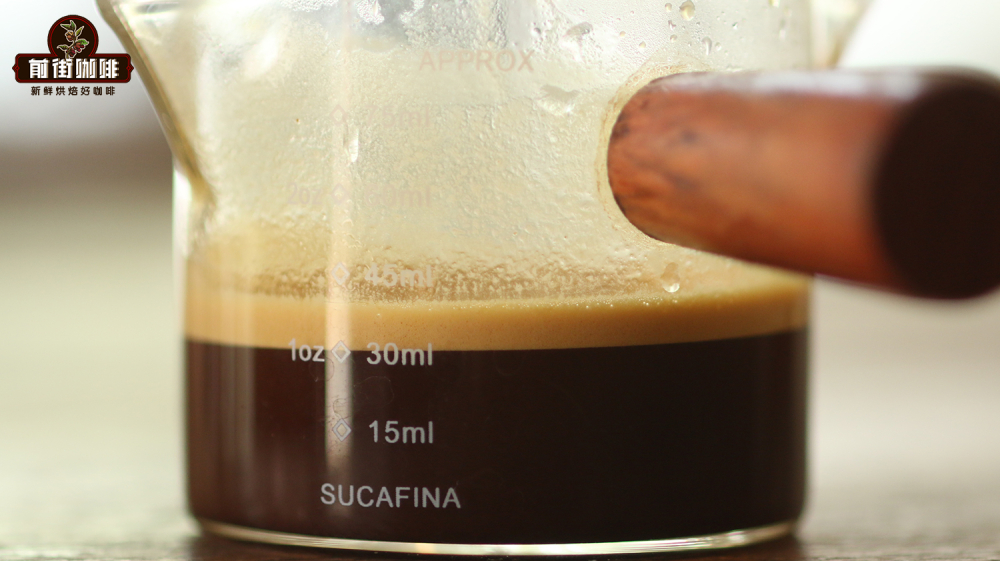
If you want to drink a cup of espresso at a coffee shop, then besides saying "give me an espresso," you can also say "give me a shot." A shot is the unit of espresso; 1 shot espresso means one serving of espresso, and sometimes "single espresso" is also used to indicate 1 shot. If you feel that one serving of espresso is too little and doesn't hit the spot, then when ordering you can say "double shot," which means double espresso.
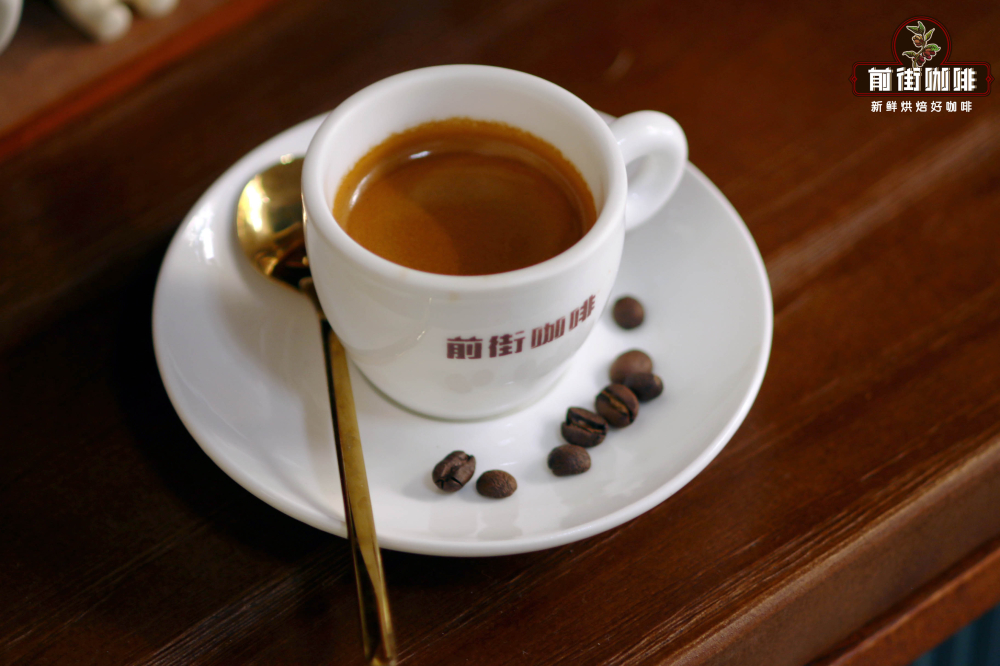
So, besides the difference in quantity, are there any other differences between single espresso and double espresso?
From the customer's perspective, the difference between single and double espresso is merely a matter of quantity, but from the barista's perspective, this requires two different methods.
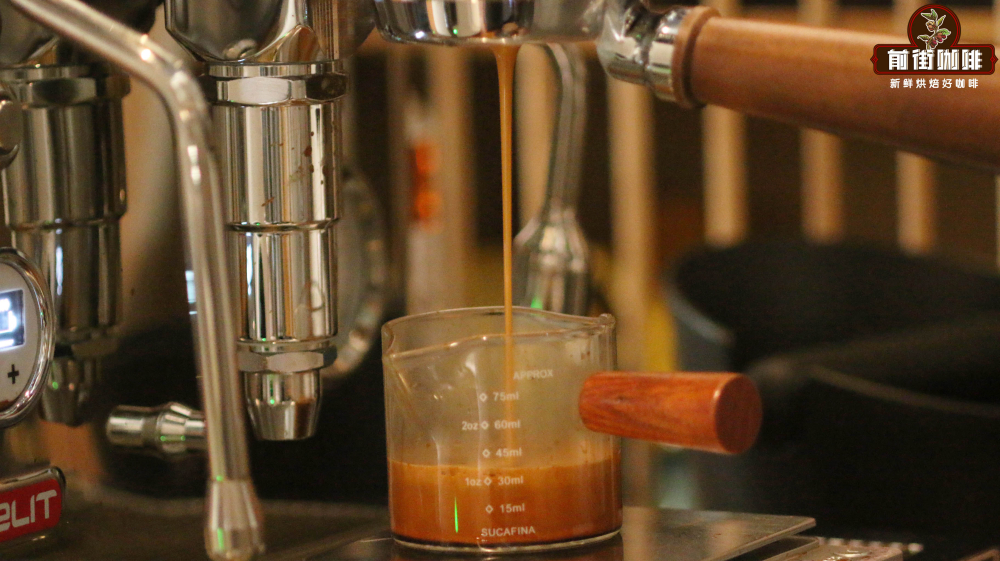
If you have used an espresso machine, you will know that the portafilter basket has a limit on the capacity of coffee grounds. For example, if a basket has a capacity of 18g, then the coffee grounds you put in should be between 17-19g. If you put in too much coffee, it won't lock onto the group head; if you put in too little, it affects extraction.
So if you want to put in less coffee, you must switch to a smaller-sized basket. This is the difference between extracting single and double espresso.
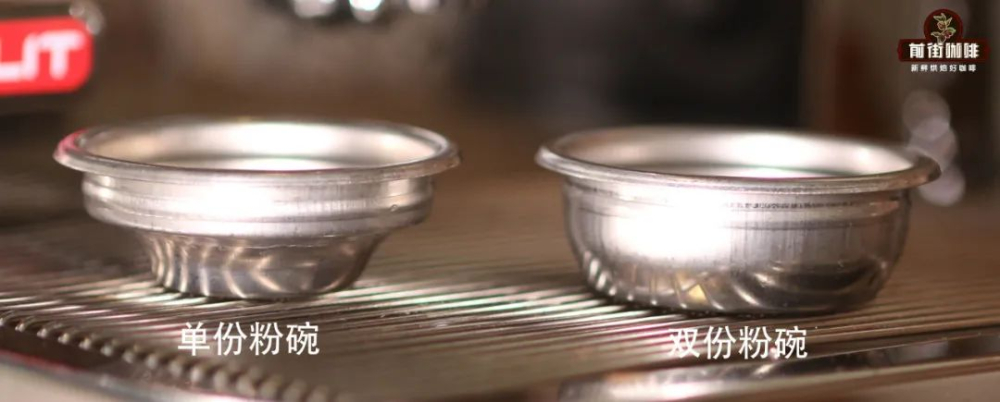
For example, when extracting a single espresso, the barista will use a single basket, fill it with 11g of coffee grounds, and extract 30ml (22g) of espresso. When extracting a double espresso, the barista will use a double basket, fill it with 18g of coffee grounds, and extract 60ml (40g) of espresso.
However, due to the different structures of the two baskets, the extracted coffee also differs. The double espresso basket has a cylindrical structure, and the puck knocked out after extraction is a neat "round almond cake."
The single espresso basket, however, is an inverted cone shape. It roughly has a two-layer structure; the upper layer has the same diameter as the double basket. But since the single basket holds half the coffee of the double basket, the lower layer is designed with a narrowing, so that the surface diameter remains the same and the maximum thickness of the coffee bed is also the same.
In Front Street's extraction experiments, the single basket is not as simple as half of the double basket.
Front Street used a double basket with 20g of coffee grounds as the baseline, extracting 40g of coffee liquid in 27 seconds, measured a concentration of 10.48%, and calculated an extraction yield of 21.72%.
Using a single basket with 10g of coffee grounds as the baseline, extracting 20g of coffee liquid, the flow rate was relatively faster, taking 22 seconds, measured a concentration of 8.83%, and calculated an extraction yield of 18.38%. The two are vastly different.
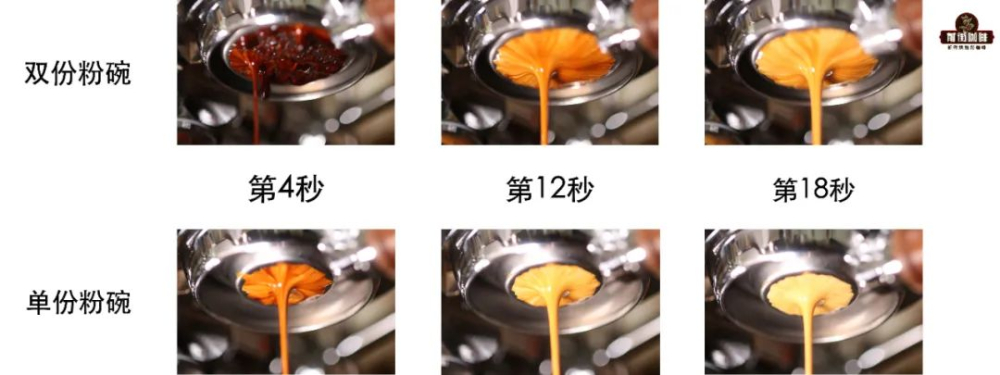
To make the output from a single basket approach that of a double basket, one can only adjust by grinding finer or increasing the dose. Adjusting the grind for output is not realistic for a coffee shop, and increasing the dose adds cost and uncertainty.
Front Street tested that the dose needs to be increased to 12.5g for the concentration to get close to the double basket data.
Why is the difference so large?
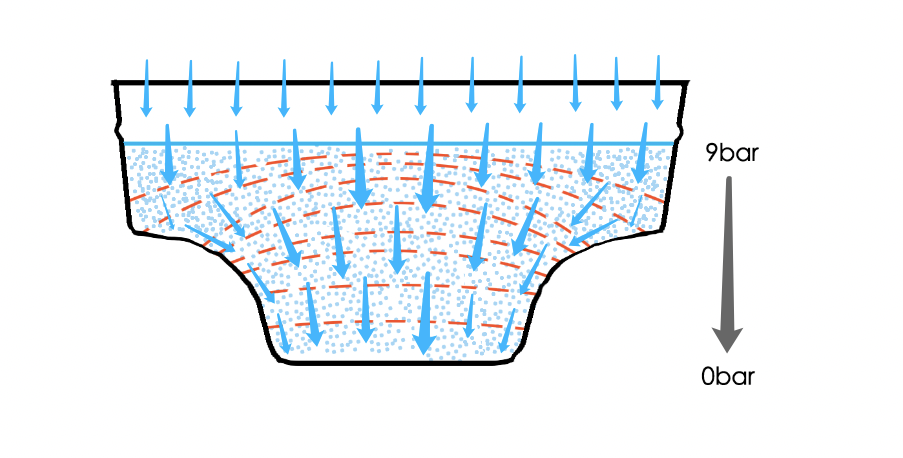
It all comes down to structure. The structure of the double espresso basket is a straight cylinder, which makes the force distribution uniform whether tamping or extracting under pressure, resulting in relatively even extraction.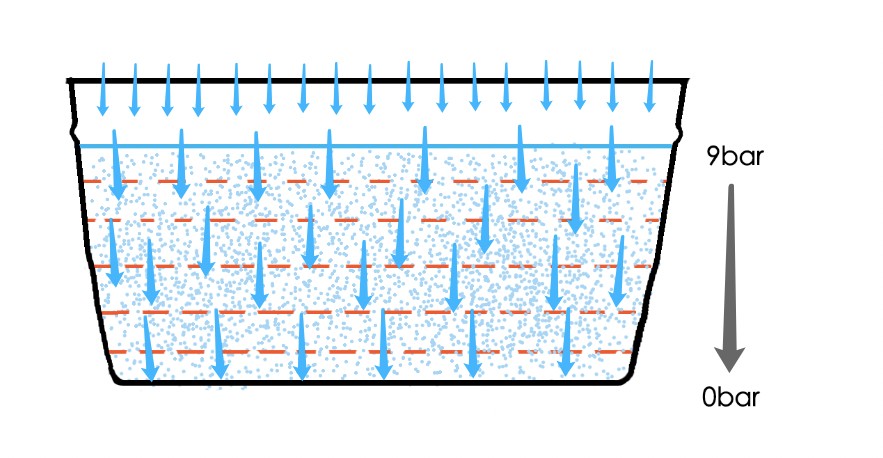
But the single basket, in order to maintain a uniform diameter (so it fits the group head) while ensuring the coffee bed thickness, sacrifices the bottom structure, causing the pressure around the perimeter to always be higher than the pressure at the center of the same level, whether tamping or extracting under pressure. In other words, when tamping, the perimeter is denser than the center; during extraction, in the upper layer, water permeates faster in the center than around the perimeter, but in the lower layer, water around the perimeter converges toward the center, causing uneven extraction and, in severe cases, channeling.
Next, Front Street will demonstrate how to make a standard espresso using the store's standard "Sunflower · Warm Sun Blend Espresso Coffee Beans" with the usual double basket. Those who want to learn, quickly grab your notebooks and take notes.

First, Front Street uses the capacity of a double basket, with the dose at about 18-20 grams. Front Street uses an extraction ratio of 1:2, that is, 20 grams of coffee grounds extracting 40 grams of coffee liquid; if you use 18 grams of coffee grounds, then it corresponds to 36 grams of espresso liquid. The time is related to the flow rate of the coffee grounds; generally, a single extraction time is controlled at 20-35 seconds, because within 20 seconds the coffee taste tends to be thin, while over 35 seconds it tends to over-extract and develop a burnt bitter taste. Front Street's espresso is mostly in the range of 28-30 seconds.

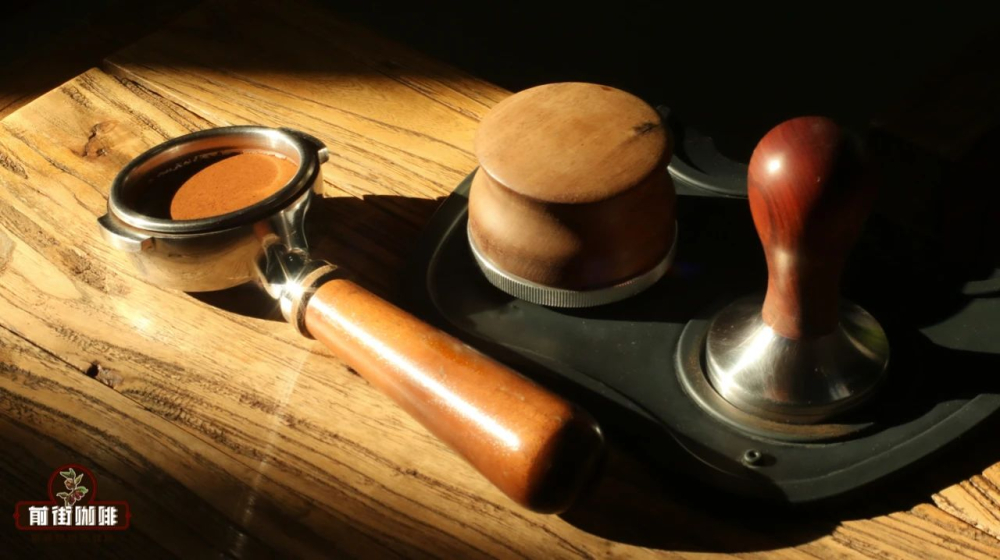
Before extraction, wipe the basket dry, turn on the grinder, grind the amount for a double shot of coffee, place it on an electronic scale to adjust up or down to reach 20 grams. Then use a distribution tool to level the coffee grounds, and with the tamper press down vertically with force to tamp the coffee puck firmly, ensuring more stable extraction.

Then turn on the extraction switch to release water for 1-2 seconds to moisten the group head, which also removes coffee grounds stuck on it. Place an electronic scale under the cup that will catch the Espresso, and tare the weight to 0, placing it together under the group head during extraction.

Gently lock the portafilter onto the group head, and start flipping the extraction switch. Observe the changes in the extracted liquid; when the electronic scale shows 40 grams of coffee liquid extracted, at about 30 seconds, flip down the extraction switch. The brewing parameters will subtly change according to daily air humidity and the condition of the coffee beans, so it is necessary to adjust the coffee dose, grind setting, and extraction yield up or down.
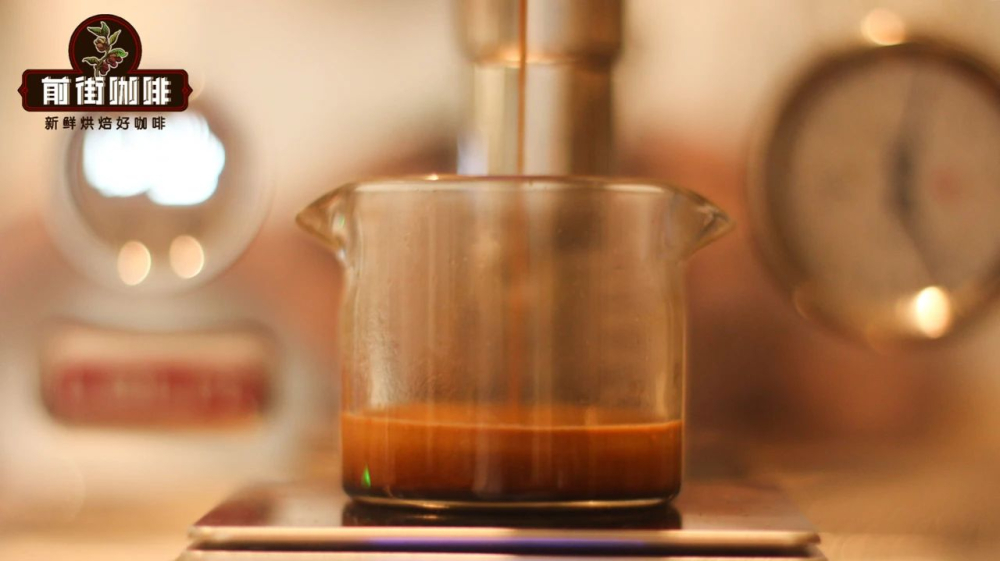
The extracted Espresso can be drunk directly. Paired with a cup of clear water to rinse the mouth, you can taste the dense crema and the rich, full-bodied mouthfeel of the coffee liquid underneath. If you cannot accept the intense bitterness, you can also add water or milk according to your preference to dilute and soften the strong taste.
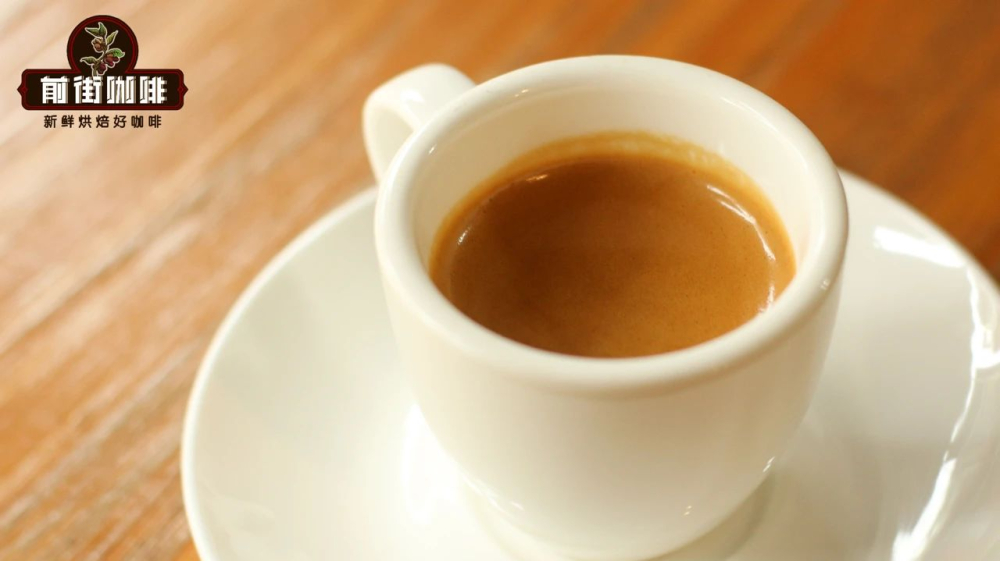
To taste a freshly extracted cup of espresso, Front Street will first smell the coffee's aroma. This coffee carries full aromas of whiskey, vanilla, nuts, and cream. It can be drunk directly, or with additives such as sugar and milk. Use the prepared metal spoon to gently stir and blend the coffee liquid. The first sip brings the dense Cream (crema), full and rich chocolate aroma. Then take a big sip, and you can feel the warm coffee liquid along with the crema entering the mouth, as well as the rich flavors of nut cookies, chocolate, berries, and wine. Take another sip of clear water in between to feel the sweet aftertaste in the mouth. The whole experience is rich and highly layered, leaving an endless aftertaste.
The above content is compiled by CoffeeHunters, a coffee news website.


