







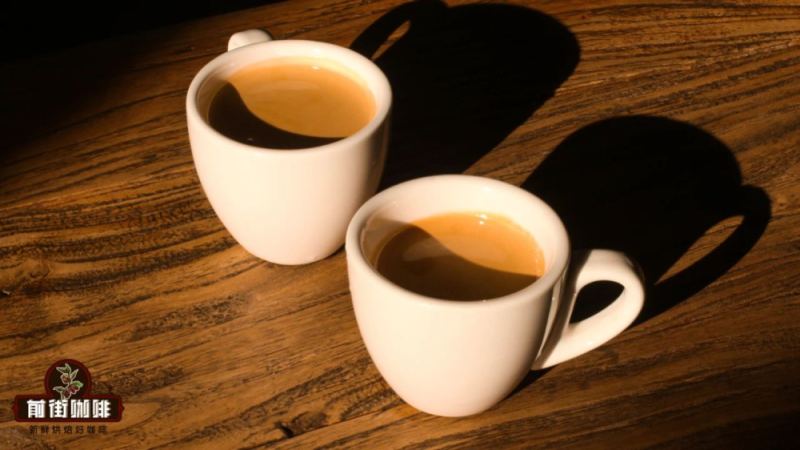
How Much Coffee Grounds Does a Single Espresso Shot Need?
A single espresso shot traditionally used 9 to 11 grams of coffee, and 1 shot equals 1 ounce, roughly 30 ml. That parameter is rarely used today because of the single basket's shape. The single basket is an inverted cone: the top half matches the double basket's diameter while the bottom narrows, so extraction behaves very differently from simply half of a double.
Most baristas now pull one espresso from a double basket at a 1:2 coffee-to-liquid ratio. Using a Sunflower·Warm Sun blend on a double basket, the standard process runs from weighing and distributing the grounds through tamping, extraction, and tasting. Time, flow rate, and flavor all need adjusting along the way, which is why the single basket often stays in the box.
How much coffee powder should a 1 shot espresso actually use? The traditional standard was 9–11 grams, but this parameter is rarely used today, and the root cause lies in the special structure of the single basket. The single basket is inverted cone-shaped: the upper half has the same diameter as the double basket, while the lower half narrows to maintain puck depth, yet the actual extraction performance is far more complicated than "half of a double." For this reason, the single basket has gradually fallen out of favor, and more baristas are turning to the double basket, producing one espresso at a 1:2 coffee-to-liquid ratio. In this article, Front Street Coffee will use the store's standard Sunflower·Warm Sun blend beans with a double basket to fully demonstrate the standard process from weighing the coffee, distributing the grounds, and tamping to extraction and tasting, and share practical advice on adjusting time, flow rate, and flavor.
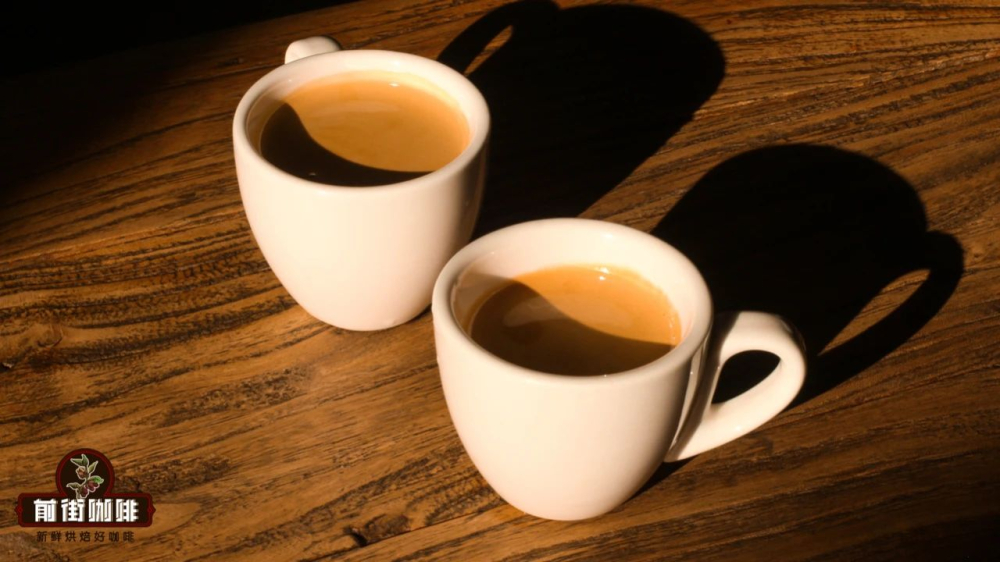
A single espresso is generally called "1 shot." "Shot" is originally a liquor measure, and 1 shot equals 1 ounce, which converts to roughly 30 ml. According to the traditional standard, making 1 shot of espresso requires 9–11 grams of coffee powder. However, almost no one uses this set of parameters anymore, and the reason lies in the single espresso basket.
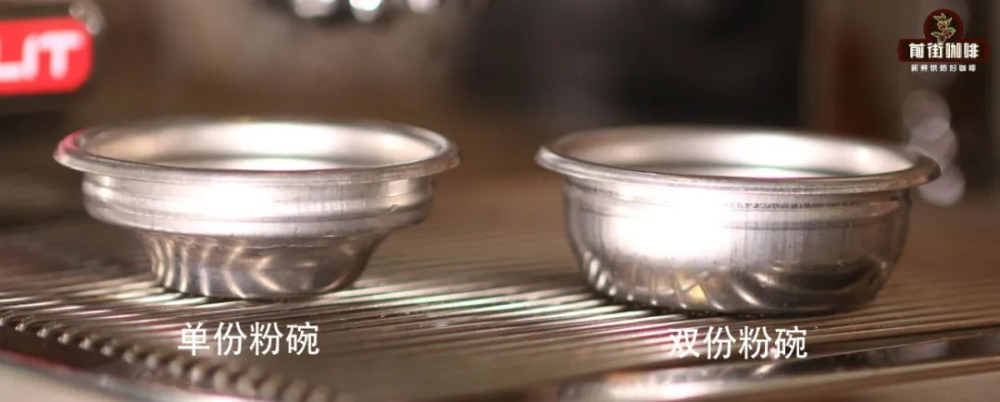
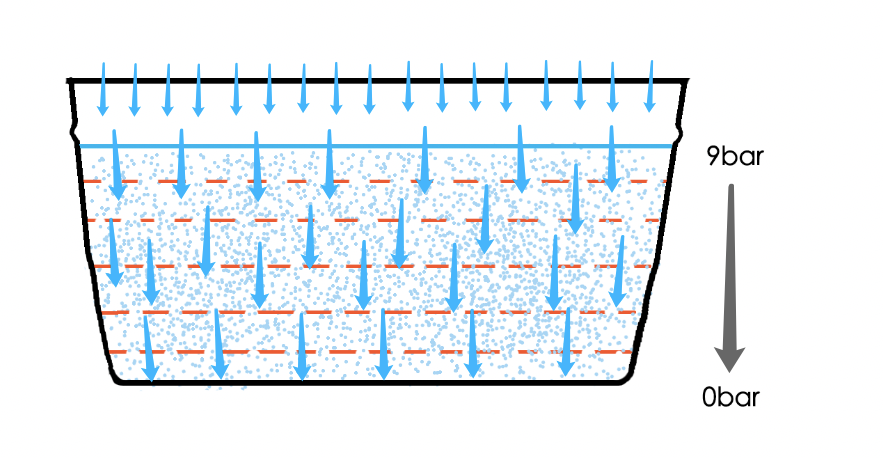
The double espresso basket should be familiar to anyone who has used a semi-automatic espresso machine. Its interior is cylindrical, and the puck knocked out after extraction is a neat "round almond cookie."
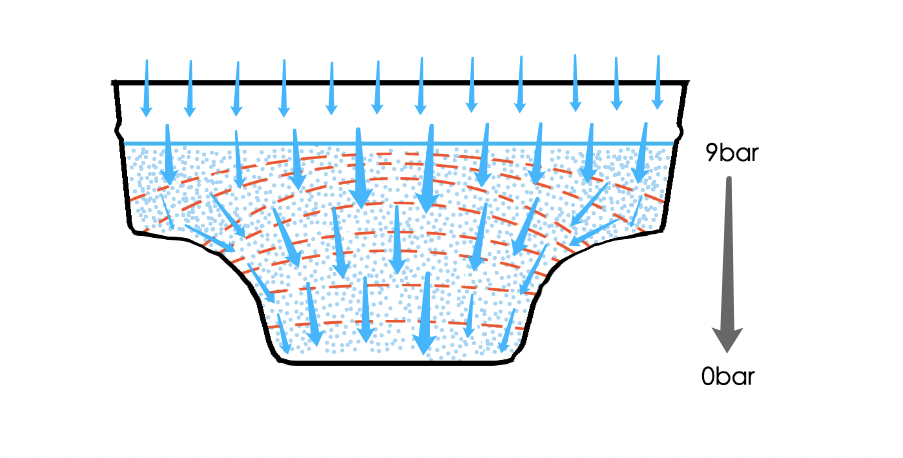
The single espresso basket, by contrast, is inverted cone-shaped and roughly divided into two layers: the upper half has the same diameter as the double basket, but because its coffee capacity is only half that of the double, the lower half is narrowed. Only in this way can the surface diameter be kept the same and the maximum puck depth also be kept the same.
However, in Front Street's extraction experiments, the performance of the single basket was far from being as simple as "half of a double."
This tool is so "awkward" that although buying an espresso machine still comes with both single and double baskets, most of the time the single basket is put straight back into the box and sealed away. Today, more and more people advocate using the espresso extracted from a double basket as one espresso, and the coffee-to-liquid ratio also tends toward 1:2.
Next, Front Street will use the store's standard "Sunflower·Warm Sun Espresso Blend Coffee Beans" with the usual double basket to demonstrate how to make a standard espresso. Those who want to learn, remember to take out a notebook.
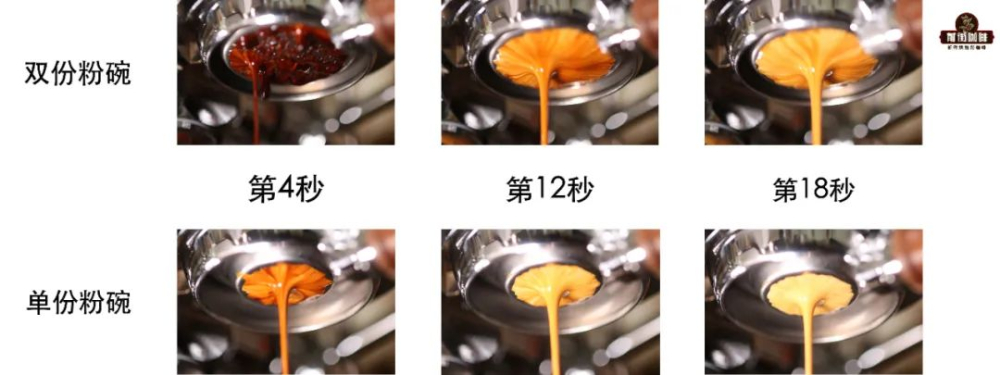
First, Front Street uses the capacity of a double basket, with a dose of about 18–20 grams, and an extraction ratio of 1:2, meaning 20 grams of coffee extracts 40 grams of coffee liquid; if using 18 grams of coffee, it corresponds to 36 grams of espresso. Time is related to the flow rate of the coffee powder, and a single extraction is generally controlled at 20–35 seconds—under 20 seconds the flavor tends to be thin, while over 35 seconds it tends to over-extract and become burnt and bitter. Most of Front Street's espressos fall in the 28–30 second range.
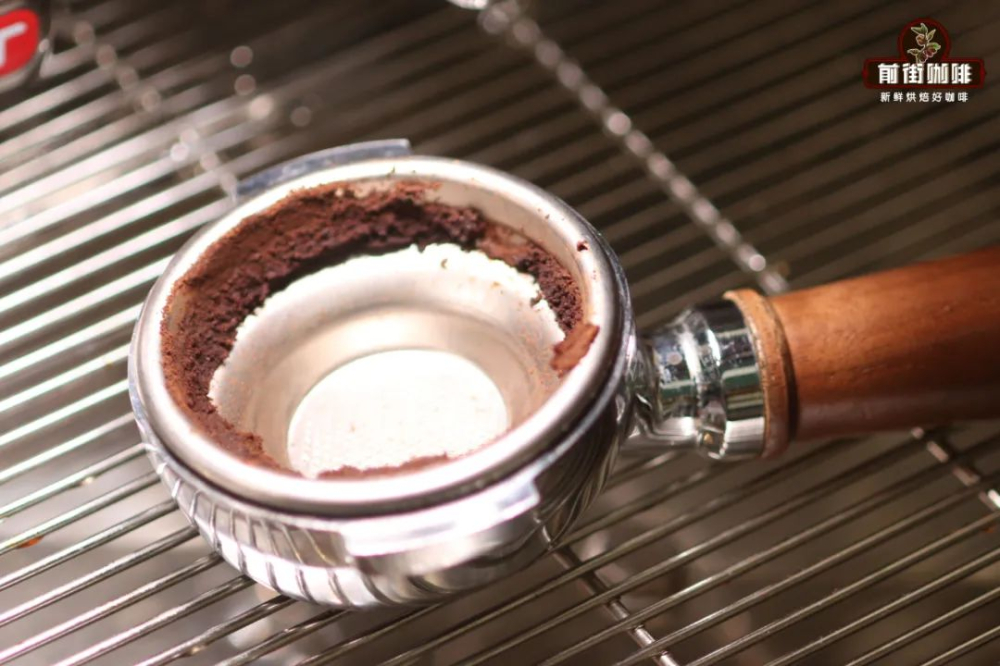
Before extraction, first wipe the basket dry, turn on the grinder to grind the amount for a double dose, and place it on the electronic scale, adding or removing until it reaches 20 grams. Then use a distribution tool to level the grounds, and press the tamper vertically downward with force to compact the puck so that extraction is more stable.
Then turn on the extraction switch and let water run for 1–2 seconds to wet the group head and rinse off any coffee grounds stuck to it. Place an electronic scale under the cup that will catch the espresso and tare it to zero, then place it together under the group head during extraction.
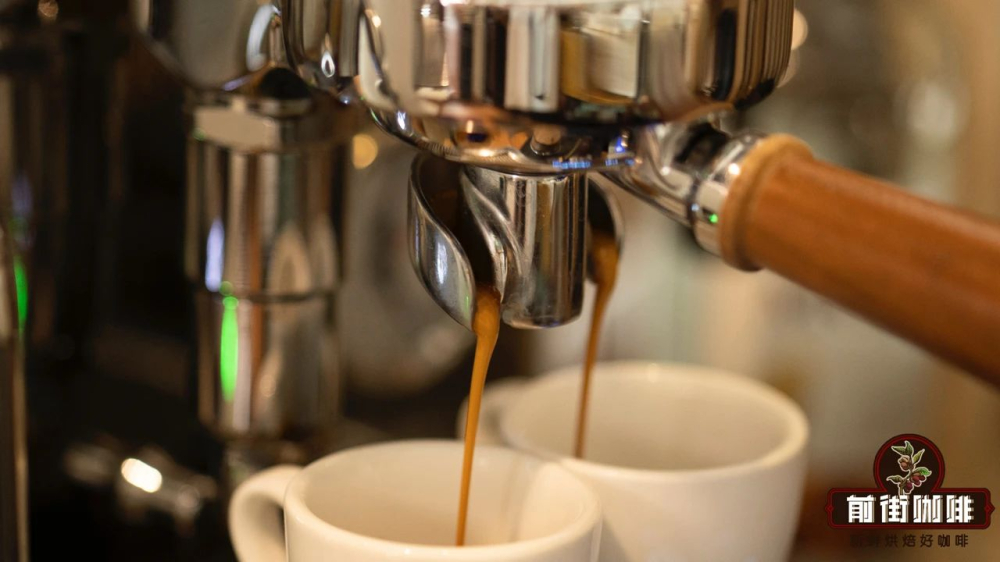
Gently and slowly lock the portafilter onto the group head, then flip down the extraction switch. Watch the changes in the extracting liquid, and when the electronic scale shows 40 grams of coffee liquid and the time is about 30 seconds, flip the extraction switch off. Brewing parameters change slightly with daily air humidity and the condition of the coffee beans, so the dose, grind setting, and amount of extracted liquid need to be adjusted up or down accordingly.
The extracted espresso can be drunk directly; with a cup of water to rinse the mouth, you can taste the dense crema and the mellow, full-bodied coffee liquid beneath. If you cannot accept the intense bitterness, you can also dilute it with water or milk according to your preference to soften the mouthfeel.
When tasting a freshly extracted espresso, Front Street first smells the aroma; this coffee carries full aromas of whiskey, vanilla, nuts, and cream. It can be drunk directly, or with sugar or milk added. Gently stir with the prepared metal spoon to blend it, and the first sip brings the dense Cream (crema), accompanied by full, mellow chocolate aromas. Then take a big sip, and the warm coffee liquid enters the mouth together with the crema, followed by rich flavors of nut cookies, chocolate, berries, and alcohol. In the middle, take another sip of water to feel the sweet, lingering finish in the mouth. The whole experience is rich and layered, leaving an endless aftertaste.
The above content is compiled by CoffeeHunters, a coffee news website.


