







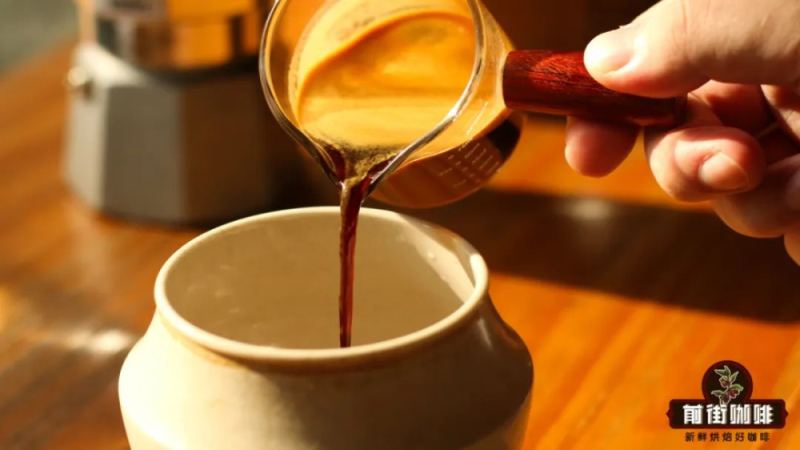
Why Is the First Shot From a Coffee Machine Poured Out?
The first espresso pulled after a coffee machine is turned on is usually discarded because it flushes stale residue from the group head, tubing and dispersion screen. Overnight, leftover coffee liquid and fine particles oxidize and dry out, so this shot tastes muddy and bitter. Extraction is also unstable while the boiler, group head and portafilter are still cold.
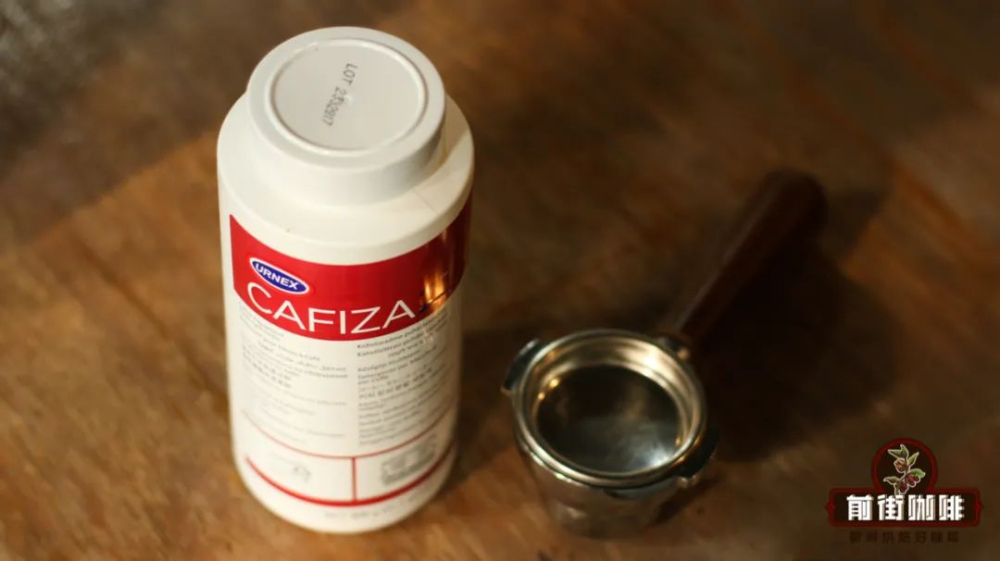
To understand the practice, it helps to know how does an espresso machine work: heat and pressure need time to reach equilibrium before extraction is consistent. Shops therefore run a morning calibration routine, pulling shots and adjusting the grind. Espresso cleaning powder keeps the group head and lines free of built-up oils and residue.
Many coffee enthusiasts operating semi-automatic espresso machines at home will notice a detail: the first shot of espresso pulled right after the machine is turned on is often poured straight down the drain. This is not waste, but an early-tuning routine followed by both professional coffee shops and seasoned hobbyists alike. Why exactly can't this espresso be drunk? What systematic prep work do coffee shops do before officially opening? And what role does espresso cleaning powder play in all this? This article will focus on the daily startup routine of espresso machines, explain why the first shot is discarded, walk through the standard steps of a shop's morning calibration, and clarify the purpose and selection advice for cleaning powder. It will also draw on the practical experience of Front Street Coffee to help everyone build the right mindset for coffee machine maintenance.
But have you ever noticed that the first shot of espresso a coffee shop pulls every morning during machine calibration almost invariably ends up down the drain? Why is that? The reason is actually quite simple—it's usually not drunk by anyone, but simply discarded.
Many people might find this puzzling: isn't the first shot also extracted normally from coffee grounds? Is it really just because it tastes too bad that no one drinks it?
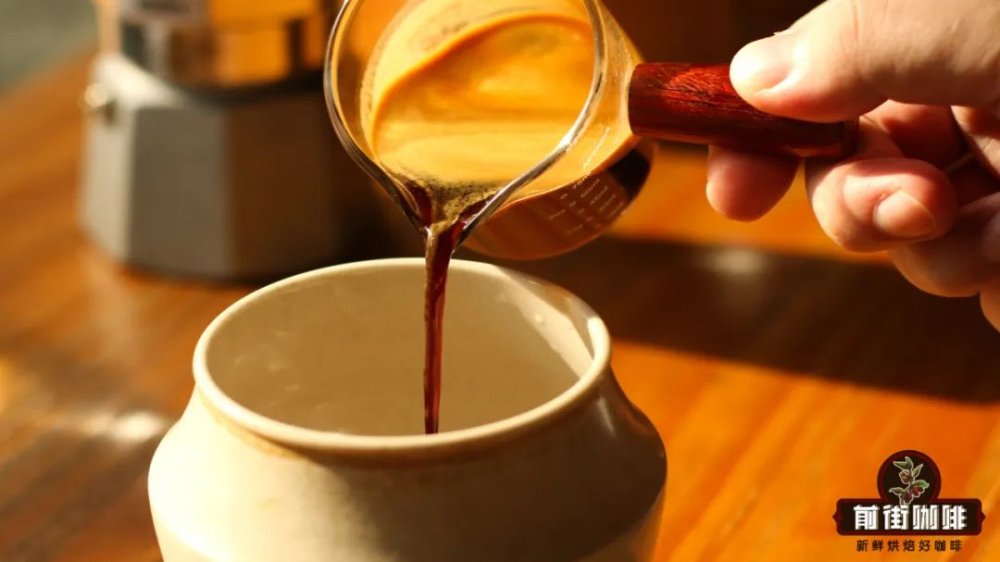

To understand this practice, we need to start with the structure of an espresso machine and the purpose of morning calibration. After the machine has been off for a while, residual coffee liquid and fine particles from the last extraction remain inside the group head, tubing, and dispersion screen. After sitting for several hours, these residues oxidize, dry out, and can even breed off-flavors. The first shot after startup actually serves as a "flush," carrying out stale residual liquid and impurities from the lines. As a result, this shot is not only muddy in flavor with a pronounced bitterness, but may also contain incompletely cleaned substances—drinking it directly affects both taste and offers no health benefits.
In addition, the extraction parameters of the first shot are often unstable. When the machine has just started, the boiler water temperature, group head temperature, and line pressure have not yet reached equilibrium, and the portafilter basket and group head are still cold. The coffee extracted at this point deviates from normal standards in flow rate, concentration, and flavor, and cannot represent the true performance of that day's coffee beans. The barista needs to discard this shot first, letting the machine complete preheating and line filling, then readjust grind size, dose, and yield to get a qualified espresso.
So what does a coffee shop's morning calibration routine generally include before officially opening? First, check the water tank or water inlet system to confirm water quality and quantity are normal; then turn on the espresso machine, let the boiler heat up to the set temperature, and open the steam valve to release condensation. Next, flush a round of hot water to rinse the group head, and clean the dispersion screen and gasket. After that, grind a small amount of coffee beans, pull the first "flush shot" and discard it, then fine-tune the grind setting based on flow rate and flavor. Some shops will also simultaneously check the grinder burrs, clear clumps in the hopper, and test the steam wand's milk frothing performance.
What is the role of espresso cleaning powder in this process? It is mainly used for deep cleaning the group head, dispersion screen, and portafilter basket. Daily morning calibration relies more on water flushing and blank shots, while cleaning powder is typically used on a weekly or longer cycle to dissolve coffee oils and residue buildup. The usual method is to put cleaning powder into a blind basket, lock it onto the group head, run the extraction program to let the cleaning solution circulate through the lines, then rinse repeatedly with clean water. If cleaning powder is not used for a long time, stubborn oil deposits will accumulate inside the group head, affecting water flow uniformity and giving espresso an off-taste.
Front Street Coffee has always emphasized the principle of "flush first, calibrate second, serve last" in store morning calibration and equipment maintenance. Front Street suggests that home semi-automatic espresso machines can also follow this routine: after turning on the machine each day, discard the first shot, rinse the group head with hot water, and then begin formal extraction. As for cleaning powder, Front Street also reminds users to choose food-grade specialty products and strictly follow the instructions for dilution to avoid residue affecting subsequent coffee flavor.
In summary, discarding the first shot of espresso is not waste, but a necessary step to ensure coffee quality and machine hygiene. It serves both as the "wastewater flush" for the lines and as the "test subject" before extraction parameters are calibrated. Understanding this helps clarify the rigor of a coffee shop's morning calibration routine and helps everyone develop more professional operating habits in their own coffee corner.
The above content is compiled by CoffeeHunters, a coffee news website.


