







What Happens When You Stop a Coffee Machine Mid-Extraction?
Restarting an espresso shot after stopping it early does not reproduce a normal extraction. In a controlled test measured with a refractometer, shots resumed at one-half, two-thirds, and four-fifths of the target yield all showed lower concentration and extraction yield than a continuous shot, and the earlier the stop, the larger the gap and the thinner the mouthfeel. The cause is a change in puck resistance once pressurized extraction is interrupted.
The test coffee was Front Street Strawberry Candy Espresso, a blend of Costa Rican, Ethiopian, and Colombian beans, pulled alongside a normal reference shot. For anyone making coffee on an espresso machine, the takeaway is clear: topping up a short shot, such as 28 ml out of a planned 40 ml, is not a reliable fix, so it is better to start over when a shot stops well short of its target yield.
When pulling espresso, you might occasionally get distracted, stop the shot before it reaches the target yield, and wonder: can I just press the button again to make up the missing amount? Front Street ran a controlled experiment using its own Front Street Strawberry Candy Espresso: first pulling a normal shot, then restarting extraction after stopping at one-half, two-thirds, and four-fifths of the target yield, and measuring with a refractometer to compare flavor. The results showed that the earlier the extraction is stopped, the greater the gap in concentration and extraction yield, and the thinner the mouthfeel. The reason relates to changes in puck resistance under pressurized extraction. If you've also encountered stopped-and-restarted extraction, this test can give you clear operational advice.
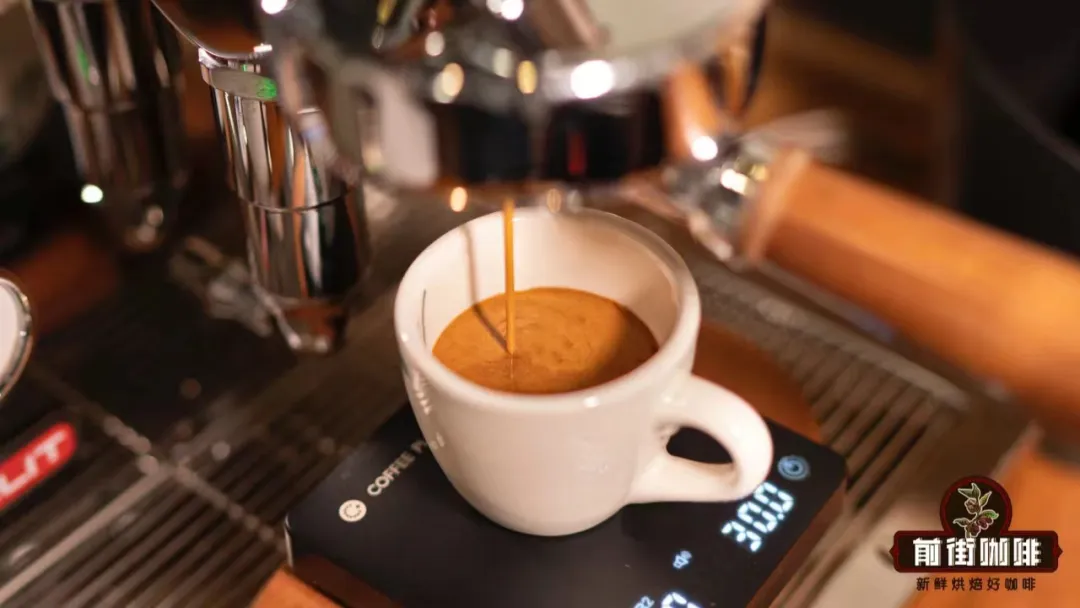
But sometimes, we inevitably get distracted by something, and the espresso we pull doesn't reach the preset yield. For example, you planned to extract 40 ml of coffee liquid, but stopped when only 28 ml had been extracted.
Clearly, this shot's yield is far short of our target, and the taste is probably not much good either. In this situation, Front Street believes many friends would have the same thought: can I press the extraction button again to "make up" the part that wasn't extracted enough? At least when Front Street first got into espresso, that's exactly what we thought.
So today Front Street plans to use experiments to verify whether this idea is actually reliable. The experiment itself isn't complicated: first pull a normal shot, then make several shots that have undergone "make-up extraction," and then compare them one by one to see whether there's any difference between the two, and if so, how large that difference is.
Experiment Sharing
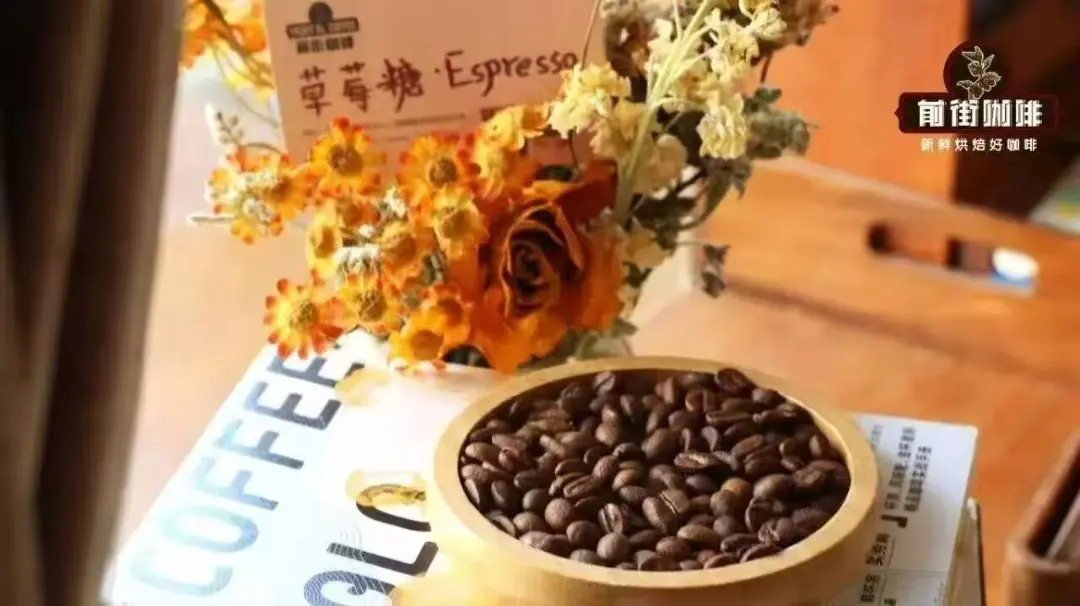
The coffee beans Front Street selected for this experiment are Front Street Strawberry Candy Espresso from Front Street's bean lineup. This bean was specially blended so that espresso can also present rich floral and fruity aromas.
Front Street blends Costa Rican and Ethiopian coffee beans with rich floral and fruity aromas together with mellow Colombian coffee beans, so the coffee made with this blend has both striking flavors such as distinct white florals, strawberry gummy candy, citrus, and cream, and also retains a soft, mellow mouthfeel, with not-too-high acidity and an overall balanced profile. Used for coffee drinks such as Americanos and lattes, the flavor and layering are excellent; it can be said to be an all-around warrior very suitable for serving espresso-based drinks.

As mentioned earlier, the extraction parameters Front Street uses to make espresso are: a 1:2 coffee-to-liquid ratio, about 30 seconds, and a dose of 20 g, meaning 40 ml of coffee liquid should be extracted. In addition to the conventionally extracted shot, Front Street will also pull three more espresso shots, stopping extraction when they reach one-half (20 ml), two-thirds (26 ml), and four-fifths (32 ml) of the target yield, then restarting extraction until the yield reaches the target.
We'll skip the extraction process directly. Now we have four espresso shots in hand. From left to right, they are: "one-half shot," "two-thirds shot," "four-fifths shot," and the normally extracted shot.
After measuring with a refractometer, their concentrations are: 10.17%, 10.35%, 10.47%, and 10.53%. As you can see, the differences in concentration are still quite obvious; in particular, the earlier the extraction is stopped, the greater the gap between the coffee's concentration and that of normal extraction.
In terms of taste, although all four cups are decent, the differences are also very clear. The cup stopped at one-half of the target yield tastes relatively thin; the later the stop, the richer it is, especially the normally extracted cup, which has prominent sweetness, a full mouthfeel, and very obvious strawberry and floral flavors—super delicious.
The reason such differences appear is that after stopping extraction and then restarting, the extraction efficiency is no longer as high as before. This brings us to the coffee machine's distinctive extraction method—pressurized extraction.
Pressurized extraction relies on pressure to assist hot water in extracting coffee. Unlike atmospheric-pressure extraction, this method has extremely high extraction efficiency and can dissolve a large amount of flavor substances from the coffee in a short time.
But for the coffee machine to apply pressure, the prerequisite is that the puck must have sufficient resistance. The higher the puck resistance, the greater the pressure the coffee machine applies. That's why we use a very fine grind to grind coffee beans: the goal is to prevent hot water from passing through easily, forcing the coffee machine to extract with greater pressure.
What everyone needs to understand is that even if the puck resistance is high at the beginning, as long as extraction starts and the coffee machine begins to apply pressure, the puck's resistance will gradually decrease. At first, escaping carbon dioxide still slows the flow of water, but as the carbon dioxide decreases, there are more and more channels through which hot water can flow—this is why the flow rate gets faster the later the extraction goes.

And if we stop extraction midway and then restart, the coffee machine can no longer apply the same pressure to extract the coffee. The reason is simple: the puck's density has already changed during the earlier extraction process, and there isn't much carbon dioxide left to hinder hot water penetration, so even without pressure assistance, hot water can easily pass through the coffee bed. Compared with before, the extraction efficiency will be much lower.
Originally, after extraction Front Street needed 10 seconds to get the latter 20 ml of espresso liquid, but after stopping and restarting extraction, all 20 ml of coffee liquid was extracted in less than 5 seconds. Therefore, the coffee's extraction yield will be somewhat lower than before; the earlier the extraction is stopped, the greater the difference in extraction yield, which in turn affects the coffee's taste, concentration, and mouthfeel performance.
In summary, if your stopping point is relatively early, it's best to regrind a dose of coffee grounds and start extraction from scratch, so the coffee you make doesn't end up far off your standard. But if your stopping point is relatively late, and you're almost done extracting, then whether to top up the remaining amount depends on you~
- END -
The above content is compiled by CoffeeHunters, a coffee news website.


