







Search Results for: Re-extraction
Can Underextracted Pour-Over Coffee Be Rebrewed? A Detailed Explanation of the Four Key Parameters Affecting Flavor
An under-extracted pour-over coffee often has low concentration and bland flavor, leaving people unsure how to fix it. Over-extraction can still be solved by adding water to dilute it, but under-extraction is tricky. Front Street Coffee started from an interesting experiment and actually tested whether pouring some of the brewed coffee back onto the coffee bed for re-extraction is feasible. This article not only verifies the practical effect of this method, but also deeply analyzes the key influence of the four major extraction parameters—water temperature, grind size, ratio, and time—on flavor, helping coffee enthusiasts find a feasible corrective approach when brewing goes wrong, while also reminding everyone: rather than fixing it afterward, it is better to brew it right from the start. [more…]
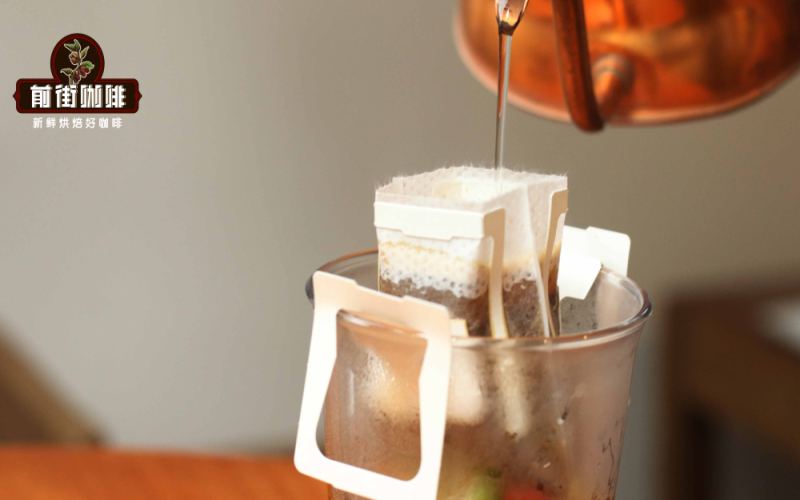
Can Drip Bag Coffee Be Reused for Multiple Brews? Analyzing the Fundamental Differences Between Coffee and Tea Through the Dissolution Characteristics of Chlorogenic Acid
Drip bag coffee, with its convenience and high cost-performance ratio, is attracting more and more people with no coffee-making experience to give it a try. Front Street Coffee's Fruit Dding Ding, Huakui, and Yirgacheffe suit those who prefer floral and acidic notes, while Mandheling, Huilan, and Blue Mountain are better suited to those who pursue a rich, full-bodied taste. However, beginners often run into all kinds of questions in practice, and one frequently mentioned topic is: how many times can a single drip bag actually be brewed? This article will focus on the release patterns of coffee solubles, with emphasis on explaining the role chlorogenic acid plays in extraction, clarifying why coffee, unlike tea leaves, cannot be brewed repeatedly, and why re-extraction after a normal brew is not recommended, helping enthusiasts build a clearer understanding of extraction. [more…]
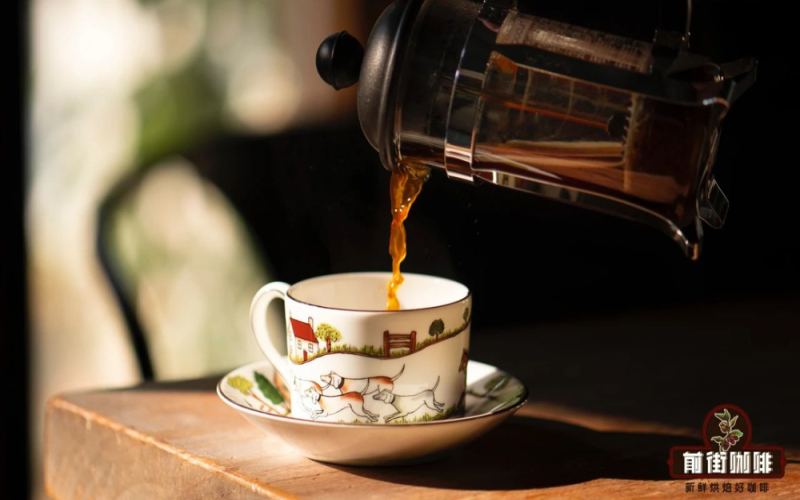
A Comprehensive Comparison of the French Press and the AeroPress: Extraction Principles, Brewing Performance, and Their Respective Advantages
The French press and the AeroPress are both easy-to-use, beginner-friendly coffee brewing devices. Both have the word "press" in their names, yet their extraction logic is completely different. The French press relies on a long steep and a metal mesh filter to separate the coffee grounds, giving a balanced, full-bodied cup; the AeroPress combines immersion, paper filtration, and air pressure for a richer layering of flavors. This article compares the two step by step—from their construction and extraction principles to how they brew the same Front Street Golden Mandheling—to help you decide which one better suits your daily brewing habits. [more…]
An Analysis of the Seven Major Pour-Over Coffee Schools: A Full Comparison of Brewing Techniques Including the One-Pour and Three-Pour Methods
The charm of pour-over coffee lies not only in the flavor itself, but also in the ever-changing brewing techniques. In coffee enthusiast circles, there are seven major brewing schools: volcano pour, meteor pour, one-cut pour, three-cut pour, tamped pour, stirring method, and drip pour. Except for the drip pour, all the other methods use circular pouring. Each school has its own unique extraction logic and flavor orientation—some pursue layering, some emphasize sweetness, and some are better suited for enthusiasts to explore. This article breaks down the key operational points, pros and cons, and suitable scenarios for each method one by one, and includes practical advice from Front Street Coffee to help you find the style that suits you best in your daily brewing. [more…]
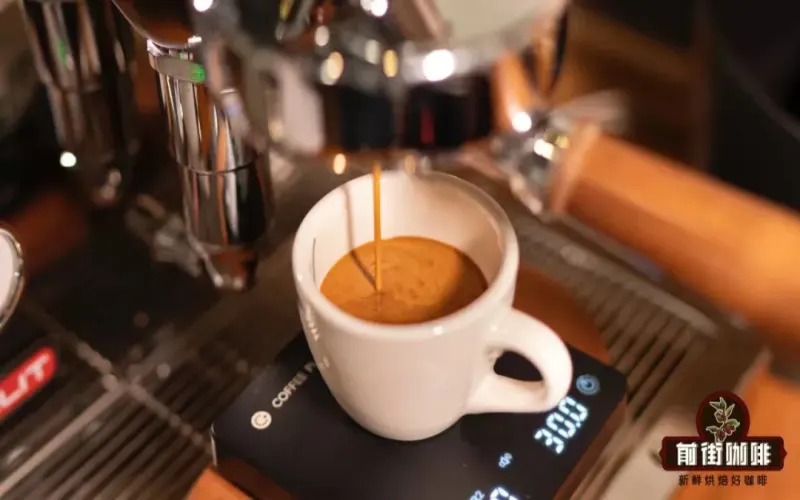
Is it OK to pause and resume an espresso shot mid-extraction? Testing how different resume points affect concentration and flavor
When pulling espresso, you occasionally get distracted and stop before the liquid weight reaches the target. Can you press the brew button again to make up the missing amount? Front Street ran a set of controlled experiments using its own Front Street Strawberry Candy · Espresso: first, a normal espresso was made, then extraction was cut off at one-half, two-thirds, and four-fifths of the target liquid weight and restarted, and a refractometer was used to measure and compare the flavors. The results showed that the earlier the extraction was cut off, the greater the gap in concentration and extraction yield, and the thinner the mouthfeel. The reason is related to changes in puck resistance under pressurized extraction. If you have also encountered the situation of cutting off and then topping up the shot, this hands-on test can give you clear operating advice. [more…]