







Search Results for: eco-friendly straws
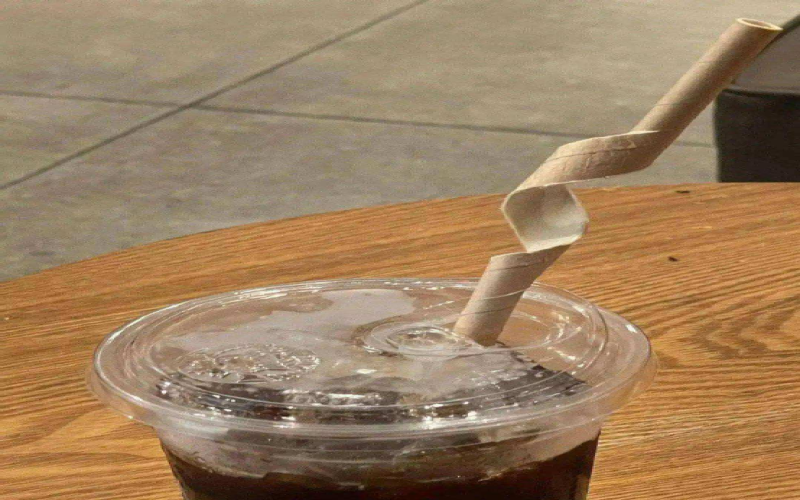
Paper Straws from Viral Fame to Discontinued Production: Can PLA and Edible Straws Become the New Eco-Friendly Alternatives?
Paper straws once swept through the food service industry in the name of environmental protection, yet they have been widely criticized for their poor mouthfeel and tendency to degrade in the mouth, and are now gradually exiting the market. Their replacement, PLA straws, are made from plant starch, are fully biodegradable, and withstand temperatures ranging from cold to hot drinks, but they have a short shelf life and relatively high cost. Meanwhile, research teams have developed edible bacterial cellulose-based straws that completely decompose within 60 days when buried in soil. From paper straws to PLA to coconut jelly straws, behind the iteration of eco-friendly straws lies a trade-off among cost, experience, and degradation performance. This article reviews the current state of paper straw production being discontinued, the market prospects for PLA straws, and the research progress on new edible straws, and includes Front Street Coffee's specialty bean news. [more…]
Coffee Silver Skin Gets a New Life: Japan Launches Silver Skin Straws and Eco-Friendly Tissues
In the coffee industry chain, silver skin is often overlooked as a roasting by-product. However, Japan's Ito En and Tully's Coffee have teamed up to transform this thin protective layer into water-resistant straws. Every 10 grams of coffee beans produces enough silver skin to make two straws, and it does not interfere with the flavor of the drink. In fact, Tully's Coffee had already launched eco-friendly napkins containing silver skin as early as 2012. Although these products are currently limited to some stores in Japan, silver skin-blended paper has already taken an eco-friendly step in reducing pulp usage. This article will guide you through the transformation of coffee silver skin from waste to practical accessories, and revisit coffee grounds recycling cases such as Starbucks' ground coffee straws, exploring the possibility of fully utilizing the entire coffee fruit. [more…]
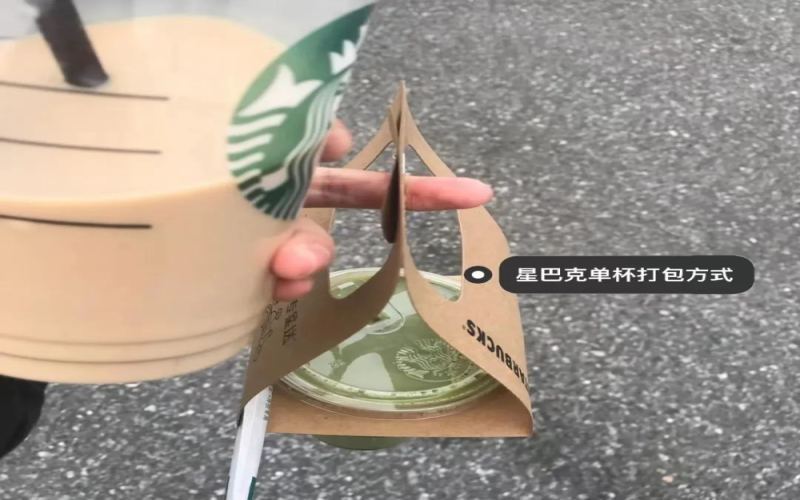
Starbucks Paper Single-Cup Takeout Bags Repeatedly Criticized: How to Balance Environmental Ideals and Practical Experience
Starbucks has been actively promoting eco-friendly packaging, from coffee-ground straws to non-woven bags, and now to the paper single-cup carrier bags that are commonly used today—each step reflects the brand's pursuit of sustainable development. However, this seemingly clever design has frequently drawn complaints from consumers, especially cyclists, who report that the handles break easily, the cup bottoms may fall out, and the paper edges can even cut your hands. Between environmental protection and practicality, how should Starbucks strike the balance? This article will trace the evolution of the carrier bags, present real user feedback, and bring in industry perspectives such as those from Front Street Coffee, to explore the packaging dilemma behind a cup of coffee. [more…]
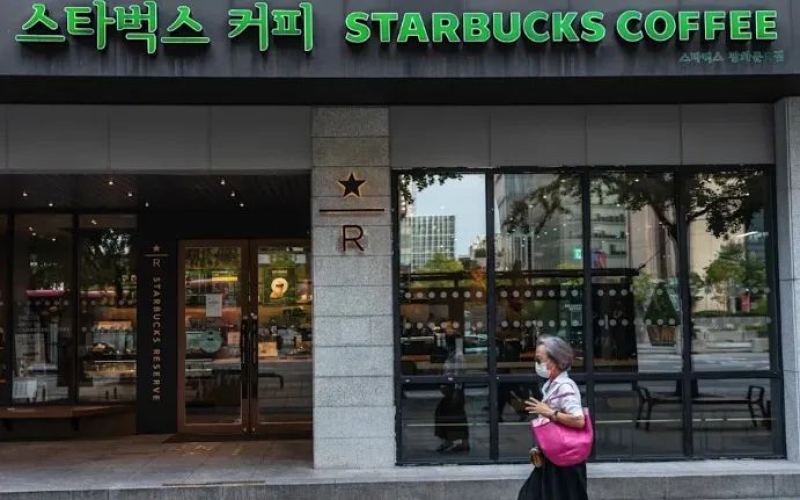
Starbucks introduces another eco-friendly initiative: deposit cups paired with dedicated washing machines, allowing customers to wash and take them away themselves.
Starbucks has been exploring ways to reduce single-use cup usage in recent years, from deposit cups in the South Korean market to cup borrowing programs in Europe and the US, but none have achieved the expected results. Now Starbucks has launched Plan C—introducing dedicated cup-washing machines in stores, where customers can wash their cups themselves after finishing their coffee and take them away, though a deposit is still required. The program will first be tested at Arizona State University and select stores in Hawaii. Meanwhile, Starbucks mainland China has fully switched to paper straws and sippy lids, reducing approximately 200 tons of plastic annually. Whether the environmental path can meet its 2025 targets remains to be seen. [more…]
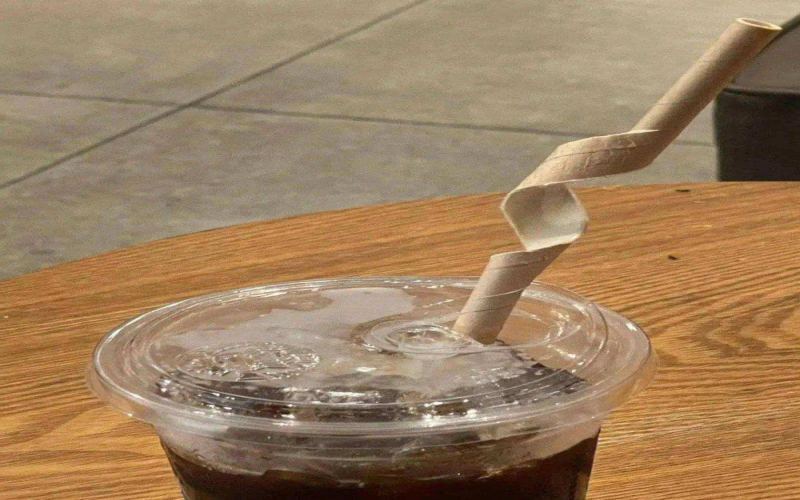
USTC Develops Edible Coconut Jelly Straw to Replace Paper Straws, Doubling Strength and Fully Degrading in 60 Days
In recent years, with the advancement of plastic restriction policies, plastic straws have gradually exited the food service scene, replaced by paper straws and PLA straws. However, paper straws easily become soggy, and PLA straws are not heat-resistant, greatly diminishing the consumer experience. A team led by Academician Yu Shuhong of the University of Science and Technology of China has taken a different approach, using bacterial cellulose combined with sodium alginate to develop an edible nata de coco straw. Its strength, modulus, and toughness are more than twice those of paper straws, it is thinner, and it can be made in different colors. Buried in soil, it nearly disappears in 45 days and completely degrades in 60 days. Can this new material save the afternoon tea joy of office workers? This article will provide a detailed interpretation. [more…]
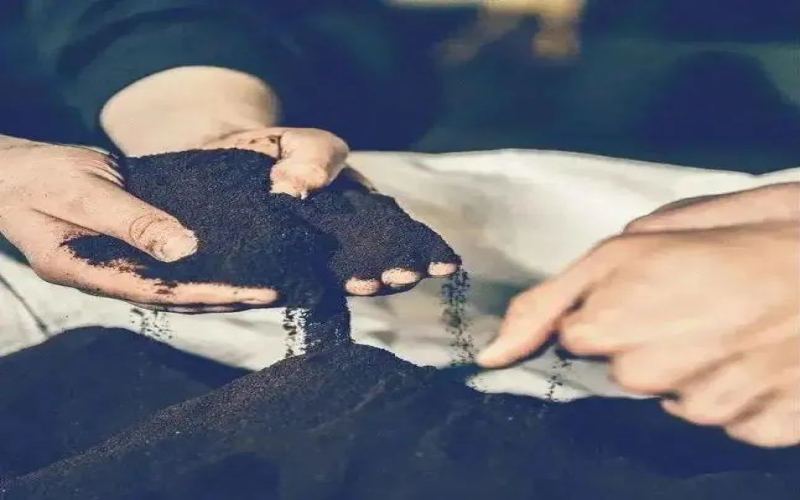
Coffee Grounds Drive Coffee Roasting: Japanese Company Teams Up with University to Develop Biochar Fuel, Claims Zero Carbon Emissions
As the most common waste product in coffee shops, coffee grounds generate over 8 million tons globally each year, and their disposal not only consumes energy but also pollutes the environment. Over the past decade, researchers have continuously explored ways to reuse coffee grounds, from blended fuels to eco-friendly boards, from clothing fabrics to food utensils, coffee grounds are transforming into a new eco-friendly favorite across multiple industries. A Japanese coffee roasting company has teamed up with a research team from Kindai University to develop a biochar fuel made from coffee grounds, and claims that the carbon dioxide released during combustion can be offset by the amount absorbed during the growth of coffee plants, thereby achieving zero carbon dioxide emissions. This "fighting magic with magic" environmental approach—how exactly is it achieved? [more…]
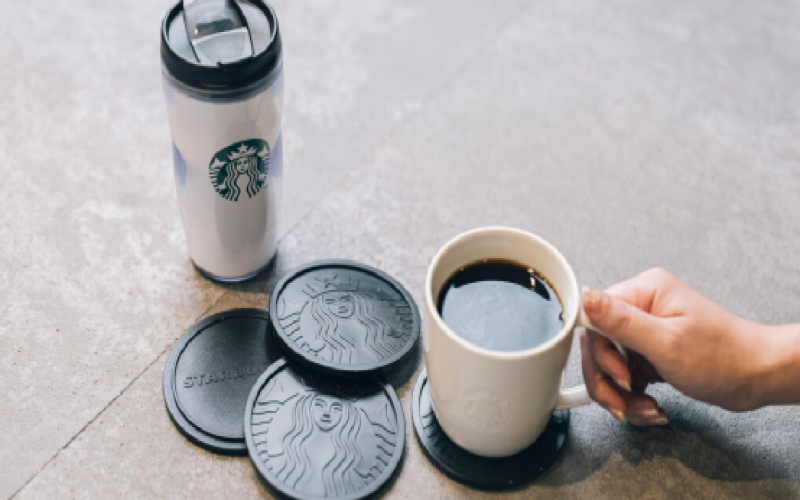
Starbucks Upgrades Its Environmental Practices Again: Discarded Reusable Cups Recycled into Coasters, Coffee Grounds Turned into Straws and Cakes
As the world's largest coffee chain brand, Starbucks consumes an astonishing amount of materials in its daily operations, with plastic products being a significant component. In recent years, Starbucks has continued its transformation into an environmentally friendly brand, constantly introducing new initiatives in resource recycling. Starbucks Japan recycles discarded tumblers into coasters, while coffee grounds are used for composting to grow carrots and make cakes for sale; Starbucks China processes coffee grounds into cold drink straws. Additionally, Starbucks is accelerating the opening of "Green Workshop" stores, using discarded items from other stores for creative upcycling. These practices not only reduce carbon emissions but also demonstrate to consumers more possibilities for waste recycling, offering considerable inspiration to the coffee industry. [more…]
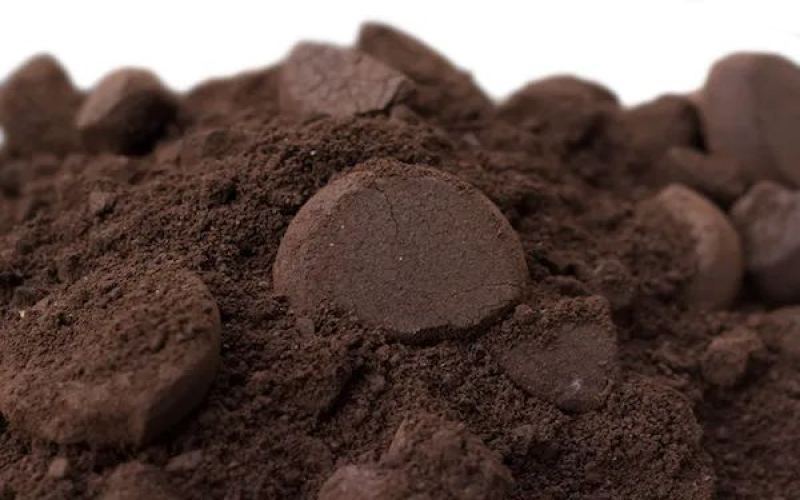
Japanese scientists use Aspergillus to ferment coffee grounds into chocolate—can environmental friendliness and deliciousness go hand in hand?
Around 2.25 billion cups of coffee are consumed worldwide every day, and with that comes a massive amount of spent coffee grounds. Traditional recycling methods—such as deodorizing, exfoliating, or making furniture—often require drying, which actually releases carbon dioxide. Japanese scientist Tetsuji Ishigaki has taken a different approach: using Aspergillus to ferment spent coffee grounds into a paste, then adding cocoa butter to solidify it, creating a ready-to-eat spent-coffee-ground chocolate. This product, called COLEHA, not only contains three times the amino acids of green coffee beans, but its polyphenols and antioxidants also reach 1.6 times those of regular coffee, and it is rich in insoluble fiber that promotes gut health. COLEHA is currently available in limited quantities, with sugar content offered in three versions—0%, 10%, and 40%—each with its own distinctive taste. This article introduces this eco-friendly and innovative spent-coffee-ground utilization technology, along with the flavor and health secrets behind it. [more…]
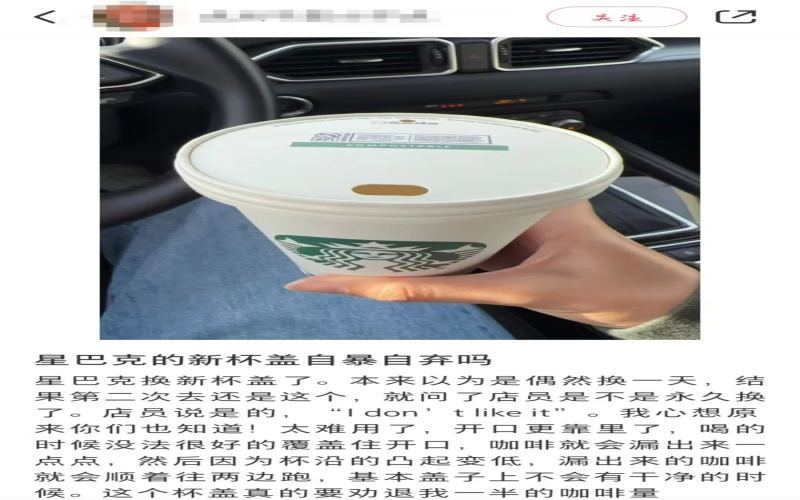
Starbucks' revised takeaway cup lid sparks debate: drinking spout moved inward, prone to leaks; cold drink cups also switching to paper lids
Recently, Starbucks quietly replaced the lids on hot beverage takeaway cups in some U.S. stores, sparking widespread discussion among consumers. The drinking opening on the new lid is positioned further inward, and the raised rim is lower, causing coffee to easily leak from the corners of the mouth when drinking, with many customers exclaiming that it is "too hard to use." At the same time, cold drink cups have also switched to white non-transparent domed paper lids and paper takeaway cups, making fans who are used to admiring the appearance of their drinks feel inconvenienced. Despite the continuous complaints, Starbucks has long been using paper tableware in France, Canada, Hong Kong and Macau, and other regions due to local environmental policies, and some customers have even switched to bringing their own cups as a result. Currently, there is no official conclusion on whether all U.S. stores will fully switch over, and there are no related plans for the mainland or Taiwan region for the time being. [more…]
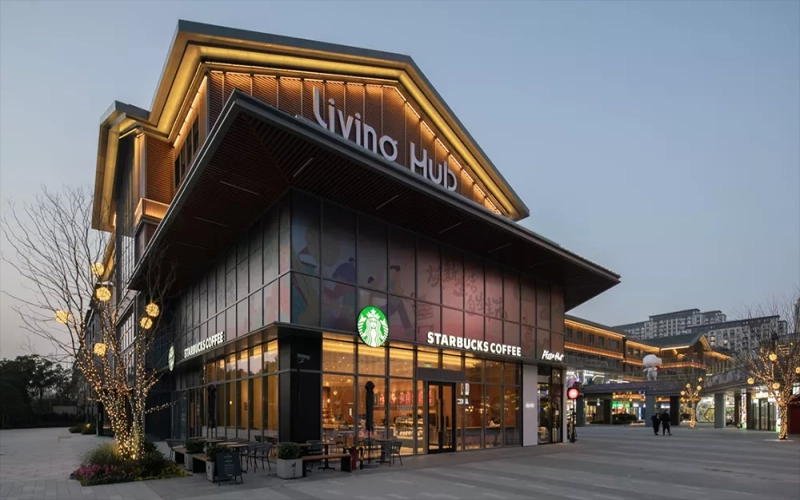
Starbucks China's second green store lands in Suzhou, a comprehensive analysis of its environmental certification system and emission reduction results
Following the "Greener Store" in Shanghai, Starbucks' second "Greener Store" in mainland China officially opened in Suzhou on January 14, marking the launch of its nationwide Greener Store development plan. Such stores must obtain the highest level of LEED certification and meet strict standards in energy conservation, water conservation, and waste treatment. For example, they use mercury-free LED lighting and low-flow faucets throughout, recycle 100% of coffee grounds, and make employee aprons from recycled PET plastic bottles. The Suzhou store also purchases green electricity through a green certificate subscription platform, and its interior uses reclaimed wood and red bricks. Compared with regular stores, each Greener Store can reduce carbon emissions by about 10.57 tons and save about 301.7 tons of water per year. Starbucks has long encouraged customers to bring their own cups, and its first Greener Store, the "Greener Store," was also the first to use paper straws and strictly implement waste sorting, setting an example for the industry. [more…]

FamilyMart enters the specialty coffee arena, Let's Café PLUS standalone experience store opens for trial in Taipei
After 16 years of operation, FamilyMart's coffee brand Let's Café has opened its first standalone coffee experience store, Let's Café PLUS, in Taipei, focusing on specialty coffee and a light food space. The store adopts a deep blue brand color scheme and offers single-origin coffee, cold brew, sparkling coffee, and other series, with the most expensive drink being the limited-edition Taiwan Yunlin Gukeng Geisha cold brew coffee. It also serves Twinings tea drinks, smoothies, and nearly 30 light food items, while continuing its environmental protection philosophy. In Taiwan, China, FamilyMart's Let's Café annual sales have reached 160 million cups, with a target of 200 million cups in 2023, and single-origin coffee is growing at an annual rate of 15%-20%. For more specialty coffee bean information, follow Front Street Coffee (FrontStreet Coffee), WeChat ID: qjcoffeex. [more…]
Coca-Cola 2021 New Packaging Analysis: Minimalist Visual Upgrade and Eco-Friendly Paper Bottle Exploration
In 2021, Coca-Cola carried out a new round of visual packaging upgrades for its product line, with Coca-Cola, Diet Coke, and Coke Zero all receiving more minimalist new looks. This redesign continues the "One Brand" strategy introduced in 2015. The most noticeable change is that the logo has been moved upward, and the classic ribbon element has been removed, giving the overall style a clean and crisp feel. In terms of color schemes, the classic version retains the red-and-white combination, the Diet version adopts red and silver, and the Zero version forms a high-contrast look with a black logo against a red background. At the same time, at the end of last year Coca-Cola also launched an eco-friendly paper bottle prototype called "Adez," jointly developed by its Brussels lab and the Danish company Paboco. It uses a paper shell with a plastic liner and a recyclable plastic cap, further conveying the concept of sustainable development. This article will compare the old and new packaging changes in detail and review these two noteworthy developments. [more…]
Don't Rush to Throw Away Expired Coffee Beans: Three Eco-Friendly Reuse Methods and Brewing Adjustment Tips for Stale Beans
Bought too much and can't finish it, or delayed by unexpected matters—before you know it, your coffee beans have passed their peak flavor period. When faced with stale beans, what details should you pay attention to during brewing? And if they've already passed their expiration date, how should you handle them? This article first shares grinding and blooming adjustment methods for stale coffee beans, helping you improve the output as much as possible despite flavor loss; then it organizes three practical and eco-friendly recycling approaches, including deodorizing, cleaning, and using as plant fertilizer, so that expired coffee beans can continue to provide value in daily life. The article also retains relevant suggestions and product information from the Front Street brand for coffee enthusiasts' reference. [more…]
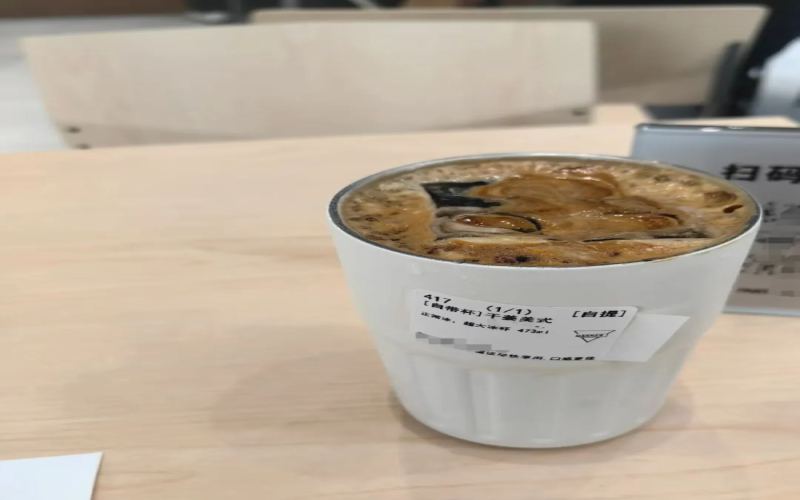
Customer Brings Own Orange Peel to Buy Manner Coffee, Refused Discount: Where Is the Boundary of Eco-Friendly Reusable Cups?
Manner Coffee's long-standing offer of a 5-yuan discount for bringing your own cup has led many consumers to develop the habit of carrying a cup for coffee on the go. However, when a customer showed up with a hollowed-out orange peel to buy an orange latte, they were denied the discount because the container did not meet the store's rules. Does this "all-natural" orange cup count as an eco-friendly bring-your-own cup? The staff refused to recognize it on the grounds that it lacked an environmental label and was kitchen waste, while the customer insisted that their creative container should be accepted. The incident sparked heated discussion online, with supporters arguing that orange peel is biodegradable and compostable, while opponents worried about food safety and the seriousness of merchant rules. This debate over a cup of coffee reflects the subtle tension between consumer creativity and merchant regulations in bring-your-own-cup culture. [more…]
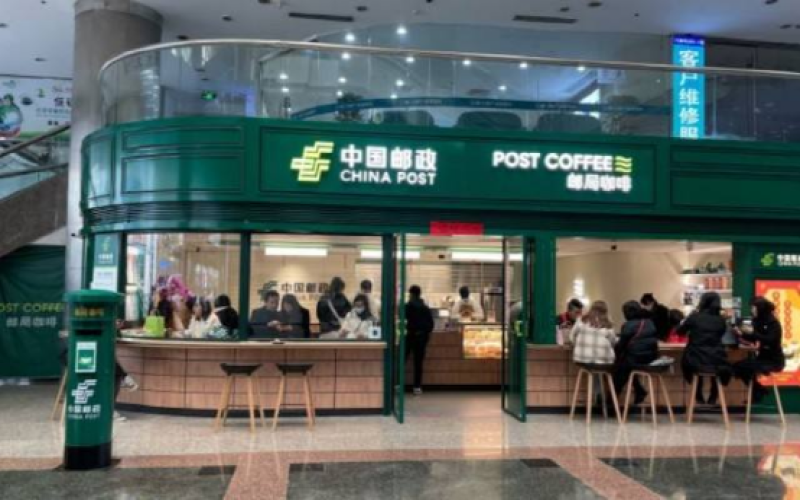
China Post opens its second coffee shop nationwide in Xiamen, launching an eco-friendly special drink in collaboration with OATLY.
Since opening China's first post office café on February 14 this year, China Post has officially entered the coffee market as a national team player. Amid an enthusiastic consumer response, the country's second post office café opened on Cat Street in Xiamen. The new store blends in with the local character of Cat Street, creating a space for cat lovers to mingle, and has partnered with oat milk brand OATLY to launch a hidden-menu eco-friendly special. At the same time, OATLY put in a strong performance in the Asian market in the first quarter, with its Barista product contributing significantly, and the brand is accelerating its expansion into diverse categories such as new-style tea drinks and plant-based ice cream. [more…]
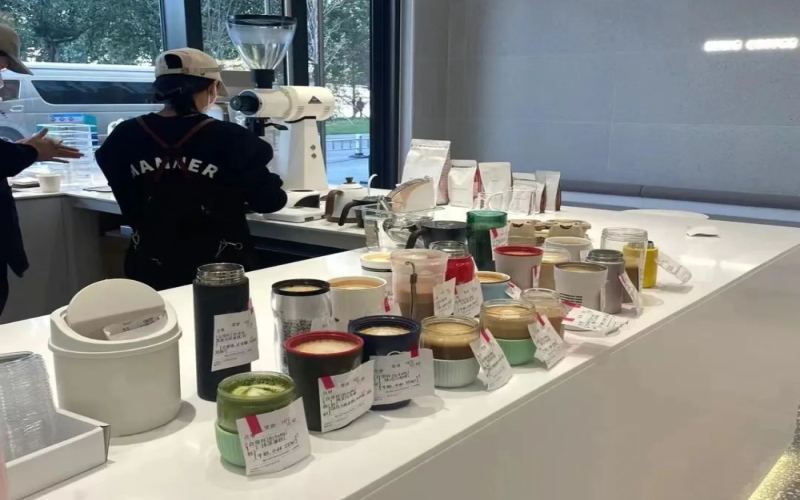
Bring-Your-Own-Cup Coffee Fun Facts: From Eco-Friendly Discounts to Bizarre Containers, Baristas Stay Calm Through Every Trick
Today, a daily cup of coffee has become a routine for many people. At the same time, more and more brick-and-mortar cafés are offering discounts to customers who bring their own cups, encouraging them to get their coffee in non-disposable cups. For consumers, bringing their own cup is both eco-friendly and saves a few bucks; for businesses, using a small discount to attract these customers can also boost repeat purchases—a win-win. Manner started offering a 5-yuan discount for bring-your-own-cup back in 2015, and Starbucks also holds a limited-time free coffee event for customers with their own cups every Earth Day. On Xiaohongshu, users have gotten even more creative, showing up with goblets, rice bowls, gourd ladles, thermoses, and even empty liquor bottles, putting on a quirky bring-your-own-cup contest. Faced with these bizarre containers, professional baristas still calmly serve the drinks. This article takes you through these amusing scenes and also discusses the environmental significance behind bringing your own cup. [more…]
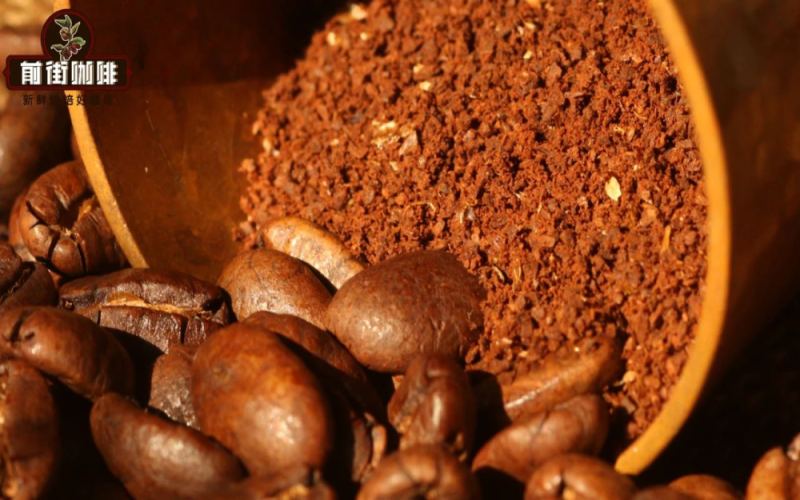
Can You Still Drink Expired Unopened Ground Coffee? Flavor Changes and Three Eco-Friendly Ways to Reuse It
Many coffee enthusiasts have encountered this dilemma: they impulsively bought too many coffee beans, or for various reasons delayed drinking them, only to find that the beans have passed their optimal flavor period. So, can unopened expired ground coffee still be consumed? How will the flavor change? This article will analyze the safety of drinking expired ground coffee from the perspectives of food safety and flavor performance, and share brewing adjustment plans for stale coffee beans. In addition, if the coffee has passed its shelf life, we will also introduce three practical and eco-friendly ways to reuse it, so that every coffee bean can be put to good use. [more…]
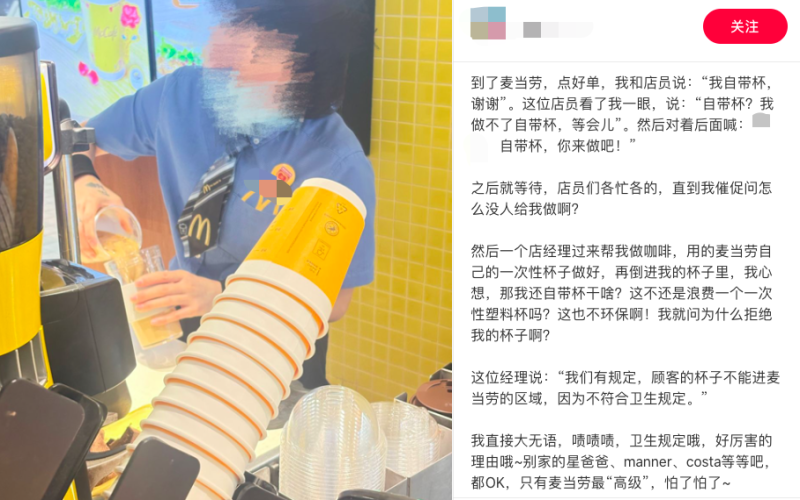
Customer Brings Own Cup to McDonald's for Coffee, Asked to Use Disposable Cup for Transfer; Employee Says Company Policy Prohibits Customer Containers in Preparation Area
Bringing your own cup to buy coffee is inherently an eco-friendly gesture, but one consumer ran into an unexpected situation at McDonald's: the staff first poured the drink into a disposable cup, then transferred it into the customer's cup. The store explained that customer containers cannot enter the preparation area due to hygiene regulations. The incident sparked widespread discussion—some understood McDonald's food safety considerations, while others felt that using an extra plastic cup defeats the original eco-friendly purpose. So how exactly should bring-your-own-cup work at fast-food restaurants? Front Street Coffee takes you through the details. [more…]
Six Major Coffee Bean Packaging Design Trends in the Post-Pandemic Era: From Serene Minimalism to Playful Whimsy
The pandemic has changed people's consumption habits, accelerating the shift of coffee bean purchases to online channels. In an increasingly competitive e-commerce environment, packaging design has become an important bargaining chip for coffee brands to stand out. Designers from 99designs by Vista, a global forum for freelance creators, discussed coffee bean packaging styles for 2022 and predicted six design directions that could dominate the market this year: serene style, text-solo style, laser style, eco-friendly style, collage style, and playful style. These styles respectively respond to consumers' current demands for inner peace, intuitive information, visual impact, sustainable development, and a relaxed atmosphere, providing valuable references for coffee brands' packaging decisions. [more…]
Coffee Culture Primer: 18 Little-Known Facts and a Practical Tasting Guide
Coffee is one of the most popular beverages in the world, yet most people know little about the story and science behind it. From an Ethiopian shepherd's accidental discovery to the curious journey of civet coffee; from the differences between Arabica and Robusta to the astonishing water consumption behind a single pound of coffee—this article will guide you through 18 lesser-known coffee facts, plus 11 practical tasting methods, to teach you how to avoid consumer traps like "100% pure coffee" and choose a truly good cup. Whether you're a casual drinker or a seasoned enthusiast, this is worth a read. [more…]