







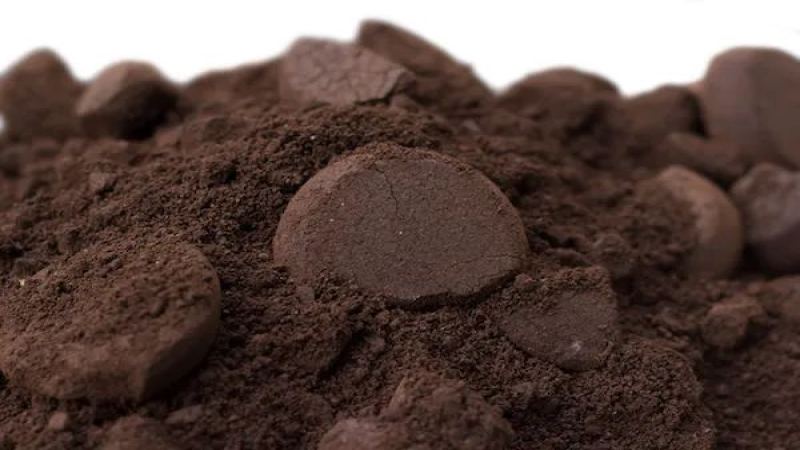
Can Used Coffee Grounds Become Chocolate Without Drying?
Japanese scientist Tetsuji Ishigaki ferments spent coffee grounds with Aspergillus into a paste, adds cocoa butter, and sets it into a ready-to-eat product called COLEHA. The approach skips the drying step that traditional reuse methods rely on, since drying releases carbon dioxide. COLEHA comes in limited quantities with sugar levels of 0%, 10%, and 40%, each giving a different taste.
The company reports COLEHA holds three times the amino acid content of green coffee beans, plus polyphenols and antioxidants at 1.6 times those of regular coffee, along with insoluble fiber that supports gut health. Global coffee consumption reaches roughly 2.25 billion cups daily, leaving large volumes of spent grounds that are often dried before reuse, a process that adds carbon dioxide emissions.
The world consumes about 2.25 billion cups of coffee every day, resulting in a massive amount of spent coffee grounds. Traditional recycling methods such as deodorizing, exfoliating, and making furniture often require drying, which instead releases carbon dioxide. Japanese scientist Tetsuji Ishigaki has taken a different approach, using Aspergillus to ferment spent coffee grounds into a paste, then adding cocoa butter to solidify it into ready-to-eat coffee ground chocolate. This product, called COLEHA, not only has three times the amino acid content of green coffee beans, but its polyphenols and antioxidants also reach 1.6 times those of regular coffee, and it is rich in insoluble fiber that promotes gut health. COLEHA is currently available in limited quantities, with sugar content of 0%, 10%, and 40%, each offering a distinct taste. This article introduces this eco-friendly and innovative spent coffee ground utilization technology, along with the flavor and health secrets behind it.
"Spent coffee grounds can be put in the fridge to absorb odors, used as a body scrub, and even to wipe away kitchen grease..." "They can even be made into fabric, shoes, furniture, cups, and straws..." "But these recycling methods are still not eco-friendly enough!" a Japanese scientist stepped forward to point out... "These types of uses require drying the spent coffee grounds first, and the drying process releases carbon dioxide into the air!"
As environmental awareness grows ever deeper, how to maximize the reuse of items has become a subject many researchers focus on. As coffee culture continues to spread, global daily coffee consumption has reached as high as 2.25 billion cups, a truly astonishing number. Every cup of coffee brewed leaves behind a large amount of spent coffee grounds. Discarding still-solid spent coffee grounds directly not only causes waste but also pollutes the environment, so the reuse of spent coffee grounds has become a hot research direction in recent years.
Carbon dioxide is already released when coffee is brewed, and if recycling spent coffee grounds also requires drying, more carbon dioxide will continue to be emitted, and carbon dioxide is the main factor causing the greenhouse effect... (I know what you want to say! Hold on, keep reading~). So, is there a way to reuse spent coffee grounds without harming the environment? Japanese scientist Tetsuji Ishigaki, President and CEO of SOI in Shizuoka, Japan, gives an affirmative answer: yes! Use Aspergillus to ferment spent coffee grounds into a paste, then add cocoa butter to solidify it, making a block-shaped ready-to-eat coffee. Because cocoa butter is added, we can also call it spent coffee ground chocolate.
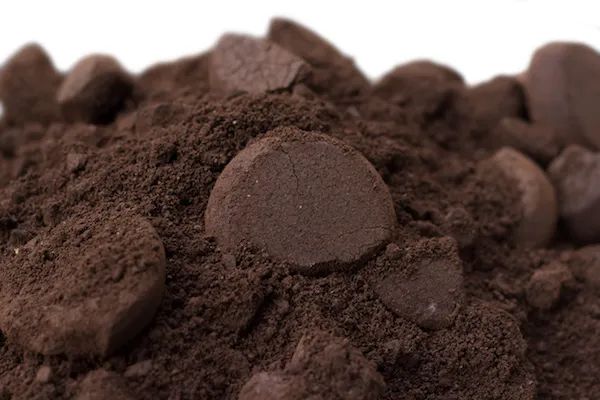
Spent coffee grounds are essentially the woody fiber of coffee beans, so eating them directly would inevitably taste bad. Therefore, Tetsuji Ishigaki added Aspergillus, commonly used in brewing sake, soy sauce, and other fermented foods, to the spent coffee grounds. Aspergillus can not only soften the coffee fiber but also make the coffee paste taste richer. During fermentation, Aspergillus reproduction produces various enzymes that convert proteins into amino acids, creating a rich umami and making the overall flavor of the coffee paste more intense. Tetsuji Ishigaki's testing and research on samples found that the amino acid content in the coffee paste is about three times that of green coffee beans, and these coffee pastes also have certain health benefits!
Laboratory analysis shows that the polyphenol content, health-promoting compounds, and antioxidant content in the coffee paste are 1.6 times those of regular coffee. In addition, 94% of the coffee paste is insoluble fiber, which helps gut health. In terms of caffeine, every 22 grams of spent coffee ground chocolate contains 50 milligrams of caffeine (a 225-milliliter pour-over coffee brewed with 15 grams at a 1:15 coffee-to-water ratio contains about 60-90 milligrams of caffeine). Generally speaking, eating this chocolate in the afternoon to refresh yourself will not affect sleep at night. After proper fermentation, these coffee pastes are pasteurized, then mixed with cocoa butter and solidified into shape. Although still in the experimental stage, this spent coffee ground chocolate has begun limited sales under the name COLEHA. The sales location is precisely the coffee shop that provides spent coffee grounds to the laboratory.
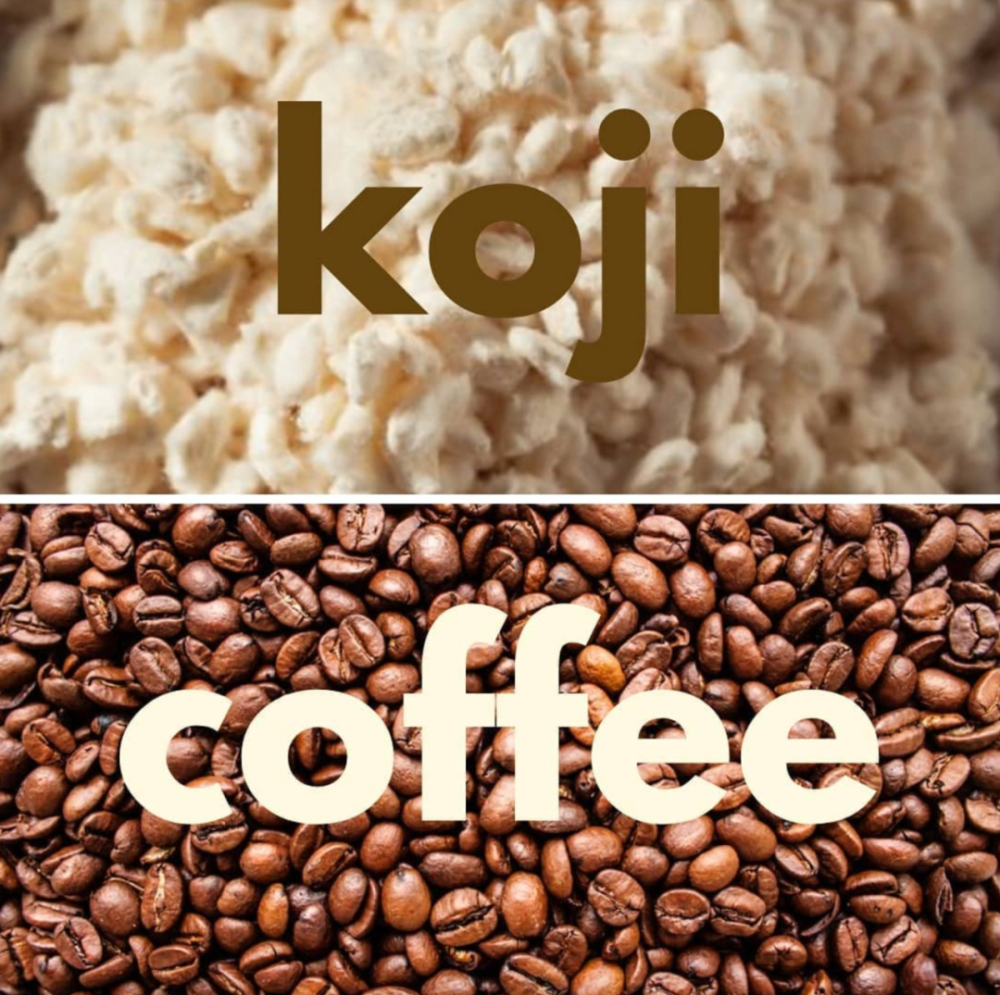
To satisfy consumers' different tastes, COLEHA comes in three types, with sugar content ranging from 0% to 40%. The 0% sugar version tastes like coffee-flavored dark chocolate, with a slight acidity characteristic of high-quality coffee. The 10% sugar version has fruity and milky notes. The 40% sugar version presents caramel flavors. In the five months since this spent coffee ground chocolate was launched, it has consistently received positive reviews from consumers. Fermentation techniques have long been widely used in Asia, and Japan has also conducted in-depth exploration in research on naturally fermented health foods. With the help of Aspergillus, one kilogram of spent coffee grounds can produce 115 pieces of COLEHA (22 grams per piece). If this technology can be promoted and widely adopted globally, then Cocoa farmers say??? Sorry, I digress! Then 1.7 trillion COLEHA bars could be produced each year, which seems both eco-friendly and substantial! Drinking layered, complex coffee and eating chocolate made from spent coffee grounds, the double happiness of coffee lovers arrives in an instant!!
(I guess you'll want the header image!)
Image source: Internet
For professional coffee knowledge exchange and more coffee bean information, please follow Coffee Workshop (WeChat public account: cafe_style)
For more specialty coffee beans, please add the private WeChat Front Street Coffee (FrontStreet Coffee), WeChat ID: kaixinguoguo0925
The above content is compiled by CoffeeHunters, a coffee news website.


