







Can washing coffee machines solve single-use cup waste?
Starbucks has launched a deposit cup program with dedicated washing coffee machines in stores, letting customers rinse their cups after finishing and take them away. The test starts at Arizona State University and select stores in Hawaii, after earlier deposit and borrowing schemes in South Korea, Europe and the US fell short of targets.
Starbucks Korea began offering reusable cups in June 2021 with a small deposit returned through contactless kiosks, but the process proved cumbersome and staff reported extra workload. Starbucks mainland China has now rolled out paper straws and direct-drink lids, cutting about 200 tons of plastic a year, while the 2025 environmental targets remain unconfirmed.
Starbucks has been exploring ways to reduce single-use cup usage in recent years, from deposit cups in the South Korean market to cup borrowing programs in Europe and the United States, but none have achieved the expected results. Now Starbucks has launched Plan C—introducing dedicated cup-washing machines in stores, where customers can wash their cups themselves after finishing their coffee and take them away, though a deposit is still required. The program will first be tested at Arizona State University and select stores in Hawaii. Meanwhile, Starbucks mainland China has fully rolled out paper straws and direct-drink lids, which can reduce about 200 tons of plastic annually. Whether the environmental path can meet its targets by 2025 remains to be seen.
This plan was initially launched in South Korea, because even before the pandemic outbreak, South Korea had already proposed a "plastic restriction order," but due to the impact of the pandemic, this policy was shelved for more than a year. It was not until this year that the South Korean government officially announced that it would implement the "plastic restriction order" for major chain restaurant companies in June.
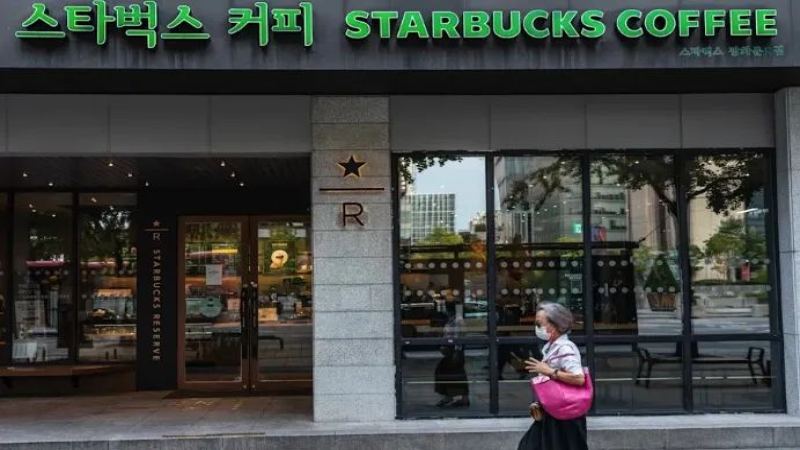
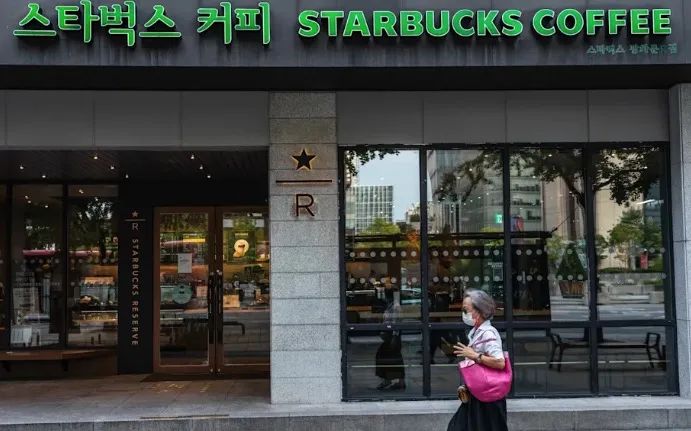
South Korea is Starbucks' fifth-largest market globally, with more than 1,500 stores. Last year, Starbucks, in line with South Korea's "plastic restriction order" plan, took the initiative to launch supportive actions. In June 2021, Starbucks Korea began offering reusable cups, but customers needed to pay a "small deposit," and after use, they could return the cups to contactless kiosks to get their deposit back.
However, due to the cumbersome process, initial consumer response was lukewarm, and some even found it troublesome because they had to make a special trip to a contactless kiosk to return the cup. After receiving feedback, Starbucks and the South Korean government adjusted the plan: after use, customers only need to return the Starbucks cup to any Starbucks store to get their deposit back, with no time limit. It also stated that if you find a Starbucks cup on the street, you can also take it to any store to return it and claim the deposit. But this approach also seems unreasonable, because employees reported that it increased their workload and believed that return time periods should be specified to avoid store peak hours.
After this action proved impractical, Starbucks upgraded its environmental plan and rolled out Plan B—Borrow a Cup—in stores in multiple locations including Seattle, Japan, Singapore, and London. Consumers who want to take away drinks must pay a $1 deposit to take the cup with them (essentially making it "mandatory"). But as long as consumers return the cup to any store after use, they can not only get their deposit back but also receive an extra 10 stars (points) as a reward, and these stars can be redeemed for certain drinks and food once they accumulate to a certain amount.
The difference between Plan A (implemented in South Korea) and Plan B is only the extra star reward; essentially they are equally cumbersome, so consumer support in various regions seems less than ideal. Starbucks also realized that this approach is rather troublesome for both consumers and employees.
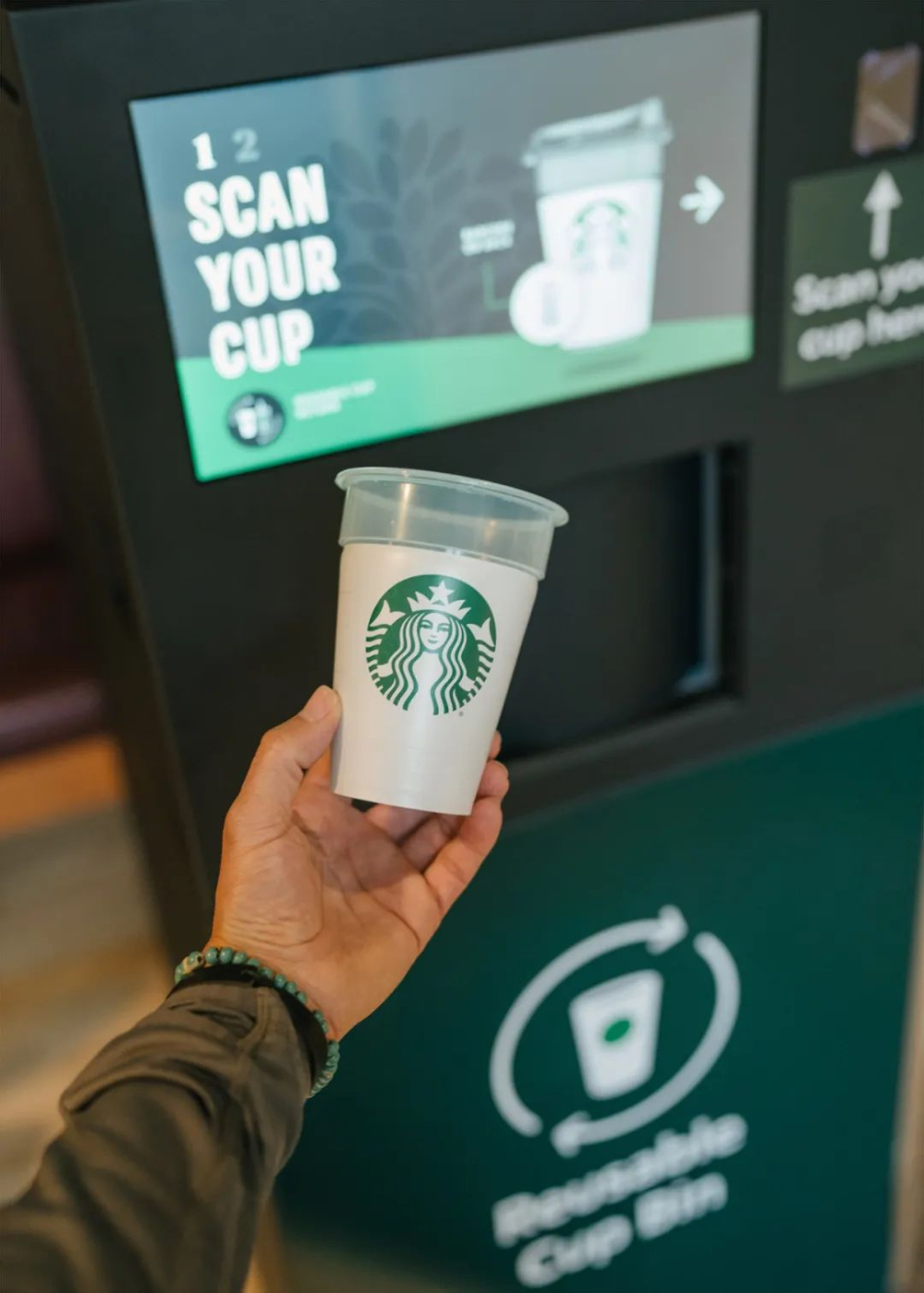
So, Starbucks Chief Sustainability Officer Michael Kobori said on Tuesday (March 15) that they have a new plan to encourage consumers to use reusable cups. This time, Plan C is different from A and B because it introduces dedicated cup-washing machines, and consumers can wash their cups themselves in the dedicated machines after drinking and take them away.
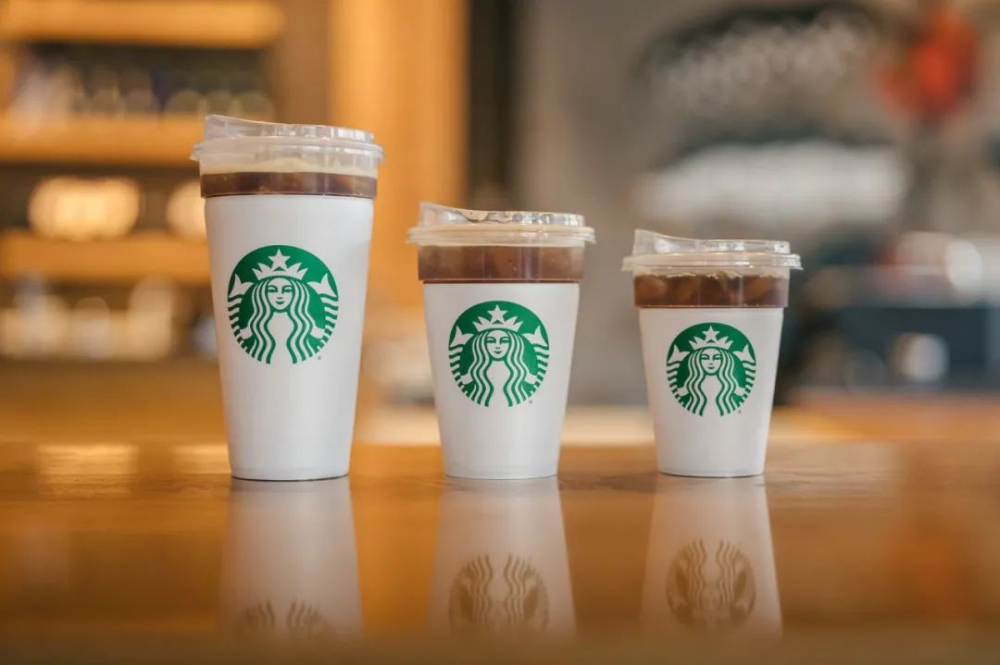
But a deposit is still required for the cup, and everyone thinks that when the cup is very old, they can return it to Starbucks and get the deposit back or exchange it for a new cup. The plan to introduce "dedicated cup-washing machines" will temporarily be tested at stores on the Arizona State University campus and some stores in Hawaii.
Many netizens responded that this activity is indeed environmentally friendly, but it's inconvenient! Going to a coffee shop to buy a cup of coffee still requires returning the cup back and forth, and it feels very unhygienic.
Previously, in a topic discussion on "Starbucks reusable cups" initiated by Sina Tech, 32,000 people participated, of whom 20,000 did not agree with Starbucks' reusable cup action, because reusing cups is unhygienic.
But as the world's largest coffee chain brand, Starbucks also attaches great importance to cup hygiene. On March 4, 2020, due to concerns about the spread of the novel coronavirus, Starbucks announced that it would temporarily stop using personal cups in stores. This was also the first time since the launch of its bring-your-own-cup policy in 1985 that Starbucks suspended customers bringing their own cups to stores to buy drinks.
On one hand, not allowing personal cups, while on the other hand encouraging everyone to use reusable cups—it feels like something is off, but it's hard to say exactly what. Although Starbucks said these recovered cups will be handled in cooperation with the recycling company GO Box, and each recovered cup will be cleaned and disinfected before being returned to stores within 48 hours for the next use, in order to reduce the waste of single-use cups.
Friends in other regions may not know this, but Guangdong friends, who have the gene of "when eating out, no matter whether the tableware is clean or not, they must rinse it with tea," probably feel a bit uneasy looking at these reusable cups.
At present, all Starbucks stores in mainland China have fully adopted paper straws made of more environmentally friendly materials and direct-drink lids specially developed to replace plastic straws. According to statistics, this can reduce the use of about 200 tons of plastic annually.
Whether Starbucks, which has always been committed to environmental protection, can achieve its goals by 2025 still needs to be verified by time.
Image source: Internet
For professional coffee knowledge exchange and more coffee bean information, please follow Coffee Workshop (WeChat public account cafe_style)
For more specialty coffee beans, please add private WeChat Front Street Coffee (FrontStreet Coffee), WeChat ID: kaixinguoguo0925
The above content is compiled by CoffeeHunters, a coffee news website.


