







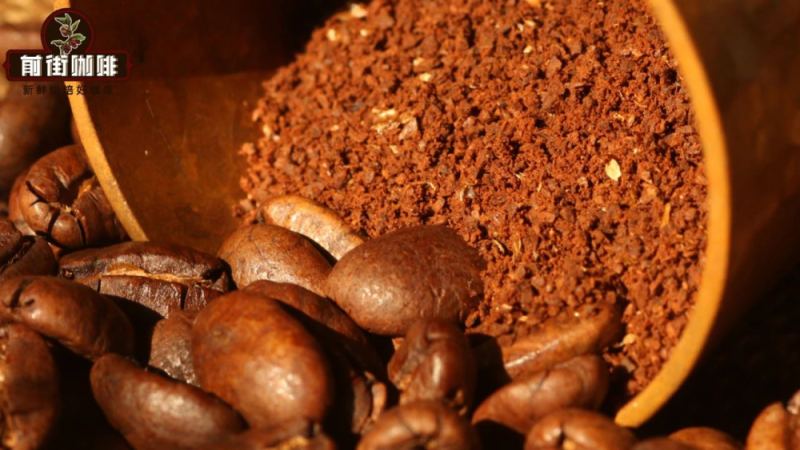
Is expired unopened ground coffee still safe to drink?
Expired unopened ground coffee is generally safe to drink from a food safety standpoint, since roasted coffee usually carries a shelf life of about one year. Flavor is the real loss: carbon dioxide escapes over time and aromatic compounds fade, so the cup tastes flat and dull rather than spoiled.
Roasted beans hold decent flavor for roughly 40 to 50 days when sealed and kept from light and moisture, while an opened bag starts fading near 30 days and the bloom no longer expands. Adjusting the extraction method can make stale coffee easier to drink, and spent grounds can be reused in three practical, eco-friendly ways.
Many coffee lovers have encountered this dilemma: an impulse buy leaves them with too many coffee beans, or various circumstances delay the brewing, and by the time they notice, the beans have passed their peak flavor window. So, can unopened ground coffee that has expired still be consumed? How will the flavor change? This article will examine the safety of drinking expired ground coffee from two angles—food safety and flavor performance—and share brewing adjustments for stale coffee beans. Additionally, if the coffee has passed its expiration date, we'll introduce three practical and eco-friendly ways to reuse it, so that every single bean can be put to good use.
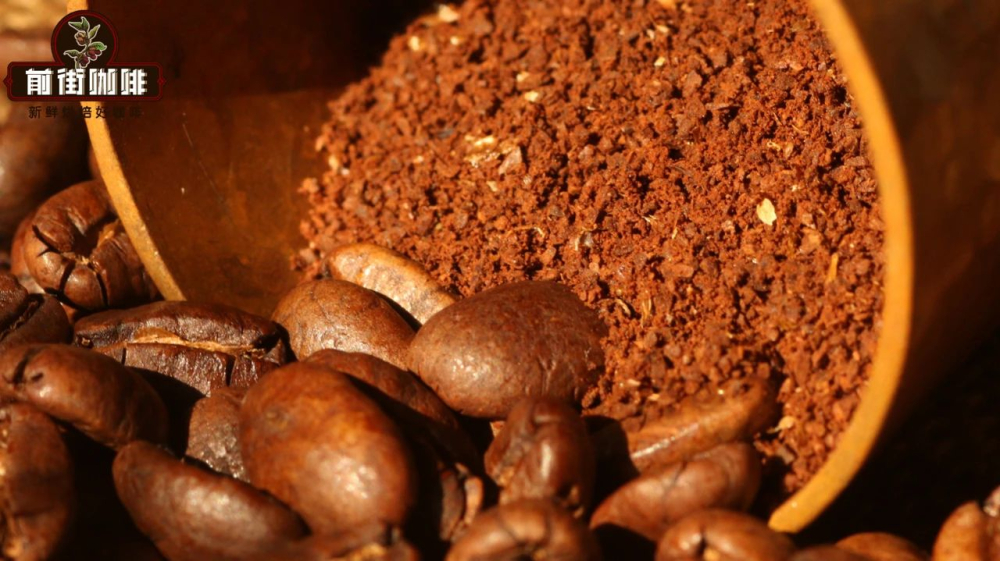
Although "people who truly love coffee won't let their beans go stale," reality often has other plans—you stock up during a sale, or illness delays your enjoyment, and by the time you realize it, the beans have long passed their prime. So, can these "expired" beans still be brewed?
We emphasize drinking fresh coffee because fresh beans deliver a superior flavor complexity. Over time, the carbon dioxide inside the beans gradually escapes, and aromatic compounds dissipate along with it. When the carbon dioxide is nearly depleted, the beans have entered a stale state. Coffee brewed from such beans tastes flat and dull, far from its original charm.
Generally speaking, 60 days after roasting is the limit for preserving coffee bean flavor, and some strict enthusiasts even consider 30 days the dividing line. According to Front Street's testing experience, most coffee beans, as long as they are properly sealed and kept away from light and moisture, can still maintain decent flavor within 40 to 50 days, without developing obvious stale off-flavors. However, if the bag is opened and not resealed promptly, the coffee will start to lose its flavor at around 30 days, and the bloom will no longer expand—a typical sign of stale beans.
Front Street would like to clarify one point: stale coffee beans do compromise flavor, but from a food safety perspective, they are still safe to drink. Generally, roasted coffee beans have a shelf life of about one year, so you can rest assured about their safety for consumption. As for the flavor decline, while we can't restore freshness to the beans, we can improve the taste by adjusting the extraction method, making the coffee easier to drink.
As mentioned earlier, stale coffee beans won't expand during the bloom, and the coffee bed barely reacts when water is poured. Many people believe the purpose of blooming is to release gas, so they simply skip this step when brewing stale beans. But in fact, when brewing stale coffee beans, the pouring technique during the bloom stage deserves even more attention.
On the surface, the bloom step is about degassing, but its real purpose is to saturate all the coffee grounds with water—both the surface and the core. When gas escapes, the coffee bed expands, the gaps between particles compress, and the flow rate into the server slows down, giving water enough time to penetrate into the core of the coffee particles.
With stale coffee beans, however, there is almost no reaction after pouring. Water rushes through the gaps between particles into the server, with no time to seep into the core. The result is that the coffee grounds look wet on the surface but remain dry inside, and the brewed coffee naturally lacks flavor.
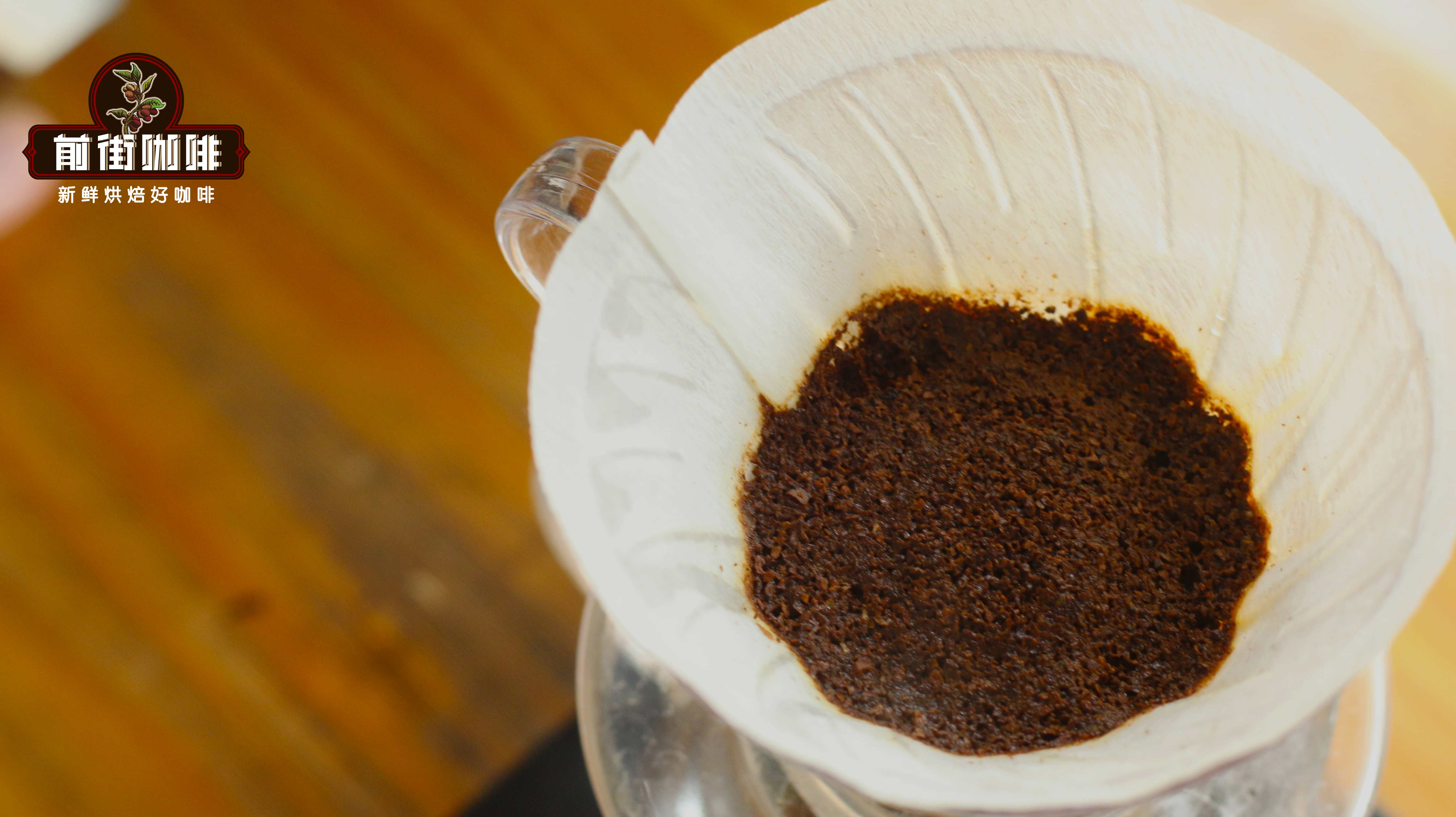
During subsequent pours, due to the lack of gas release, the foam appears very thin, and most of the coffee grounds tend to settle at the bottom, clogging the drainage holes. This can easily lead to over-extraction, producing bitterness and off-flavors.
To summarize, when dealing with stale coffee beans, the following adjustments can be made. First, grind size: Front Street recommends grinding coarser than usual. For example, Front Street normally uses a 10 setting on the EK grinder; now adjust it to 10.5 to avoid the bitterness and off-flavors caused by clogging.
During the bloom stage, extend the pouring time as much as possible—use a slower flow rate so the water has ample time to saturate the coffee grounds. The soaking time should not be too long. Based on Front Street's testing, with 15 grams of coffee and 30 milliliters of water, pour over 13 seconds, then wait 5 to 7 seconds before continuing to pour. The total bloom duration is about 20 seconds.
Then pour as usual, but keep one thing in mind: don't pour in too wide a circle, or you may wash the already-thin coffee bed back to the bottom, creating even more clogging. Also, don't raise the water level too high, because stale coffee grounds mostly lack "vitality" and will quickly sink. Raising the water level won't provide enough coffee grounds to form a filter wall, and some water will flow along the ribs instead—one of the reasons the coffee tastes thin and bland.
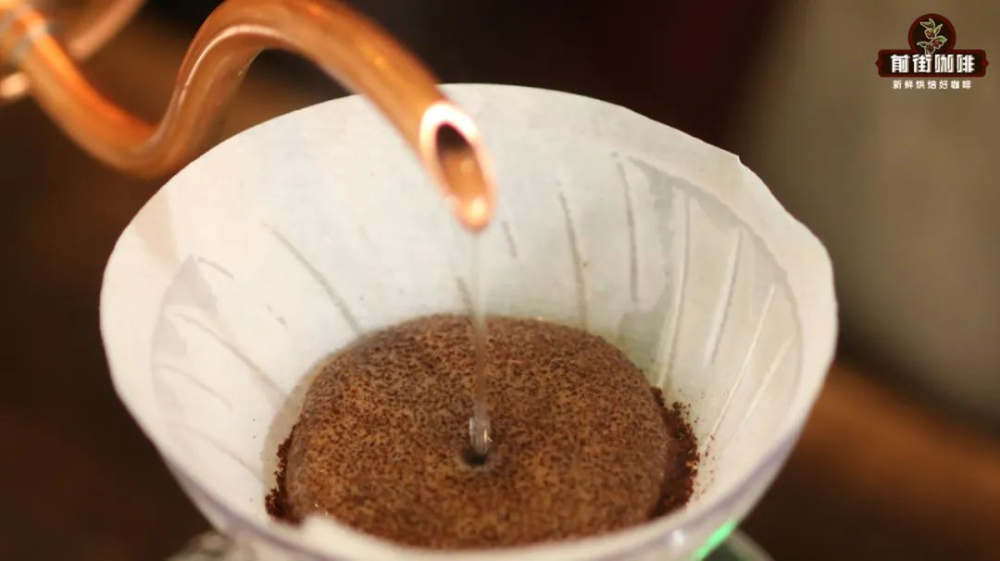
This method only makes adjustments based on the state changes during brewing and offers some improvement over the usual approach, but the flavor that has dissipated from stale coffee beans cannot be rescued through technique alone.
If the coffee beans in our hands have not just passed their peak flavor window but their expiration date, then we can't handle them as Front Street described above. The best approach is to use them for other purposes. Here, Front Street has summarized three practical and eco-friendly recycling methods for you to choose from.
Method One: Deodorizing
Placing coffee grounds in an ashtray can eliminate the smell of smoke, and when you stub out a cigarette, it releases a coffee aroma. Many coffee shops do this, and it also helps extinguish cigarette butts. After repeated use, an oven becomes coated with grease and lingering odors. Put a tray of coffee grounds in the oven and bake them to effectively remove residual food smells. For pet owners, the most troublesome task is cleaning up the foul-smelling waste. In fact, simply sprinkling some coffee grounds after cleaning up the waste can reduce the odor problem.
Method Two: Cleaning
Wrap ground coffee in gauze and wipe stovetops and pot lids to effectively remove grime; using brewed expired coffee to rinse sinks and toilet drains has a cleaning effect. Similar items can all be cleaned using expired coffee beans.
Method Three: Plant Fertilizer
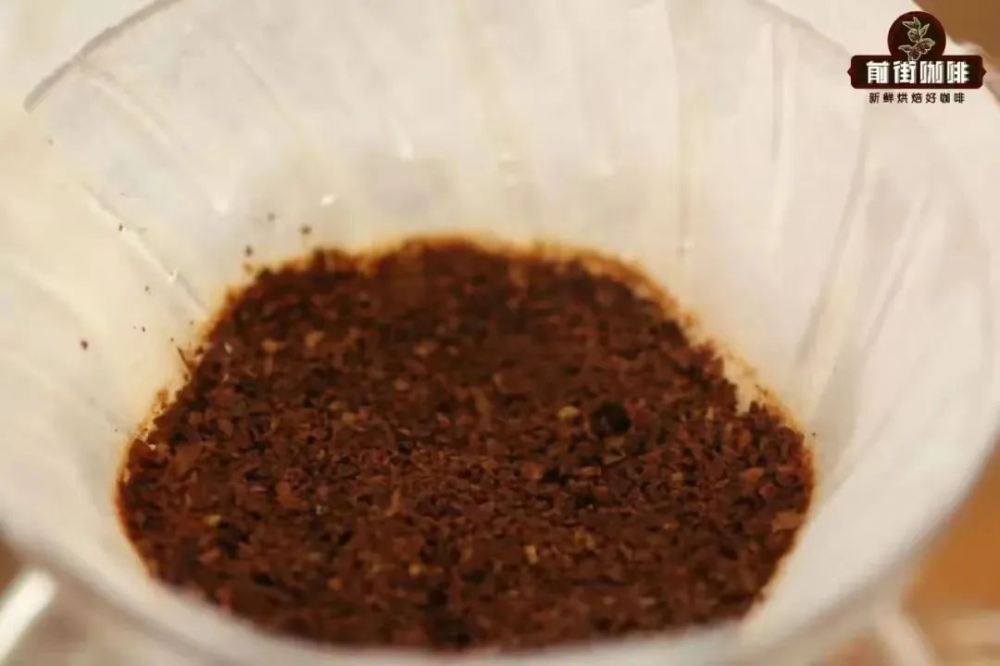
Coffee beans contain nutrients that plants need to grow. Simply crush expired coffee beans and sprinkle them into flower pots—they act as fertilizer without any unpleasant odor. If you spread them in a ring around the base of the plant, it can also help keep pests away.
The above content is compiled by CoffeeHunters, a coffee news website.


