







What Are Coffee Grades and How Does Starbucks Handle Green Bean Coffee Waste?
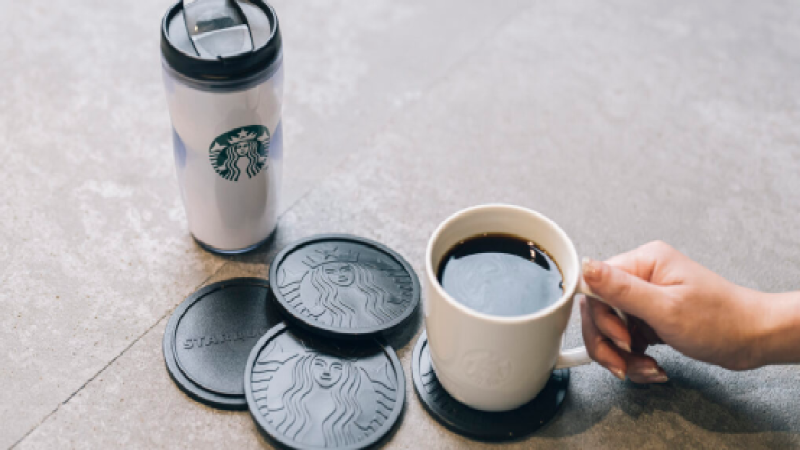
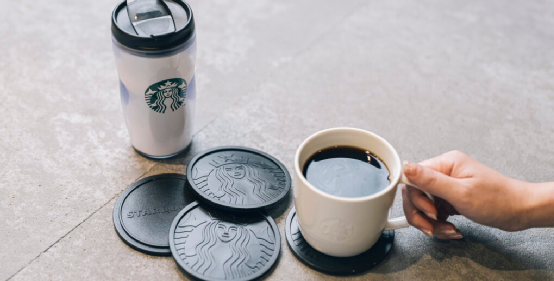
Starbucks has expanded its recycling efforts in several markets. Starbucks Japan collects used tumblers and turns them into coasters, sold from April 20, 2022 at the online store and selected shops, with a set of four priced at 2,600 yen. Coffee grounds are composted to grow carrots that become cakes, and Starbucks China processes grounds into straws for cold drinks.
The chain also keeps opening Greener Stores that reuse discarded fixtures from other locations. Because Starbucks is both a major buyer of green bean coffee of many grades and a heavy user of plastic, these programs cut carbon emissions and show how waste can be reworked. For the wider coffee industry, the schemes offer practical ideas for handling grounds and packaging at store level.
As the world's largest coffee chain brand, Starbucks consumes an astonishing amount of materials daily, and plastic products are a significant part of that. In recent years, Starbucks has continued its transformation into an eco-friendly brand, rolling out new initiatives in resource recycling. Starbucks Japan recycles used tumblers into coasters, while coffee grounds are composted to grow carrots that are then made into cakes for sale; Starbucks China processes coffee grounds into straws for cold drinks. In addition, Starbucks is accelerating the opening of "Greener Stores," using discarded items from other stores for creative reuse. These practices not only reduce carbon emissions but also show consumers more possibilities for waste recycling, offering plenty of inspiration to the coffee industry.
As one of the world's largest coffee chain brands, Starbucks consumes far more materials every day than most people can imagine. Coffee beans are certainly the largest raw material consumed by its stores on a daily basis, but at the same time, Starbucks is also a major user of plastic products. Today, Starbucks is gradually moving toward a brand positioning focused on ecological and environmental protection. Since it has launched so many tumblers in the past, it is only natural that Starbucks itself should take responsibility for where those cups ultimately end up.
Starbucks has always been professional when it comes to selling merchandise, releasing a complete new series of cups at regular intervals, and most of these products contain plastic components, such as tumbler lids. Adhering to the principle that the waste generated by its own consumption should be handled by itself, Starbucks has this time turned recycled waste into coasters. Unfortunately, however, this "recycled coaster" is currently only available at Starbucks stores in Japan.
According to an announcement posted on Starbucks Japan's official website, starting April 20, 2022, consumers can purchase this specially made "recycled coaster" at the Starbucks online store and selected physical stores. A set of four coasters is priced at 2,600 yen, about 132.6 yuan. It should be noted that this coaster is available in limited quantities and will be sold while supplies last.
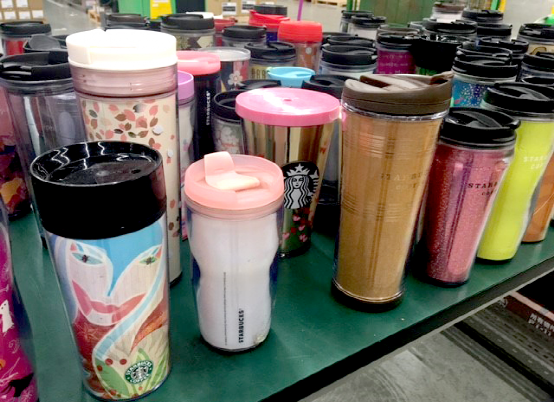
To produce this coaster, Starbucks Japan launched a campaign at about 500 stores nationwide starting in June 2021 to collect discarded Starbucks cups from customers, lasting until August of that year, collecting a total of about 2 tons (roughly 7,000 pieces) of discarded tumblers.
When processing these recycled cups, the rubber pads at the bottom of the tumblers and the paper components in the double-layer structure must be removed one by one by hand.
Afterward, the plastic parts are crushed, cleaned, and processed into the form of fine particles.
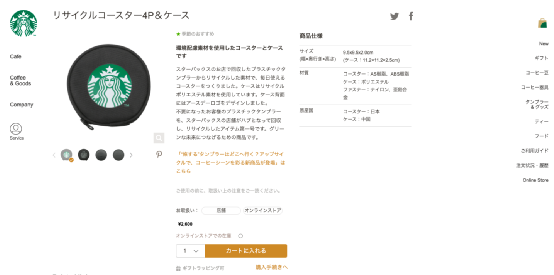
Once this plastic is transformed into small plastic pellets, they are transported to a factory in Chiba Prefecture, Japan. In the end, this plastic embarks on a brand-new journey, turning into brand-new coasters.
In order to build a green Earth, Starbucks has been taking constant action in recent years. To achieve its goal of reducing waste by 50% by 2030, Starbucks has become increasingly active in the field of resource recycling.
As everyone knows, the most abundant waste produced by coffee shops every day is coffee grounds, and Starbucks is certainly no exception. Starbucks Japan recycles coffee grounds for composting, using them to grow carrots, and then processes these carrots into "carrot cake" for sale.
Starbucks China also performs outstandingly in resource recycling, recycling coffee grounds into "grounds straws" for cold drinks. What could be more fun than drinking coffee through a straw made from coffee grounds? This move can both enhance the brand image and save costs to a certain extent—truly killing two birds with one stone.
In addition, to further reduce carbon emissions, Starbucks has also accelerated the pace of opening "Greener Stores" around the world. These "green-certified" Greener Stores also use discarded items recycled from other stores—for example, tables retired from other stores become bar countertops in the brand-new Greener Stores.
Starbucks is gradually transforming from a coffee company into a recycling company that sells coffee. While reducing carbon emissions, it is also spawning more and more new ways to recycle waste, truly impressing consumers. After all, before the "grounds straw" came out, how many people knew that coffee grounds could be used this way?
Image source: Internet
For more coffee bean information, please follow Coffee Workshop (WeChat public account: cafe_style) For professional coffee knowledge exchange, please add WeChat ID: kaixinguoguo0925
The above content is compiled by CoffeeHunters, a coffee news website.


