







Search Results for: COLEHA
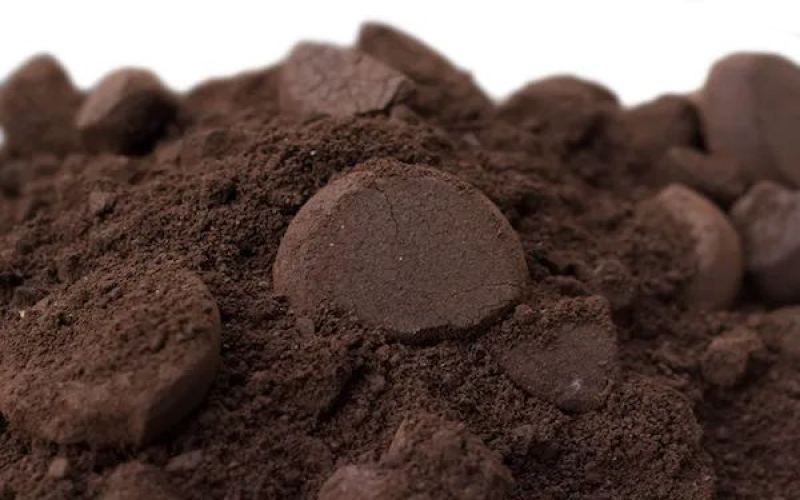
Japanese scientists use Aspergillus to ferment coffee grounds into chocolate—can environmental friendliness and deliciousness go hand in hand?
Around 2.25 billion cups of coffee are consumed worldwide every day, and with that comes a massive amount of spent coffee grounds. Traditional recycling methods—such as deodorizing, exfoliating, or making furniture—often require drying, which actually releases carbon dioxide. Japanese scientist Tetsuji Ishigaki has taken a different approach: using Aspergillus to ferment spent coffee grounds into a paste, then adding cocoa butter to solidify it, creating a ready-to-eat spent-coffee-ground chocolate. This product, called COLEHA, not only contains three times the amino acids of green coffee beans, but its polyphenols and antioxidants also reach 1.6 times those of regular coffee, and it is rich in insoluble fiber that promotes gut health. COLEHA is currently available in limited quantities, with sugar content offered in three versions—0%, 10%, and 40%—each with its own distinctive taste. This article introduces this eco-friendly and innovative spent-coffee-ground utilization technology, along with the flavor and health secrets behind it. [more…]