







Search Results for: concentration dilution
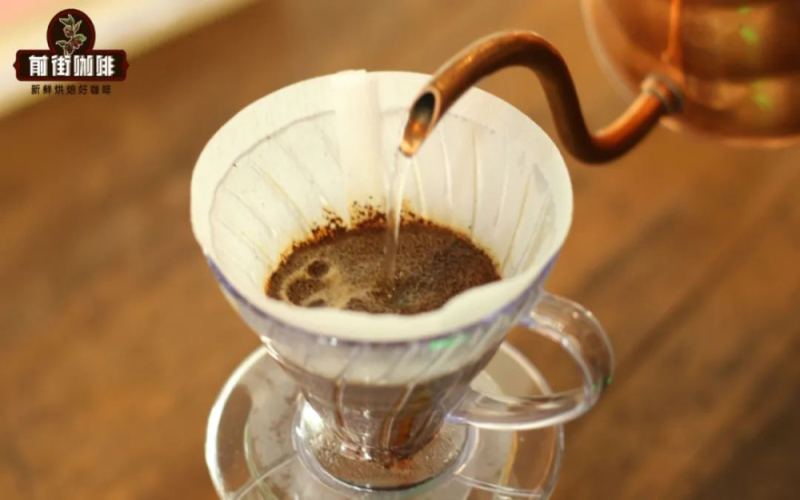
The Bypass Brewing Technique in Pour-Over Coffee: A Practical Guide to Diluting Strength, Rescuing Botched Brews, and Making Iced Coffee
In the world of pour-over coffee, besides the conventional extraction path, there is also an operation known as "bypass"—letting hot water bypass the coffee grounds and fall directly into the server, where it mixes with the already-brewed coffee liquid. This method seems simple, yet it can effectively dilute coffee that is too concentrated, allowing the flavor layers to unfold. Front Street Coffee frequently uses this technique in daily brewing; for example, when a pot of Finca Los Pirineos Geisha has an overly concentrated acidity due to improper brewing, pouring in a small amount of 80°C hot water can release the fruity notes of grape, passion fruit, and citrus. Beyond adjusting concentration, bypass is also widely used in iced coffee preparation, in rescuing over-extracted coffee caused by fine-particle clogging, and even appears in professional coffee competitions. But note that it is not a cure-all—when faced with severely over-extracted or under-extracted coffee, bypass pouring is powerless. This article will systematically analyze the principles, applicable scenarios, and key operational points of bypass, helping you control coffee flavor more flexibly. [more…]
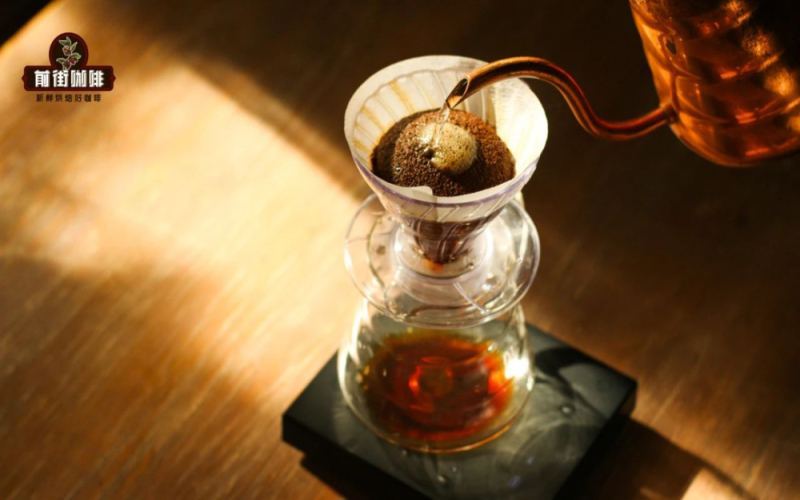
High-Concentration Low-Extraction Brewing Method Explained: Strategies for Increasing Pour-Over Coffee Concentration and Water Dilution Adjustment Techniques
In the world of pour-over coffee, "high concentration, low extraction" is gradually becoming a highly regarded brewing approach. What it pursues is giving the coffee liquid a higher concentration while keeping the extraction yield at a lower level, thereby leaving ample room for subsequent adjustments. The core of this method lies in flexibly using the coffee-to-water ratio, actively or passively changing the extraction conditions. Unlike the traditional "high extraction" approach, high concentration, low extraction places more emphasis on the coffee's margin for error—even if the concentration is on the high side, it can be easily corrected by diluting with Bypass water, avoiding a cup that is hard to drink. This article will thoroughly analyze the operational details of this brewing concept and, combined with Front Street Coffee's practical experience, help you master the complete framework of high concentration, low extraction, and make a stable and delicious pour-over. [more…]
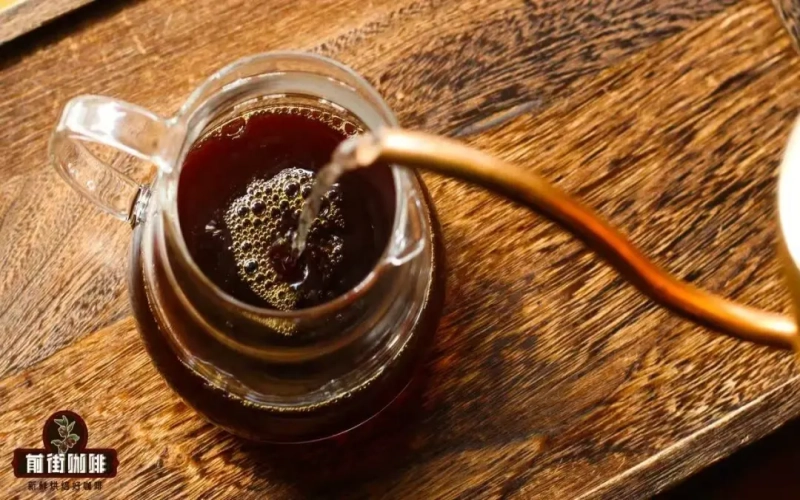
The Bypass Technique of Adding Water to Dilute Pour-Over Coffee: Why It Can Restore Flavors Masked by High Concentration
In the coffee world, adding water directly to brewed coffee has a special name—By pass. This operation bypasses the coffee grounds, does not participate in extraction, and is only used to adjust the concentration in the final cup. Many people are curious: can adding water really make coffee taste better? The answer depends on the situation—if the coffee itself is bitter and astringent, no amount of water will save it; but if the cup is properly extracted and just too concentrated, suppressing its flavors, then adding an appropriate amount of water can actually restore the deliciousness it should have. From Front Street's perspective, this article combines examples such as making Americano from espresso and adjusting concentration in pour-over to explain the sensory principles behind it and practical methods for judgment. [more…]
Comparison of Two Dilution Methods for Iced Pour-Over Coffee: Flavor Differences and Key Operational Points Between Diluting with Ice and Diluting Over Ice
On a scorching summer day, iced coffee naturally becomes a hot topic of discussion among coffee lovers. Some coffee enthusiasts have raised the question: for iced pour-over coffee, is it better to simply add ice to dilute it, or to let the coffee liquid flow over ice to dilute it? To this end, Front Street specially carried out a round of comparative experiments, selecting Costa Rican巨石 Estate coffee beans and using the same brewing parameters to prepare an add-ice group and an ice-flow group separately, conducting a comprehensive comparison from flavor performance and mouthfeel layers to operational stability. This article will break down in detail the principles, operating procedures, and experimental results of the two dilution methods, helping you make iced pour-over coffee at home that suits your own taste. [more…]

Coffee Terminology | What is bypass? Why perform bypass on a prepared coffee beverage? What are the considerations when using bypass?
As in various other industries, there are quite a few professional terms in coffee as well. We can understand so-called professional terms as a condensed expression of complex concepts. They can not only improve the efficiency of our communication, but also increase the precision of communication and reduce the chance of communication barriers arising. However, because most [more…]
What Exactly Is Bypass Water in Coffee Brewing? A Complete Analysis from Americano to Iced Pour-Over
In the coffee world, there are always some terms that leave people scratching their heads, and By pass is one of them. Literally translated as "bypass" or "detour," but what exactly does it refer to? Simply put, it describes water that does not pass through the coffee grounds and goes directly into the cup, as well as the corresponding actions. From dilution with water in Americanos, to melting ice in iced pour-over, to concentration adjustment by competition baristas and in daily brewing, By pass is everywhere. Front Street Coffee will guide you through multiple examples to fully understand the active and passive generation of bypass water, its role in extraction, and the prerequisites for its use as a remedial measure, helping you apply this technique more accurately. [more…]

Iced Americano Mixing Guide: The Golden Ratio of Espresso to Iced Water and Practical Tips
Iced Americano is a classic drink for cooling down and refreshing yourself in summer. It seems like a simple mix of espresso, water, and ice, but in reality, there is a science to the ratios. Drawing on Front Street Coffee's experience, this article provides a detailed analysis of water-dilution schemes for coffee beans of different roast levels, explores how ice melting speed affects flavor, and offers a set of practical mixing techniques that require no complicated calculations. Whether you prefer a rich or a light taste, you can find an iced Americano method that suits you, making every cup just right. [more…]
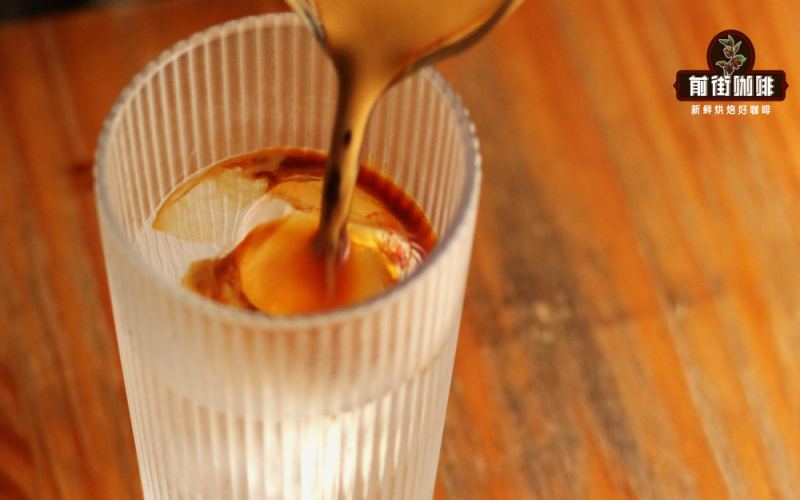
How to Make a Delicious Iced Americano: A Complete Guide from Espresso Ratios to Water-to-Ice Proportions
Americano is practically a standard offering at every coffee shop, but the flavor varies greatly from one shop to another. Some people find Americano too bitter, while others find it too weak—the key actually lies in the ratio of espresso to water. Front Street Coffee is often asked how to make iced Americano, so this time we're sharing the complete approach. The article first reviews the origins of Americano, then uses actual testing to compare the concentration and flavor performance at three dilution ratios—1:4.5, 1:6, and 1:8—to explain which ratio suits espresso beans of different roast levels. Next, it explains the difference between iced and hot Americano: melting ice will dilute the coffee, so you need to reduce the water amount and use large, hard ice cubes. Finally, it provides the specific brewing parameters for Front Street Coffee's Sunflower Warm Sun espresso blend, along with classic espresso blend recommendations suitable for Americano and latte. [more…]

How to Fix Overly Strong Pour-Over Coffee? Understanding the Correct Bypass Water Dilution Method
Friends who are just getting into pour-over coffee have probably run into this awkward situation: you accidentally brew the coffee too strong and bitter, and it tastes harsh and aggressive. Pouring it down the drain feels like such a waste, so many people think of adding some water to dilute it. In coffee circles, this operation actually has a formal name—By pass, often translated into Chinese as "旁路" (bypass). Simply put, it means letting part of the hot water bypass the coffee grounds, without taking part in the extraction, and go straight into the server or cup. It sounds simple, but when to use it, how much water to add, and how to choose the water temperature all require careful consideration. This article will go from the underlying principles to hands-on practice, combining Front Street Coffee's brewing experience to help you understand how By pass should actually be used, and why it can't save seriously over-extracted coffee. [more…]
Causes of and Adjustment Techniques for an Imbalanced Strength in Pour-Over Coffee: Bypass Dilution and How Cup Color Affects Flavor Perception
Pour-over coffee may seem easy, but brewing a satisfying cup is no simple task. Many enthusiasts are often troubled by coffee that is too strong or too weak: when too strong, the bitterness lingers and irritates the throat; when too weak, the flavor is light as water—not objectionable, yet hardly enjoyable. This article addresses these two common situations. It first analyzes the causes of coffee being too strong—often stemming from a high extraction yield that has not yet reached over-extraction—and introduces a professional adjustment technique called "bypass," which means adding water directly to the brewed coffee to lower its strength while preserving the extraction yield. Front Street Coffee also recommends adding 10-20ml at a time in stages. As for coffee that is too weak, it cannot physically be made stronger, but with the help of cup-color experiments and the visual differences between glass and ceramic cups, a red or coffee-colored ceramic cup can make the brain perceive the coffee as richer, thereby improving the drinking experience. [more…]
A Complete Analysis of Flavor Imbalance in Pour-Over Coffee: From Under-Extraction to Dilution, a Guide to Precisely Adjusting Weak Flavor
Pour-over coffee tasting thin and watery is a common frustration for many enthusiasts, and even seasoned coffee veterans can slip up. A cup with hollow flavor often stems from two core issues: under-extraction or too low a concentration. The former occurs when deviations in water temperature, grind size, time, and other parameters prevent enough flavor compounds from being released, while the latter happens when too much water dilutes the coffee's strength. Using Front Street Coffee's brewing experience as an example, this article will help you clarify the difference between these two situations and offer specific adjustment plans—from finer grinding and higher water temperature to reduced brew ratios and complementary parameter tweaks—so you can grasp the underlying logic of extraction and quickly identify and fix the problem, whether your coffee is too strong or too weak. [more…]

Complete Brewing Parameters Analysis of Ice Dosage for Iced Pour-Over Coffee and the Japanese Rapid Cooling Method
When making iced pour-over coffee, the choice and amount of ice are often the questions enthusiasts ask about most. The core role ice plays in iced pour-over is rapid cooling, not aroma preservation or insulation. Because melted ice dilutes the coffee's strength, its density and quantity directly determine the finished cup's taste and drinking experience. This article will go through the considerations for choosing ice, recommended amounts, and the complete process and specific parameters of Japanese-style rapid-chill iced pour-over, one by one. The article also uses Front Street Coffee's Geisha Village Estate Red Label Geisha as an example to share a practical approach combining high-concentration extraction with a precise ice ratio, helping you brew a cup of refreshing, full-bodied, flavor-forward iced pour-over coffee at home. [more…]
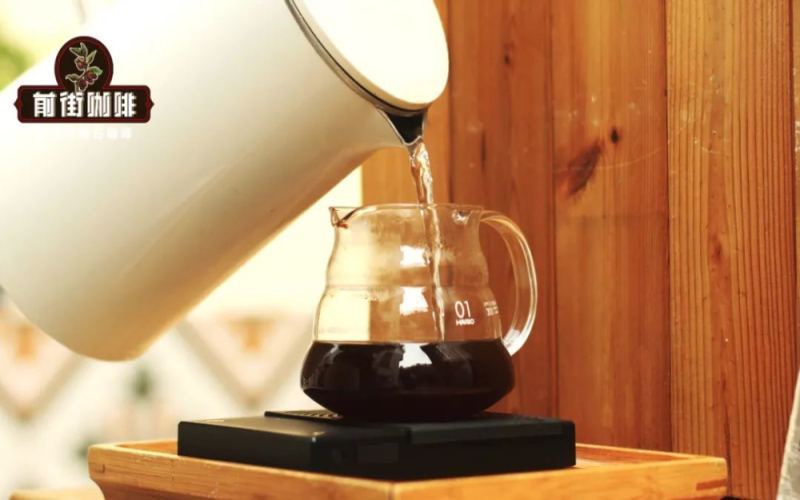
A Complete Guide to Bypass in Pour-Over Coffee: Can You Add Water After Over-Extraction? Should Bypass Water Be Cold or Hot?
When brewing pour-over coffee, many people have seen baristas add more water to the carafe after finishing the brew. This is actually called "bypass." From the perspective of Front Street, this article systematically explains the principles of bypass, common application scenarios, and emergency rescue methods, including bypass approaches for Americano and iced pour-over, as well as how to use a small amount of bypass water to salvage situations involving standing water in the final stage, excessive strength, or over-extraction. It also covers the choice of bypass water temperature and addition techniques, helping you understand the logic behind this technique, and points out that rather than relying on post-brew dilution, it is better to find the root cause of the brewing problem. [more…]
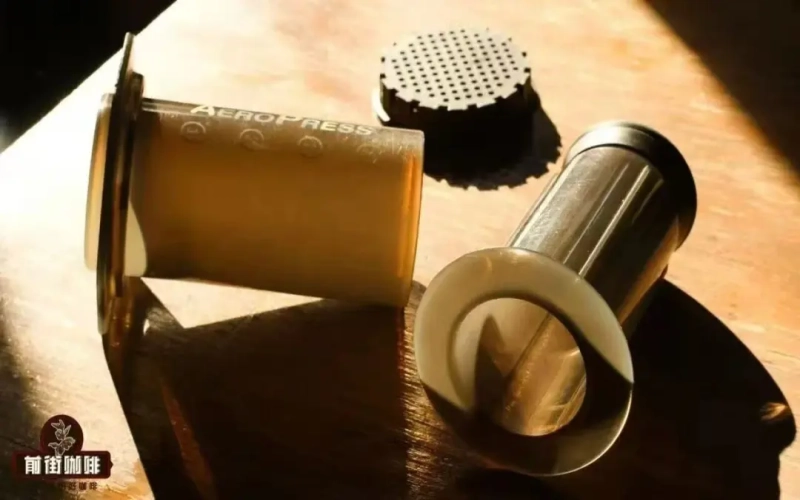
AeroPress Coffee Brewing Guide: Grind Size, Water Temperature, and Coffee-to-Water Ratio Parameters, Plus Tetsu Kasuya's Champion-Level Universal Brewing Recipe
The AeroPress, with its极高 playability, attracts many coffee enthusiasts to get involved, and the official organization even holds专属 competitions every year to see who is the best at "playing" with it. In this article, Front Street is going to share a universal extraction recipe from an AeroPress champion—this champion is none other than粕谷哲, the 2016 World Coffee Championship winner and inventor of the famous 4:6 method. This recipe adopts a high-concentration, low-extraction approach, using a large dose of coffee to extract a small amount of highly concentrated coffee liquid in a short time, then diluting it with water or ice to make a hot or iced drink. Using an Ethiopian Hamashu light-to-medium roast floral and fruity bean as an example, Front Street records in detail the dose, grind size, water temperature, extraction time, and inverted pressure operation steps, and also provides by-pass dilution suggestions and flavor tasting references. Friends who have an AeroPress at home should definitely give it a try. [more…]

Can Iced Americano Only Be Made with an Espresso Machine? A Complete Guide to the Differences Between Iced Americano, Cold Brew, Ice Drip, Iced Pour-Over, and Black Coffee
The iced Americano that everyone holds a cup of in summer is actually not simply coffee left to cool. It is made by diluting espresso with iced water—zero calories, zero sugar, zero fat—refreshing, cutting through grease, and giving a caffeine boost. But many people also loosely call cold brew, ice drip, and iced pour-over "iced Americano," which causes confusion. These types of iced coffee differ noticeably in extraction principles, concentration, and flavor expression: iced Americano is richer and fuller thanks to the oils in espresso; cold brew and ice drip rely on low-temperature slow extraction to bring a round, slightly acidic taste; iced pour-over uses a high-concentration hot extraction and then cools and dilutes it, highlighting floral and fruity notes. This article will start with the production methods, sources of flavor, and bean selection, and will include Front Street Coffee's step-by-step iced Americano method along with several bean recommendations suitable for different iced coffees. [more…]

Why Is Pour-Over Coffee So Thin? The Causes and Effects of Bypass Water, and Two Techniques to Avoid It
Many coffee enthusiasts have encountered the situation during pour-over brewing where the coffee tastes watery and the flavors are bland, and this is often related to an frequently overlooked factor—bypass water. Bypass water comes in two types: actively added and passively generated. Hot americano or diluted pour-over liquid are active choices, whereas hot water that bypasses the coffee bed and falls directly into the server due to operational errors is passive bypass water. The latter simultaneously lowers the extraction yield and dilutes the coffee concentration, making the final cup taste thin. Based on Front Street's practical experience, this article outlines the dual effects of bypass water on coffee flavor and provides two of the most practical ways to avoid it: controlling the pouring circle's range and paying attention to the relationship between the water level and the coffee bed wall, helping you achieve consistent results in your daily brewing. [more…]

How to Determine the Water-to-Coffee Ratio for Iced Pour-Over Coffee? An Analysis of Ice Placement Timing and a Complete Brewing Plan
Iced pour-over coffee, with its refreshing and palate-cleansing taste, has become a favorite among many coffee enthusiasts. But to make a delicious iced pour-over, the key lies in setting the water-to-coffee ratio and how you use the ice. Unlike hot pour-over, iced pour-over requires first extracting a highly concentrated hot coffee liquid, then diluting and cooling it with ice, so the coffee-to-water ratio, pouring amount, and ice quantity all need to be readjusted. This article will explain in detail the brewing approach for iced pour-over, suitable coffee bean choices, and the parameter scheme used by Front Street Coffee in actual practice, helping you easily recreate a cup of iced pour-over with complete flavor at home. [more…]
How to distinguish between a Long Black, a Lungo, and an Americano? Production and flavor comparison of three black coffees
Facing Long Black, Lungo, and Americano on the menu, many coffee lovers often can't tell them apart. Although they are all black coffee, their preparation methods and flavor profiles each have their own merits. Long Black is the Australian's unique interpretation of espresso diluted with water, with a smaller cup size and a richer taste; Lungo is an extended espresso obtained by lengthening the extraction time, with a more pronounced bitterness; and Americano is the product of American soldiers diluting espresso to suit their taste during World War II. This article will break down in detail the differences between these three black coffees from the aspects of historical origins, brewing parameters, crema performance, and drinking experience, and cite extraction examples from Front Street Coffee to help you make a clearer choice the next time you order. [more…]
Why Is Americano So Beloved? From Strength Ratios to Iced and Hot Methods, Explained in One Go
Americano is one of the most common items on a coffee shop menu, yet the flavor varies widely from shop to shop. Some people prefer it rich and heavy, while others like it light and easy to drink. Behind this lies a close relationship with the espresso extraction yield, the dilution ratio, and the amount of ice used. This article begins with the historical origins of Americano, sorts out the differences in approach between hot Americano and iced Americano, and, through Front Street Coffee's actual testing, compares the concentration and sensory performance corresponding to three dilution ratios—1:4.5, 1:6, and 1:8—explaining why Front Street Coffee ultimately chose 1:4.5 as the serving ratio for hot Americano, and why iced Americano should use less water and large ice cubes. It will also explain the impact of coffee bean selection on the final flavor, helping coffee enthusiasts understand the logic of ratios and find an Americano method that suits their own taste. [more…]
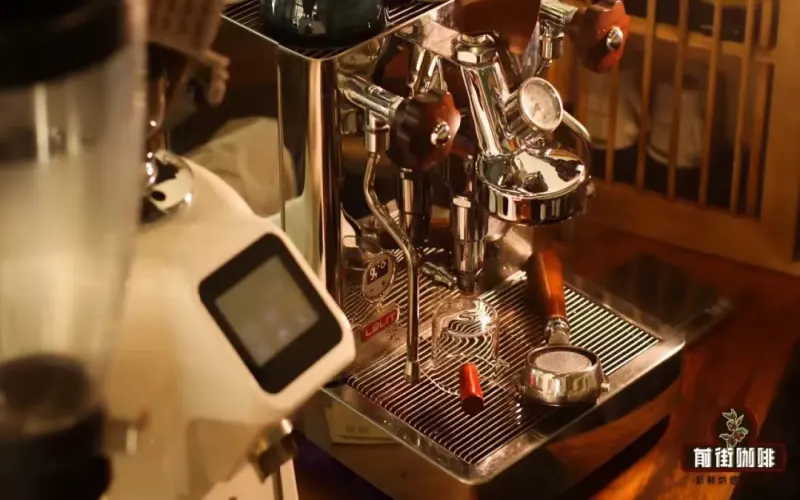
Can a French press make delicious iced coffee? A complete guide from bean selection to grind size
If you only have a French press and no pour-over gear, can you still make a satisfying iced coffee? The answer is yes. A French press uses immersion extraction, and with the same beans, the hot coffee it produces is often more balanced and fuller-bodied than pour-over. Borrowing from the Japanese-style iced pour-over approach, you can steep coffee in a smaller amount of hot water to get a concentrated coffee liquid, then pour it over ice to dilute and cool it, making iced coffee. However, diluting with ice lowers the concentration, so it's not advisable to use light-roast beans with pronounced acidity, or the result will taste thin and may develop off-flavors like almond or peanut skin. This article walks through the complete extraction plan using Front Street Strawberry Candy coffee beans, from bean selection to 15 grams of grounds, a 1:8 coffee-to-water ratio, 94°C water temperature, medium-coarse grinding, and the step-by-step process. [more…]