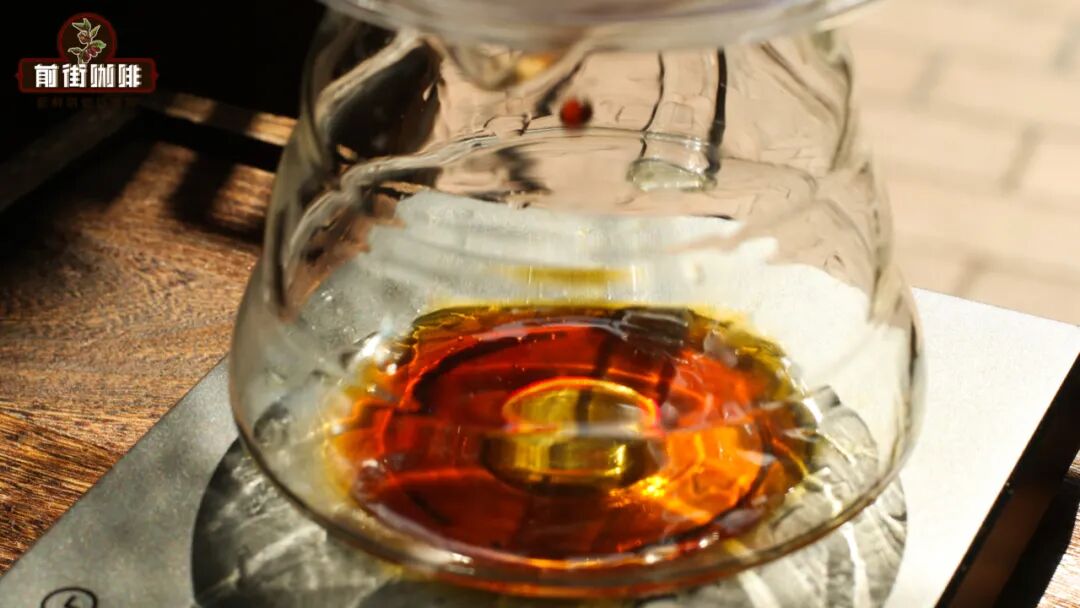
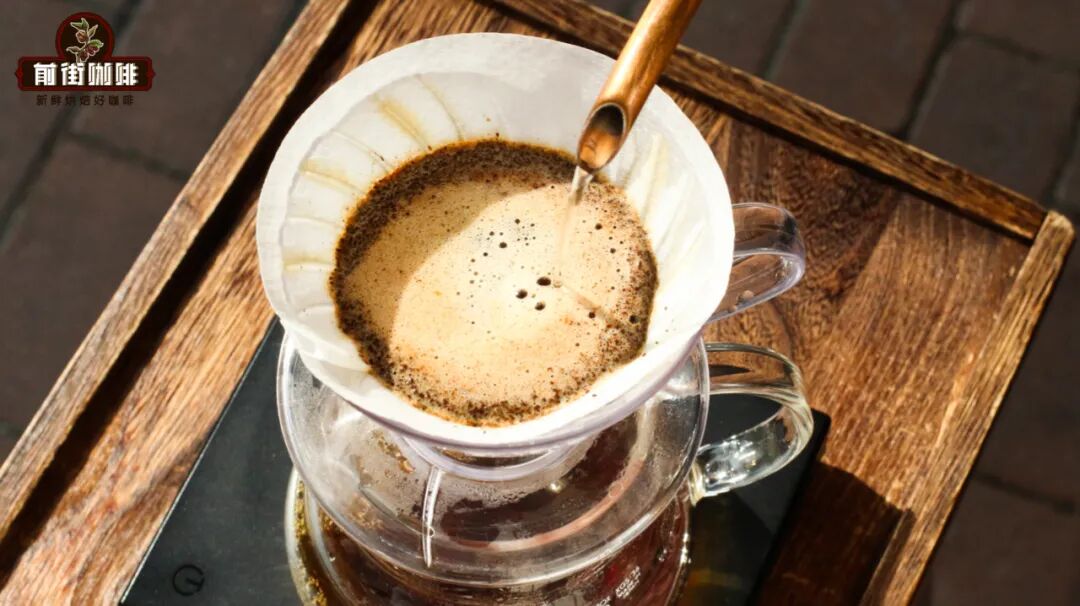
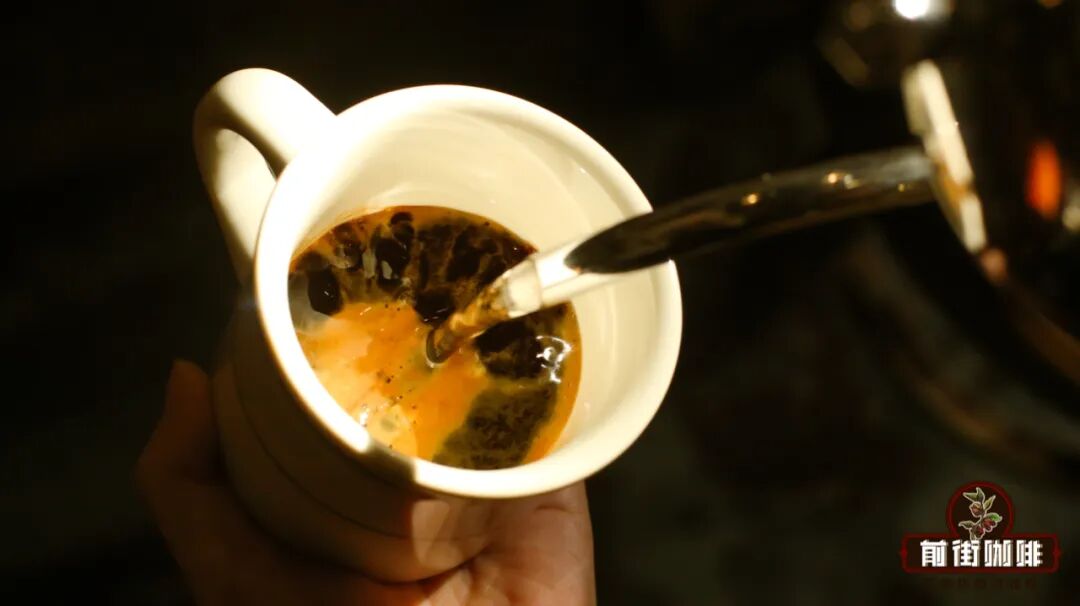
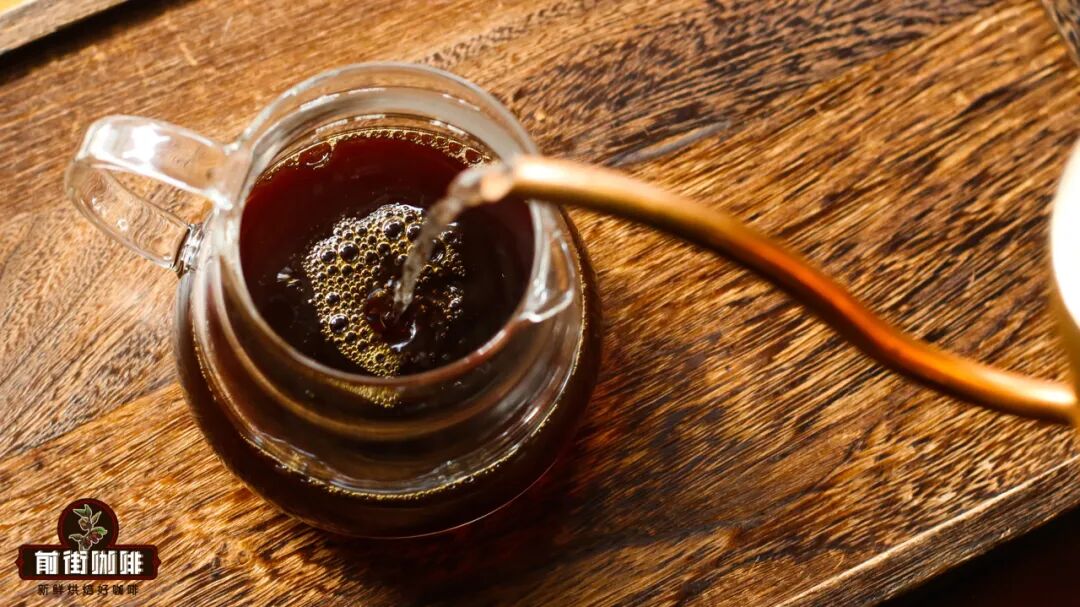
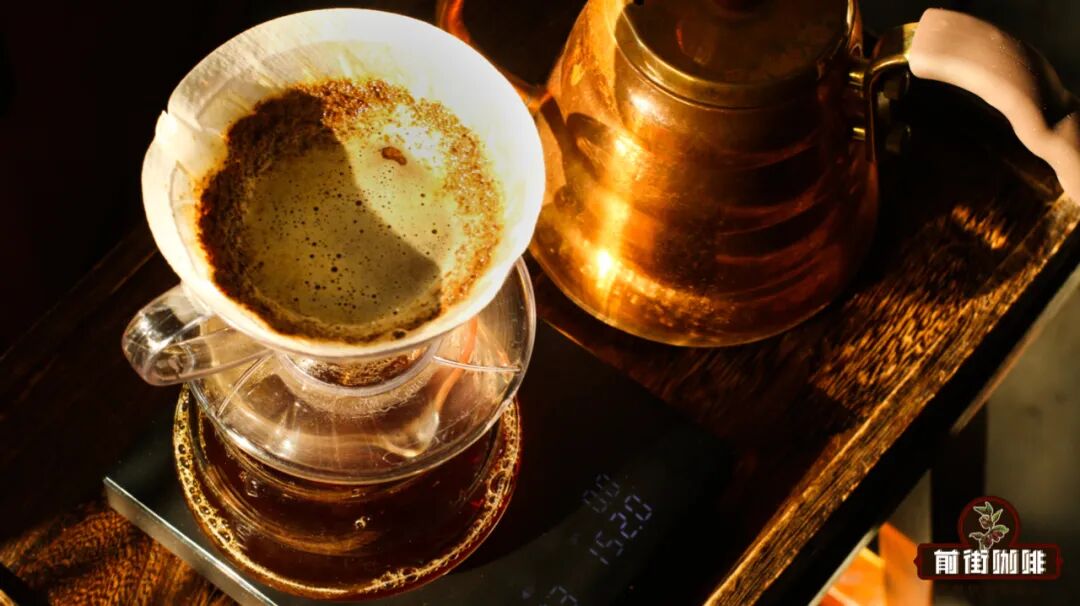
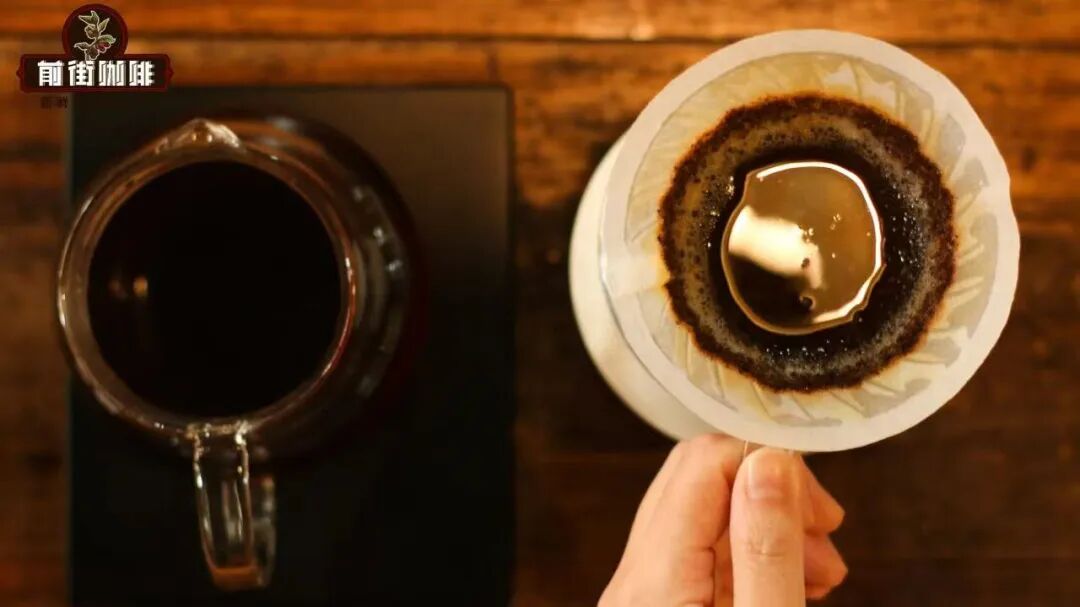
As with various other industries, there are quite a few technical terms in coffee. We can understand so-called technical terms as condensed expressions of complex concepts. They not only improve the efficiency of our communication, but also increase its precision and reduce the likelihood of communication barriers.But because most terms are not that intuitive, it is inevitable that outsiders, or friends who have just entered the field, cannot understand their meaning from the literal wording. For example—"By pass."Translated literally, By pass means "side path" or "detour." From the wording alone, it is indeed hard to understand what it actually represents in coffee. In fact, Front Street has often shared this term; in the industry it mainly refers to the water that is added to coffee through a "bypass," and the corresponding action. So what is a bypass?First we need to know that water is the solvent when we extract coffee. By bringing water into contact with coffee, the water can dissolve the flavor substances in the coffee, which ultimately end up in the cup as coffee. However, sometimes the water we use to make coffee does not all pass through the coffee grounds; it "goes around" the coffee grounds and falls directly into the cup, becoming part of the coffee.If we call the path in which water passes through the coffee grounds and then falls into the cup the "main path," then the water that falls into the cup without passing through the coffee grounds has taken the "bypass." And this water that has taken the "bypass" and did not participate in extraction is called bypass water.The appearance of bypass water can be either active or passive! An example of passive generation is something Front Street often mentions when sharing about brewing. For example, when brewing with a dripper like the V60.When we brew coffee with a dripper like the V60 that has a large number of diversion ribs, we need to try to avoid the water level exceeding the coffee grounds.Because the protruding ribs create space for air to escape, they generate more channels through which water can flow. If hot water exceeds the coffee grounds or washes over the filter paper, then this hot water may flow directly through these channels into the cup without contacting the coffee grounds and without participating in extraction. This is passively generated bypass water.Its appearance not only lowers the coffee's extraction yield, but also affects the coffee liquid already obtained, diluting its concentration and reducing the coffee's flavor and mouthfeel performance.There are many examples of bypass water that we actively control and generate, and the most classic representative is none other than "Americano." The production process of an Americano is to add a certain amount of water to extracted espresso. And this water added to the coffee afterward is bypass water.The purpose of actively generating bypass water is very simple: to "dilute" the concentration of the coffee. The reason Americano came into being is that back then Americans were not used to drinking espresso with such a high concentration, so water needed to be added to the espresso to dilute it and thereby lower the difficulty of drinking the coffee. And this behavior of adding water to intervene in the coffee's taste can be called By pass.In addition to espresso, By pass is also used in other coffee-making methods, such as pour-over coffee. In some professional coffee competitions, we often see contestants use By pass to intervene in the brewing framework. In order to reduce the bitterness in the coffee, they will choose a high-concentration, low-extraction approach to brew a pot of coffee with higher concentration and less bitterness.And because the coffee's concentration is too high and not easy to drink, they will use By pass to dilute the coffee's concentration, diluting it to a drinkable concentration before presenting it to the competition judges.Also, in daily life, we often use By pass to brew coffee, it's just that everyone may not realize it! Because when we By pass, we do not directly add water, but ice. That's right! What Front Street is talking about isiced pour-over.When brewing iced pour-over, we need to add ice cubes to lower the coffee's temperature. And in the process of cooling the coffee, the ice cubes melt into water, diluting the coffee. So this is also a By pass behavior, because water that did not participate in extraction needs to be added to the coffee.Of course, sometimes By pass can also be a remedial measure. For example, when Front Street was brewing Front StreetFinca División · Sidra, the coffee-to-water ratio was used incorrectly, and the brewed Sidra tasted very intense; because the flavors were concentrated, they could not be expressed.In a situation like this, we can use By pass to appropriately dilute the coffee. Simply add 15~30 ml of hot water to the coffee, and the coffee's concentration can be lowered. The coffee's flavors then have more room to show themselves, and we can better taste the coffee's flavor performance.Or when brewing an unfamiliar coffee bean, fine particles may clog the filter paper, causing hot water to be unable to drain for a long time. If things continue like this, then in the end we may get a cup of over-extracted coffee full of bitterness.In a situation like this, we can discard the coffee liquid that has not yet drained out and is still in the dripper by cutting off the flow. The coffee obtained this way may not be especially delicious, but at least it will not be so bitter that it is hard to swallow. And this flow-cutting behavior will leave the coffee with a relatively high concentration, so at this point we need to dilute the coffee by By pass until it is diluted to a drinkable concentration.In summary, then, we can know that By pass mainly refers to the water added to coffee without participating in extraction, and the corresponding action.But everyone should note that By pass is not an all-purpose coffee improvement solution. The cases Front Street shared above all require certain preconditions before By pass is used to optimize coffee! If it is used when the coffee has no problem, then we will easily make a cup of coffee whose taste and mouthfeel are both not that outstanding. So this is something everyone should pay attention to~ The above content is compiled by CoffeeHunters, a coffee news website.