







Why Pour-Over Coffee Tastes Thin: Understanding Bypass Water and How to Avoid It
Many coffee enthusiasts have brewed pour-over coffee that tastes weak and watery. A common cause is bypass water, which comes in two forms: actively added and passively generated. Actively adding water is intentional, such as when making a hot Americano or diluting a strong pour-over. Passively generated bypass water occurs when hot water misses the coffee grounds bed and drips directly into the carafe due to poor technique. This lowers extraction and dilutes concentration, resulting in a thin cup.
To prevent passive bypass water, focus on two practical techniques. First, avoid pouring circles that are too large, as this can push water to the edges and bypass the coffee bed. Second, pay attention to the relationship between the water level and the coffee bed wall, keeping the water level consistent and the bed evenly saturated. These adjustments help maintain proper extraction and concentration, leading to a more flavorful and balanced cup of pour-over coffee.
Many coffee enthusiasts have encountered the situation during pour-over brewing where the coffee tastes watery and the flavors are weak. This is often related to an often-overlooked factor—bypass water. Bypass water can be divided into two types: actively added and passively generated. Hot Americanos or diluted pour-over liquid are active choices, while hot water that bypasses the coffee grounds bed and drips directly into the carafe due to operational errors is passive bypass water. The latter simultaneously lowers the extraction yield and dilutes the coffee concentration, making the final cup taste thin. Based on Front Street's practical experience, this article sorts out the dual effects of bypass water on coffee flavor and provides two of the most practical ways to avoid it: controlling the size of the pouring circles and paying attention to the relationship between water level and the coffee bed wall, helping you achieve consistent results in your daily brewing.
Active choice refers to when we specifically design a coffee-making method that includes the addition of bypass water, such as making a hot Americano: first extracting espresso, then using additional hot water to dilute the coffee's concentration; or pour-over coffee, where a small amount of hot water is first used to brew a high-concentration pot of coffee, and then additional hot water is used to dilute the coffee's concentration. This hot water that we actively add is the actively chosen bypass water.
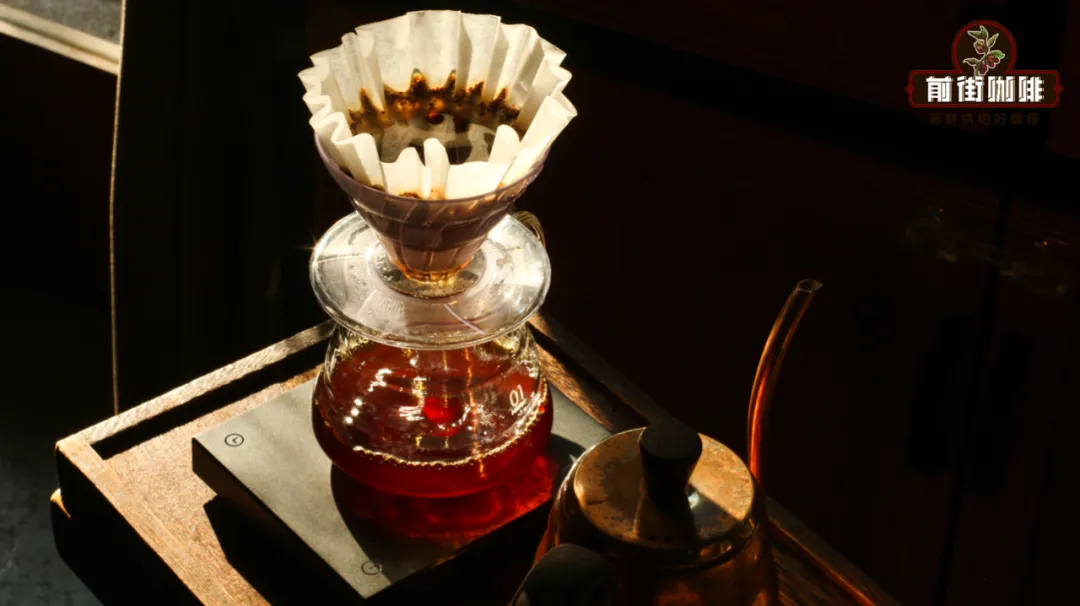
But for most beginners, the appearance of bypass water is mostly passive. For example, during the brewing process, due to improper operation, some of the hot water fails to pass through the coffee grounds bed and instead goes directly through the filter paper, dripping down along the dripper into the carafe. So what impact does bypass water generated in this situation have on our coffee?
When there is too much bypass water, the coffee will taste weak and the mouthfeel will be thin—watery and bland. Because passively generated bypass water comes from the hot water originally used for extraction. When a portion of the extraction water is missing, the coffee's extraction yield will decrease, and the flavor will be somewhat inferior due to insufficient extraction. At the same time, because this bypass water flows through the dripper into the carafe, it also dilutes the concentration of the already-extracted coffee, further reducing the coffee's mouthfeel performance. So, how do we avoid bypass water being generated during the extraction process?
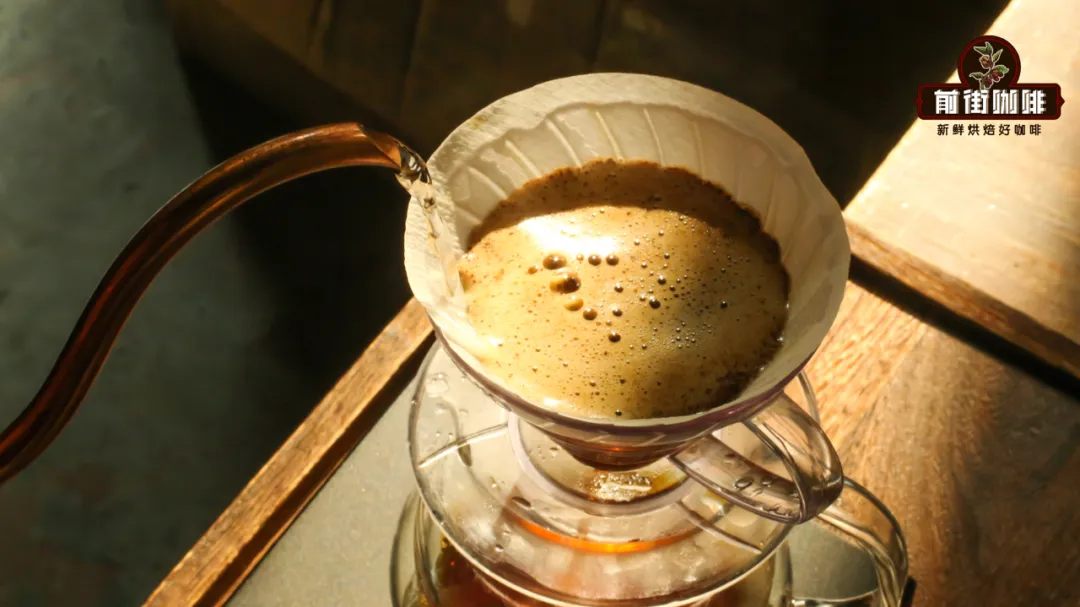
1. Avoid pouring circles that are too large This is a point Front Street often mentions in articles: avoid pouring circles that are too large! Because when brewing coffee, we pour hot water in circular motions to allow the hot water to extract as much of the coffee grounds as possible, while also agitating the coffee grounds to increase the extraction yield. But many beginners tend to be quite "extreme" when they first start, wetting every place where coffee grounds exist with hot water so that all the coffee grounds can be extracted—even the very edge of the dripper wall where only a small amount of coffee grounds adheres. Or when pouring large circles, the range is so wide that the water washes against the thin coffee bed wall at the edge of the dripper.

Both of these situations cause a large amount of hot water to pass straight through the coffee bed wall and filter paper, flowing directly down the dripper into the carafe, minimizing contact with the coffee grounds—and this portion of hot water is what Front Street mentioned earlier as "passively generated" bypass water. So when brewing coffee, we can try to narrow the range of our pouring circles as much as possible, preventing hot water from having the opportunity to bypass the coffee grounds and affect extraction and the coffee.
2. Water level exceeding the coffee bed wall Another situation is caused by the water level being too high and exceeding the coffee bed wall. Many times, in order to make extraction more even, we raise the coffee bed to allow hot water to extract the coffee grounds at the bottom layer.
The above content is compiled by CoffeeHunters, a coffee news website.


