







How Does Bypass Pouring Change Coffee Extraction?
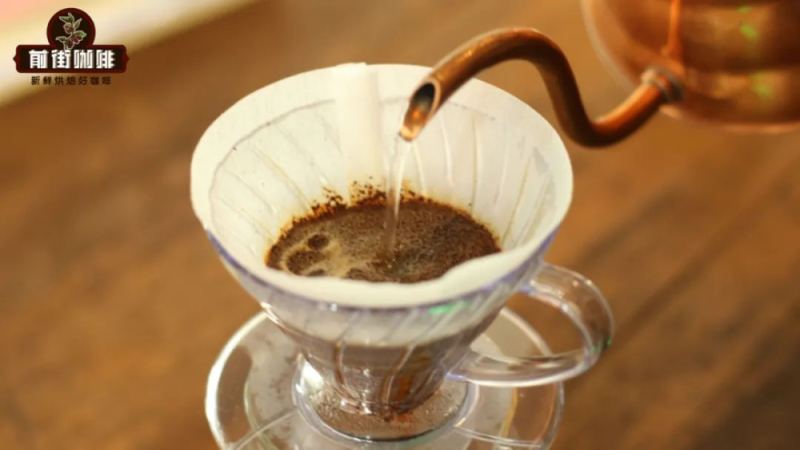
Bypass brewing means pouring hot water so it runs past the coffee bed and straight into the server, where it mixes with the already-brewed coffee. The water never touches the grounds, so it adds no new coffee extraction; it simply lowers the concentration of the liquid below. Front Street Coffee uses the technique when a pour-over comes out too strong or too sharp to read clearly.
The method suits several situations. Adding roughly 80°C water to a concentrated pot, such as a Dividing Line Geisha brewed at 20 grams of coffee to 300 milliliters of water, can open up grape, passion fruit and citrus notes. It also helps in iced coffee and in saving brews clogged by fine particles. It cannot repair coffee that is badly over- or under-extracted.
In the world of pour-over coffee, besides the conventional extraction path, there is an operation known as "bypass"—letting hot water bypass the coffee grounds and fall directly into the server, where it mixes with the already-extracted coffee liquid. This method seems simple, yet it can effectively dilute coffee that is too concentrated, allowing the flavor layers to unfold. Front Street Coffee frequently employs this technique in daily brewing; for example, when a pot of Dividing Line Geisha comes out with acidity that is too concentrated due to improper brewing, adding a small amount of 80°C hot water can release the fruity notes of grape, passion fruit, and citrus. Beyond adjusting concentration, bypass is also widely used in iced coffee production, in rescuing over-extracted coffee caused by fine-particle clogging, and even appears in professional coffee competitions. But it should be noted that it is not a cure-all: when faced with severely over-extracted or under-extracted coffee, bypass pouring can do nothing. This article will systematically analyze the principles, suitable scenarios, and key operational points of bypass, helping you control coffee flavors more flexibly.
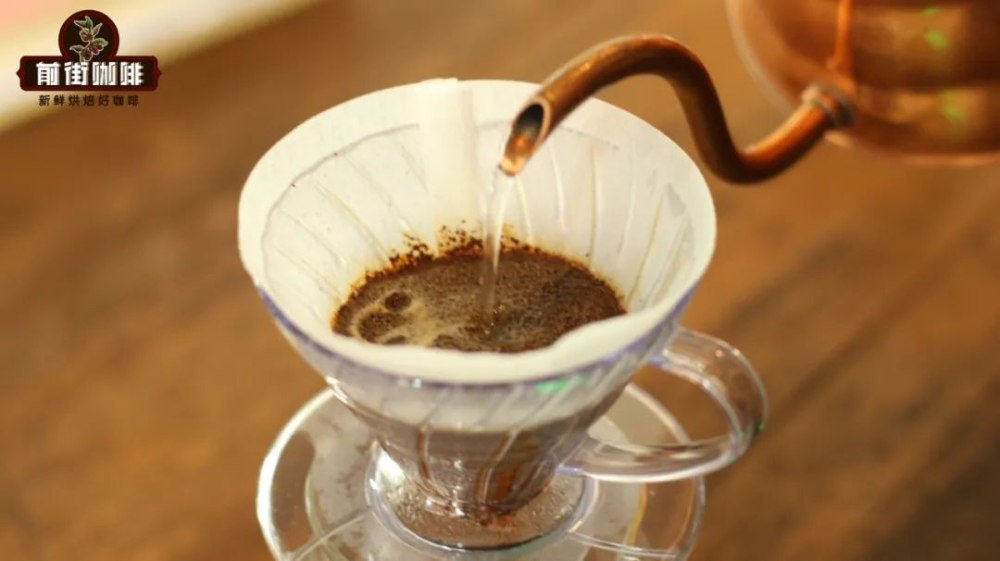
In the pour-over coffee extraction process, hot water passes through the coffee bed, dissolving aromatic substances and ultimately yielding a cup of coffee liquid. This conventional path can be understood as the main extraction channel. If hot water does not pass through the coffee grounds but falls directly to the bottom to merge with the coffee liquid, without participating in any extraction throughout the process, this behavior is called "bypass."
What does bypass do?
Front Street often emphasizes one point: when coffee concentration is too high, the flavors become overly concentrated, leading to a muddled palate that makes specific flavor characteristics hard to distinguish. At this point, bypass can be used to add water directly to the high-concentration coffee to dilute it, giving the flavors more room to unfold and thus presenting richer layers and experiences.
For example: Front Street once brewed a pot of Dividing Line Geisha, using 20 grams of grounds with 300 milliliters of hot water, a 1:15 coffee-to-water ratio. But due to improper brewing technique, the result showed only intense acidity, while other flavors were hard to capture, faint and unclear.
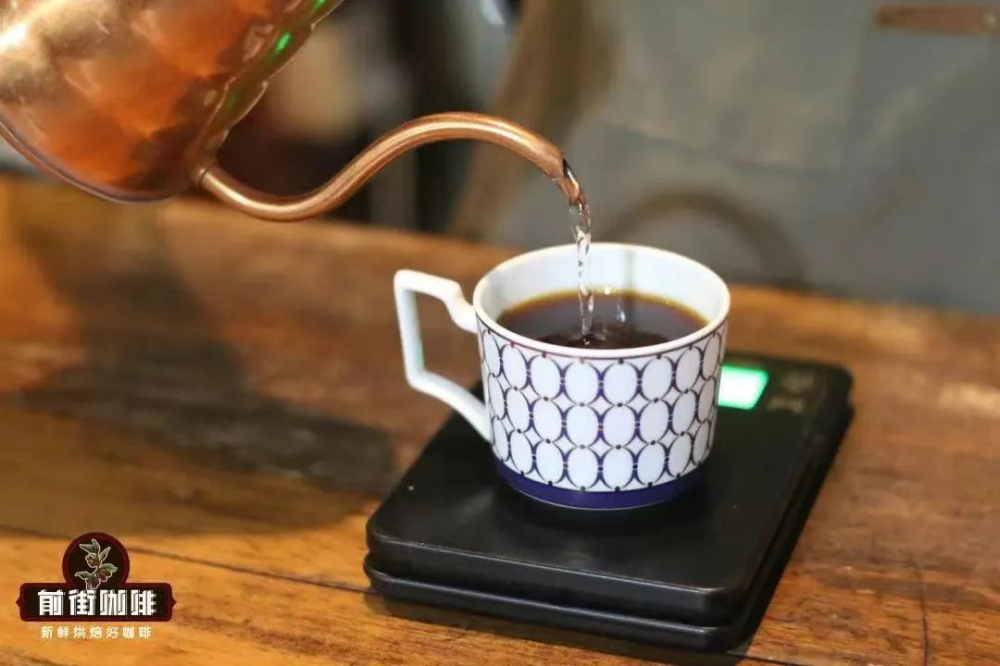
At this point we poured about 20 milliliters of 80°C hot water into the coffee liquid, and upon tasting again, we found that the fruity flavors of grape, passion fruit, and citrus were noticeably released, and the mouthfeel was cleaner and more transparent.
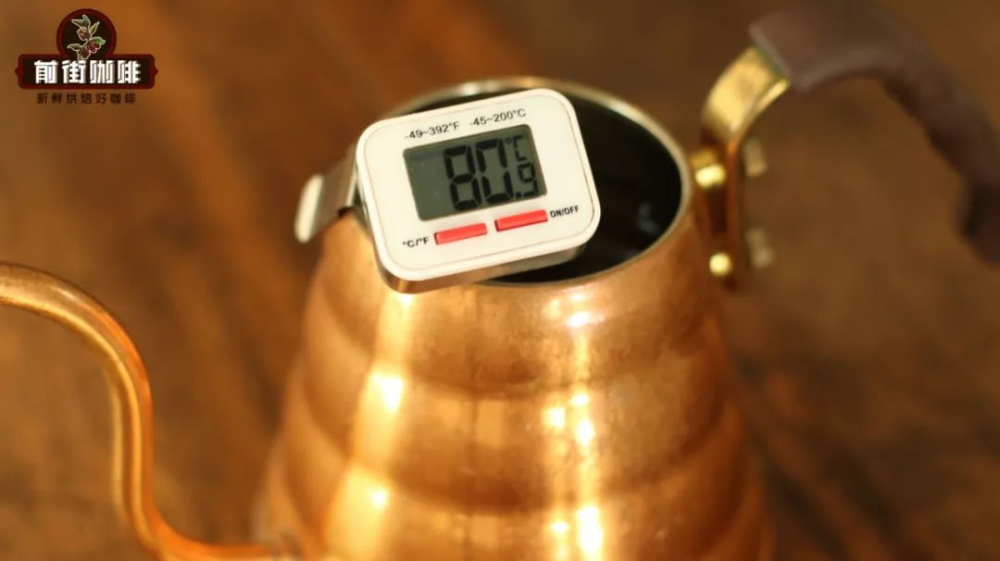
There are several key points to note here: first is water temperature. Following the principle of constant temperature, after brewing is complete, the original 92°C hot water has dropped to about 80°C as coffee liquid temperature, so hot water at a similar 80°C should be used for adjustment, not the original 92°C. Second, the amount of water added should not be too much, otherwise it will cause over-dilution and weaken the overall coffee experience.
Besides the situations above, what other scenarios require using bypass?
One, making iced coffee
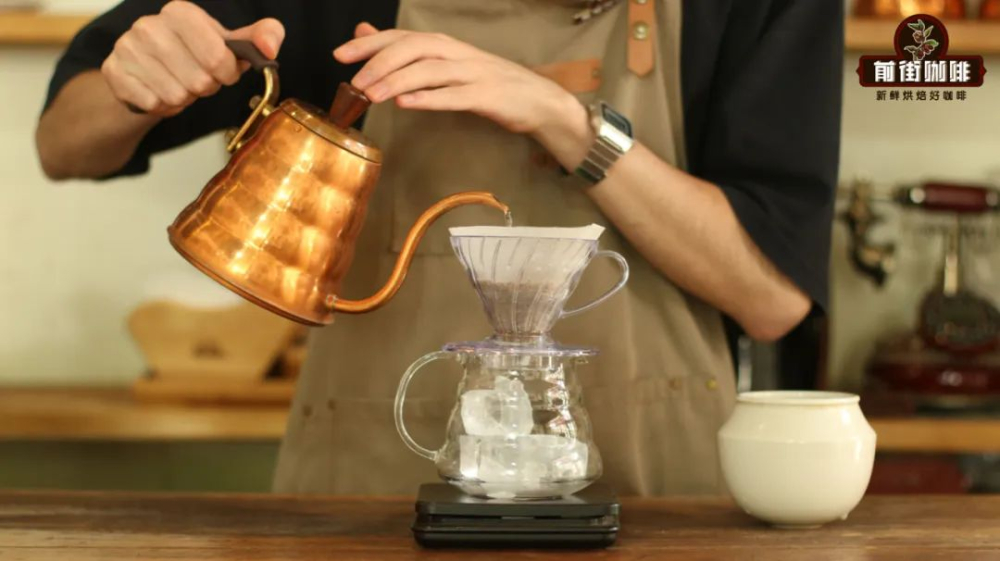
Making iced coffee is essentially an application of bypass. For example, adding ice cubes to high-concentration cold brew or ice drip liquid aims to dilute and allow flavors to release better. Iced pour-over is especially typical—a portion of the originally set extraction water is replaced with ice cubes, used to cool and dilute the high-temperature, high-concentration coffee liquid about to be extracted.
Two, "rescuing" coffee that is about to fail
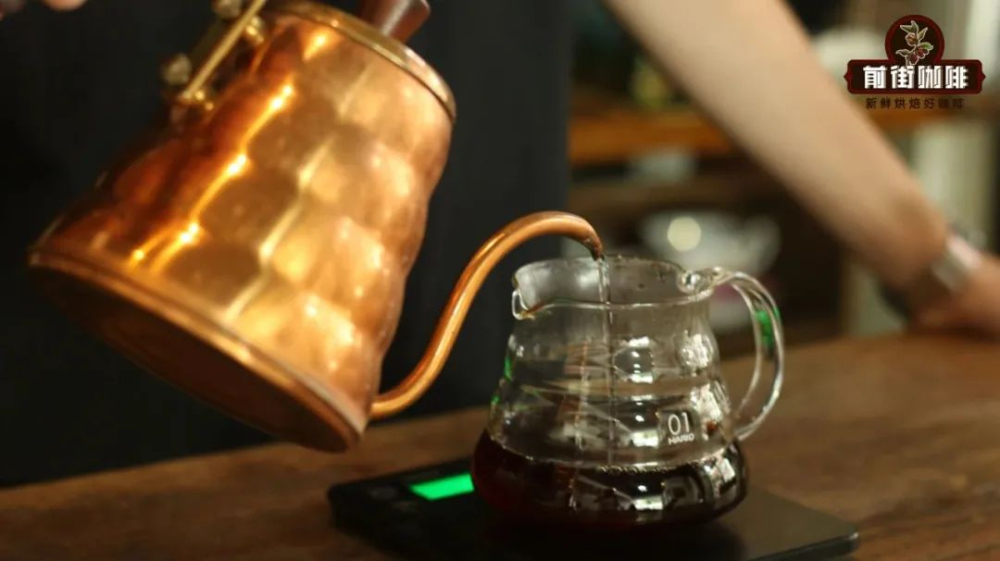
Light-roasted coffee beans are harder in texture, making it difficult for hot water to penetrate and extract, so a finer grind is needed to increase the contact area between coffee grounds and hot water and improve extraction efficiency. But fine grinding produces a certain amount of fine particles, which easily cause clogging during brewing and prolong the soaking time of the coffee grounds. Soaking too long will also extract negative flavors.
At this point we can "cut off" the tail end, discarding the very last coffee liquid that refuses to drip, and then taste it. Based on the perceived concentration intensity, plan the trace amount of hot water to add and adjust to a suitable concentration, thereby avoiding a failed outcome.
Three, specially customized extraction methods
In large coffee competitions, one often sees contestants using a larger dose of grounds to extract a high-concentration coffee liquid with positive flavors—that is, concentrating and pressing the sweet and sour substances from the front end, then diluting through bypass, reducing concentration while maintaining the original extraction yield. This is remarkably similar to the iced coffee making mentioned earlier.
Situations where bypass cannot rescue
If the coffee has already been over-extracted with a pronounced bitter taste, then in this case, bypass is also powerless.
The core of bypass is dilution. When you apply it to over-extracted coffee, it can only dilute the bitter coffee into something less bitter, but over-extracted flavors often come with a thin mouthfeel, and after adding extra hot water, it turns from over-extracted coffee into "coffee-flavored water." Under-extracted coffee need not even be mentioned.
- END - Front Street Coffee (FrontStreet Coffee)
No. 10, Bao'an Qian Street, Yandun Road, Dongshankou, Yuexiu District, Guangzhou, Guangdong Province
The above content is compiled by CoffeeHunters, a coffee news website.


