







How Does High-Concentration Low-Extraction Coffee Brewing Work?
High-concentration, low-extraction coffee brewing targets a stronger coffee liquid while holding the extraction yield at a lower level. The point is margin for error: if the cup is too concentrated, it can be diluted with a bypass pour of water, whereas a weak cup is hard to correct. The method hinges on the coffee-to-water ratio and on active or passive changes to extraction conditions.
Traditional high-extraction brewing aims for a balanced cup in one pour, while this approach accepts extra strength and fixes it afterward, so even an accidental result stays drinkable. Adjusting the ratio along an active or passive path sets the concentration, and the dilution step then brings coffee to the intended taste.
In the world of pour-over coffee, "high concentration, low extraction" is gradually becoming a highly regarded brewing approach. It pursues a coffee liquid with higher concentration while keeping the extraction yield at a lower level, thereby leaving ample room for subsequent adjustments. The core of this method lies in flexibly using the coffee-to-water ratio, actively or passively changing the extraction conditions. Unlike the traditional "high extraction" approach, high concentration, low extraction places more emphasis on the coffee's margin for error—even if the concentration is on the high side, it can be easily corrected with Bypass (dilution with water), avoiding a cup that is hard to drink. This article will deeply analyze the operational details of this brewing concept and, combined with the practical experience of Front Street Coffee, help you master the complete framework of high concentration, low extraction, and make a stable and delicious pour-over.
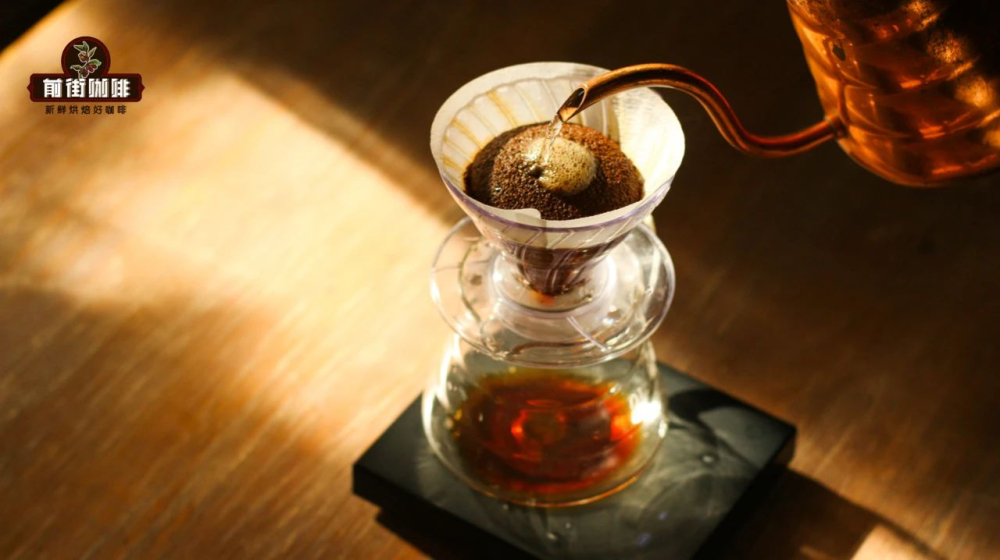
"High concentration, low extraction" is a result-oriented coffee brewing concept, with the goal directly aimed at a coffee liquid that combines high concentration and low extraction yield. More and more coffee enthusiasts are beginning to adopt this approach; even if you have never heard of this term, it is highly likely that you have unintentionally used a similar method.
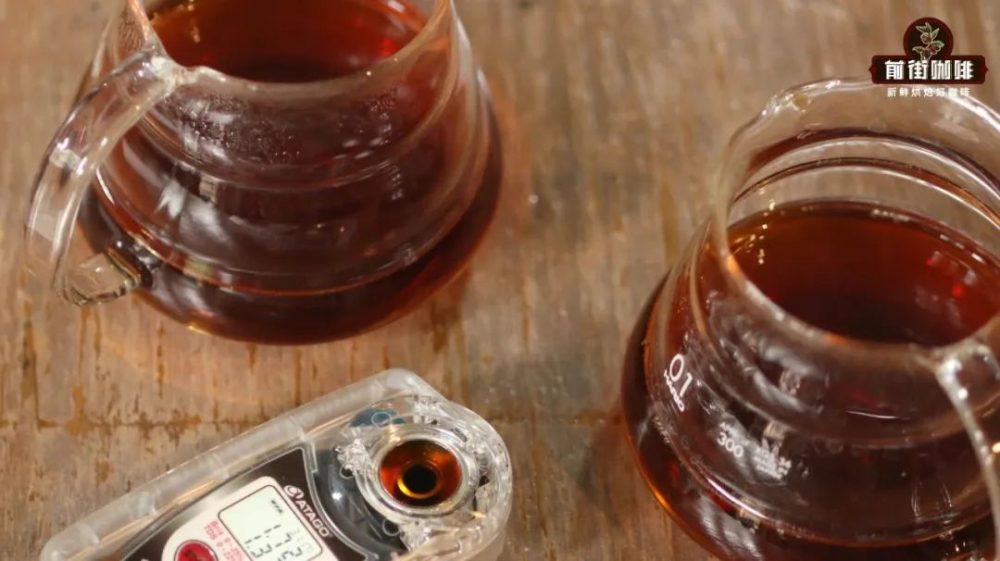
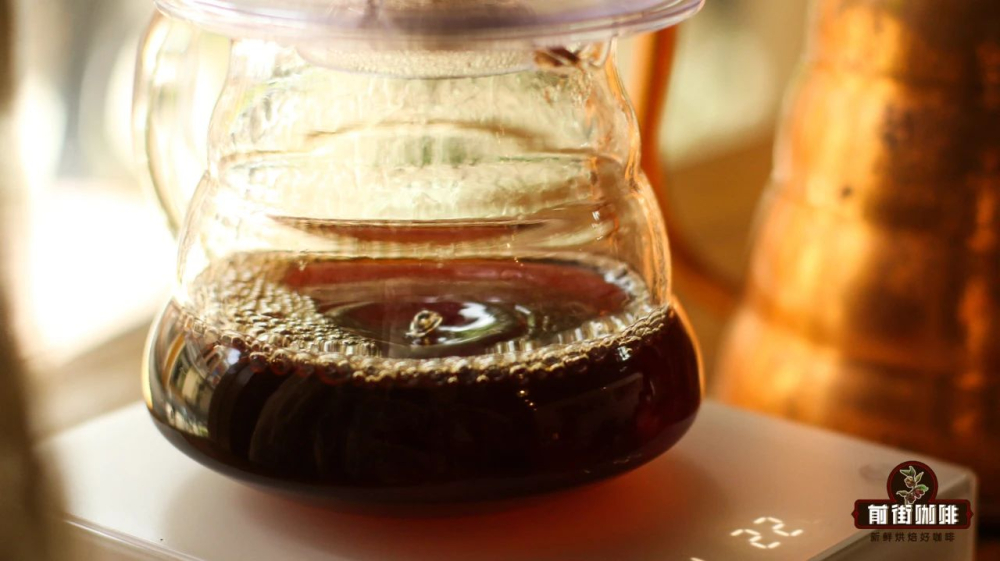
The greatest advantage of high concentration is the ample room for adjustment. If the coffee is too weak, subsequent remedies are very limited; but if the coffee concentration is too high, it can be diluted to the ideal state through Bypass (adding water). Following this extraction logic, you can easily make a cup of coffee that won't taste bad, keeping yourself in an invincible position.

How exactly is high concentration, low extraction put into practice? The most critical step is adjusting the coffee-to-water ratio, which can be specifically divided into active and passive paths.
The above content is compiled by CoffeeHunters, a coffee news website.


