







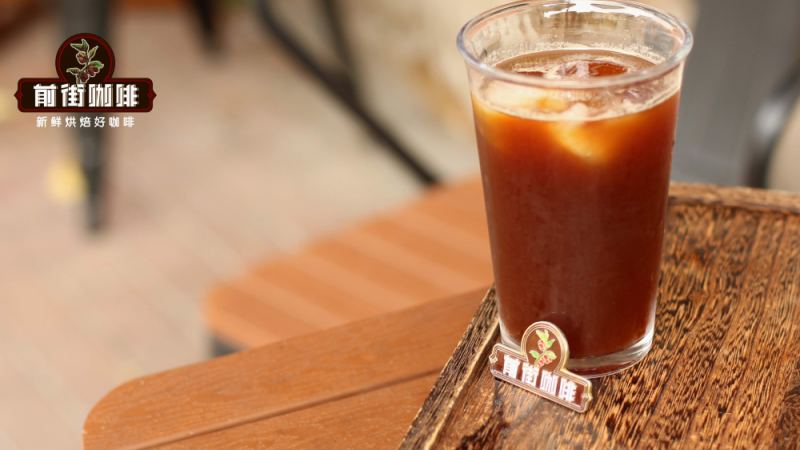
What Is Caffe Americano and How Does It Differ From Cold Brew?
An iced Americano is made by diluting espresso with ice water, so it contains only coffee beans and water: zero calories, zero sugar, and zero fat. Espresso extraction requires an espresso machine, which is why a standard iced Americano depends on that equipment rather than on cold brew, ice drip, or iced pour-over methods.
The other iced coffees often grouped under the same name differ in extraction. Cold brew and ice drip use low-temperature slow extraction for a round, slightly acidic cup, while iced pour-over uses a concentrated hot brew that is chilled and diluted to highlight floral and fruity notes. Bean choice, usually a medium-dark or dark roast blend, shapes the final flavor.
The iced Americano that everyone holds a cup of in summer is actually not simply cooled-down coffee. It is made by diluting espresso with ice water—0 calories, 0 sugar, 0 fat—refreshing, cutting through greasiness, and energizing. But many people also lump cold brew, ice drip, and iced pour-over together under the name iced Americano, which causes confusion. These types of iced coffee differ clearly in extraction principles, concentration, and flavor expression: iced Americano is fuller-bodied thanks to the oils in espresso; cold brew and ice drip rely on low-temperature slow extraction to bring a round, slightly acidic profile; iced pour-over uses a high-concentration hot extraction that is then cooled and diluted, highlighting floral and fruity notes. This article will start with preparation methods, sources of flavor, and bean selection, and will include Front Street Coffee's step-by-step iced Americano method plus several bean recommendations suited to different iced coffees.
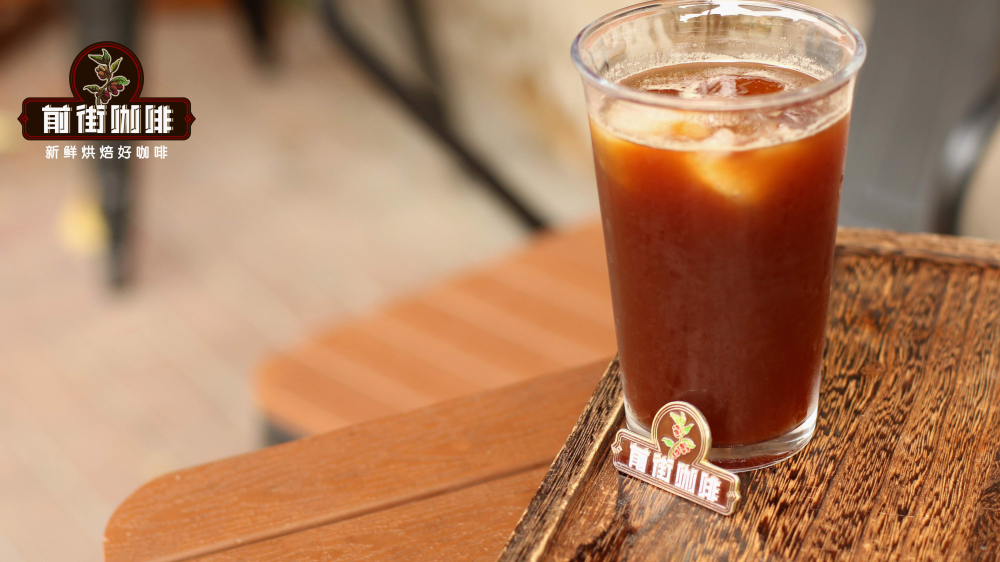
To put it plainly, iced Americano is a drink made by diluting espresso with ice water. It uses only coffee beans and water, making it a zero-calorie, zero-sugar, zero-fat black coffee with maximum health appeal. People mostly like it because it tastes refreshing, can cut through greasiness, and, with caffeine to energize, may also help burn fat to some extent and support fat loss.
Since iced Americano is a combination of espresso and ice water, it depends on an espresso machine to extract the espresso. If you want to drink it every day, you might as well get an entry-level home espresso machine.
The flavor direction of iced Americano ultimately depends on the coffee beans themselves. In order to retain enough coffee aroma after dilution with water, cafés usually choose medium-dark or dark roast blends for espresso.
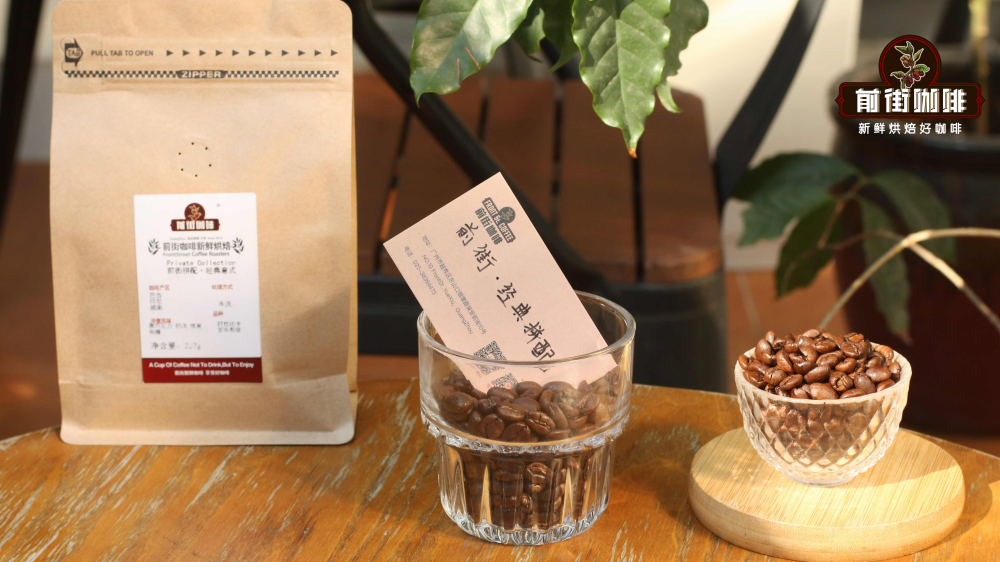
If you prefer a rich crema, you can try the beginner-friendly Front Street Coffee. Front Street Classic Espresso Blend. It brings pronounced notes of butter, roasted hazelnut, caramel, and dark chocolate, with a solid body; made into an iced Americano it is sweetly aromatic and refreshing with a rich roasted aroma, and it is also smooth and delicate when added to milk for a latte.

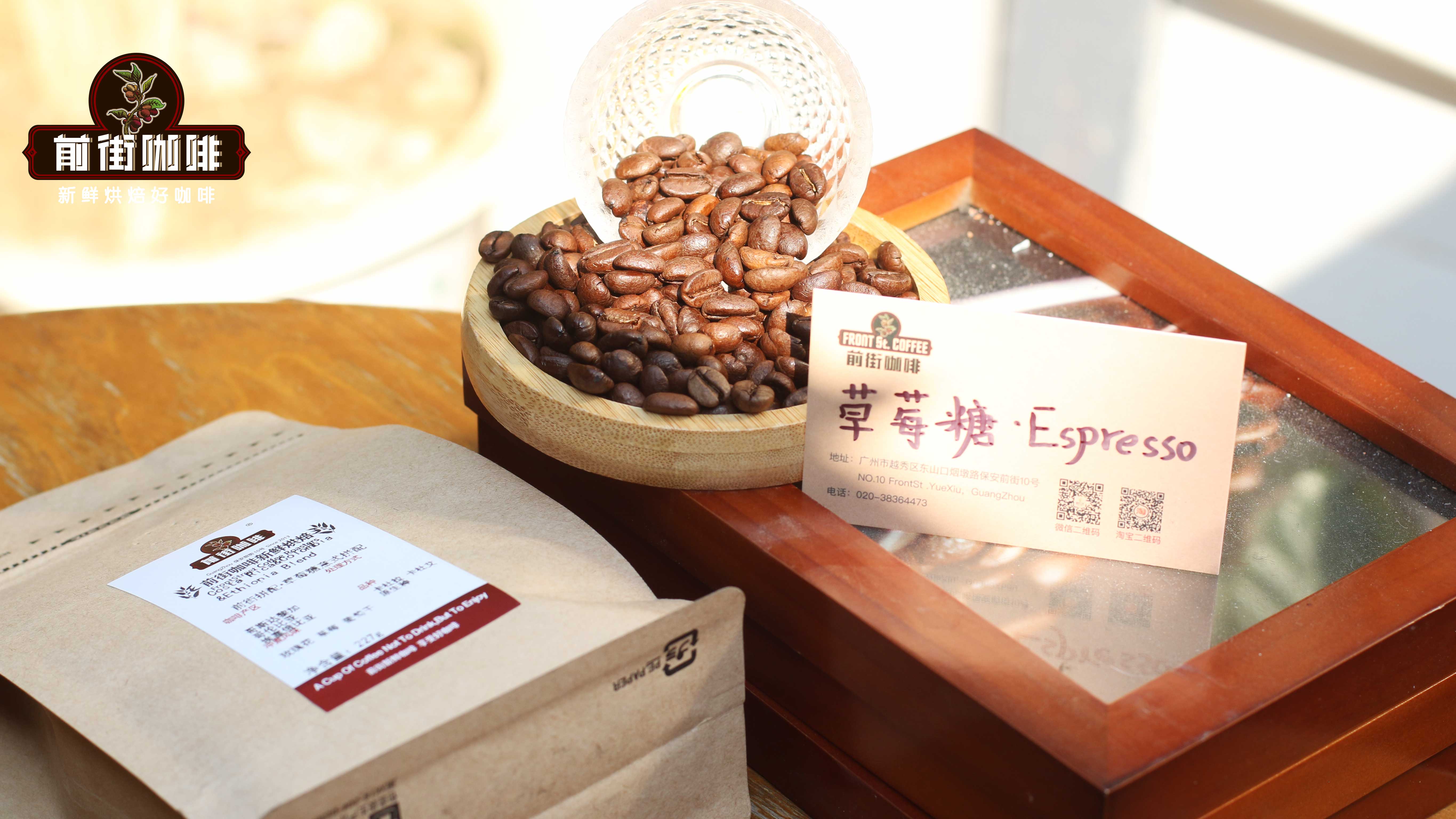
If you don’t want the coffee too bitter, Front Street Coffee. Strawberry Candy Espresso will be more suitable. This espresso recipe is designed specifically for people who like floral and fruity notes, blending beans from three origins: Costa Rica, Colombia, and Ethiopia. It smells of rose, citrus, grape, and dried blueberry, and as an Americano it tastes as sweet and fresh as fruit gummies.
Front Street Coffee espresso extraction parameters:
Coffee beans: Front Street Coffee. Strawberry Candy Espresso Blend
Dose-to-yield ratio: 1:2
Temperature: 94 degrees Celsius
Time: 25–30 seconds
Dose: 20g (double espresso)
Yield: 40ml
Espresso flavor expression: smooth mouthfeel, medium body, enchanting rose aroma, clear fruit acidity on entry, followed by faint notes of dried blueberry and grape, along with delicate chocolate and cream notes, and a lasting sweet finish.
The method for iced Americano is essentially diluting espresso with ice water at a ratio of 1:7. Front Street Coffee's steps for making iced Americano:
1. Extract a double espresso according to the above parameters.
2. Prepare 240ml of ice-water mixture.
3. Pour the double espresso into the ice-water mixture, stir well, and it is ready to drink.
The differences between iced Americano and cold brew, black coffee, ice drip, and iced pour-over
Many people think cold brew, ice drip, or pour-over that has cooled down can all count as iced Americano, but theoretically they are just a type of iced coffee, and because the extraction methods differ, the taste naturally differs too. Iced Americano is backed by the oils and high concentration of espresso, so it tastes fuller-bodied;
Cold brew coffee and ice drip coffee take the low-temperature extraction route, with a round mouthfeel and soft acidity, suitable for brewing Front Street Coffee. Kenya Little Tomato and Front Street Coffee. Costa Rica Mozart, which have prominent juicy notes;
Iced pour-over, on the other hand, first extracts a pot of high-concentration black coffee and then cools and dilutes it by adding ice, making it suitable for light-to-medium roast single-origin beans with a sweet-and-sour, refreshing profile. If you like floral notes, you can choose Front Street Coffee. Washed Gedeb; if you prefer a fruity wine flavor, try Front Street Coffee. Colombia Papayo.
The above content is compiled by CoffeeHunters, a coffee news website.


