







How Diluting Coffee with Water Can Improve Taste
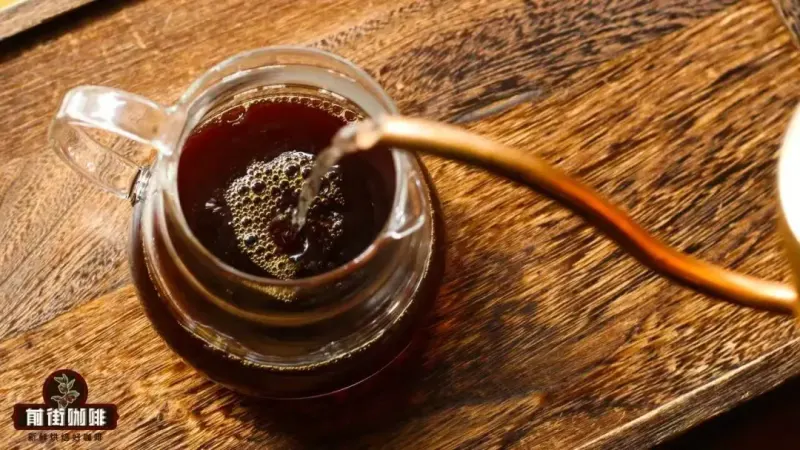
Adding water directly to brewed coffee is called the bypass technique. It bypasses the coffee grounds and only adjusts the final concentration. If a coffee is properly extracted but too strong, its flavors can be suppressed. Diluting it with a little water can restore balance and make the cup more enjoyable. However, if the coffee is already bitter or astringent from poor quality or over-extraction, adding water will not help.
The principle is simple dilution. When coffee is too concentrated, our senses struggle to perceive its finer notes. By adding water, we lower the concentration and allow those flavors to emerge. This is similar to how an Americano is made by adding water to espresso. The key is that the coffee must have a good base. If it does, dilution can reveal its inherent deliciousness.
In the coffee world, there is a specific term for adding water directly to brewed coffee—By pass. This operation bypasses the coffee grounds, does not participate in extraction, and is only used to adjust the concentration in the final cup. Many people wonder: can adding water really make coffee taste better? The answer depends on the situation—if the coffee itself is bitter and astringent, no amount of water can save it; but if the coffee is properly extracted and only the concentration is too high, suppressing the flavor, then adding an appropriate amount of water can actually restore its inherent deliciousness. From the perspective of Front Street, this article combines examples such as making Americano with espresso and adjusting concentration in pour-over to explain the sensory principles behind it and practical judgment methods.
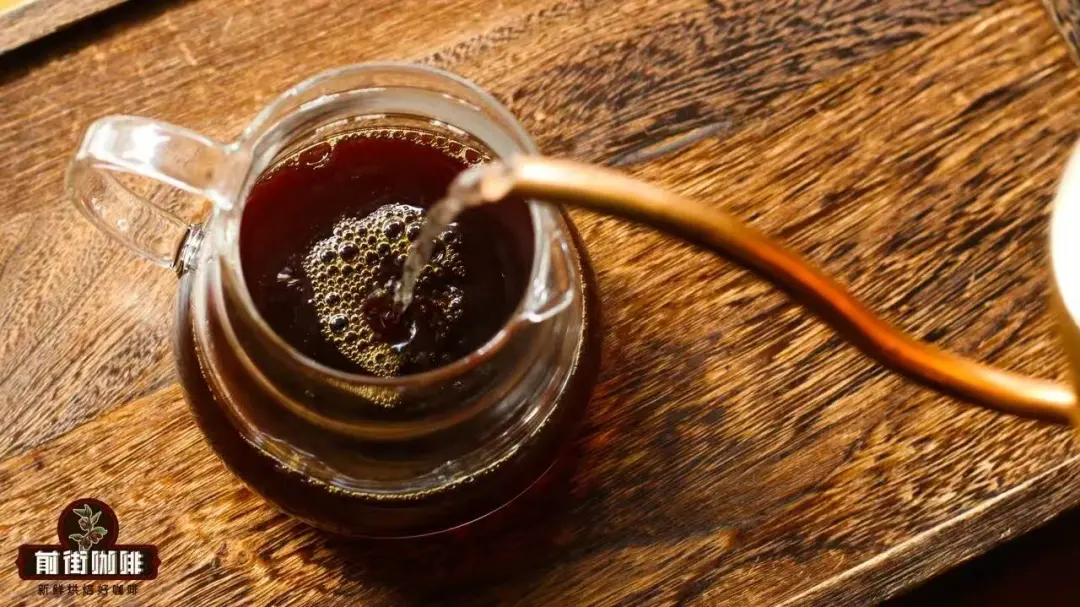
Can adding water to coffee really save a cup of bad coffee? Obviously not. Suppose a cup of coffee is bitter and astringent, with inherently poor quality, then no amount of water will help. But if the coffee originally has a good base, only certain factors mask its good flavors so that people cannot taste them, then appropriately diluting it with a little water might indeed re-release its original deliciousness. In the coffee world, the action of adding water to coffee liquid has a professional term—"By pass," which means bypass. It refers to a technique of adjusting the taste by adding water directly to the coffee liquid without passing through the coffee grounds.
When brewing coffee, water acts as a solvent and must pass through the coffee grounds to dissolve the flavor substances. Thus, the path where water contacts and flows through the coffee grounds is what we habitually call the "main path," i.e., the route the water mainly takes; if the water does not touch the coffee grounds at all and is poured directly into the coffee liquid, then these waters take a channel outside the main path, hence called "bypass," and the water taking this path is naturally called "bypass water."

So, why can adding water restore the deliciousness of coffee? The principle is actually not complicated—it is dilution. Adding water to coffee lowers the concentration of the coffee. Many coffees are not unpleasant when brewed, but the problem lies in high concentration and not being smooth enough on the palate. Such coffees often have just the right extraction yield, with all the high-quality flavors from the coffee grounds extracted, but the concentration far exceeds what our senses can accept at the moment, resulting in the inability to perceive the taste and aroma in detail. As Front Street mentioned in a previous article, when the concentration of taste and aroma is too high, the senses, unable to distinguish details, simply package them all together and throw them to the brain, so the taste and aroma may deviate in an unpleasant direction. For example, when the taste is too concentrated, it is easy to taste obvious saltiness or bitterness; when the aroma is too strong, a fragrance that should be like peaches might smell like vomit.
At this point, simply adding some water to the coffee to lower the concentration gives the originally crowded tastes and aromas room to stretch out. No longer crowded, we can taste the coffee's original good flavors—this is the truth that adding water can make coffee taste better. Similar examples abound in life. Besides pour-over coffee, Americano also illustrates the point well. Many friends simply cannot drink espresso directly because the concentration is just too high! Take Front Street as an example. Front Street used the Front Street Ethiopia·Floral Queen from its bean list to make an SOE—single origin espresso. The parameters were 20g of grounds, a brew ratio of 1:2, and 30 seconds.

For those not used to it, the espresso extracted this way is very hard to accept when drunk directly, with a strong and sharp acidity, and almost no other flavors besides citrus can be tasted. But if you add 160ml of water to this cup of coffee to dilute it into an Americano, you will find that the originally stimulating sharp acidity becomes much softer, and it even carries an obvious sweetness when drunk. Besides citrus, you can also discern various flavors such as berries, floral notes, and melon.
Pour-over coffee follows the same logic. The barista takes a sip and finds that the brewed coffee is too strong and the detailed flavors are not easily perceived, so they add some water to dilute the concentration, allowing the customer to better taste the deliciousness of the coffee. Iced pour-over is also a good example, which Front Street will not elaborate on here. That is all for this Front Street sharing. But Front Street still emphasizes that sentence: adding water to coffee cannot make bad coffee taste better; it only makes coffee that is originally good but a bit too concentrated more acceptable to people. So in actual operation, be sure to first determine where the problem lies, and then make the corresponding decision~
- END -
The above content is compiled by CoffeeHunters, a coffee news website.


