







Search Results for: coffee freezing

Are freeze-dried coffee and freshly ground coffee powder the same thing? A full analysis of instant coffee shelf life
In recent years, freeze-dried coffee has been gaining strong momentum and has become a popular category in the instant coffee sector. However, Front Street Coffee has noticed that many consumers hold considerable misconceptions about freeze-dried coffee—some mistake freshly ground coffee powder for freeze-dried coffee and brew it directly, while others believe that the quality of freeze-dried coffee is already on par with freshly ground coffee. These misunderstandings arise partly because the appearance of freeze-dried coffee blocks does bear some resemblance to freshly ground coffee powder, and partly because merchants often promote it as "comparable to fresh ground," further blurring the line between the two. In fact, freeze-dried coffee and freshly ground coffee belong to completely different product categories and have no basis for direct comparison at all. This article will start from the production process to clarify the essence of freeze-dried coffee and explore the differences in shelf life between coffee powder and instant coffee. [more…]
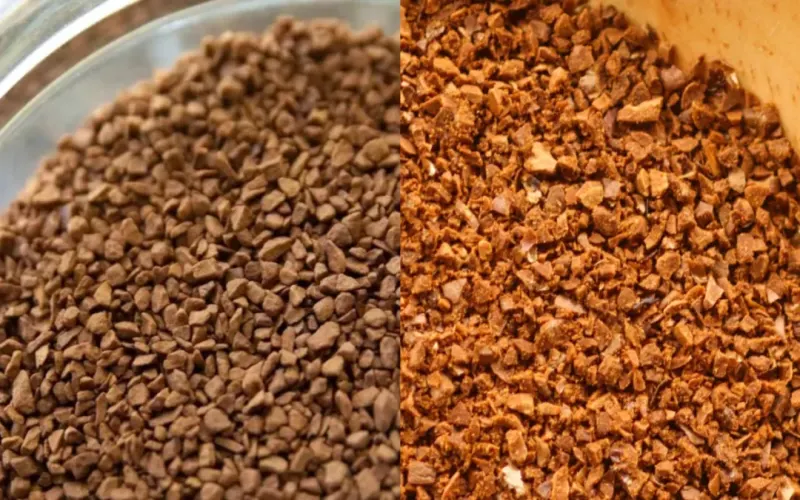
How is freeze-dried coffee different from instant coffee? What does the freeze-drying process mean? How does it compare to freshly ground coffee—which is better or worse?
In recent years, freeze-dried coffee, with its appearance and promotional campaigns, has led many consumers to mistakenly believe it can be mentioned in the same breath as freshly ground coffee—even giving rise to the blunder of brewing freshly ground coffee powder as if it were freeze-dried coffee. So what exactly is freeze-dried coffee? What are the essential differences between it and traditional instant coffee in terms of production processes? And is it truly comparable to freshly ground coffee? This article, from the perspective of Front Street, systematically sorts out the definition of freeze-dried coffee, its production process, and its differences from traditional instant coffee, helping coffee enthusiasts clarify the concepts and take a rational view of the relationship between freeze-dried coffee and freshly ground coffee. [more…]
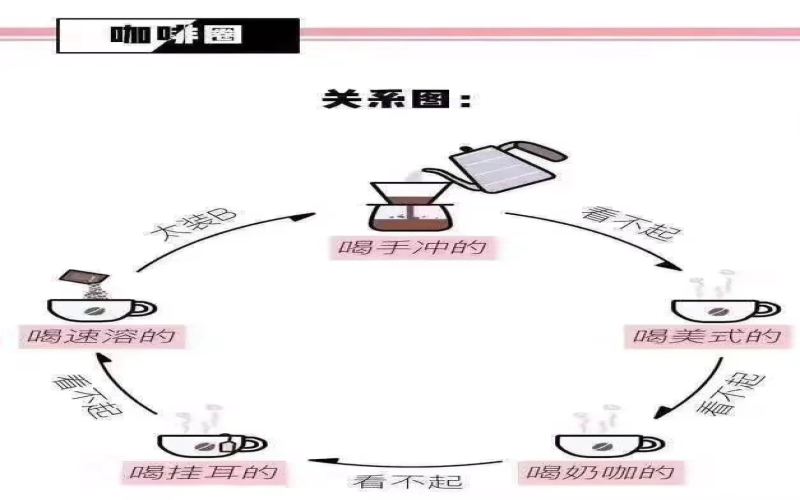
Behind the Freeze-Dried Coffee Craze: An Analysis of Instant Coffee Process Evolution and Flavor Differences
Freeze-dried coffee has become a new favorite in the coffee market in recent years, but many people are not clear about the real difference between it and traditional instant coffee. From the perspective of Front Street, this article sorts out the origin of instant coffee and its two core production processes—spray drying and freeze drying—analyzes why freeze-dried coffee can better preserve flavor, and how it breaks away from the stereotype of instant coffee. At the same time, the article also discusses the impact of raw material upgrades and packaging innovation on the popularity of freeze-dried coffee, helping readers fully understand the development context of this category and the reasons behind its market heat. [more…]
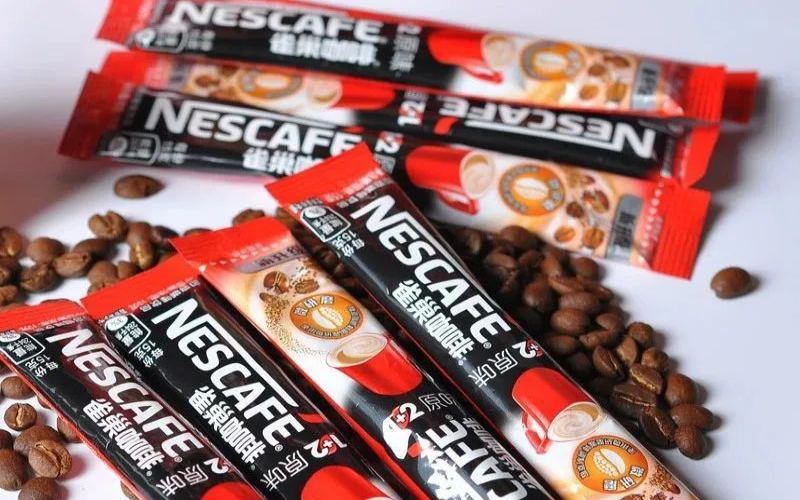
Why is freeze-dried coffee so expensive? From craft to market, breaking down the rise of specialty instant coffee
Instant coffee was once synonymous with Nescafé, Maxwell House, and Old Town, and sat at the bottom of the coffee snobbery chain. But today, new brands like Saturnbird, Yongpu, and Sumidagawa have given instant coffee a makeover, selling it as freeze-dried coffee at 4 to 7 times the price of traditional instant. Though it still falls under the instant coffee category, what exactly makes freeze-dried coffee so expensive? What is the essential difference between its production process and that of traditional instant coffee? Why did freeze-dried coffee, which rose to prominence in 2018, manage to tear open a gap in the instant coffee category and quickly grow into a market worth over 1 billion yuan? This article breaks down the logic behind the popularity of this cup of freeze-dried coffee from three dimensions: craft, brand, and market. [more…]

The Process Differences Between Instant and Freeze-Dried Coffee: A Comprehensive Analysis from Historical Origins to Production Principles
Instant coffee and freeze-dried coffee can both be enjoyed simply by adding hot water, and both belong to the convenient coffee camp—but are they really the same product under different names? The answer is no. From the coffee predicament of American soldiers in the 18th century, to the birth of Nestlé's spray-drying method, to the application of vacuum freeze-drying technology, these two technical routes have produced completely different flavor profiles. This article will systematically sort out the essential differences between instant coffee and freeze-dried coffee from multiple dimensions such as historical origins, production processes, and raw material selection, helping you understand why freeze-dried coffee can shed its "low-end" label and win back the favor of coffee lovers. [more…]

Freezing Coffee Beans for Storage | Should Coffee Beans Be Stored in the Refrigerator? Why Freeze Coffee Beans? How Should Coffee Beginners Store Coffee Beans Daily?
"Front Street Coffee recently noticed a topic in our chat group." How do you all store your coffee beans after buying them? In the fridge! I've seen many coffee experts keep their beans in the fridge. But won't the beans get damp in the fridge? The fridge is dry! (So Front Street Coffee interviewed various coffee beans 🎤) [more…]
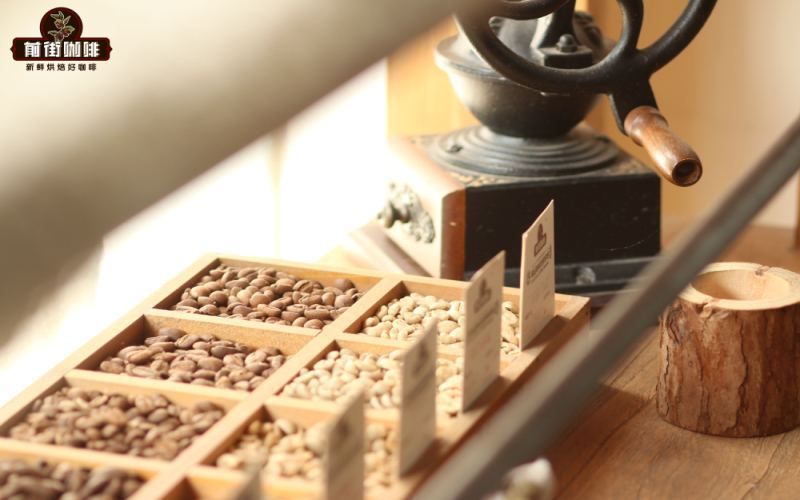
Instant Black Coffee Buying Guide: Flavor Review and Processing Analysis of Mainstream Freeze-Dried Coffee Brands
For many office workers, a daily cup of coffee has become a necessity, but buying it out over the long term adds up, making home brewing a money-saving solution. There are countless types of instant coffee—what exactly is the difference between freeze-drying and spray-drying, and how do their flavor profiles differ? This article first traces the history of instant coffee from its invention in 1901 to Nestlé's mass production, then analyzes how spray-drying and freeze-drying affect flavor, and finally presents Front Street Coffee's hands-on comparison of multiple instant coffee products from five brands—Tim Hortons, Yongpu, Eagle Eye, Saturnbird, and Coffee Box—to help you find the one that suits your taste. [more…]
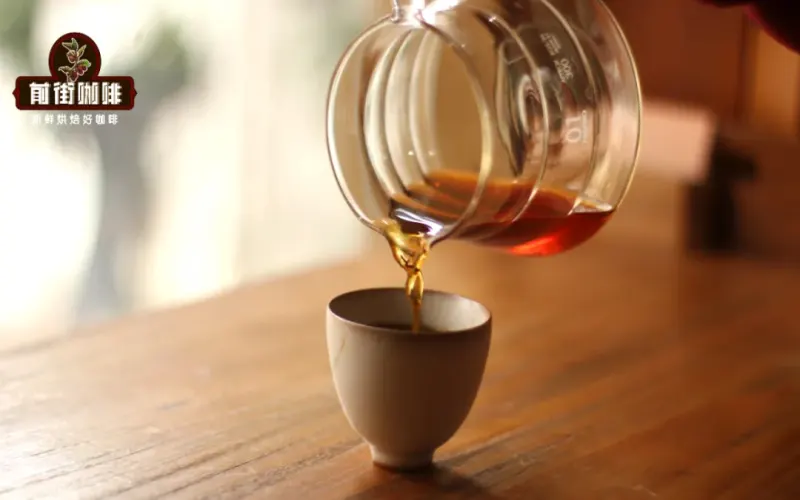
Is Freezing Coffee Beans Reliable? A Full Analysis of Sealing, Moisture Prevention, and Condensation Issues
What should you do if you buy too many coffee beans and can't finish them within their peak flavor window? The aroma of coffee dissipates along with carbon dioxide, so the brewed flavor naturally suffers. Some people therefore try putting their beans in the freezer, said to extend freshness—but does this method actually work? Low temperatures can indeed slow the loss of aroma, but freezing is not foolproof: improper sealing leads to odor transfer, and condensation strikes when you take the beans out. This article walks through the key points and common pitfalls of freezing coffee beans in detail, helping you decide whether this practice is worth trying. [more…]
Refrigerate or Freeze Coffee Beans? Key Storage Tips and Practical Methods for Storing Ground Coffee
After coffee is roasted, aromatic compounds continue to escape outward. If the amount purchased exceeds what can be consumed within its peak-flavor window, the flavor will suffer greatly. This article begins with conventional storage ideas such as sealing, protection from light, coolness, and dryness, then focuses on analyzing the recently popular method of freezing coffee beans: it can indeed slow the loss of aroma, but improper handling can backfire. The article unfolds around three key details—sealing to prevent odor transfer, condensation and moisture damage, and avoiding repeated removal and return—and offers practical advice on portioning for storage. Front Street also reminds everyone that coffee is ultimately best enjoyed fresh, and buying only what you need is the worry-free approach. [more…]
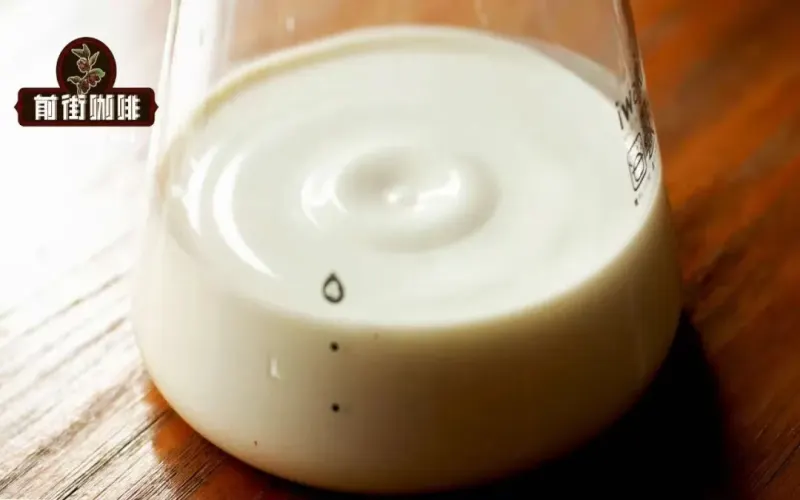
What Is Ice Breaker Purified Milk? A Guide to Making High-Concentration Fresh Milk at Home Using the Freeze Distillation Method for Dirty and Lattes
Front Street Coffee has frequently introduced ice bock—that is, purified milk—recently, and many friends want to know exactly how it differs from milk coffee made with ordinary fresh milk. Simply put, purified milk tastes richer, and its mouthfeel is fuller and more substantial. Besides buying it directly, you can actually easily make it at home: just freeze fresh milk and then thaw it, using the difference in freezing points among the components to remove some of the water, and you get milk with a higher concentration. In this article, Front Street Coffee will share the specific steps for purifying milk, how to judge the degree of purification, and how to adjust the ratios when using it to make milk coffees such as Dirty and latte, along with recommendations for coffee beans that pair well, to help you make a cup of rich yet not cloying purified milk coffee. [more…]
Should You Freeze Coffee Beans? A Detailed Guide to the Three Key Practices: Sealing, Condensation, and Portioning
After roasting is complete, the aromatic compounds inside the coffee beans begin to dissipate continuously, so how to properly preserve them within their peak-flavor window has become a concern for many enthusiasts. Beyond the usual method of sealing and keeping them away from light at room temperature, frozen storage has drawn considerable attention in recent years. It can indeed slow the loss of aroma, but improper handling can instead cause the beans to absorb moisture or pick up off-flavors. This article will focus on the three core precautions for freezing coffee beans—sealing, condensation, and avoiding repeated removal—and offer some easier preservation suggestions to help you retain as much of the coffee's flavor as possible in your daily brewing. [more…]
A Guide to Producing Purified Milk: Can Eisbock Be Used for Dirty and Lattes? A Full Analysis of the Freeze-Distillation Purification Method and Ratio Adjustments
Front Street has recently been sharing a lot about ice bock (concentrated milk), and quite a few friends are curious about how it actually differs from milk coffee made with regular fresh milk. Simply put, concentrated milk tastes richer and has a thicker mouthfeel. If you haven't tried it yourself, it's hard to imagine the texture, so you might as well make a cup and experience it. Besides buying ice bock online, you can also make it at home with just two steps: freezing and thawing. In this article, Front Street will break down in detail the principles of the freeze-concentration method, the key operational points, and separately explain the ratio strategies for using concentrated milk to make a Dirty and other milk coffees (such as lattes, flat whites, and cappuccinos)—for a Dirty, you can directly replace it in equal amounts, while for blended milk coffees, you need to adjust the amount of milk to avoid masking the coffee's flavor. It also retains product recommendations such as Front Street's classic blend and Queen's Estate SOE. [more…]
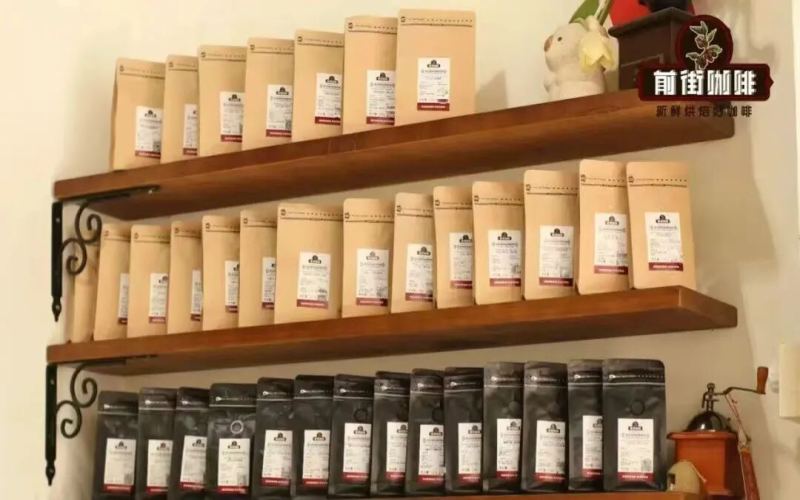
Coffee Bean Storage | Can You Use the Freezer to Keep Coffee Beans Fresh? Do Frozen Coffee Beans Need to Be Thawed Before Brewing?
Freezing is a very popular method of "preserving" coffee beans in recent years. Simply seal the coffee beans and toss them into the freezer, and the flavor loss of the coffee will slow down, thus extending its shelf life. Many friends have adopted this method to stock up on coffee beans purchased during Front Street Coffee's discount events. [more…]
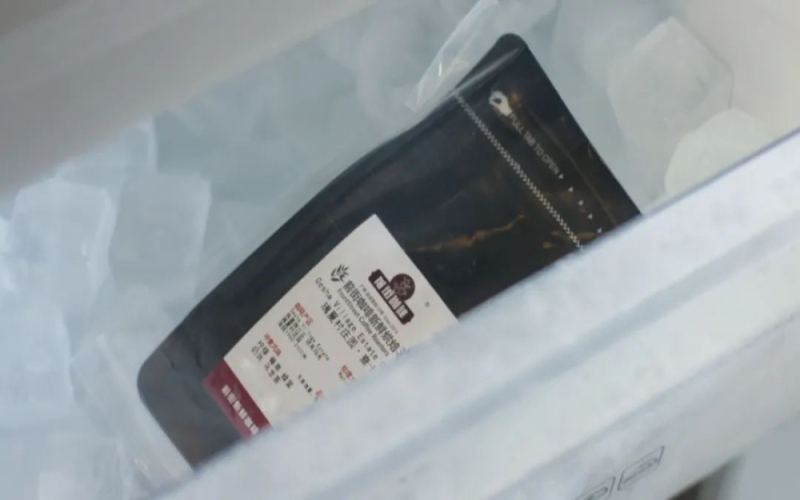
Can Freezing Coffee Beans Really Lock in Flavor? Front Street Coffee Explains the Truth and Practical Key Points of Frozen Preservation
Is the frozen coffee bean storage method circulating online actually able to extend the peak-flavor period and lock in the flavor? This time Front Street is going to seriously discuss this topic. Freezing can indeed slow down the oxidation rate of coffee beans, extending the optimal tasting period from 30 days to 2~3 months, but experiments show that frozen beans are actually in a "pseudo-fresh" state, and there is still a gap in flavor compared with the peak-flavor period. The real advantage of freezing lies in making the ground particles more uniform. However, there are too many variables in daily operation, such as needing to grind within one minute of thawing, adjusting brewing parameters, and improper sealing causing odor transfer. This article will break down the principles of frozen storage, the points to note, and give more practical bean storage suggestions one by one. [more…]

How long can coffee beans be stored frozen? Should they be thawed? Front Street's hands-on test reveals the right way
Freshness is the foundation of good-tasting coffee, but faced with Front Street Coffee's "30% off for 2 items, 50% off for 3 items" promotion, it's hard not to buy a few extra bags. As a result, questions keep pouring in about whether coffee beans can be frozen, how long they can be frozen, and whether they need to be thawed after taking them out. Starting from Front Street Coffee's actual testing, this article first clarifies the difference between freezing and refrigeration, then explains the impact of freezing on flavor, and finally offers specific operational advice such as freezing after resting, sealed portioning, and whether to thaw. If you also want to keep your stockpiled beans as tasty as possible, this article is worth reading to the end. [more…]
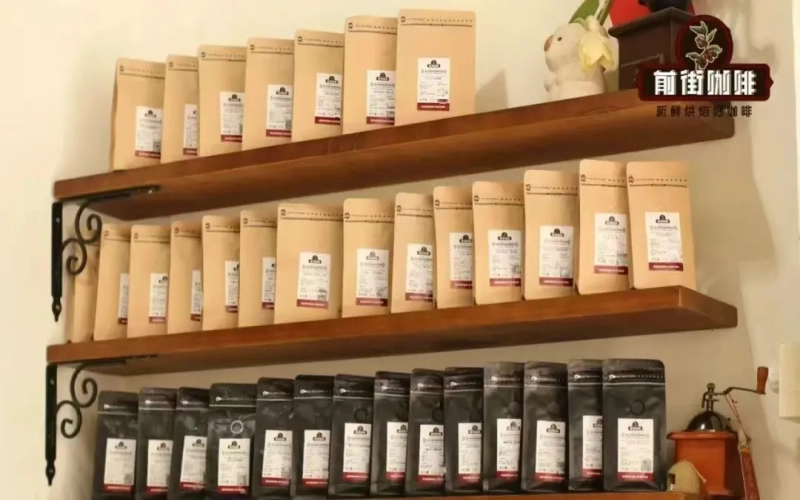
Do Frozen Coffee Beans Need to Be Thawed? From Storage Methods to Brewing Parameters, a Complete Guide to Using Frozen Coffee Beans Correctly
Does putting coffee beans in the freezer really extend their peak flavor window? Some friends have found that beans that have been frozen brew up with weaker aroma and a thin body, and so they suspect freezing is useless. In fact, freezing really can slow down coffee bean degassing and extend freshness, but only if storage and brewing are both done right. This article covers everything from airtight portioning and preventing condensation, to the two routes of brewing frozen beans directly versus brewing after thawing, and uses comparison data from Front Street Yirgacheffe · Gutingding to help you fully understand the complete operational logic of frozen coffee beans in one go. [more…]

Should Coffee Beans Be Refrigerated or Frozen? Understanding the Science of Freezer Freshness and Proper Everyday Storage
How to properly store coffee beans after bringing them home is a topic many enthusiasts often discuss. Some people habitually put their beans in the fridge, while others worry that moisture will instead harm the quality. After noticing this question in the community chat, Front Street specifically sorted out the principles behind frozen storage and the conditions for its use. Freezing can indeed slow oxidation and lock in flavor, but improper handling can also lead to moisture and flavor transfer issues. This article will explain the purpose of freezing coffee beans, its effect on grinding, the hardware conditions that need to be met, and more practical ways to store coffee beans day to day, helping you keep your beans in good condition at home. [more…]

How to Make Ice Cube Coffee? Espresso Freezing and Storage Tips with Three Pre-Made Options: Iced Americano, Iced Latte, and Iced Pour-Over
On a scorching summer day, a glass of iced coffee never fails to bring instant refreshment. But on a busy morning, who has the patience to wait for a cold brew to slowly filter? This time, Front Street Coffee is sharing a lazy-person solution that only requires freezing coffee liquid into ice cubes ahead of time and simply adding water or milk before heading out—ice cube coffee. The article breaks down in detail three methods: ice cube Americano, ice cube latte, and ice cube pour-over, explaining everything from bean selection and extraction parameters to freezing and melting details, while also objectively analyzing the loss of oils and aroma in pre-made coffee. If you want to sleep ten extra minutes without giving up a decent glass of iced coffee, this method is worth a try. [more…]
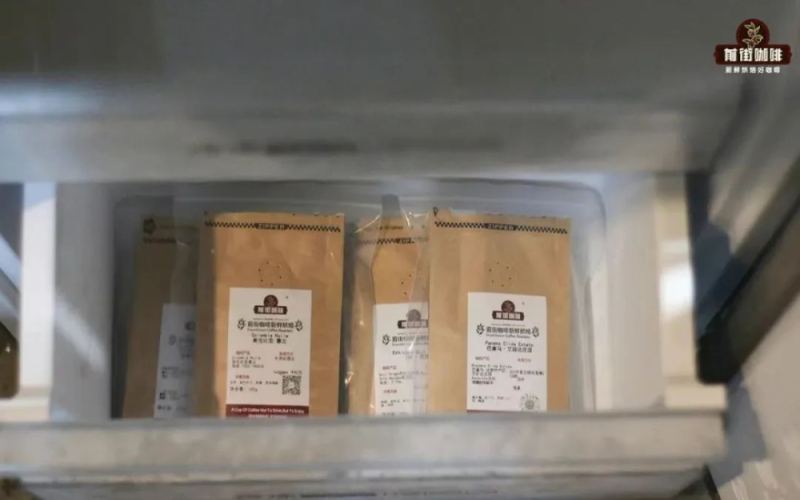
The Complete Guide to Coffee Bean Storage: Can Freezing in the Refrigerator Extend Freshness and Key Points for Moisture and Odor Prevention
Bought too many coffee beans and can't finish them for a while—can you just toss them in the fridge? Should they go in the refrigerator or the freezer? This article centers on the real goal of "freshness"—preserving aroma—and breaks down the five great enemies: strong light, high heat, moisture, oxygen, and odors, while offering practical home freshness-locking solutions. It also draws on the experimental conclusions of Swiss scientist SAMO SMRKE to explain that freezing can significantly slow down coffee bean degassing and delay the peak flavor period, but improper handling can also lead to air leakage, moisture absorption, and odor transfer. At the end, Front Street's detailed freezing and thawing tips are included to help you store your beans more reliably and enjoy better-tasting coffee. [more…]

How Long Can Coffee Beans Be Stored? Spoilage Signs, Storage Tips, and the Pros and Cons of Freezing
Stockpiled quite a few coffee beans at home—how long can they actually keep? Does the 12-month shelf life on the label equal the optimal flavor period? This article starts with the principles of coffee compound degradation, explains why improper storage causes coffee to lose its flavor prematurely, and offers practical ways to tell if coffee has gone bad. It also compiles preservation principles such as sealing, keeping cool, and keeping dry, analyzes the pros and cons of freezing coffee beans, and reminds you to drink them as soon as possible after opening the bag. If the coffee smells musty, has a moldy odor, or looks abnormal in color, Front Street recommends discarding it for drinking and repurposing it as a deodorizer instead, to avoid affecting your health and taste experience. [more…]