







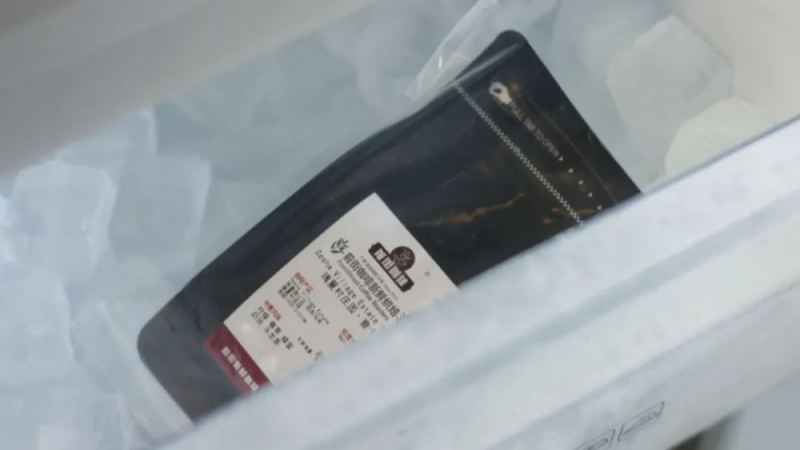
Does freezing coffee beans really extend the peak flavor period?
Freezing does slow the oxidation and metabolism of roasted coffee beans, extending the optimal flavor window from roughly 30 days to 2 to 3 months. Frozen beans are not truly fresh, however: they sit in a pseudo-fresh state, and the cup loses some aroma and layering compared with beans used inside the peak period.
The clearest benefit is more uniform ground particles, but everyday use brings variables. Grounds should be used within about a minute of thawing, brewing parameters often need adjusting, and poor sealing lets the beans absorb odors from the freezer. Front Street Coffee suggests buying amounts that fit the peak window and freezing only the surplus in airtight portions.
The frozen coffee bean storage method circulating online—can it really extend the peak flavor period and lock in the flavor? This time, Front Street is going to seriously discuss this topic. Freezing can indeed slow down the oxidation rate of coffee beans, extending the optimal flavor period from 30 days to 2~3 months, but experiments show that frozen beans are actually in a "pseudo-fresh" state, with a gap in flavor compared to within the peak flavor period. The real advantage of freezing lies in making the ground particles more uniform. However, in daily operations there are too many variables, such as needing to grind within one minute of thawing, adjusting brewing parameters, and improper sealing causing flavor contamination. This article will break down the principles of frozen storage, precautions, and give more practical bean storage suggestions one by one.
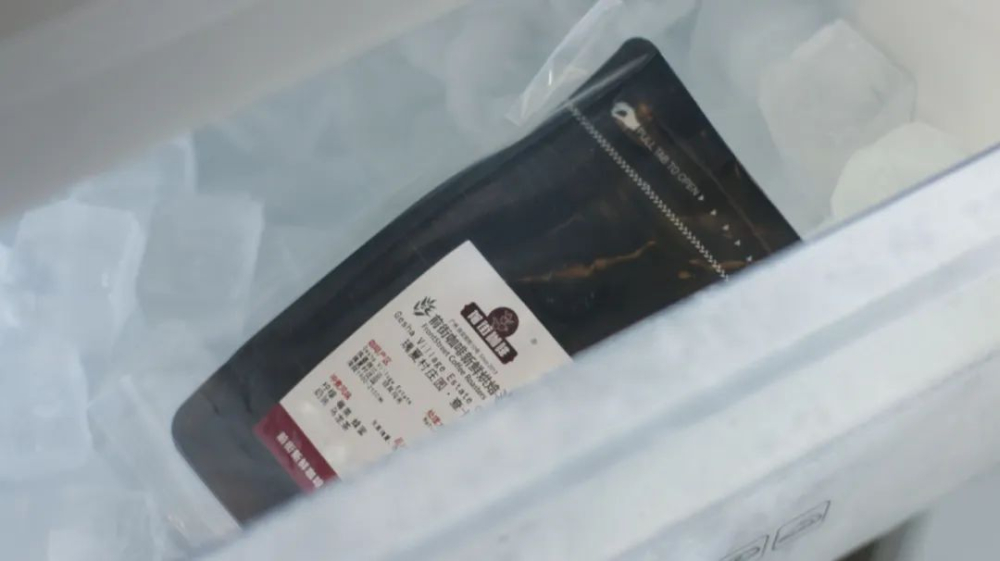
Many friends probably started having questions after seeing the method of freezing coffee beans online. Today, Front Street will chat with everyone about whether putting coffee beans in the freezer can actually achieve a "fresh-keeping" effect.
Do beans also need "fresh-keeping"?
Don't misunderstand—the "fresh-keeping" mentioned here is not about preventing spoilage like with vegetables and fruits, but about retaining as much as possible the aromatic compounds in coffee beans, which is what we commonly call coffee flavor.
After a coffee bean is roasted, it enters its optimal flavor period from the fourth day and lasts until around the thirtieth day. During this time, its flavor performance is at its fullest, one could say it is at its peak. Once it exceeds thirty days, the aroma and layers will gradually decline, and beans that could originally brew a rich taste will gradually become water with only coffee flavor left.
So, when you buy too much and can't finish it within the optimal flavor period, everyone naturally thinks of ways to "keep it fresh," and freezing is one of the more widely circulated methods online.
Why can freezing "keep coffee beans fresh"?
In a low-temperature environment, the oxidation and metabolism rates of coffee beans are significantly slowed down, and the pace of flavor loss also slows down, thereby extending the optimal flavor period. Some studies show that frozen storage can extend the optimal flavor period to 2~3 months, during which the beans can maintain a "fresh" state.
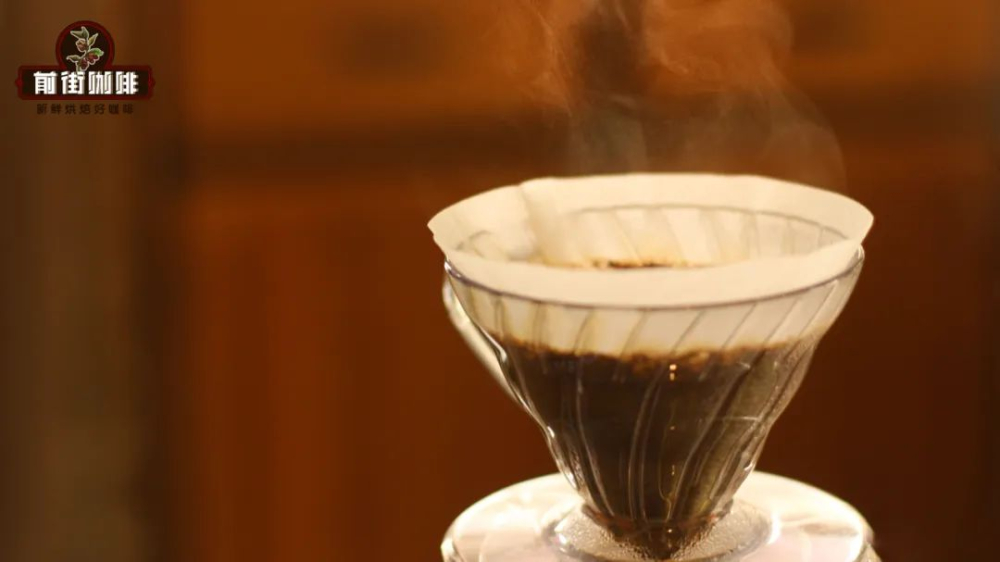
But an experiment conducted earlier by Front Street proved that beans that gain a longer optimal flavor period through freezing actually only remain in a "pseudo-fresh" state. The brewed coffee still has a slight gap in flavor compared to its performance within the optimal flavor period. The common frozen coffee bean method online is mainly aimed at making the ground particles more uniform.
Why can freezing make grinding more uniform?
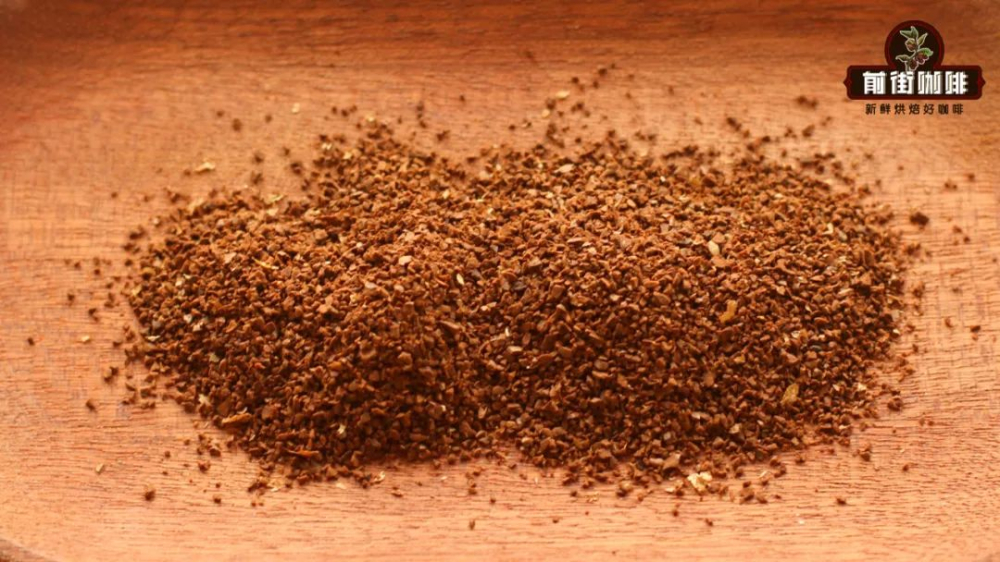
Frozen coffee beans have a crisper texture than at room temperature, and the moisture and oils inside the beans are in a solidified state. Grinding at this time will greatly reduce the amount of fines produced, and the resulting particles will be more uniform than unfrozen beans.
But! It is not recommended that everyone copy this method in daily life, because there are too many variables and the aspects to consider are relatively complex.
1. Frozen coffee beans must be ground as soon as possible
First, the temperature difference between the inside and outside of the refrigerator is huge. The moment the beans are taken out of the freezer, thawing has already begun, and within less than a minute, moisture will condense on the surface of the beans.

In other words, if you haven't ground and brewed within one minute, the moisture produced by the temperature difference will not only affect the grinding quality but also introduce more variables into the brewing process; the key point is that it is quite hard on the grinder. Moreover, the whole chain of taking the beans out of the refrigerator, grinding, and brewing must start within one minute—the timing is really too tight.
2. Brewing parameters need to be adjusted
Second, the brewing parameters must also be changed accordingly. Low-temperature beans inevitably require stronger extraction, such as increasing the water temperature or making the grind finer; otherwise, it is easy to get a cup of under-extracted coffee, which is completely contrary to the original intention. And these are only the brewing problems that need to be solved after freezing; there is far more to pay attention to with frozen coffee beans than these.
What should be noted with frozen coffee beans?
Frozen coffee beans are not just about throwing them into the freezer and being done; sealing must be done well, and it is best to vacuum-seal them before storing.
(Example image)
Otherwise, if the sealing is not done properly, all kinds of odors in the refrigerator will get into the coffee bean bag and be inhaled by the beans' "breathing," and then you will get a "refrigerator honey-process" coffee bean. After grinding and brewing it, the coffee flavor will inevitably carry some "special" notes.
(The picture shows the wrong way of placing beans in the freezer without taking any measures)
In addition, frozen coffee beans can only be thawed once; after being taken out of the refrigerator, they cannot be put back in the freezer. So experienced people usually divide the beans into single-brew portions and freeze them separately.
So, how exactly should beans be stored?
The simplest way is to try not to stockpile beans, because no matter how they are stored, they are not as good to drink as when the beans are fresh. This is also the core concept Front Street has insisted on for many years: fresh beans are still the best! If you have already bought a lot and have to face the storage problem, you can move on to Front Street's article "Coffee Bean Storage" to find a more suitable method for storing beans and extending the optimal flavor period.
Front Street Coffee (FrontStreet Coffee)
No. 10, Baoan Qian Street, Yandun Road, Dongshankou, Yuexiu District, Guangzhou, Guangdong Province
The above content is compiled by CoffeeHunters, a coffee news website.


