








"Front Street recently noticed a topic in the chat group"
How do you all store coffee beans after buying them? In the fridge! I've seen many coffee experts put their beans in the fridge. But won't the beans get damp in the fridge? Fridges are dry! (So Front Street interviewed various coffee beans 🎤)
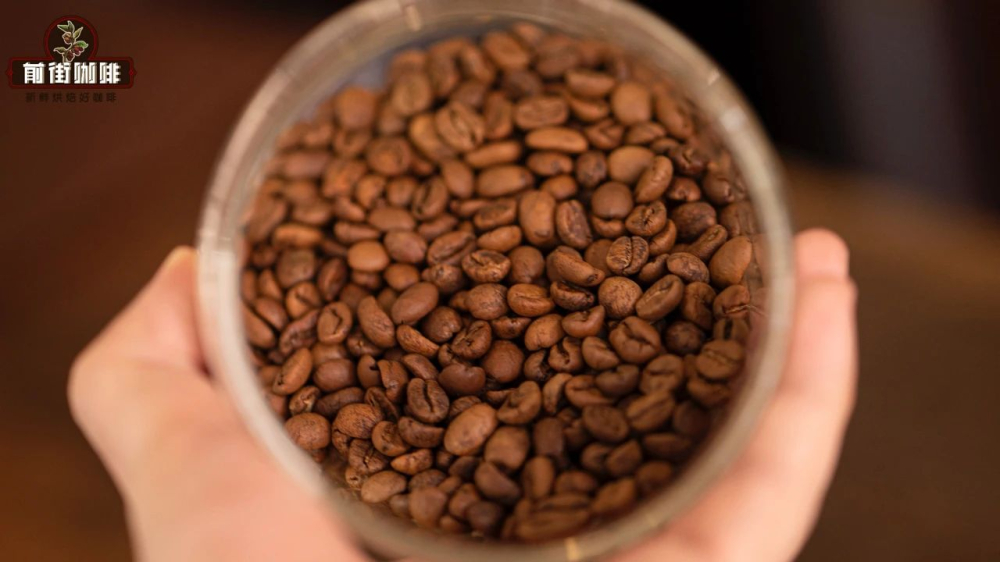
First, we need to understand why freeze coffee beans?
What is the purpose of freezing coffee beans?
The purpose of freezing coffee beans is to keep them fresh. Freezing for freshness is often used by merchants after large-batch roasting to ensure the freshness of coffee beans. Freezing can greatly reduce the oxidation and metabolic rate of coffee beans, effectively "locking in" flavor compounds within the beans. Studies show that in a frozen state, coffee flavor can remain in good condition for 2-3 months. Although freezing can preserve the flavor of coffee, the beans are in a "pseudo-fresh" state; even if the flavor is close, it definitely won't taste as good as freshly roasted beans a few days after roasting.
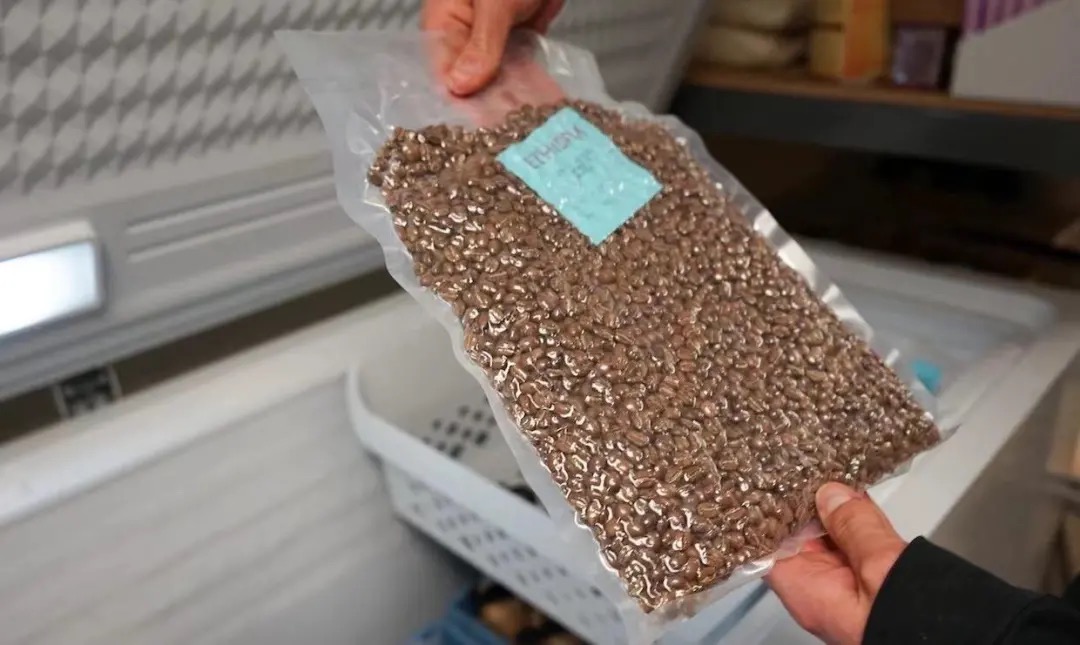
(Schematic diagram)
Front Street often emphasizes the freshness of coffee beans ~ Freshly roasted coffee beans have their optimal flavor period from 4 to 30 days after roasting is completed. Why is it 4 days after roasting? Freshly roasted coffee beans produce a large amount of carbon dioxide inside, and the smoke generated during roasting gives the beans a smoky, pungent taste after roasting is completed.

During these 4 days, the coffee beans release carbon dioxide on their own through the one-way exhaust valve, and the carbon dioxide carries away the smoky pungent smell along with it. This period is what we commonly call the resting period. Of course, depending on the roast level and roasting approach, the resting time for coffee beans varies; 4 days is the "minimum" resting time.
So why do coffee experts freeze coffee beans?
To improve the grinding quality of coffee beans, making the ground particles more uniform. Frozen coffee beans become more brittle, and the oils in the beans are in a solidified state. Grinding at this point makes the coffee particles more uniform and reduces the production of overly coarse or overly fine particles.
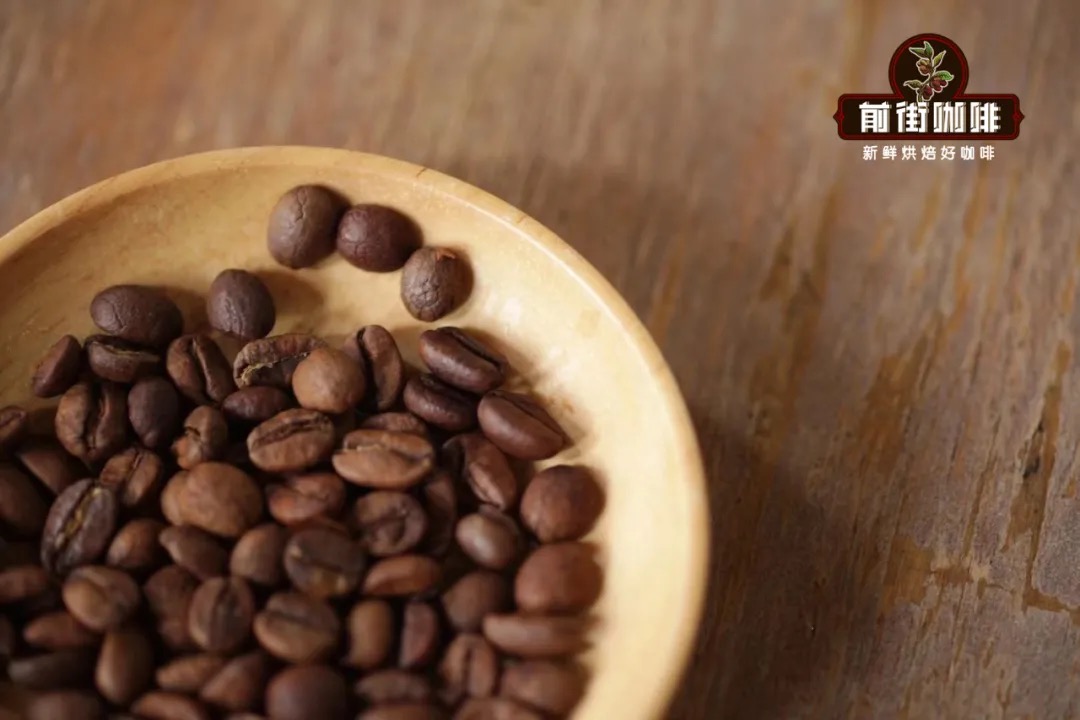
(Note! This is in a frozen state, taken out and ground immediately. Once thawed, moisture will form on the surface of the coffee beans due to the temperature difference, which not only affects grinding but also affects the flavor expression of the coffee). Moreover, during the brewing process, the water temperature also needs to be adjusted because the coffee grounds are at a lower temperature than room temperature.
So can we also use this method in our daily brewing to make coffee particles more uniform? Front Street thinks it's unnecessary ~ First, this frozen grinding requires very fast operation. Because the temperature difference is too great, in many cases frozen beans will start to produce moisture in less than 1 minute after returning to room temperature.
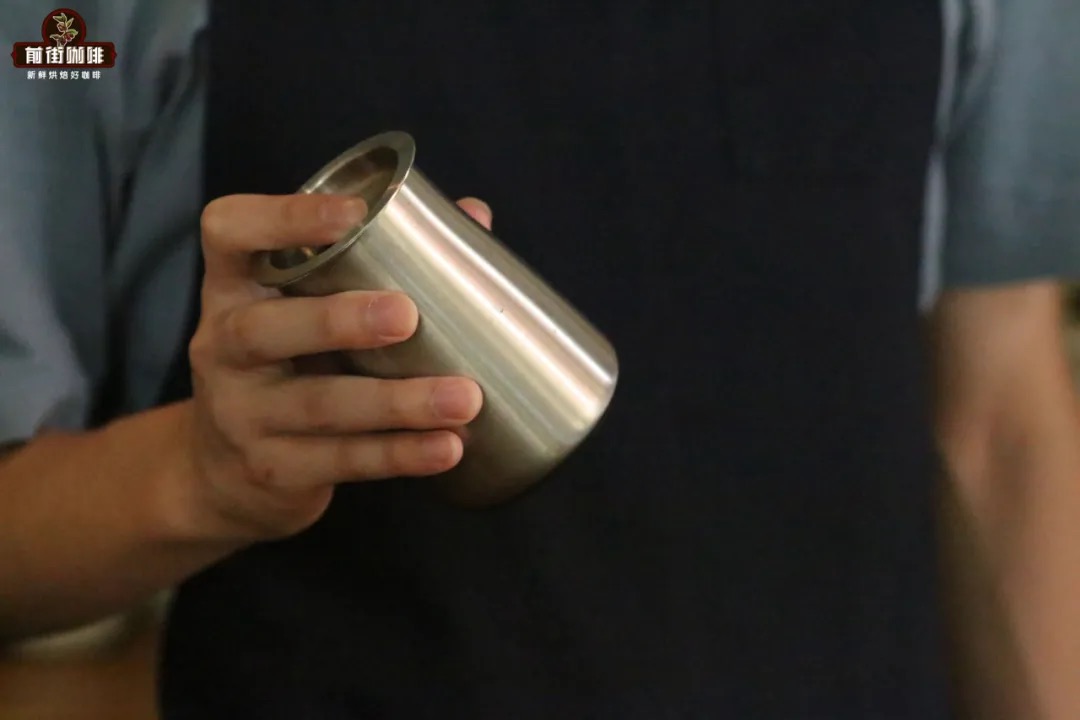
Second, hardware is also an important factor. If you find that coffee beans are very unevenly ground in daily use, it is recommended to replace with a better-quality coffee grinder. If there is only an excess of fines, it is recommended to buy a fines sifter to sift out the fines.
What conditions are needed for freezing coffee beans?
Freezing coffee beans is not as simple as everyone thinks; it's not just putting them in the fridge. After roasting, coffee beans are placed into portion bags, the gas inside the packaging is extracted, and then they are sealed, keeping the coffee beans in a vacuum state before placing them in a -18°C to -21°C freezer for freezing. Once frozen coffee beans are thawed, they cannot be frozen a second time.
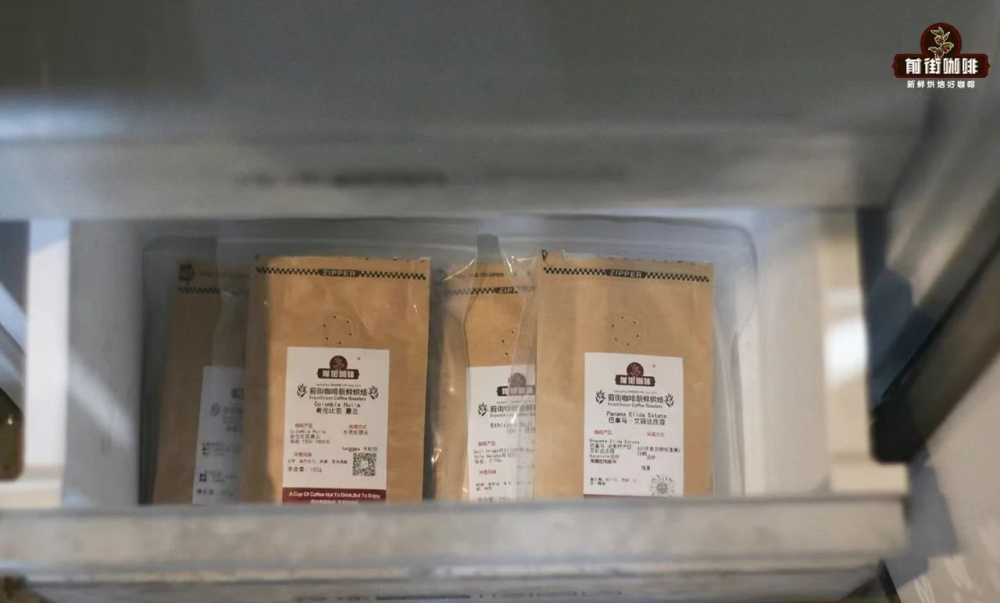
(Schematic diagram)
Front Street has heard that many enthusiasts like to put the original packaging into the refrigerator's crisper compartment. If opened coffee beans are not properly sealed, the "colorful" odors in the fridge like to run into the coffee bean bag, and coffee beans happen to be in a "take-all-comers" state, absorbing everything. After grinding and brewing such beans, the taste can make you question life!
How to store coffee beans in daily life?
First, when buying coffee beans, try not to stockpile beans; buy the next bag after finishing one. When storing coffee beans, choose a cool and dry place; high temperatures will accelerate the dissipation of the beans' flavor.
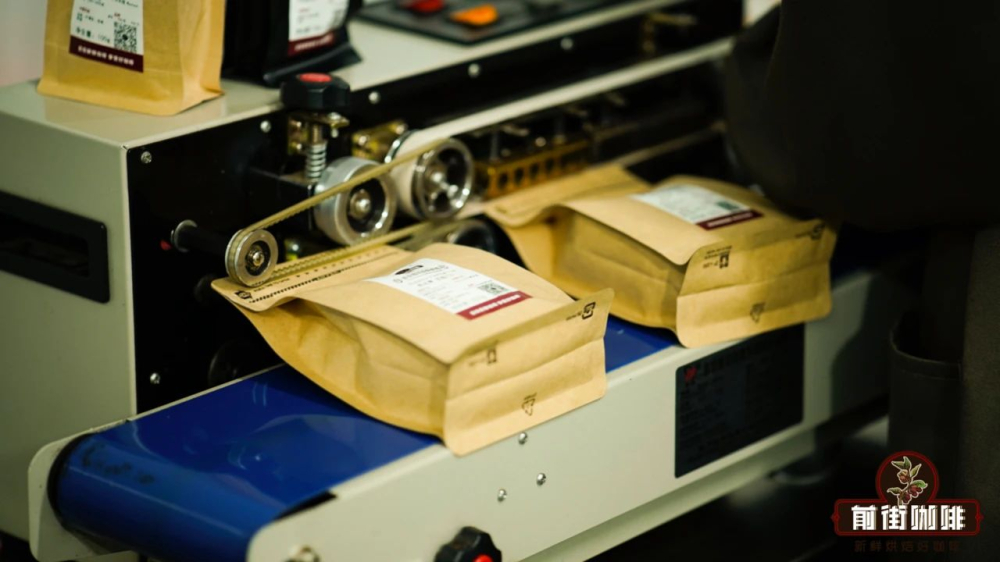
For storage, you can choose to keep them in the original packaging. The coffee bean packaging sold by Front Street all has a one-way exhaust valve, which can release gas inside the packaging while also blocking outside gas from entering, but remember to seal the zipper properly ~ Those who can, may also purchase vacuum-sealed canisters for storing coffee beans.
The above content is compiled by CoffeeHunters, a coffee news website.

