







Search Results for: sealed

Home Coffee Bean Storage Methods | Can Freshly Roasted Coffee Beans Be Frozen in the Refrigerator? Can Sealing the Degassing Valve Slow Down the Loss of Coffee Bean Flavor?
Recently, everyone has probably stocked up on beans during Double Eleven. The questions asked to Front Street are all things like "How long can the flavor of unopened coffee beans be preserved at most?" and "How can opened coffee beans be stored to slow down the rate of flavor loss?" Today, Front Street will talk about the issue of storing coffee beans. How long can the flavor of coffee beans be preserved? Can it be asked this [more…]
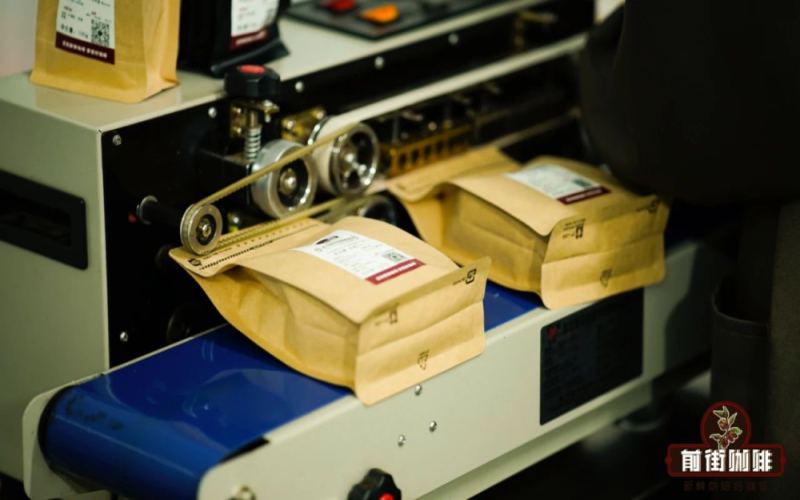
Coffee Grounds Storage | What Factors Affect the Freshness of Roasted Coffee Beans? How Long Is the Shelf Life of Freshly Ground Coffee? Do Coffee Beans Still Need to Be Rested After Grinding?
Recently, a friend asked Front Street Coffee: "Why should the air valve be sealed after coffee beans are ground into powder? Wouldn't that prevent the carbon dioxide inside the package from escaping?" The meaning of the exhaust valve on coffee packaging. Front Street Coffee immediately seals and packages the coffee beans after roasting and cooling, which can minimize the loss of coffee bean flavor. [more…]
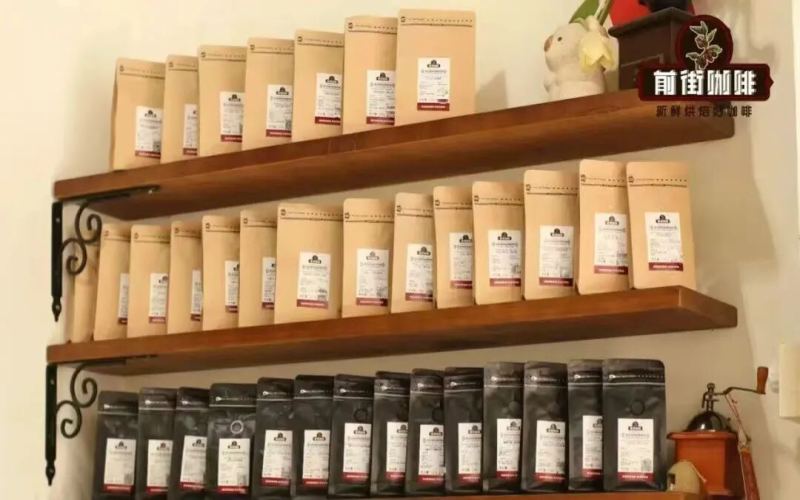
Coffee Bean Storage | Can You Use the Freezer to Keep Coffee Beans Fresh? Do Frozen Coffee Beans Need to Be Thawed Before Brewing?
Freezing is a very popular method of "preserving" coffee beans in recent years. Simply seal the coffee beans and toss them into the freezer, and the flavor loss of the coffee will slow down, thus extending its shelf life. Many friends have adopted this method to stock up on coffee beans purchased during Front Street Coffee's discount events. [more…]
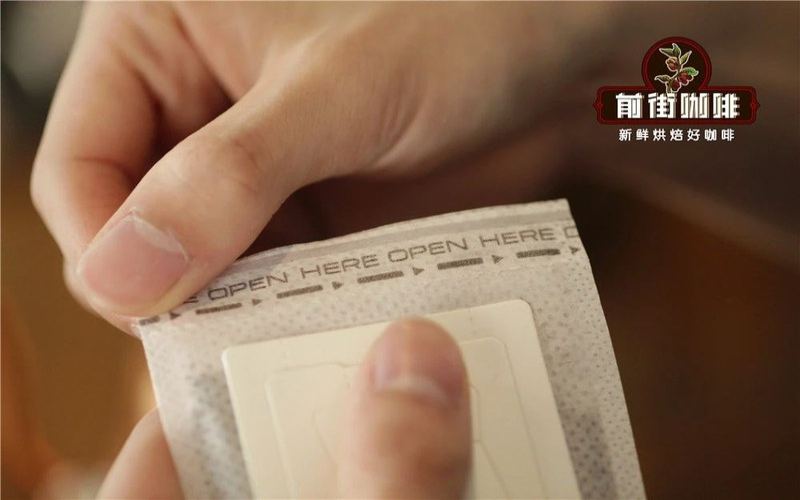
From Roast Date to Sealed Bag: The Flavor Rhythm of Commercial Coffee Beans
Coffee beans are not more aromatic the closer they are to the roast date. Freshly roasted beans contain more carbon dioxide, which can cause uneven water penetration in the puck when pulling espresso; the crema may look thick and rich, but the sip feels loose and disconnected. After resting for a period, the gas is slowly released, and notes of nuts, cocoa, or caramel only then become coherent. When selecting commercial beans, take the roast date into account [more…]
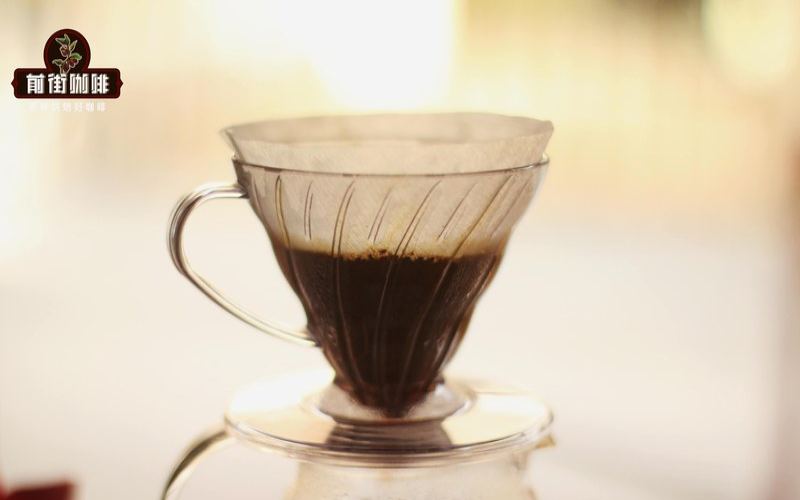
From flavor window to sealed storage: a beginner's guide to the drinking rhythm of choosing espresso blend beans
Roasted espresso coffee beans are in an active degassing phase, and paying attention to the roast date when choosing beans can help you plan your drinking rhythm. Freshly roasted coffee beans accumulate a large amount of carbon dioxide inside. If you extract immediately, the bubbles can easily interfere with the contact between the water flow and the coffee grounds, making the espresso's crema coarse and the flavor astringent. [more…]
How to Determine the Peak Flavor Window of Commercial Coffee Beans? A Flavor Timeline from Degassing and Resting to Opening the Bag and Sealing It
The flavor profile of commercial coffee beans evolves continuously over time; the moment they finish roasting is not when they immediately reach their ideal flavor. After being heated, the interior of the bean traps a large amount of carbon dioxide, and this gas continues to be released outward over the first few days. Understanding the degassing and maturation process helps us more calmly plan each [more…]
Master the flavor window of light-roast pour-over: understanding the degassing cycle and sealed storage to make aroma last longer
After light-roasted coffee beans leave the roaster, subtle gas exchange continues inside them. The large amount of carbon dioxide accumulated during roasting slowly escapes through the loose fibrous structure, and this natural release process directly affects the penetration efficiency of hot water molecules. Understanding the breathing rhythm of coffee beans can help me [more…]
The Flavor Peak of Espresso: Understanding Roast Dates, Degassing Cycles, and Daily Sealed Storage
Espresso extraction is extremely sensitive to the state of the carbon dioxide inside the coffee beans, and the completion of roasting does not mean the beans immediately reach the balance point for aroma release. Freshly roasted coffee beans are packed with a large amount of gas inside. If pressurized extraction is carried out right away, the water flow is easily obstructed by bubbles, leading to uneven extraction and bringing out too many off-flavors. Understanding [more…]
The Flavor Window of Hand-Ground Coffee: The Rhythm from Degassing Rest to Opening and Sealing
Freshly roasted coffee beans trap a large amount of carbon dioxide inside. When these gases are released rapidly upon grinding and contact with hot water, they form violently expanding bubbles. If you grind and brew immediately after roasting, the intense degassing process will prevent hot water from fully contacting the coffee grounds, preventing flavor molecules from dissolving smoothly. The princi [more…]
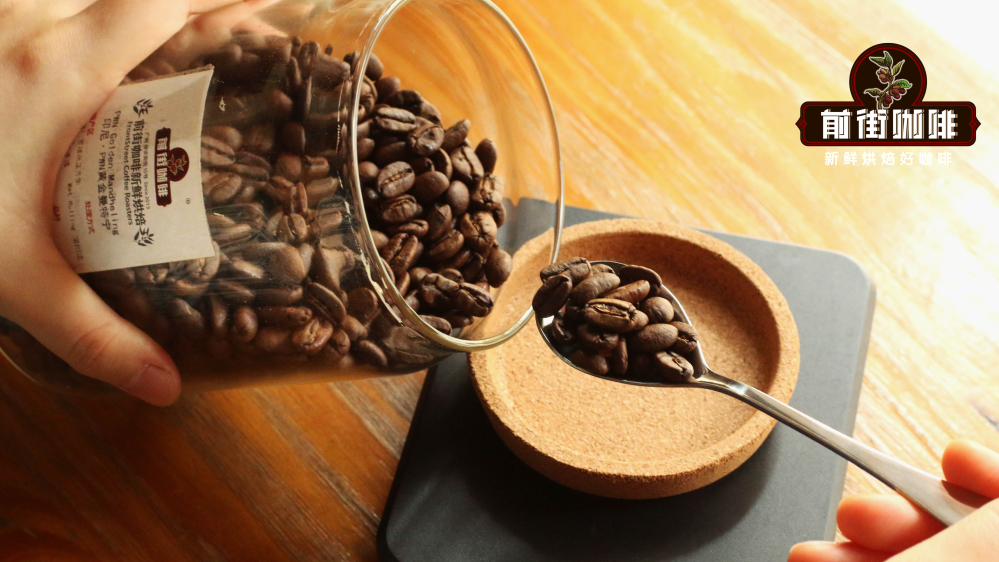
Specialty Coffee Bean Storage | How Long Can Hand-Brewed Single-Origin Beans Be Stored? Can Coffee Beans Be Stored in the Refrigerator? What Factors Affect Coffee Freshness?
Introduction: How long do coffee beans stay fresh? What is the best way to store coffee beans? Should coffee beans be kept in the refrigerator? The freshness of coffee beans directly affects the flavor of a cup of coffee, and proper storage is a key factor influencing their freshness. Front Street Coffee would like to emphasize that there are mainly two ways to store coffee beans. [more…]
Espresso Flavor Window Analysis: Managing the Flavor Rhythm from Degassing Rest to Opening and Sealing
Freshly roasted coffee beans are filled with active carbon dioxide gas internally. During extraction, this gas creates resistance that prevents hot water from fully contacting the coffee grounds. For espresso extraction, excessive gas makes the crema appear coarse and dissipate quickly, while the flavor tends toward dryness. Allowing the roasted beans to [more…]
When to Start Drinking Espresso Beans: Roast Date, Degassing, and Storage Rhythm
After coffee beans leave the roaster, their flavor does not settle immediately. The beans continue to release carbon dioxide; when freshly roasted beans are used to make espresso, the puck is easily disturbed by the gas, making flow rate and extraction uniformity harder to stabilize. So-called freshness does not mean the closer to the roasting moment the better, but rather allowing aroma liveliness, degassing state, and [more…]
Opening Rhythm and Flavor Changes of Dark Roast Pour-Over Beans
When brewing pour-over with dark roast coffee beans, the flavor usually unfolds with notes of cocoa, roasted nuts, and caramel sweetness; when the water temperature is right, you can also taste a rounded, sweet finish. However, for these beans, the journey from completion of roasting to the first sip is not a straight line from opening the bag to drinking. Degassing rate, time after opening, and storage method all alter the aroma, body, and [more…]
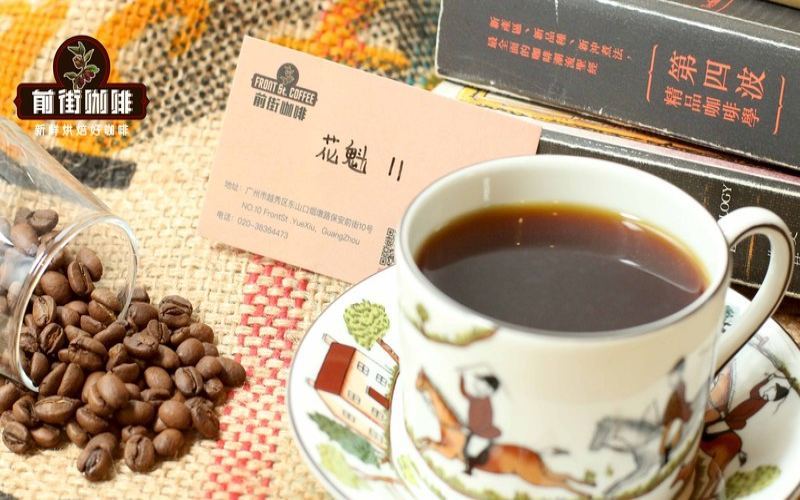
Yirgacheffe Flavor Calendar: From Roast Date to After Opening
The allure of Yirgacheffe lies in how white flowers, citrus, and a tea-like quality gradually unfold after roasting. Brewing it soon after roasting means the cup may be disturbed by more gas, with the aroma slightly tight and the acidity and sweetness not yet fully integrated; leave it too long, and the bright fruity notes slowly fade. Freshness is not about being as close to the roast date as possible, but about the beans [more…]
On which day after roasting do latte beans taste best?
After coffee beans are roasted, the aroma does not reach its ideal state on the same day. The beans are still releasing carbon dioxide, and if they are used to extract espresso too early, the puck is easily disturbed by gas, the flow rate is not stable enough, and the fruity notes and caramel sweetness beneath the milk foam may also seem loose. When making a latte, judging freshness cannot rely only on how recent the date is, [more…]

When Buying Beginner Pour-Over Beans, Check the Roast Date: Master the Peak-Flavor Window and Sealed Storage Tips
Freshly roasted coffee beans have accumulated a large amount of carbon dioxide inside, and at this point the bean structure is tight and the aromatic compounds have not yet fully unfurled. If brewed immediately after roasting, the violently released gas can easily prevent hot water from evenly penetrating the coffee grounds, often making the extracted coffee taste thin or sour. Give the coffee beans a [more…]
Introduction to Anaerobic Fermentation in Coffee | What Is the Anaerobic Fermentation Processing Method? What Is the Difference Between Anaerobic Natural, Anaerobic Washed, and Double Anaerobic Coffee Processing Methods?
Anaerobic Fermentation has been very popular in the coffee world in recent years, mainly because Sasa Sestic, the Australian competitor who won the 2015 WBC, started this trend, and even in 2018 WB [more…]
After the Roast Date: A Flavor Calendar for Pour-Over Beans That Are Neither Sour Nor Bitter
When coffee beans have just left the roaster, they are still continuously releasing carbon dioxide internally, and their aromas do not fully unfold right away. If you grind them too early for pour-over, the coffee bed tends to puff up, and the degassing also disturbs the water flow, so the cup may taste both hollow and harsh. If you want to drink a cup where both the acidity and bitterness are mellow, the key is not to chase the roast date and open the bag on the same day, but to let the beans [more…]
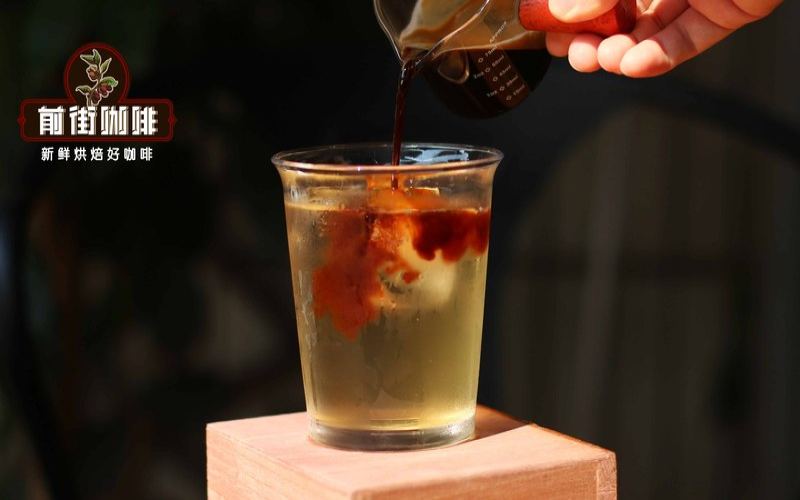
After the roast date, when does a home espresso blend taste better?
After coffee beans leave the roaster, they continue to release carbon dioxide, and espresso extraction amplifies this change. If you open the bag immediately after roasting, the puck tends to swell rapidly when it meets water, and both the flow rate and the crema layer are more active; after resting for a few days, gas release slows down, and sweetness, body, and aroma usually come together more easily in the same cup. [more…]
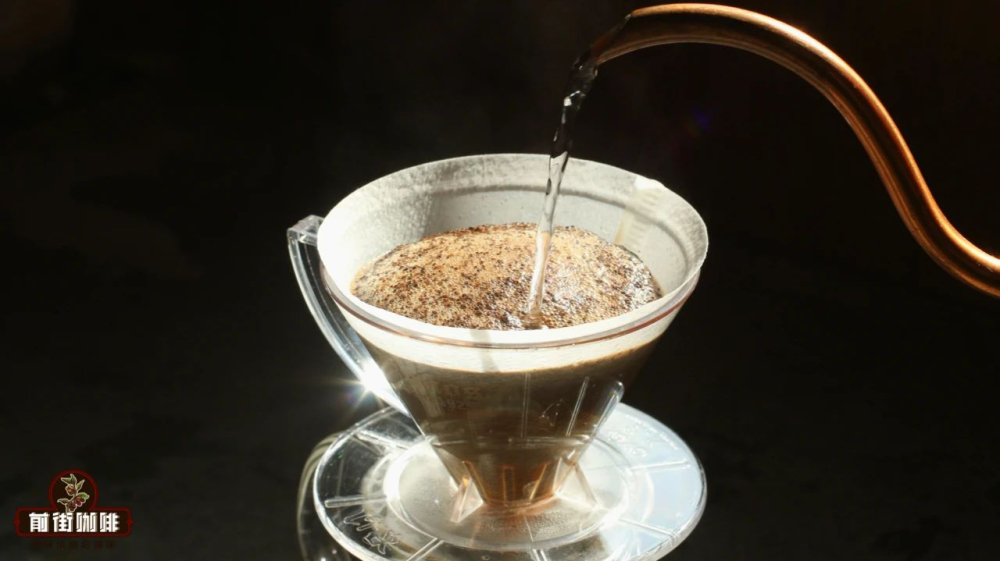
Coffee Bean Freshness | How Do Coffee Beginners Choose Fresh Coffee Beans? How Long Can Coffee Beans Be Stored After Opening? Which Is Better: A Sealed Coffee Bean Storage Canister or Storing Coffee Beans in the Refrigerator?
Many friends assume that freshly ground coffee means fresh coffee, but that's not actually the case. In reality, to truly enjoy the aroma of coffee, it's not just about grinding fresh—the roast time of the coffee beans also matters to some extent. Front Street Coffee has always placed great emphasis on the freshness of coffee beans, high [more…]