







Does Freezing Coffee Beans Really Protect Coffee Aroma?
Freezing slows the loss of coffee aroma but does not stop it. In very low temperatures the aromatic compounds and carbon dioxide escape more slowly, so beans kept frozen and properly sealed can hold their flavor longer than beans left at room temperature. The method works only when the cold chain stays unbroken and the beans go straight from freezer to grinder.
The catch is handling. A home freezer usually holds other food, so weak sealing lets beans pick up off-odors, and pulling them out into warm air causes condensation on the cold surface. Store beans in an airtight, light-blocking container in a dark, cool, dry place, and if you do freeze them, portion them out so each batch is opened only once.
Bought too many coffee beans and can't finish them within the peak flavor period? The coffee's aroma dissipates along with the carbon dioxide, and the brewed taste naturally suffers. So some people try putting the beans in the freezer, saying it extends freshness—does this method actually work? Low temperatures can indeed slow aroma loss, but freezing isn't foolproof: improper sealing leads to flavor transfer, and condensation strikes when you take them out. This article lays out the key points and common pitfalls of freezing coffee beans, helping you decide if it's worth trying.
Sometimes you buy too many beans on a whim and can't possibly finish them within the peak flavor period. If left sitting around, the coffee's aromatic compounds slowly dissipate just like carbon dioxide. By then, brewing yields not only a thin aroma but also a flat, layered-less cup, leaving only basic water-soluble tastes. So when the beans on hand exceed what the peak flavor period can handle, we always think up ways to keep those aromatic compounds around as long as possible.
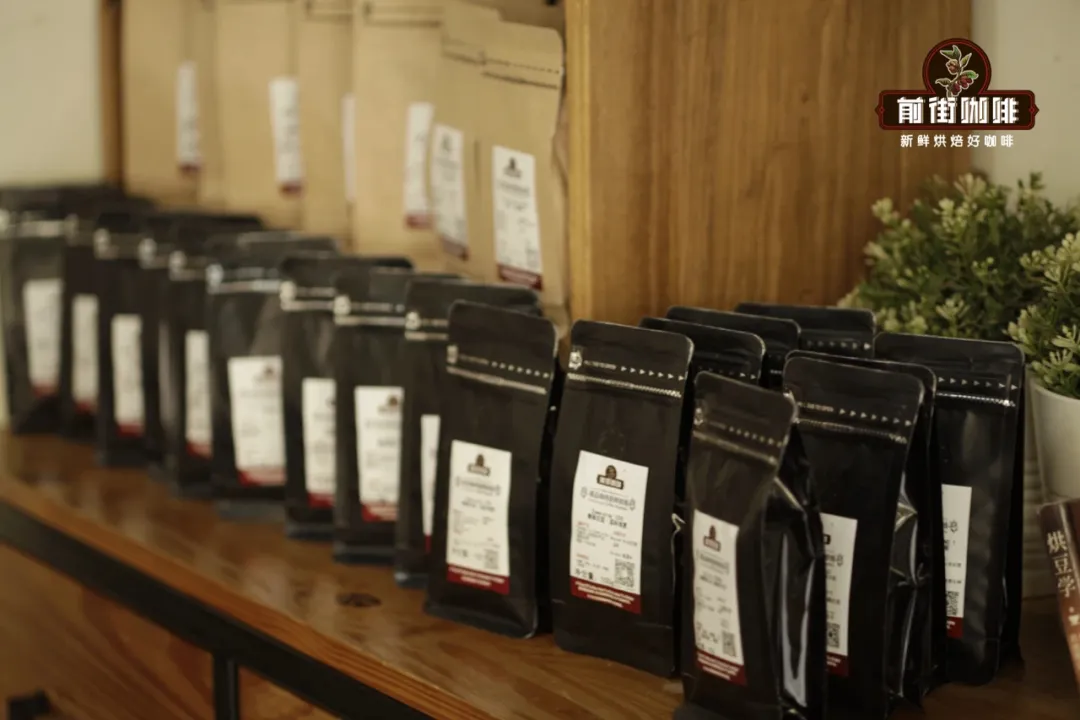
The most common approach is sealing to block oxygen and reduce contact between beans and air, which does buy a longer flavor window. However, sealing alone isn't enough—coffee beans also need protection from light, heat, and moisture. So after sealing, store the beans in a dark, cool, and dry place.
In recent years, a novel preservation method has quietly gained popularity. It claims superior "fresh-keeping" performance over room-temperature sealing, drawing many to imitate it. This method is "freezing." Those who haven't tried it must be curious: can this seemingly unconventional approach really lock in the aroma?
To answer directly: yes, it can. In extremely low temperatures, the rate of coffee aroma loss slows noticeably. But we must understand that freezing only slows aroma loss; it doesn't completely stop it. Moreover, freezing coffee beans involves many details, and mishandling can backfire. Let's go through the points to watch out for when freezing coffee beans.
1. Sealing
The first rule for freezing coffee beans is sealing. Most people won't buy a dedicated freezer just to "pamper" their coffee beans (though those with particularly deep pockets might), so the freezer usually holds other foods too.
If sealing is inadequate, not only will it fail to lock in aroma, but the beans will absorb odors from surrounding items—commonly known as "freezer taste"—completely defeating the purpose. So before freezing, be sure to seal properly to prevent odor intrusion.
2. Condensation
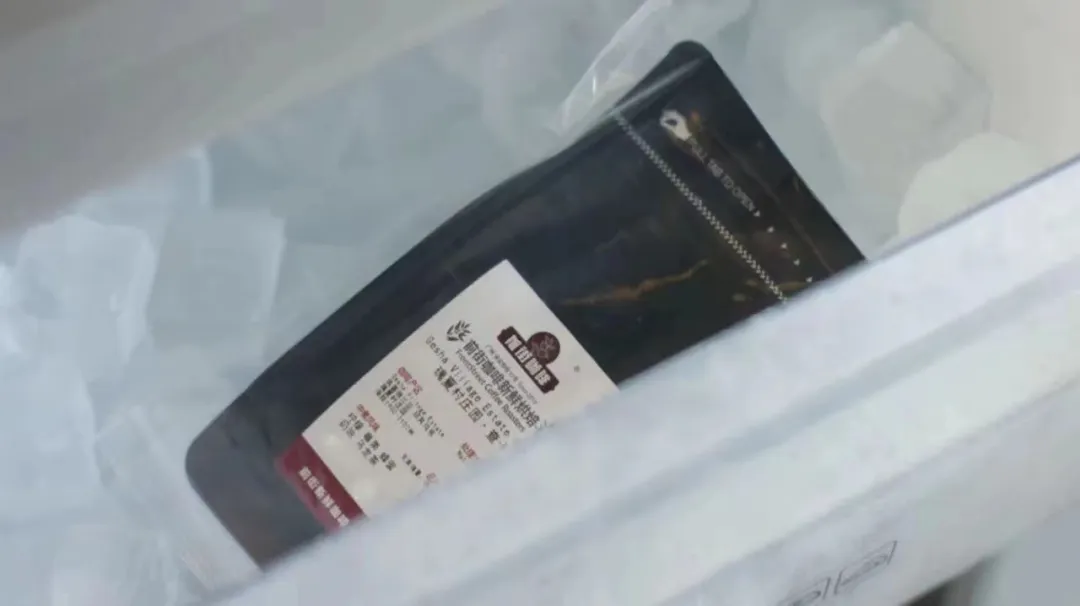
No matter what food it is, moving it from a freezer at minus teens to room temperature in the twenties, its originally dry surface quickly forms a layer of fine water droplets—coffee beans are no exception.
(Reference image ↓)
The above content is compiled by CoffeeHunters, a coffee news website.


