







The Cost Behind Freeze-Dried Specialty Instant Coffee
Freeze-dried coffee costs more because production technology of coffee at this level is slower and more expensive. The process freezes brewed coffee and removes ice under low pressure, which preserves aroma better than heat drying. Specialty producers also use higher-grade green beans, which raises the starting cost. Coffee quality matters at every step, from harvest to brewing, and the final price reflects that care.
Craft roasters now sell instant coffee as a premium product, targeting travelers and office workers who want better taste without equipment. The market has grown as customers accept paying more for convenience. While a jar may cost several times a standard brand, the flavor is often closer to a fresh brew. That trade-off is the main reason specialty instant coffee has found a steady audience.
Instant coffee used to be synonymous with Nescafé, Maxwell House, and OldTown, and it sat at the very bottom of the coffee hierarchy. But today, new brands like Saturnbird, Yongpu, and Sumidagawa have given instant coffee a makeover, selling it as freeze-dried coffee at four to seven times the price of traditional instant. Though it still falls under the instant coffee category, what exactly makes freeze-dried coffee so expensive? What are the fundamental differences between its production process and that of traditional instant coffee? How did freeze-dried coffee, which rose to prominence in 2018, manage to carve out a niche in the instant coffee category and quickly grow into a market worth over 1 billion yuan? This article breaks down the logic behind the popularity of freeze-dried coffee from three dimensions: production process, brands, and market.
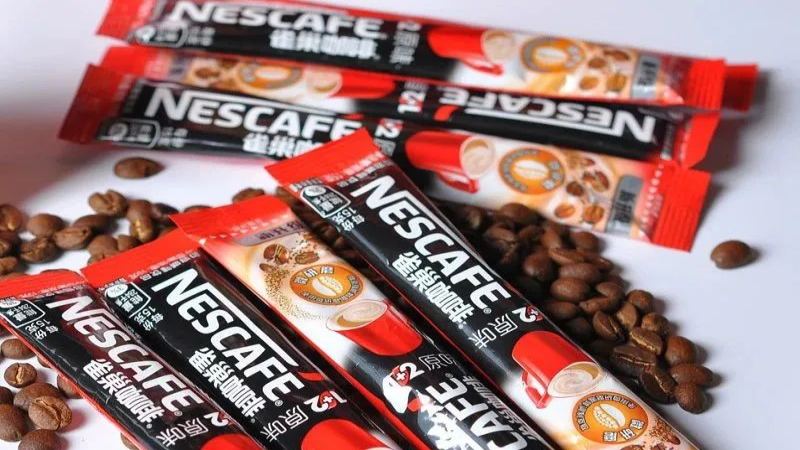
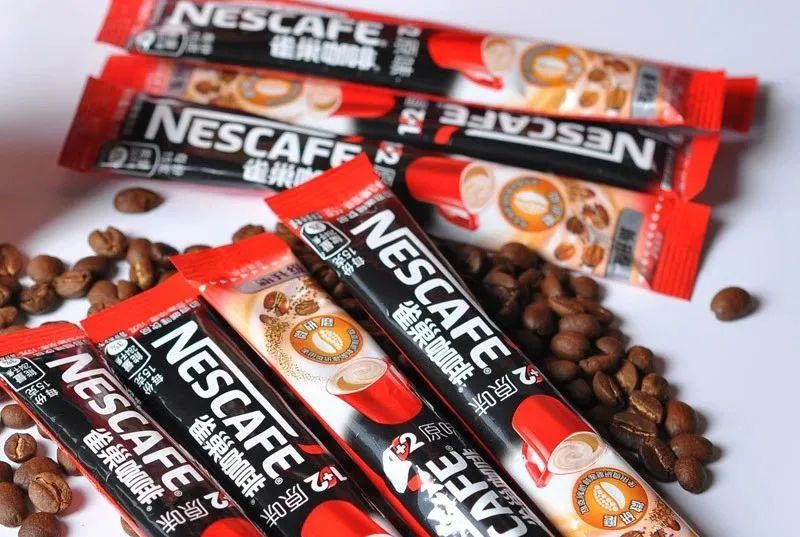
In the past, when people talked about instant coffee, the names that came to mind were usually Nescafé, Maxwell House, and OldTown. They brought coffee into ordinary households, but they were also perpetually pinned to the very bottom of the coffee hierarchy.
But nowadays, when people talk about instant coffee, the names on everyone's lips have changed to new faces like Saturnbird, Yongpu, and Sumidagawa. Instant coffee has put on the cloak of freeze-dried coffee, paired with the flavor rhetoric of specialty coffee, and its positioning has been elevated to the level of freshly ground coffee. Though it clearly belongs to the instant coffee category, it sells for four to seven times the price of traditional products. What exactly makes freeze-dried coffee so appealing?
What's the difference between freeze-dried coffee and traditional instant coffee?
By production method, instant coffee can be divided into two camps: high-temperature spray drying, which is traditional instant coffee; and freeze drying, which is freeze-dried coffee. The former is fast to produce and low in cost, while the latter is slower and more expensive.
The traditional method of making instant coffee is to first extract the soluble substances from roasted coffee beans into water, then pass the coffee liquid through a nozzle to turn it into countless tiny droplets, which are sprayed into a high-temperature drying chamber. Once the water evaporates, the remaining powdered solid is instant coffee powder. Because of the high-temperature treatment, most of the coffee's flavor is lost, leaving only bitterness. That's why these products often have non-dairy creamer added to make 2-in-1 or 3-in-1 mixes.
Freeze drying takes the path of ice crystal sublimation. The coffee is first dissolved into a concentrate of about 65% concentration, known as coffee slurry, then placed in a -5°C environment to condense into a paste, and then sent into a freezer at -40 to -50°C. After the coffee mass solidifies into hard blocks, it is crushed into small particles of 2 to 3 millimeters.
Next, these particles are sent into a vacuum drying chamber and slowly heated to dry. Under vacuum conditions, the water directly sublimates and is expelled, and the dried particles become freeze-dried coffee.
The entire process operates at low temperatures, allowing the coffee's aromatic compounds to be better preserved and, after brewing, restoring the coffee's color and taste to a greater extent.
What makes freeze-dried coffee so popular?
In 2018, freeze-dried coffee entered consumers' view as a new species.
In August 2018, the leading freeze-dried coffee brand Saturnbird officially launched on Tmall, and within just a few months it established a foothold in the instant coffee track dominated by traditional brands. Data shows that on Double 12 in 2018, Saturnbird's Tmall flagship store ranked second only to Nescafé in sales. By Double 11 in 2019, this up-and-coming coffee brand took first place in the coffee category on Tmall Double 11, becoming the first domestic brand to top the coffee sales chart.
Saturnbird positions itself as specialty instant coffee, focusing on making coffee convenient, upgrading on the basis of instant coffee, and selling on the promise of restoring coffee flavor. Quality plus convenience plus novelty quickly helped Saturnbird find a consumer market. The freeze-dried instant coffee that touts itself as specialty coffee not only became a new darling of capital but also developed into an important branch of China's coffee market. More and more traditional coffee brands and restaurant brands have successively entered this specialty instant coffee niche market.
According to Tmall's coffee category sales in 2022, freeze-dried instant coffee sales exceeded 1 billion yuan, a year-on-year increase of over 35%; the number of freeze-dried coffee stores grew by nearly 30% year-on-year. It's not hard to see that this category is indeed still very popular with consumers.
In fact, the popularity of specialty instant coffee is no accident.
In 2018, when specialty instant coffee was rising, Luckin was burning money on subsidies to get Chinese people to drink coffee. Users who had developed coffee consumption habits had higher demands for coffee quality. Against this backdrop, traditional instant coffee represented by Nescafé and Maxwell House could no longer satisfy consumers' needs, and because their ingredients included additives like creamer and saccharin, they were branded as unhealthy.
Compared with traditional instant coffee, freeze-dried coffee brands not only improved coffee flavor through technology but also upgraded the selection of raw coffee beans. Freeze-dried coffee led by Saturnbird implanted a brand-new concept in consumers' minds, creating a category distinct from traditional instant coffee, and with trendy packaging that appeals to young people's aesthetics, it naturally better meets current public demand.
The above content is compiled by CoffeeHunters, a coffee news website.


