








Is freezing coffee beans the right way to store them?
Freezing can slow the loss of aroma compounds after roasting, but it only works with careful handling coffee. Beans must be sealed against oxygen, kept from light and high temperatures, and protected from moisture. Improper freezing lets beans absorb moisture or pick up off-flavors, which defeats the purpose of extending the peak-flavor window.
Once roasting ends, aroma, flavor, and carbon dioxide stop being produced and begin escaping. If a large purchase cannot be consumed within the peak window, the brewed cup turns flat and keeps only the water-soluble flavors. Repeating removal from the freezer causes condensation on the beans, so portioning before freezing and an environment coffee storage that stays cool and dry are the practical safeguards.
After roasting is complete, the aroma compounds inside the coffee beans begin to dissipate continuously, so how to properly store them within the peak-flavor window has become a concern for many enthusiasts. Besides the usual sealed, light-protected storage at room temperature, freezing has attracted considerable attention in recent years. It can indeed slow the loss of aroma, but improper handling can instead cause the beans to absorb moisture or take on off-flavors. This article will focus on the three core precautions for freezing coffee beans—sealing, condensation, and avoiding repeated removal—and offer a more hassle-free storage suggestion to help you preserve as much of the coffee's flavor as possible in your daily brewing.
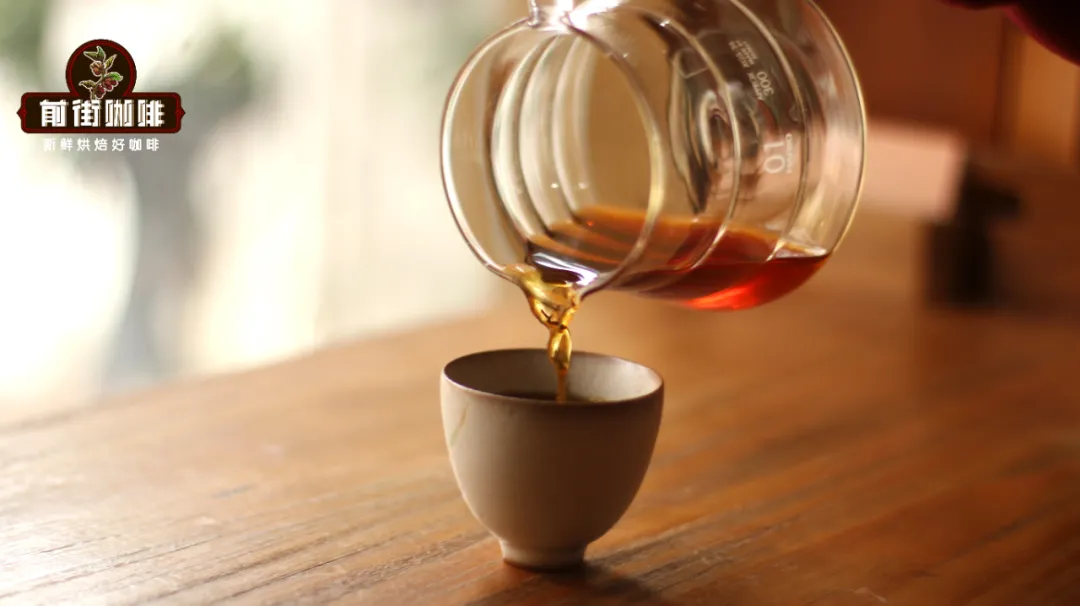
After a relatively long roast, coffee beans convert the various substances accumulated during cultivation and processing into abundant aroma, flavor, and carbon dioxide. Once roasting ends, these substances are no longer produced and instead begin to escape continuously. Before they disappear entirely, the brewed coffee presents a fairly rich layering of aromas. Beyond getting caffeine, most people drink coffee precisely to experience the sensory pleasure these flavors bring.
Sometimes, however, because the amount of beans purchased at one time is too large, it is difficult to consume them all within the peak-flavor window. If left sitting, the beans' aroma will gradually dissipate just like the carbon dioxide. By then, the brewed coffee not only lacks aroma but also tastes flat, leaving only the water-soluble flavors of the beans themselves. Therefore, when the quantity of beans purchased exceeds what can be consumed within the peak-flavor window, we try to make the coffee beans' aroma compounds dissipate more slowly.
A common approach is to use sealing to reduce the beans' contact with oxygen, thereby effectively delaying the process for a period and giving the beans a longer flavor window. But sealing alone is not enough, because in addition to isolating oxygen, the beans also need to avoid light, high temperatures, and moisture. So after sealing the beans, they should also be stored in a light-protected, cool, and dry environment.
In recent years, a novel storage method has gradually become popular. Because it is claimed to deliver a "fresh-keeping" effect superior to sealed storage at room temperature, many people have rushed to try it. This new method is "freezing." Friends who have not yet tried it must be curious whether this peculiar practice can really preserve the aroma.
To put it bluntly, it can. Because the storage environment is at an extremely low temperature, the rate at which coffee aroma dissipates can indeed be slowed. But it must be understood that freezing can only slow the rate of aroma loss; it cannot completely stop it. Second, freezing coffee beans involves more details, and if handled improperly, it can backfire. So let's take a look at what needs attention when freezing coffee beans!
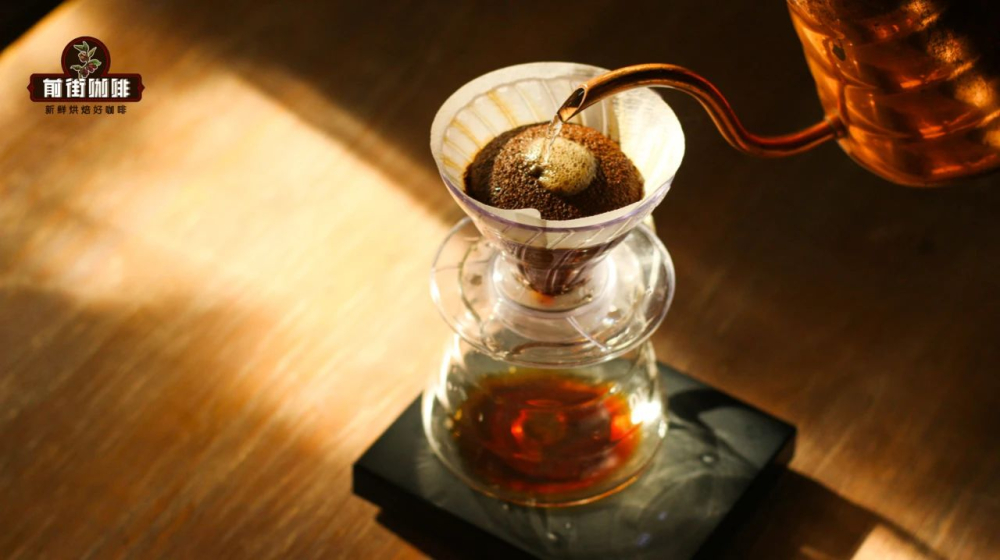
1. Sealing
The first thing to watch for when freezing coffee beans is sealing. I trust no one would buy a refrigerator specifically to "keep fresh" coffee beans (though friends with extremely ample budgets cannot be ruled out), so the refrigerator will contain other items besides the coffee beans.
If not properly sealed, not only will it fail to lock in the aroma, but the coffee beans will also absorb the odors of other foods—commonly known as "refrigerator smell"—which would defeat the purpose. Therefore, before freezing, be sure to seal them well to prevent off-flavors from intruding.
2. Condensation
No matter what kind of food it is, when we move it from an environment of minus ten-odd degrees Celsius to a room-temperature environment of twenty-odd degrees Celsius, many small water droplets quickly condense on its originally dry surface. The same principle applies to coffee beans.
Therefore, we need to grind and brew the coffee beans immediately at the moment they are taken out of the frozen environment. This prevents condensation from causing the beans to absorb moisture and thereby interfere with extraction; alternatively, after taking them out, do not open the seal first—wait until the beans return to room temperature before tearing open the seal, so that condensation will not occur on the beans.
3. Do Not Remove Repeatedly
After coffee beans are taken out of the frozen environment, it is best not to put them back. This is because it will not only worsen moisture absorption but also accelerate the loss of the beans' aroma. So most people portion the beans before freezing. They separate and seal the amount needed for a single brew, so that each time beans are taken out, the rest is not affected.
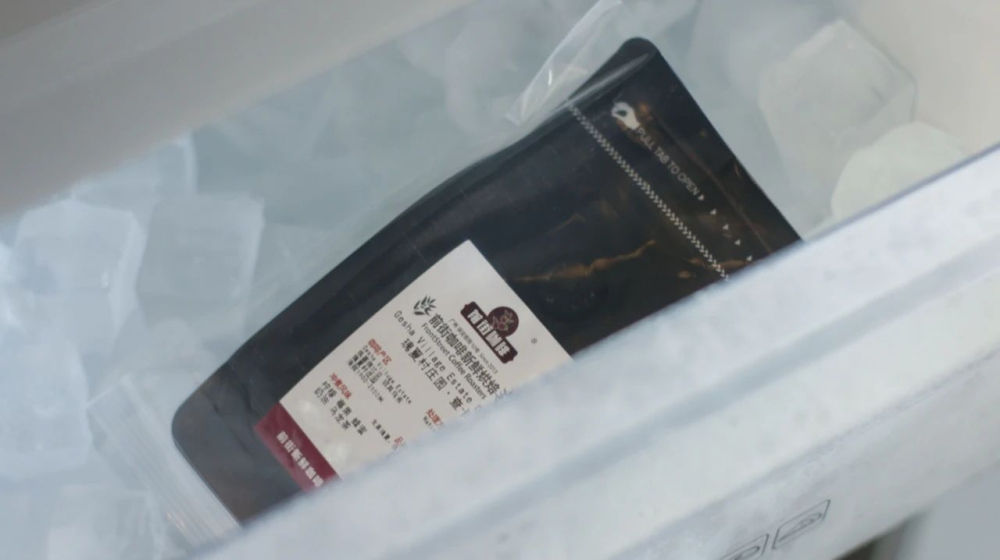
In short, freezing coffee beans can indeed provide some delay, but correspondingly, there are more precautions to note, and we need to invest more effort to safeguard the taste of a cup of coffee. Therefore, Front Street still recommends buying in modest amounts, so you don't have to worry too much about flavor—coffee is best drunk fresh!
The above content is compiled by CoffeeHunters, a coffee news website.


