







How Long Does Coffee Last in the Freezer Before Flavor Fades?
Freezing slows coffee bean degassing and extends the flavor window, but only when storage and brewing are both handled correctly. The colder the freezer, the slower the degassing and the longer the beans hold their aroma. Beans that taste flat after freezing usually went in poorly sealed, or were brewed with the same parameters as room-temperature beans.
Proper storage means vacuum-sealed portions with the degassing valve covered by a sticker, which keeps out moisture and fridge odors. After that, choose between grinding frozen beans directly and letting them thaw first. Comparative brewing with a Yirgacheffe lot showed aroma and body shift with each approach, so adjusting grind and dose matters as much as the storage itself. Keeping coffee beans in the fridge, by contrast, exposes them to constant moisture and odor.
Does freezing coffee beans in the refrigerator really extend their flavor window? Some friends have found that beans after freezing produce a weaker aroma and thinner body when brewed, leading them to suspect that freezing is simply useless. In fact, freezing does slow down coffee bean degassing and extend freshness, but only if both storage and brewing methods are done correctly. This article covers everything from vacuum-sealed portioning and preventing condensation, to the two approaches of brewing frozen beans directly versus brewing after thawing, and uses comparative data from Front Street Yirgacheffe · Gutingding to help you fully understand the complete operational logic of frozen coffee beans in one go.
However, recently a friend chatted with me about how he also stored his coffee beans in the freezer, but the coffee he brewed came out less aromatic and thinner in body than when stored at room temperature. So he began to suspect that freezing simply doesn't extend the flavor window at all.
Although Front Street rarely specifically discusses frozen coffee beans, objectively speaking, freezing does provide a certain "freshness-preserving" effect. The reason is that low temperatures weaken molecular thermal motion, and the degassing process of coffee beans slows down accordingly (note: only slows down). The extent of this slowing is directly related to the freezer temperature: the lower the temperature, the slower the degassing, and the longer the flavor window is extended. So here's the question—why did that friend's beans, after freezing, produce less aroma and flavor when brewed than when stored conventionally?
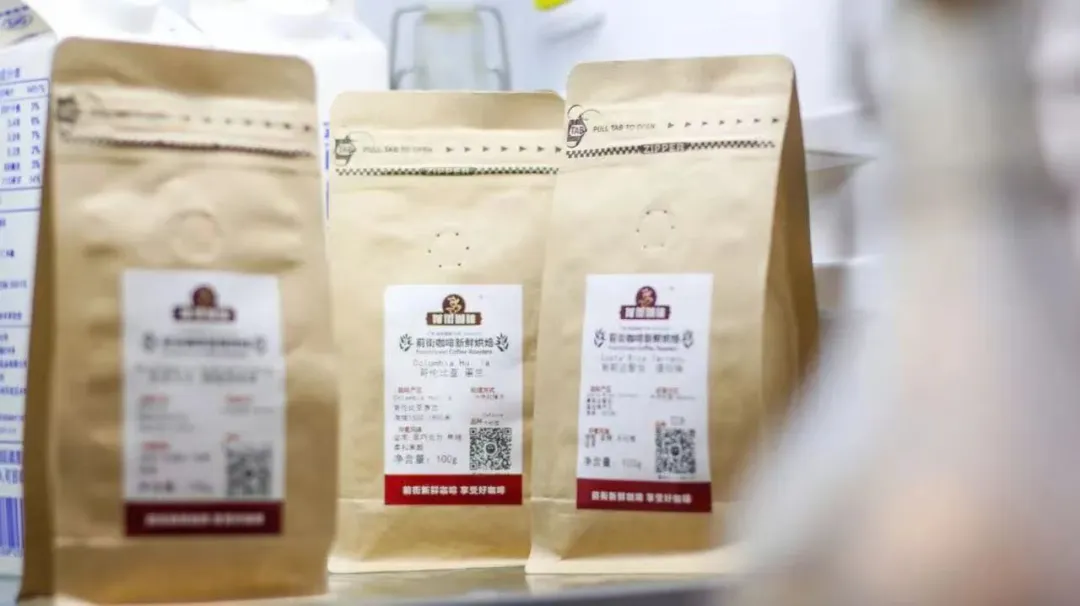
Ultimately it comes down to two things going wrong: incorrect frozen storage methods, and brewing "technique" not being adjusted accordingly. First, let's talk about how to do proper frozen storage. Some friends, upon receiving their beans, stuff them straight into the freezer without even处理 the packaging. But coffee beans, like many frozen foods, must be properly sealed when frozen. This serves two purposes: on one hand, it prevents the coffee from absorbing moisture and slows aroma loss; on the other hand, it prevents the beans from absorbing odors from the fridge and being contaminated by off-flavors. (If the packaging has a degassing valve, remember to seal the valve with a sticker)
But sealing alone isn't enough. If conditions permit, it's best to portion out the coffee beans before freezing—that is, split a whole bag into several portions, each sealed separately, with each portion being just enough for one brew. Why go through all this trouble? It's to minimize the impact on the remaining beans each time you take some out. For example, if you seal and freeze the whole bag directly, then every time you take beans out to brew, the remaining beans in the bag also get taken out and exposed to room temperature.

Even if this time is brief, it's enough to cause condensation on the surface of the coffee beans, leading to moisture absorption that affects flavor and condition. So if conditions permit, it's best to portion them out when sealing and freezing. Of course, more diligent friends can also put the bag inside another sealed bag to further slow aroma loss; or simply replace the plastic sealed bag with a sealed jar, which is more convenient to use and can be reused.
Why do brewing parameters need to be adjusted when brewing frozen coffee beans? When coffee beans are kept in a frozen environment for a long time, their state and structure change—for example, lower temperature, higher brittleness... These all directly affect brewing performance. If you brew these frozen beans without any adjustments, the result will most likely be like that friend's—a cup of coffee with insufficient aroma and insufficient body. Just how big is the difference? Front Street had long ago placed a portion of frozen beans in the freezer for comparative brewing, using exactly the Front Street Yirgacheffe · Gutingding from the previous day's article bean list.
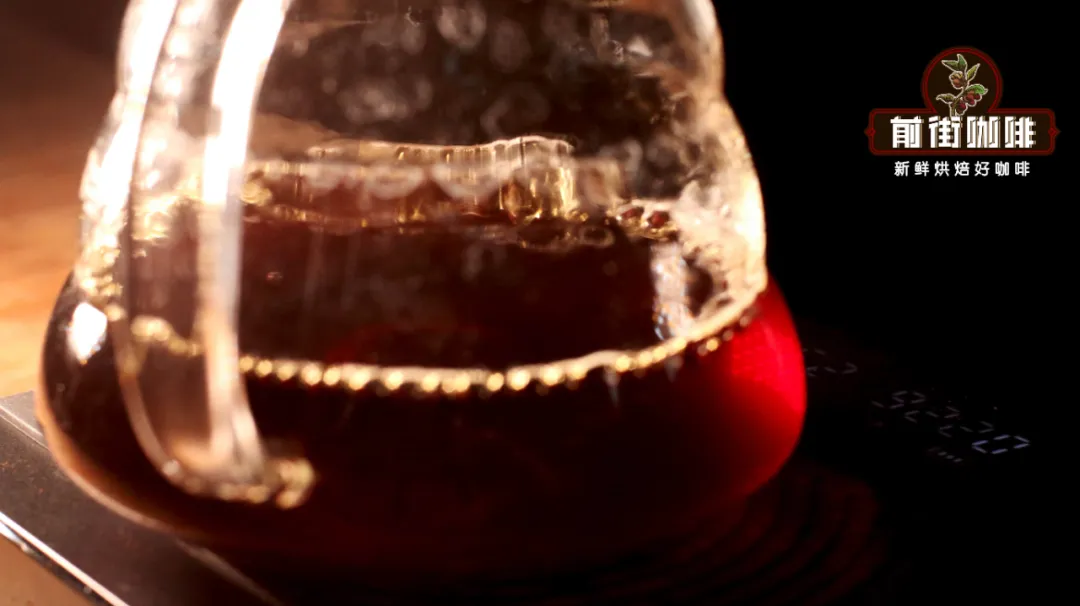
In the previous day's article, Front Street brewed room-temperature Gutingding with standard parameters, achieving an extraction yield of 19.46%, with a very rich flavor profile: white floral, lemon, berry, oolong tea, balanced taste, round body, and a long finish. But when brewing the frozen Gutingding with exactly the same parameters, the extraction yield was only 18.06%. Although the flavor direction was consistent, the intensity was much weaker, the body was not full enough, and it tasted somewhat thin. So the difference is quite obvious. While it's not undrinkable, it's certainly not as enjoyable. Therefore, if you want to brew a good cup with frozen beans, you can choose one of the following two approaches.
①、Increase extraction efficiency during brewing The first method is relatively simple: find ways to improve extraction efficiency during brewing. Many friends brew frozen beans poorly because they start brewing immediately after taking them out of the freezer without thawing. Front Street isn't saying this approach is bad—brewing frozen beans without thawing actually has quite a few advantages. For example, the beans are more brittle, producing more uniform grind particles; the low bean temperature means less aroma loss during grinding; and there's no need to worry about moisture absorption, etc.
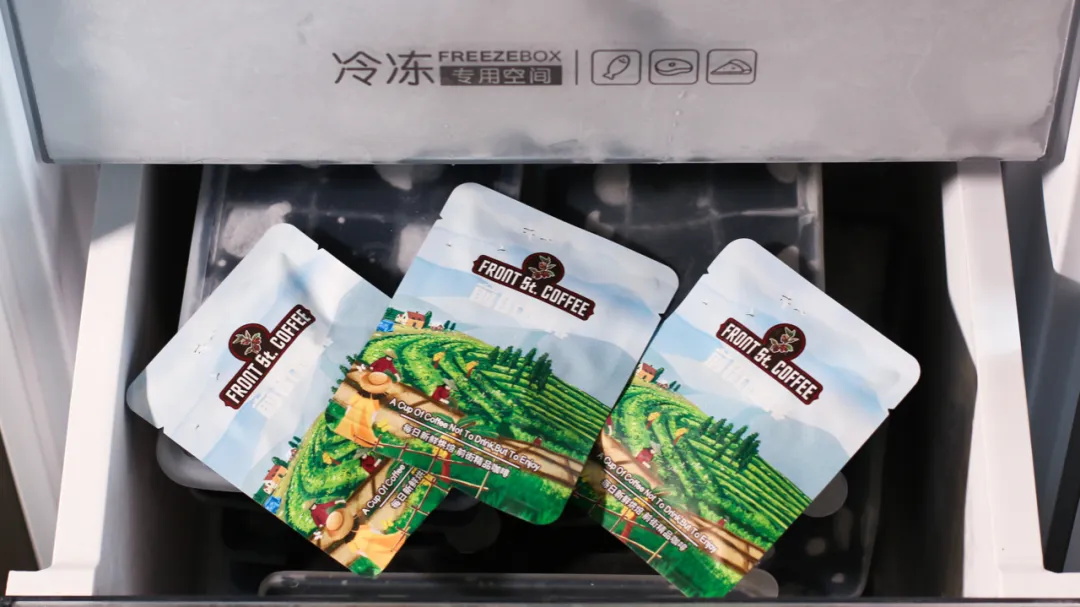
But! If you want to brew frozen beans without thawing, you must increase extraction efficiency. Because when the beans aren't thawed, their temperature is very low, and during brewing they will absorb a large amount of heat from the hot water, causing extraction efficiency to drop, and the resulting coffee naturally won't be aromatic enough. So, appropriately adjusting parameters to increase extraction efficiency can solve this problem well. There are many parameters you can adjust, such as raising the brewing water temperature, extending the bloom or extraction time, grinding finer, and so on.
②、Thaw before brewing If you don't want to change parameters, you can also choose to thaw the coffee beans first—this method is relatively more hassle-free. Because once the beans return to normal temperature, you no longer need to adjust parameters. The thawing method probably doesn't need much explanation from Front Street, right? Just take them out of the freezer and let them sit for half an hour or more. But note: during thawing, do not open the packaging—let the coffee beans stay in the sealed environment of the bean bag the whole time.
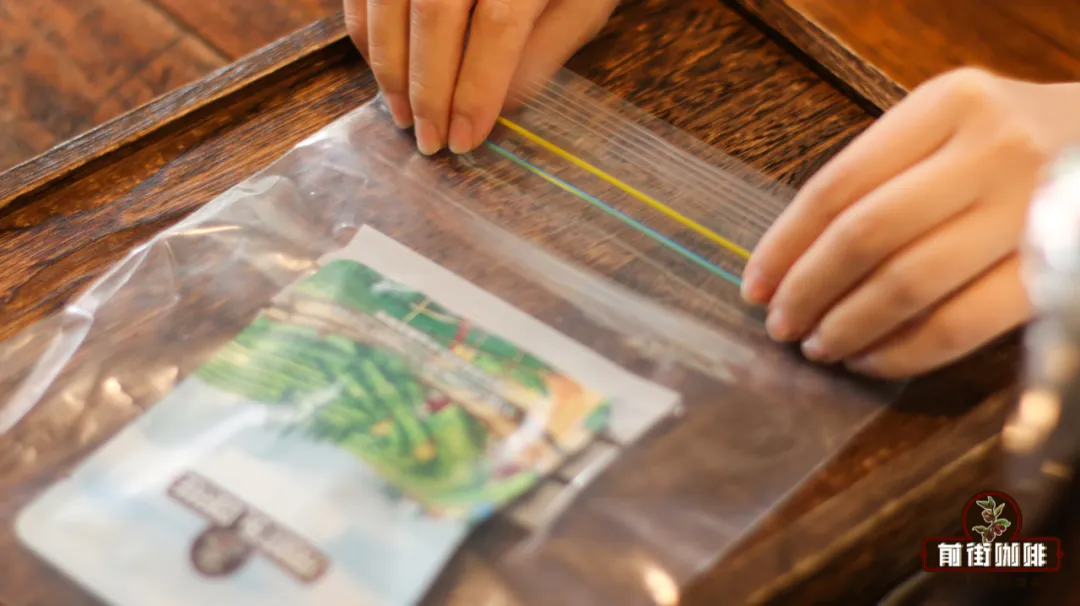
Once opened, the huge temperature difference will immediately cause condensation to form on the surface of the beans, causing the coffee beans to absorb moisture and soften, which affects both extraction and flavor. So please keep this in mind. The above are some things to note about freezing coffee beans and brewing frozen beans. Having said all this, Front Street actually does not recommend that beginners, or friends not yet familiar enough with brewing, use the freezing method to store beans. Because freezing has a relatively large impact on brewing, using it to "preserve freshness" before you've figured out the ropes may backfire and prevent you from brewing the delicious coffee that the beans deserve. So, just decide based on your own situation~
- END -
The above content is compiled by CoffeeHunters, a coffee news website.


