







Search Results for: freezing
Freezing Coffee Beans for Storage | Should Coffee Beans Be Stored in the Refrigerator? Why Freeze Coffee Beans? How Should Coffee Beginners Store Coffee Beans Daily?
"Front Street Coffee recently noticed a topic in our chat group." How do you all store your coffee beans after buying them? In the fridge! I've seen many coffee experts keep their beans in the fridge. But won't the beans get damp in the fridge? The fridge is dry! (So Front Street Coffee interviewed various coffee beans 🎤) [more…]
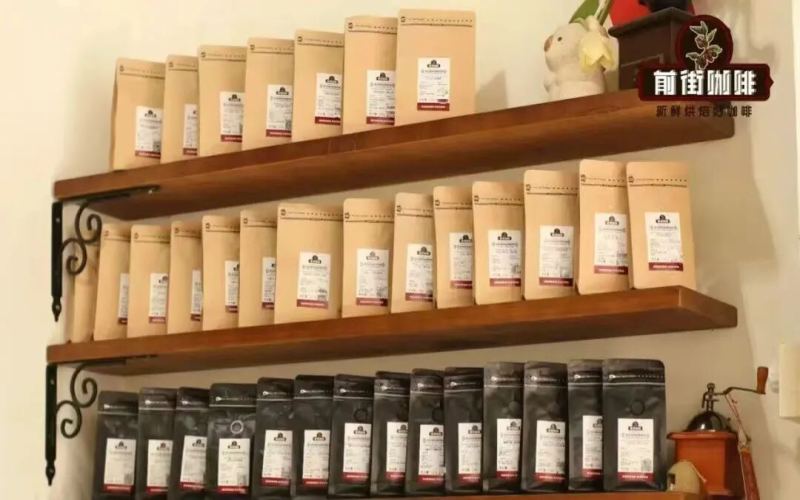
Coffee Bean Storage | Can You Use the Freezer to Keep Coffee Beans Fresh? Do Frozen Coffee Beans Need to Be Thawed Before Brewing?
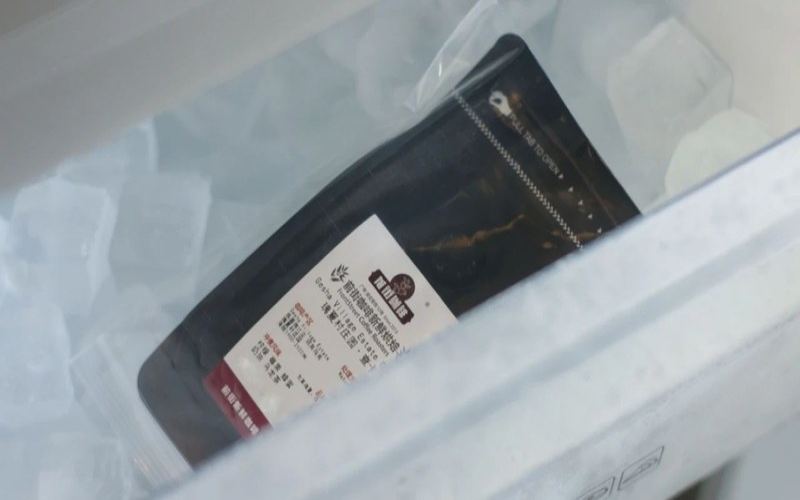
Freezing is a very popular method of "preserving" coffee beans in recent years. Simply seal the coffee beans and toss them into the freezer, and the flavor loss of the coffee will slow down, thus extending its shelf life. Many friends have adopted this method to stock up on coffee beans purchased during Front Street Coffee's discount events. [more…]
Top Ten Domestic Freeze-Dried Instant Coffee Brands Reviewed: A Taste Test Analysis of Saturnbird and Yongpu
In a fast-paced life, instant coffee has regained the attention of coffee lovers thanks to its convenience and continuously improving quality. This article reviews ten instant coffee brands, including Nescafé, Maxwell House, Moccona, Colombian, G7, UCC, Klaes, Old Ipoh White Coffee, Ming Coffee, and Damnini, introducing each one by one from historical origins and raw material sources to flavor characteristics, helping readers build a basic understanding of instant coffee. At the same time, for the highly popular domestic freeze-dried instant coffee brands Saturnbird and Yongpu, the article also provides an objective description based on their product characteristics. Whether you are seeking a rich, mellow taste or a daily pick-me-up, this collection can provide valuable reference. What is shared is not only the flavor of coffee, but also a relaxed and pleasant drinking experience. [more…]
Shelf Life of Roasted Coffee Beans | What Is the Best Way to Store Coffee Beans? What Factors Affect Coffee Bean Freshness? Is Freezing Coffee Beans a Viable Option?
People nowadays enjoy drinking coffee not only in coffee shops, but more often they want to buy coffee beans and brew a cup carefully at home, savoring it slowly. However, how should the coffee beans or ground coffee you buy be stored so that they don't go bad so quickly? How can you better preserve their fresh flavor? Especially when you've bought some specialty coff... [more…]

Origin of the Dirty Coffee | Must you use ice bock to make a dirty coffee? How do the taste and mouthfeel of a dirty differ from an iced latte?
Dirty coffee has always existed as a hidden menu item at Front Street Coffee, because in Front Street's view, Dirty is simply a "special" way of drinking a latte. Until one day, I happened to overhear a customer explaining it to his friend, which boiled down to "Dirty is made with ice bock milk [冰博克奶] as the base, then pouring espresso over it." [more…]
How to Store Dark Roast Coffee Beans: Preserving Caramel Sweetness and Full-Bodied Depth
The flavor of dark-roasted coffee beans is built on the sweet-bitter balance brought about by caramelization and the Maillard reaction, and this part of the flavor is relatively overt, and also more dependent on proper storage. The darker the roast, the more porous the bean body, the more easily aromatic compounds escape, and the faster the oils are exposed to the air. Mastering a few key storage points can keep a [more…]
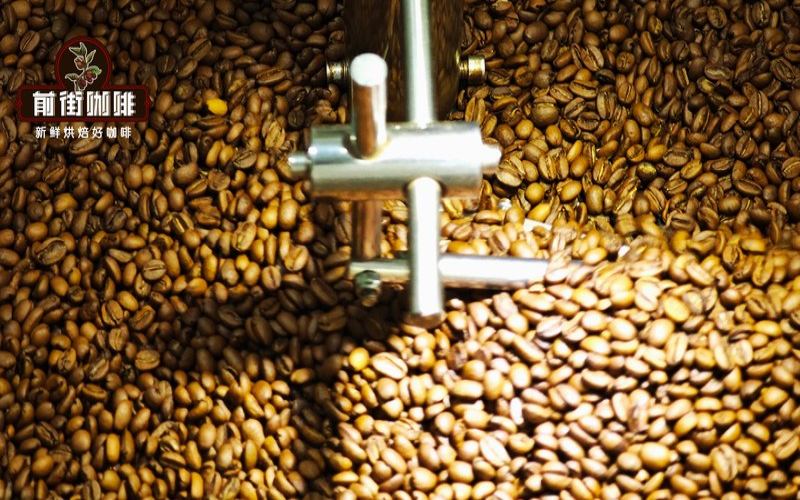
On which day after roasting do latte beans taste best?
After coffee beans are roasted, the aroma does not reach its ideal state on the same day. The beans are still releasing carbon dioxide, and if they are used to extract espresso too early, the puck is easily disturbed by gas, the flow rate is not stable enough, and the fruity notes and caramel sweetness beneath the milk foam may also seem loose. When making a latte, judging freshness cannot rely only on how recent the date is, [more…]
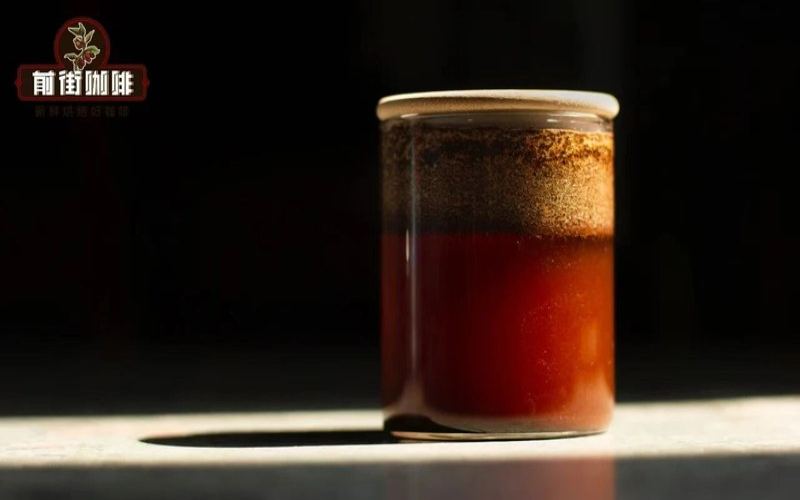
The drinking rhythm of Italian-style medium-roast beans from roast date to opening the bag
The aroma of medium-roast espresso beans doesn't fully unfold on the very day they're roasted. The beans are still steadily releasing carbon dioxide, and if you put them into the espresso machine too early, the puck is easily disturbed by the gas; the crema may look rich, but the cup can taste tight and disjointed, with a sweetness that doesn't come together coherently. Treating the roast date as the starting point for the flavor clock matters more than just watching the expiration date. [more…]
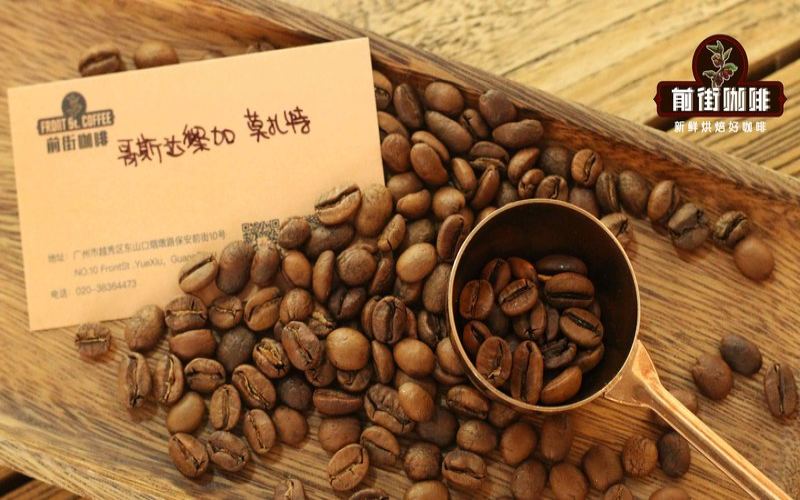
When Is Espresso Crema Fuller: The Pace of Drinking After Roasting
The hazelnut-colored foam on the surface of an espresso is often fuller at a certain period after roasting is completed. If the beans are put on the machine too early, the gas releases too quickly, the foam may be coarse and mottled in color, and the flow rate is also difficult to control; if left too long, the carbon dioxide decreases, and the crema layer becomes thinner. If you want to drink fine, dense crema, when choosing beans, besides looking at the blend [more…]

Home Coffee Bean Storage Methods | Can Freshly Roasted Coffee Beans Be Frozen in the Refrigerator? Can Sealing the Degassing Valve Slow Down the Loss of Coffee Bean Flavor?
Recently, everyone has probably stocked up on beans during Double Eleven. The questions asked to Front Street are all things like "How long can the flavor of unopened coffee beans be preserved at most?" and "How can opened coffee beans be stored to slow down the rate of flavor loss?" Today, Front Street will talk about the issue of storing coffee beans. How long can the flavor of coffee beans be preserved? Can it be asked this [more…]
Green Coffee Storage | What Are Green Coffee Packaging Methods? Introduction to Green Coffee Storage Temperature, Humidity, and Shelf Life
Until recent years, all coffee beans were packaged in burlap sacks and transported in shipping containers, only reaching roasters several months after the beans had been processed. If roasters and importers occasionally wanted to cup coffee beans from the place of origin, or taste a "pre-shipment sample," what they received instead would be stored [more…]
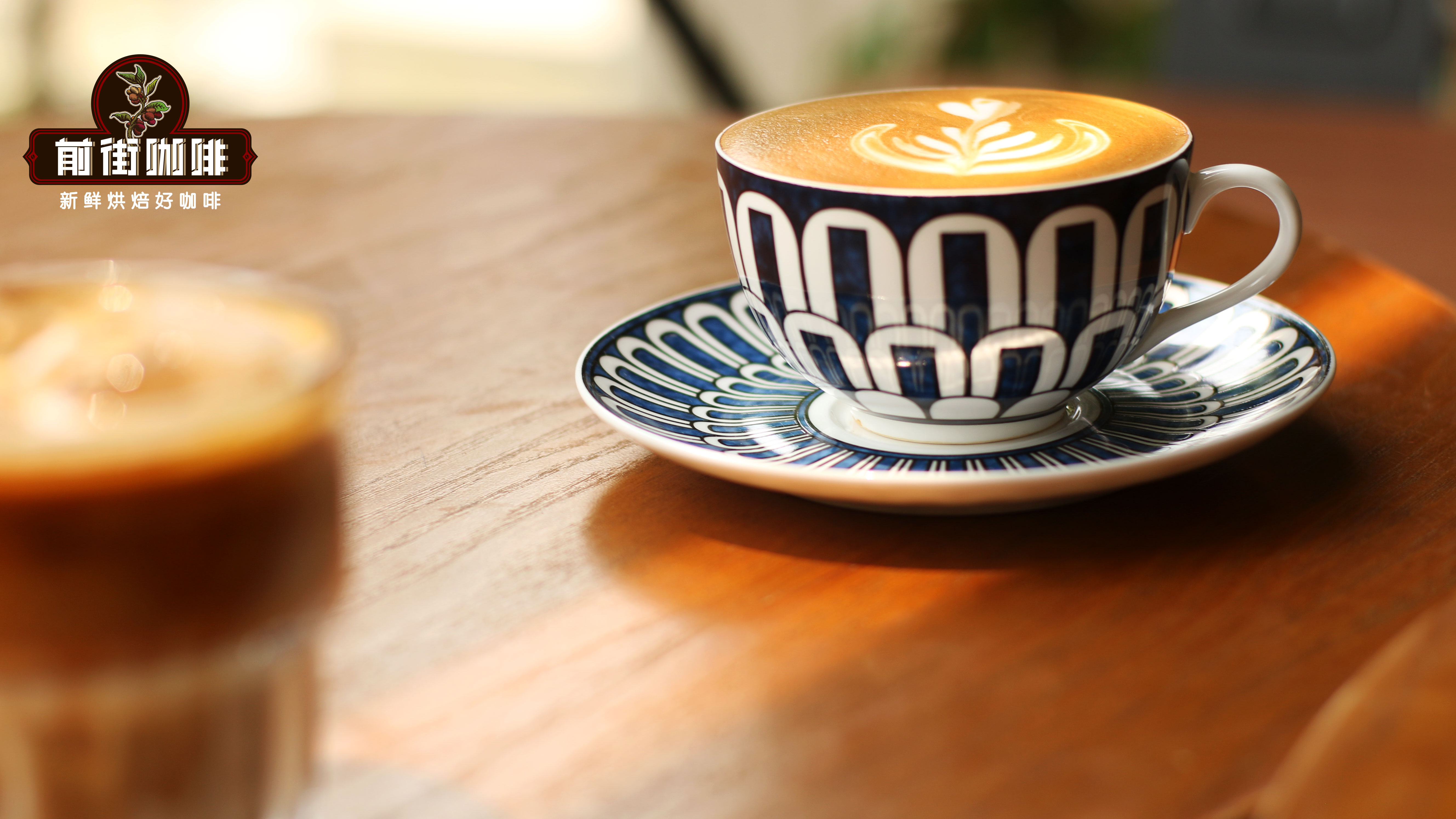
Homemade Latte Recipe | Did Latte Originate in Italy? What Is the Espresso-to-Milk Ratio for Making a Latte?
Latte originates from the transliteration of the Italian word "Latte." Latte coffee refers to coffee made by mixing a certain proportion of milk into espresso, and it is a type of fancy coffee. The original latte coffee originated in Vienna, the city of music. The Viennese began drinking coffee in the 17th century, when the Turkish army attacked [more…]
Floral Coffee Beans: The Flavor Rhythm After You Bring Them Home
The expression of floral-type coffee beans often shifts with the roast date and storage time. When freshly roasted, the beans retain more carbon dioxide, so the brewed coffee may have a bold aroma but taste less cohesive in acidity and sweetness; after resting for a few days, the floral, fruity, and sweet notes gradually come together, making the cup feel more complete. When buying beans, the roast date [more…]
The Flavor Countdown in the Bean Hopper of a Fully Automatic Coffee Machine
From the moment coffee beans finish roasting, their aroma is constantly changing. Right after roasting, they contain more carbon dioxide, then they enter a stage where the aroma opens up and the sweetness becomes clear, before gradually leveling off. Although fully automatic coffee machines are convenient to operate, when the beans go into the hopper still affects the crema, intensity, and aroma in the cup. On the packaging [more…]
The Flavor Window and Storage Rhythm of Moka Pot Beans
Coffee brewed with a moka pot has both an espresso-like intensity and retains some of the bean's aromatic variations. Freshness directly affects this intensity: if the beans are used too early, the cup may have a noticeable bubbly sensation and a harsh, sharp bite; if rested properly, flavors like nuts, cocoa, and caramel gradually meld into one another, making each sip smoother. [more…]
From roasting to brewing: how to capture the flavor window for pour-over beans
The flavor of a bag of pour-over beans changes over time. Freshly roasted coffee is usually full of gas, and its aroma hasn't fully opened up yet, so the brew may taste sharp, thin, or muddled. After resting for a while, the acidity, sweetness, floral and fruity notes, and lingering finish gradually come together, making each sip more complete. When selecting beans, the roast date is often [more…]
After the roast date, when does a home espresso blend taste better?
After coffee beans leave the roaster, they continue to release carbon dioxide, and espresso extraction amplifies this change. If you open the bag immediately after roasting, the puck tends to swell rapidly when it meets water, and both the flow rate and the crema layer are more active; after resting for a few days, gas release slows down, and sweetness, body, and aroma usually come together more easily in the same cup. [more…]
The Flavor Window and Storage Rhythm of Nutty Chocolate Coffee
The appeal of coffees with notes of nuts, cocoa, and caramel often lies in their consistent sweetness, mild acidity, and smooth entry on the palate, making them suitable for hot Americanos, milk-based coffees, or moka pot brews. However, the same bag of beans, when drunk at different times after roasting, will vary in aroma, body, and finish. When choosing this type of coffee, besides looking at the flavor description, also pay attention to the roast [more…]
After the Roast Date: The Flavor Calendar of SOE Espresso Beans
When SOE espresso beans first leave the roaster, their aroma isn't immediately at its most expressive. The beans are still releasing carbon dioxide, and if they're put on the machine too soon, the puck is easily disrupted by gas, causing the espresso flow to fluctuate and the crema to puff up while the flavor stays tight. Treating the roast date as the start of a flavor calendar is more [more…]
After Roast Day: The Opening Rhythm of Three Latte Beans
Whether the aroma of coffee beans can cut through milk in a latte depends not only on the beans themselves but also on how many days have passed since roasting. Freshly roasted beans are still rapidly releasing carbon dioxide, which can cause uneven espresso flow and coarser foam; leave them too long, and the nutty, caramel, or fruity notes gradually fade. Catching that middle window of peak condition, [more…]