








Does freezing really extend coffee powder shelf life?
Freezing can extend coffee powder shelf life, but only freezing, not refrigeration. The refrigerator compartment swings in temperature and holds high humidity, so beans there absorb odors and moisture. Sealed, portioned beans placed in the freezer keep their aroma far longer than beans left at room temperature, provided the seal stays intact.
Aroma peaks about 4 to 7 days after roasting and fades from roughly 30 to 45 days. Freeze after the resting period, divide into single-use portions, and keep air, moisture, heat and light away. Take out only what will be brewed, let it return to room temperature before grinding, and avoid refreezing beans that have already thawed.
Freshness is fundamental to great-tasting coffee, but faced with Front Street's "30% off for 2 items, 50% off for 3 items" promotion, it's hard not to buy a few extra bags. So questions about whether coffee beans can be frozen, how long they can be frozen, and whether they need to be thawed after removal keep pouring in. This article starts from Front Street's actual testing, first clarifying the difference between freezing and refrigeration, then explaining the impact of freezing on flavor, and finally giving specific operational advice on freezing after resting, sealed portioning, and whether to thaw. If you also want to keep your stockpiled beans as tasty as possible, this content is worth reading to the end.

Most coffee lovers understand that the prerequisite for a good cup of coffee is that the beans are fresh enough, but Front Street's "30% off for 2 items, 50% off for 3 items" promotion really makes it hard not to buy more. So as soon as the promotion ended, Front Street's inbox was flooded with similar questions: Can the coffee beans I bought be put in the freezer or refrigerator? How long can they be stored this way? Do the beans taken out of the freezer need to be brought back to room temperature first? After returning to room temperature, can they be frozen again?
The reason people ask these questions is simply that they hope the coffee beans will still taste good over a longer period of time, which is to achieve the goal of "preservation." For vegetables and fresh foods, low temperatures can indeed extend shelf life, so is putting coffee beans in the freezer equally reliable?
The Principle of Freezing Coffee Beans
After roasting is completed, the aroma of coffee beans reaches its peak after about 4-7 days of resting, then gradually declines around 30-45 days, and finally dissipates completely. Freshly roasted beans are most afraid of air, moisture, high heat, and light, so as long as they are not opened, kept away from light, protected from moisture, and the temperature is lowered, in theory the storage time can be extended, and the easiest way to achieve this is to put them in the freezer.
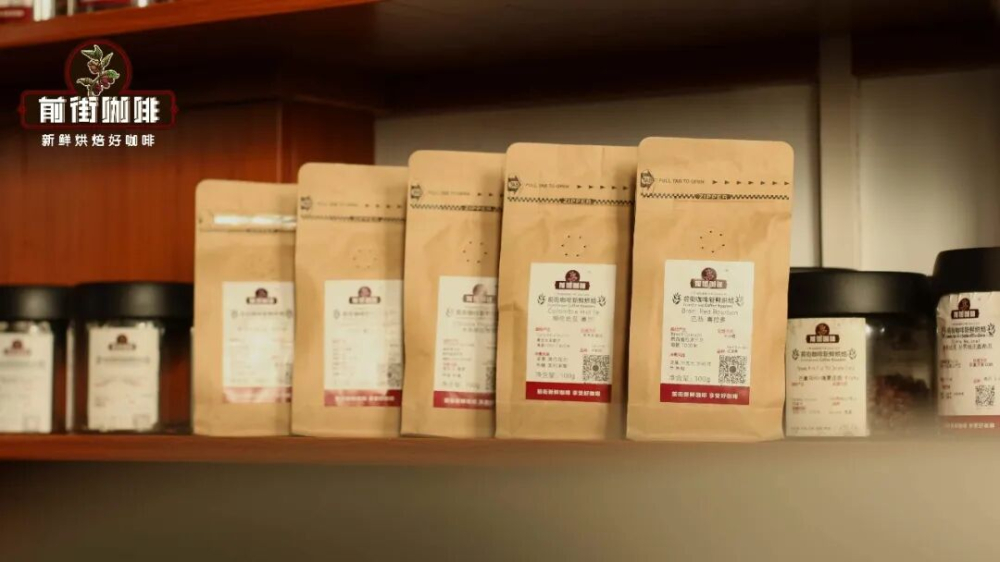
However, one point must be noted: low-temperature storage means freezing, not refrigeration. The refrigerator compartment has obvious temperature fluctuations and relatively high humidity, so coffee beans easily absorb odors and moisture. Freezing can significantly slow down oxidation and metabolic rates, better "locking" flavor compounds inside the beans. Some studies indicate that in a frozen state, coffee beans can maintain a relatively good flavor level for 2-3 months.
To verify the difference, two months ago Front Street placed a 16g bag of Front Street Kaffa Forest in the freezer and compared it with freshly roasted beans (rested for 7 days). The parameters were unified as 16g coffee powder, 1:15 coffee-to-water ratio, 92°C water temperature, fine granulated sugar grind (80% pass rate on a No. 20 sieve), and three-stage pouring. In terms of aroma, the fresh Front Street Kaffa Forest showed notes of coffee blossom, sweet orange, blueberry, and creamy nuts, while the frozen version mainly had berry and nut flavors; the former was clearly more intense, and its acidity and aroma were also more lively.
From this it can be seen that although freezing can preserve most aroma compounds, the beans are ultimately in a "pseudo-fresh" state, and no matter how close the flavor is, it is still not as good as the performance a few days after fresh roasting. If you want to experience coffee at its best, don't always cling to the idea of buying more and then stockpiling with the freezer.
How to Best Freeze Coffee Beans?
The principle of freezing coffee beans is not hard to understand, but before putting the beans in the freezer, there is still some experience worth mastering.
① Freeze coffee beans only after they have rested
Most coffee beans are in their optimal flavor period from 4-45 days after roasting is completed. Why count from the 4th day after roasting? Freshly roasted beans release a large amount of carbon dioxide internally and also carry an obvious smoky, pungent smell. During the first 4 days, these gases are quickly released through the one-way degassing valve, and the smoky smell dissipates along with them. This period is what is commonly called the resting period. Of course, beans with different roast levels and roasting approaches have different resting times, and 4 days can be considered the "minimum" duration.
If beans that have only been roasted for one or two days are put directly into the freezer, the active gases will be difficult to release, and the flavor will remain at an under-rested stage. After long-term freezing, the gases are no longer active, and the aroma may very likely fail to be released.
② Sealed packaging
Freezing coffee beans is not simply a matter of tossing them into the freezer and being done; sealing must also be done well. Household freezers often contain other foods as well. To avoid coffee beans absorbing odors and to prevent moisture from accelerating aroma loss, they must be sealed properly before freezing, and it is best to reserve a separate compartment for storage.
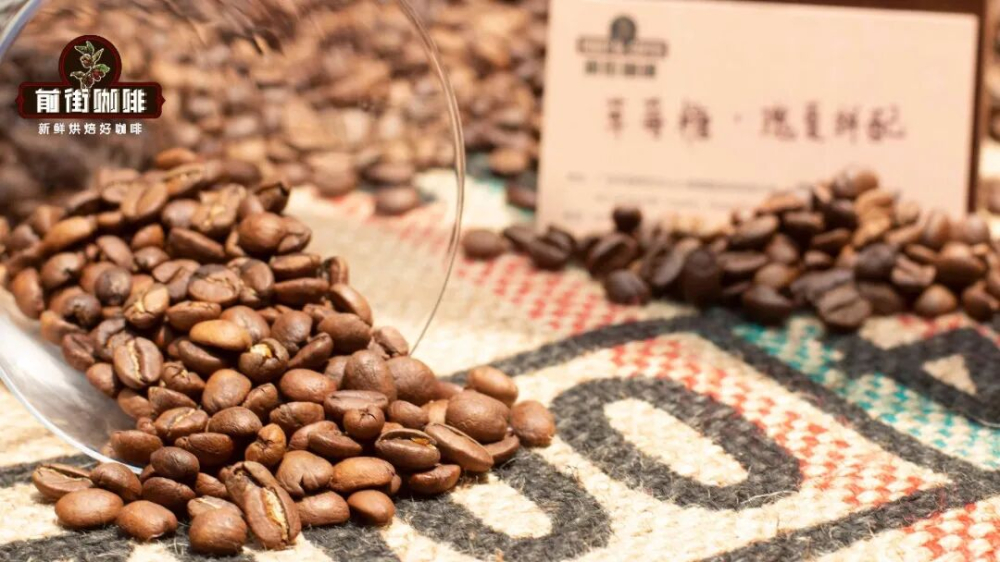
If conditions allow, you can portion them according to the amount used for a single brew, or vacuum-seal them, and then label the roasting or freezing date, making them more convenient to take out and also reducing condensation issues. As for the freezing time limit, the longest experiment Front Street has done was 3 months, with relatively stable flavor; for food safety reasons, it is recommended not to exceed half a year.
If you plan to store them longer and do not want to bother with small portions, you can also put the original packaging inside a sealed bag (squeeze out as much air as possible), open it only when needed, and immediately seal it and put it back after taking some out. Move quickly and minimize the time the beans are exposed to air. Once frozen beans are taken out and thawed, they cannot be frozen again.
③ Thaw frozen coffee beans vs. do not thaw
If you are not in a hurry to drink them, you can take the frozen beans out the night before and let them slowly return to room temperature, but you absolutely, absolutely, absolutely must not open the bag first, otherwise air will cause the beans to absorb moisture, trigger hydrolysis reactions, and carry away some volatile compounds. The advantage of thawing before brewing is that the beans will recover their original hardness, making extraction more stable.
Another approach is not to thaw, and instead grind and brew as soon as possible after taking them out. Unthawed beans are more brittle, and after grinding there are fewer coarse particles and the particles are more uniform, which is more conducive to expressing the flavors of fruit-acid coffees. Moreover, the low temperature reduces aroma loss, and there is no need to worry about moisture absorption.
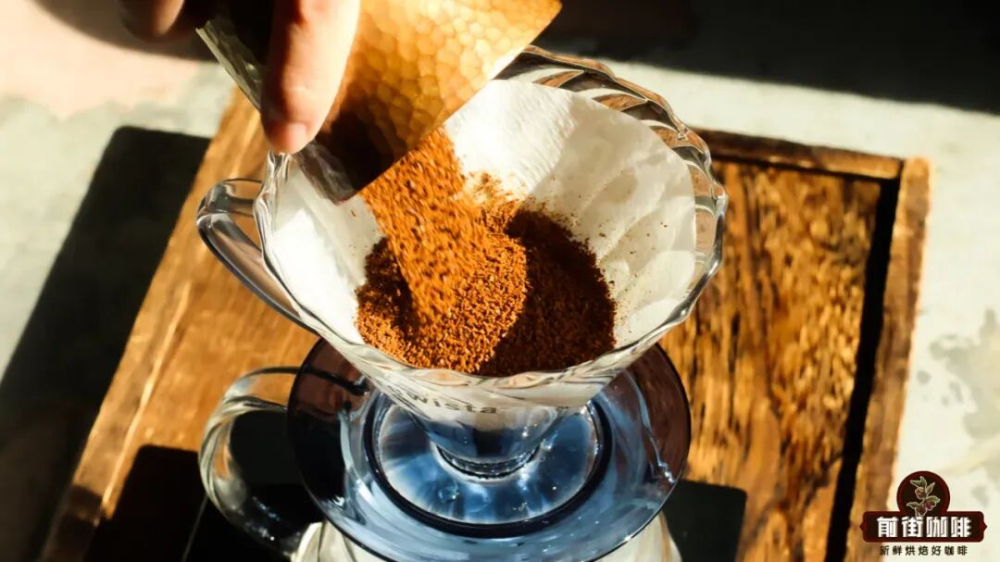
For example, this morning, Front Street Little Tomato, frozen for 70 days, was taken out and ground directly without thawing. The dry aroma was not particularly prominent, but after extraction the sweetness and acidity were especially full, with raspberry, red plum, and blueberry flavors appearing in turn, and after cooling it revealed even more of a grape-like juicy quality, accompanied by stone fruit notes.
(Previously a customer asked whether coffee beans taken out of the freezer should be lightly re-roasted in an oven. Never do this. Heating will not add aroma; instead, it will cause quality to decline significantly.)
The above content is compiled by CoffeeHunters, a coffee news website.


