







What signs show coffee beans are no longer fresh?
Coffee beans cannot stay fresh forever because they are made of degradable compounds including carbohydrates, lipids, and amino acids that break down over time. A 12-month shelf life printed by roasters mainly defines liability; it does not mark the peak flavor period. Improper storage can make beans lose quality well before the labeled date.
To preserve coffee, keep it sealed, cool, and dry, and finish it soon after opening the bag. Freezing has advantages and drawbacks, so weigh them against how quickly the beans will be used. Once the coffee smells dull or musty, or the color looks abnormal, Front Street recommends not drinking it and repurposing it for odor removal instead.
Stockpiling a lot of coffee beans at home—how long can they really keep? Does the 12-month shelf life on the label equal the peak flavor period? This article starts with the degradation principles of coffee compounds, explains why improper storage makes coffee go stale prematurely, and offers practical ways to tell if coffee has gone bad. It also summarizes preservation principles such as sealing, coolness, and dryness, analyzes the pros and cons of freezing coffee beans, and reminds you to drink them as soon as possible after opening the bag. If the coffee smells dull, musty, or has an abnormal color, Front Street recommends giving up drinking it; you can repurpose it for odor removal instead, avoiding harm to your health and taste.
Everything good comes to an end, and coffee is no exception. If you’ve stockpiled a good amount of coffee beans you like at home, you’re probably wondering how long they can really last, and these questions may come up: How long should coffee be finished? Do coffee beans go bad? Can you still drink them after the date on the package? What can you do to slow down coffee spoilage?
Front Street first needs to make one thing clear: whether you buy whole coffee beans or pre-ground coffee powder, in the end none of it escapes expiration. For coffee lovers, this is a bit cruel, but spoilage is indeed an unavoidable reality.
From a scientific perspective, coffee cannot stay fresh forever because it is made up of various degradable compounds that gradually break down over time. These components include carbohydrates, lipids, and amino acids, among others. When coffee beans are left for too long, chemical and physical changes occur in molecules and compounds, and the quality and overall flavor of the coffee deteriorate accordingly.
Many people mistakenly believe that coffee beans only go bad after the shelf life has passed. In fact, that is not the case—improper storage conditions can also make them lose their good condition earlier than the labeled date.
Generally, roasters print a shelf life on the bag, usually about one year from the roast date. From a production compliance standpoint, this date is mainly used to define liability and cannot be used as a basis for judging whether the coffee tastes good. Coffee beans just roasted and kept in their original packaging are easiest to keep fresh; but once you open the bag, the coffee will slowly break down due to exposure to oxygen, moisture, and external odors.
We have always believed that fresh is best. If you care more about the aroma of coffee and have a grinder at home, Front Street recommends buying whole coffee beans whenever possible and grinding them right before brewing. If the coffee at home has been sitting too long and smells a bit off or “flat,” that means its freshness and flavor have basically run out, and it’s time to discard it. If there are mold spots on the surface of the coffee or the color looks wrong, be sure to throw it away. You can also use it as an odor-absorbing material, but never drink it.
How to store coffee beans
So what should you do to keep coffee from spoiling? To preserve the flavor as much as possible, you need to put it in an airtight container and keep it in a cool, dark, and non-humid place, with “dryness” being the most critical point. Moisture is practically coffee’s number one enemy. Being in a humid environment for a long time will not only change the taste but also give mold a chance to grow.
However, the most effective way to preserve coffee flavor is still: drink it as soon as possible. Nothing lifts your mood more than a cup of fresh coffee, so it’s best to buy in small amounts more often and finish it while it’s fresh. The longer it is stored, the higher the risk of spoilage.
Freezing coffee
A casual search online will show people saying “coffee can be stored in the refrigerator.” Swiss scientist SAMO SMRKE concluded through experiments that frozen storage can extend the degassing speed of coffee beans by 12.5 times, and to a certain extent can inhibit the internal aroma from escaping outward, so in theory, freezing can indeed “delay” the peak flavor period of coffee.
Although freezing can preserve a certain degree of “freshness,” but… this method easily causes the beans to absorb external odors or even become damp. The reason is that even in the refrigerator, moisture can still penetrate into the interior of the coffee beans. The resulting coffee is dull and bland. For specialty coffees with distinctive flavors such as Blue Mountain, Geisha, and Mandheling, once they lose their signature aroma, the taste becomes lifeless and much less enjoyable to drink. Therefore, although freezing coffee beans may help to some extent, Front Street recommends it’s best not to use this method.
How do you know if coffee has gone bad?
Coffee does not change its appearance after spoiling, so how do you judge whether it’s good or bad? Since you can’t tell by eye, your nose is the best tool. Fresh coffee smells rich and appealing, with milky aromas like toast, caramel, and nuts. Light-roast specialty beans can also have fresh floral and fruity notes. In contrast, stale or spoiled coffee usually smells dull and dusty, lacking that sweet roasted aroma, and has more straw-like and woody notes.
What happens if you drink expired coffee?
The good news is that you won’t explode or get struck by lightning or anything like that. Unless it has mold on it or is mixed with other impurities, the coffee should still be drinkable. The only problem is that the coffee beans or coffee powder no longer have good flavor, and all that’s left when you drink it is a bitter “coffee taste.”
What containers can be used to store coffee?
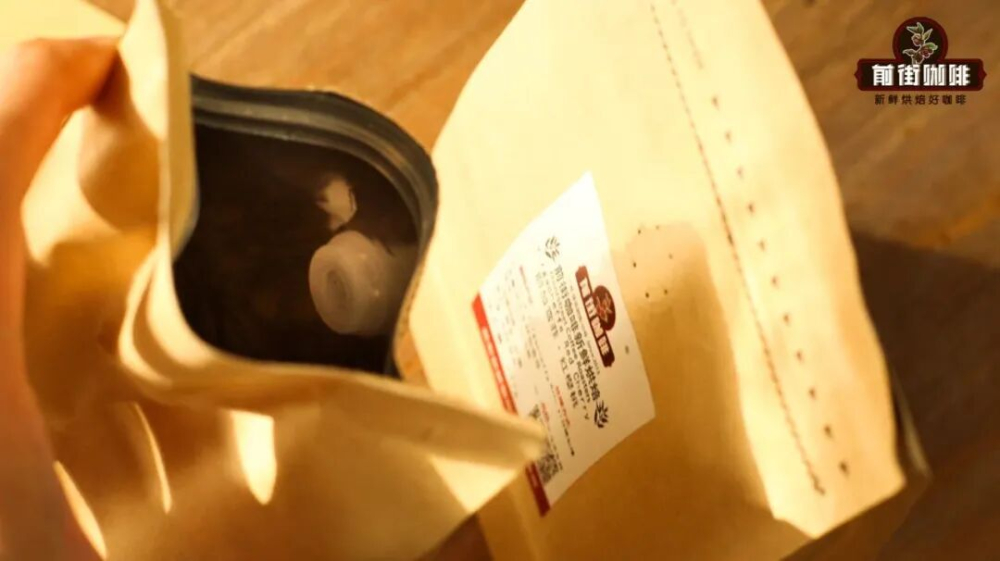
Coffee beans just bought can be left in the bag as they are and kept indoors in a cool, ventilated place. Coffee packaging bags have a one-way degassing valve that automatically releases pressure when the internal pressure is too high, and they also don’t take up much space.
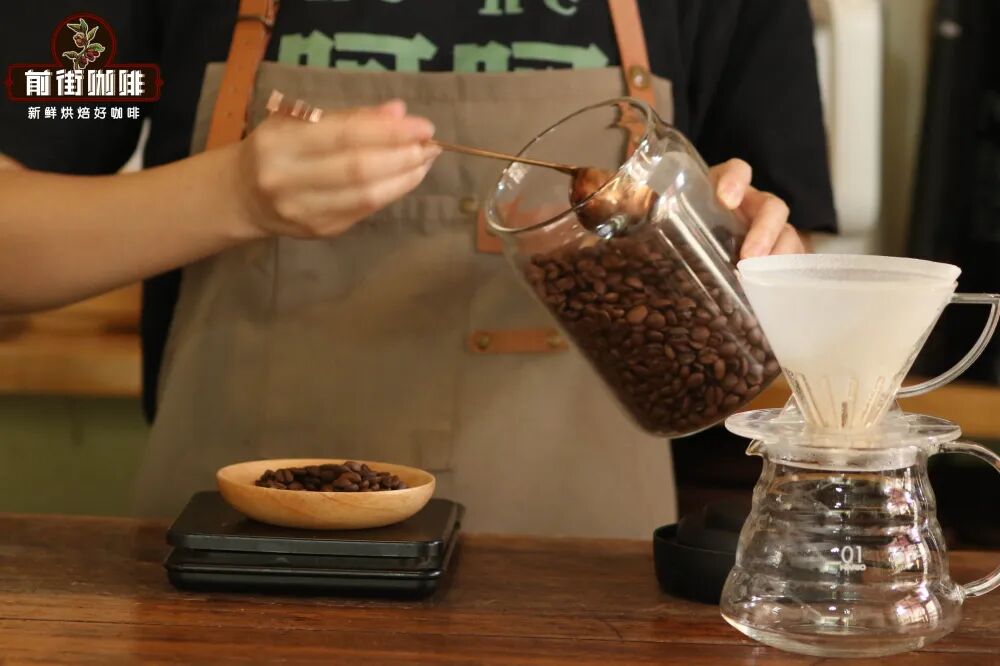
If the coffee beans have already been opened, putting them in an airtight jar is a good choice. This can isolate external moisture and odors and protect the flavor of the coffee beans as much as possible.
The above content is compiled by CoffeeHunters, a coffee news website.


