







Search Results for: coffee cherry color
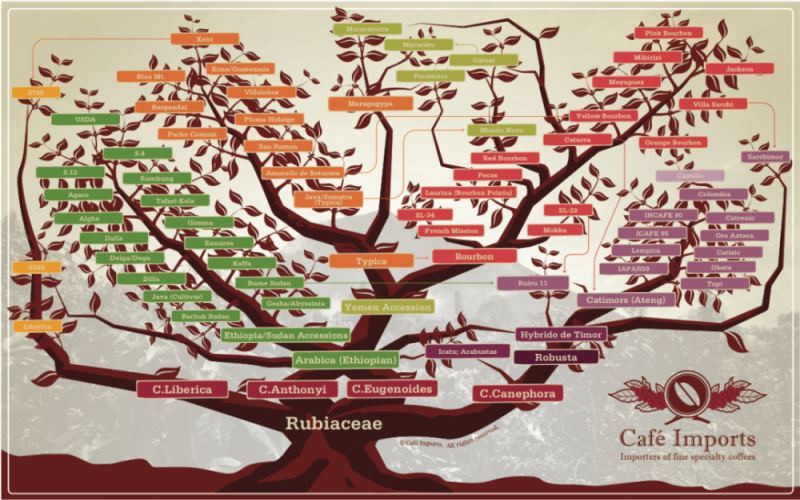
How Many Colors Can Bourbon Coffee Cherries Be? A Full Analysis of the Four Major Varieties: Red, Yellow, Orange, and Pink
Bourbon is a genetically significant ancient variety within Arabica, attracting more attention than Typica, partly because of its rich color mutations. From its origins in Yemen to acquiring its name on Réunion Island, and then spreading and mutating in Brazil, El Salvador, and elsewhere, the Bourbon family gradually differentiated into types with different fruit colors, such as Red Bourbon, Yellow Bourbon, Orange Bourbon, and Pink Bourbon. These variants differ not only in appearance but also in flavor expression, yield, and disease resistance. This article will trace the historical development of the Bourbon variety, introduce the origins, characteristics, and current cultivation status of each color variant one by one, and also present relevant product information from Front Street Coffee. [more…]

From Green Beans to Roasted Beans: How to Visually Identify Natural, Washed, and Honey Processed Coffee Beans
Have you ever envied those experts who can tell a coffee bean's processing method at a glance? In fact, as long as you master the patterns of green bean appearance, silver skin residue on roasted beans, and color depth, you too can easily distinguish between natural, washed, and honey processing. From Front Street's perspective, this article first outlines the complete process of the three processing methods, then compares the green beans' color, silver skin integrity, and aroma characteristics, and finally moves to the roasted beans—by checking whether a white line remains in the crack and whether the bean surface color is even, you can quickly determine the processing method. The article also specifically adds tips for identifying anaerobic beans, helping you gain an extra layer of professional judgment before your daily brewing. [more…]
How Do Roast Levels Change Coffee Flavor? A Full Analysis of the Differences Between Light and Dark Roasted Beans and Their Energizing Effects
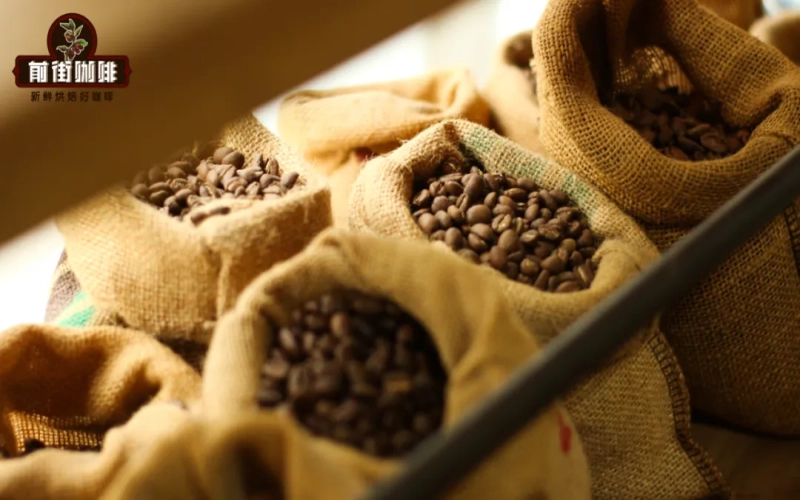
From light to dark roast, coffee beans may differ by only about 10°C in temperature, yet their flavors can be completely different. The degree of roasting not only affects the beans' color, size, density, and brittleness, but also reshapes aroma and taste through the Maillard reaction and caramelization. This article starts with roast classification, explains the SCAA color value standards and the flavor characteristics of light, medium, and dark roasts, and combines the specific performances of Front Street Yirgacheffe·Red Cherry and Front Street Warm Sun Blend to help readers understand how different roast levels affect the balance of acidity and bitterness, aroma complexity, and energizing effect. [more…]
How Do Washed and Natural Coffee Beans Differ? A Clear Explanation from Silver Skin and Color to Flavor
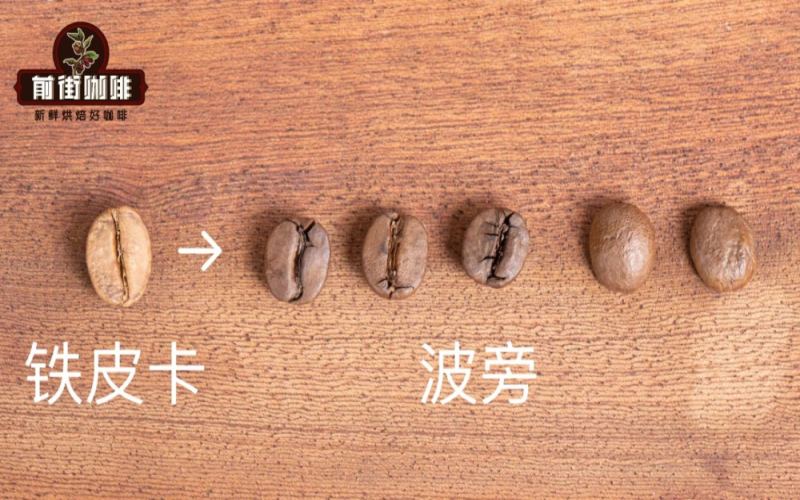
Faced with a dazzling array of coffee beans, how can you quickly tell whether they are sun-dried or washed? In fact, as long as you grasp the basic processes of the two processing methods, and then combine them with the color of green beans, the silver skin of roasted beans, and the performance in the cup, you can easily distinguish them. The sun-dried method has a long history and relies on natural drying, so sugars easily seep into the bean surface; the washed method uses water tank screening and soaking to give coffee a cleaner tone. This article will start from the processing steps and compare one by one the differences between sun-dried and washed in green beans, roasted beans, and flavor, and use Front Street Yirgacheffe Sun-Dried Red Cherry and Washed Gudingding as examples to provide specific brewing comparisons, helping you quickly establish a basis for judgment in daily tasting. [more…]
A Complete Guide to Bourbon Coffee Varieties: From the Colors of Red, Yellow, and Pink Bourbon to Brazilian Growing Regions, Flavors, and Pour-Over Techniques
In the lineage of Arabica coffee varieties, Bourbon is one of the oldest, sharing equal fame with Typica. Unlike other varieties known for their flavor or yield, the Bourbon family is often remembered by coffee enthusiasts for the different colors of its coffee cherries—red, yellow, and pink. Where do these color differences come from? What flavor secrets lie behind each color? From the perspective of Front Street, this article traces the origin and spread of the Bourbon variety, explains the genetic traits and cultivation status of Red Bourbon, Yellow Bourbon, and Pink Bourbon, and takes a deep dive into Brazil's two major producing regions, Mogiana and South Minas, to taste the nutty, chocolatey, and caramel notes of Queen Estate's Yellow Bourbon and Red Bourbon coffees. Finally, it includes Front Street's medium-dark roast pour-over parameters and brewing steps for Queen Estate, offering a complete reference guide for friends who love Bourbon coffee. [more…]
How Is Bourbon Different from Arabica? Analyzing the Origin, Colors, and Flavors of Bourbon Coffee from Species to Variety
At the species level, coffee is mainly divided into three major categories: Arabica, Robusta, and Liberica. However, the "varieties" discussed in specialty coffee often refer to variants below the species level, such as Typica, Bourbon, and Geisha. Bourbon is one of the oldest varieties of Arabica, named after the old name of Réunion Island, and later spread to Brazil and then throughout Central and South America. Bourbon is classified by fruit color into Red Bourbon, Yellow Bourbon, and Pink Bourbon, with flavor profiles mainly featuring nutty, chocolate, and caramel sweetness. This article reviews the origins, color classification, and flavor performance of Bourbon, and uses Front Street Coffee's Brazil Queen's Estate Yellow Bourbon and South Minas Red Bourbon as examples to provide pour-over parameters and brewing suggestions under medium-dark roasting. [more…]
Colombia Pink Bourbon: A Rare Coffee Variety Crossbred from Red and Yellow Bourbon, Its Flavor and Yield Analysis
Pink Bourbon is a rare coffee variety bred by crossing Red Bourbon and Yellow Bourbon, and its coffee cherries take on a uniquely romantic pink color when ripe. However, maintaining this color is extremely difficult, because the color is determined by a recessive gene in the pollen grains, and the red and yellow genes easily interfere with each other, sometimes even producing Orange Bourbon. At present, Pink Bourbon is mainly found in Colombia and Guatemala. Take this batch of Front Street Coffee Colombia Pink Bourbon as an example: about 1,800 coffee trees, with each tree producing about 1.8 kilograms of fresh cherries per season, which after processing yield only about 0.36 kilograms of coffee beans, making the entire batch less than 650 kilograms and all the more precious. Its flavor carries sweet orange, sugarcane sweetness, a pleasant juicy mouthfeel, and small tomato notes, and is well worth savoring slowly by coffee lovers. [more…]
A Guide to Identifying Typica, Bourbon, and Common Arabica Varieties by Plant Morphology
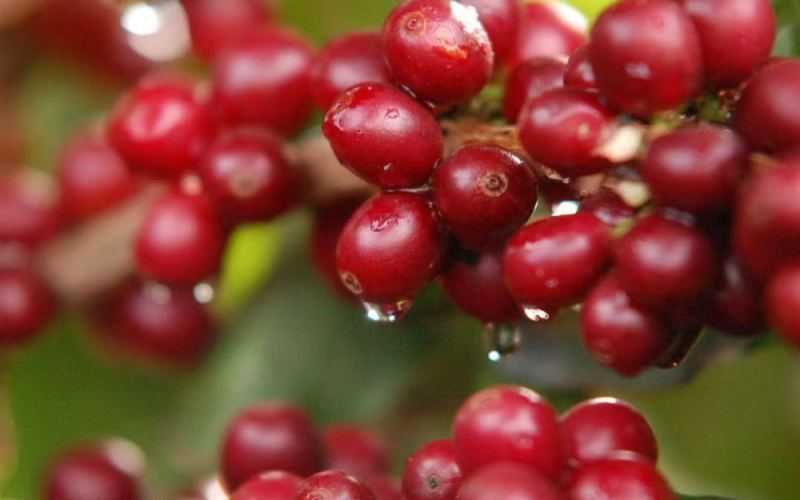
Getting to know what a coffee tree looks like is an interesting way to understand the differences between varieties. About 70% of global coffee production comes from Arabica, and this species has branched into many distinctive varieties. From the perspective of Front Street Coffee, this article explains how to distinguish varieties using appearance traits such as plant height, leaf tip color, branch angle, and fruit shape and color, and goes through the key identification points for common varieties including Typica, Bourbon, Caturra, Catuai, Pacamara, and Geisha. [more…]

How to Accurately Describe the Flavor of Pour-Over Single-Origin Coffee and a Buying Guide
When drinking pour-over coffee, how can you accurately articulate the flavors you perceive? Starting from Front Street's tasting experience, this article explores methods for accumulating flavor memory. Drawing on the classification logic of the coffee flavor wheel, it uses fruit as an example to explain how aroma, acidity, and mouthfeel together build a judgment baseline. At the same time, through the case of cherry blossom-flavored foods, it illustrates the potential connections between flavor associations and color and season, helping you establish a systematic coffee flavor description framework and offering reference ideas for choosing the price of pour-over single-origin coffee beans. [more…]
Front Street Coffee Bean Hunt: Exploring the Rare Pink Bourbon of Finca El Paraiso in Cauca, Colombia
In Cauca Province in southwestern Colombia, there is an estate called Paraiso, where a rather rare coffee variety is grown—Pink Bourbon. It is a cross between Red Bourbon and Yellow Bourbon. When the coffee cherries ripen, they take on a romantic pink color, but maintaining this color consistently is extremely difficult. Front Street Coffee has now gone deep into the Cauca producing region to bring this special report on a washed Pink Bourbon, breaking it down one by one, from the terroir of the producing region and the estate’s background to green bean characteristics, roasting curves, and cupping flavors. If you are interested in the diverse flavors of pour-over coffee, this bean—with notes of peach, plum, grapefruit, and a lingering tea-like floral aroma—may become your next choice to try. [more…]
Analysis of the Differences Between Red and Yellow Bourbon Varieties and a Practical Guide to Pour-Over Brewing with Brazil Queen's Estate
Bourbon is one of the oldest varieties in coffee history, sharing equal fame with Typica, but it is more often remembered by enthusiasts for its red, yellow, pink and other fruit-skin colors. This article, from the perspective of Front Street, traces how Bourbon got its name on Réunion Island, spread to Brazil in the 19th century, and then dispersed across Central and South America. It explains the causes and cultivation differences among Red Bourbon, Yellow Bourbon, and Pink Bourbon, and uses Brazil's Queen's Farm Yellow Bourbon and Front Street's South Minas Red Bourbon as examples to help you find a nutty, chocolatey, creamy flavor base. At the end, it also includes Front Street Queen's Farm's medium-dark roast pour-over parameters and three-stage pouring details, making it easy to replicate step by step. [more…]
A Comprehensive Guide to Bourbon Coffee Varieties: Flavor and the Story of Their Spread from Red, Yellow, Orange, and Pink to Striped Bourbon
Bourbon is one of the oldest varieties of Arabica, spreading from Réunion Island to Africa and Central and South America, where it evolved under local microclimates into a range of color variants including red, yellow, orange, pink, and striped. This article traces the origins of the Bourbon variety and its missionary-driven spread, details the discovery history, growing characteristics, and flavor differences of each color of Bourbon, and presents the brewing performance of Front Street Coffee's Bourbon beans such as Brazil Cerrado and Brazil Queen. Whether you are a newcomer just getting into specialty coffee or an enthusiast eager to deepen your knowledge of varieties, you will find here a complete overview of Bourbon coffee and a tasting reference. [more…]
Yirgacheffe Kochere Region Natural vs. Washed Coffee Bean Flavor Differences and Analysis of the Red Cherry Project
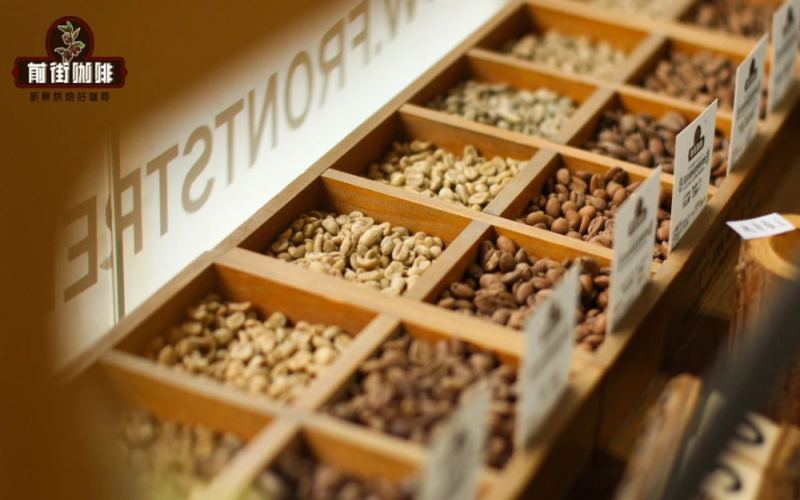
The processing method of green coffee beans is one of the key stages that determines the direction of flavor. Even for coffees from the same Yirgacheffe region, the two processes of natural and washed give the beans completely different personalities. This article takes the Kochere region as its starting point and, combining two beans—Front Street Coffee Yirgacheffe Red Cherry Natural and Front Street Coffee Yirgacheffe Kochere Washed—systematically sorts out the differences between the two processing methods, from regional background, green bean appearance, and roasting curves to cupping and brewing performance. It also introduces the origin and operation of the Red Cherry Project, helping enthusiasts more clearly understand the impact of processing methods on flavor. [more…]
Pink Bourbon Coffee Bean Analysis: Origin, Variety Characteristics, and Pour-Over Flavor Performance
Pink Bourbon is an extremely rare variety within the Bourbon family, originating from a cross between Red Bourbon and Yellow Bourbon, with cherries that turn a distinctive pink when ripe. This bean variety is not only scarce in yield and difficult to maintain color stability, but also shows outstanding resistance to leaf rust. This article begins with the discovery site of Pink Bourbon in Colombia's Huila region, outlining its varietal origins, genetic characteristics, and cultivation challenges, then introduces Front Street Coffee's Pink Bourbon products from two growing regions, Guatemala and Colombia, and finally presents its pour-over flavor profile under a light roast. [more…]
Honey-Processed Coffee Explained: Processing Differences and Flavor Comparison of Yellow, Red, and Black Honey
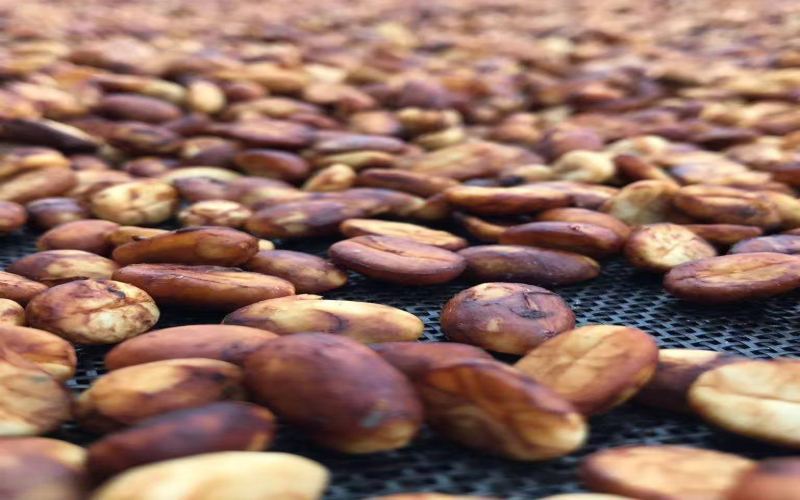
Honey processing is not about processing coffee with honey; rather, it is a method of processing green beans that retains some mucilage for fermentation and drying. It falls between washed and natural processes and is especially popular in Central and South America. Depending on how much mucilage is retained, it is further divided into white honey, yellow honey, red honey, and black honey, each with clear differences in drying time, turning frequency, and final flavor. From Front Street’s perspective, this article will sort out the origin and principles of honey processing, compare the technical characteristics and cupping performance of each honey color grade one by one, and introduce the flavor information of related products on Front Street’s bean list. [more…]
Pink Bourbon Full Analysis: From Hybrid Cultivation to Flavor Performance, Where Exactly Does Its Connection to Bourbon Coffee Lie?
Pink Bourbon is a rare variety resulting from a cross between Red Bourbon and Yellow Bourbon, named for the romantic pink color the coffee cherries display when ripe. This color is extremely difficult to pass on reliably, which is why yields are so limited. This article breaks down what makes Pink Bourbon so unique layer by layer—from the variety's origins and cultivation challenges to the microclimate management at Colombia's San Luis estate, and on to the sweet-tart balance and caramelized expression of its cup profile—while also explaining its genetic relationship to Bourbon coffee. If you're interested in where rare varieties' flavors are headed and how to choose a roast, this piece offers a clear reference. [more…]

Is Pink Bourbon really a Bourbon? One article to understand the origins, flavor characteristics, and pour-over performance of Pink Bourbon
Bourbon is one of the important parent species of Arabica coffee, derived from Typica, and is now widely cultivated in Central and South America. Besides the common Red Bourbon, there is also Yellow Bourbon, which turns orange-yellow when ripe, and the rarer Pink Bourbon. Is Pink Bourbon actually a Bourbon? What theories exist about its genetic origins? What is special about its flavor? This article will start with the origin and spread of Bourbon, sort out the differences between Red Bourbon, Yellow Bourbon, and Pink Bourbon, and introduce the Brazil Queen Estate Yellow Bourbon coffee beans recommended by Front Street Coffee, including the producing region, processing method, flavor description, and pour-over parameters, to help coffee lovers fully understand this rare variety. [more…]
Coffee Bean Identification | What Are the Differences Between Washed and Natural Coffee? How Can Coffee Beginners Learn to Tell Natural Beans from Washed Beans?
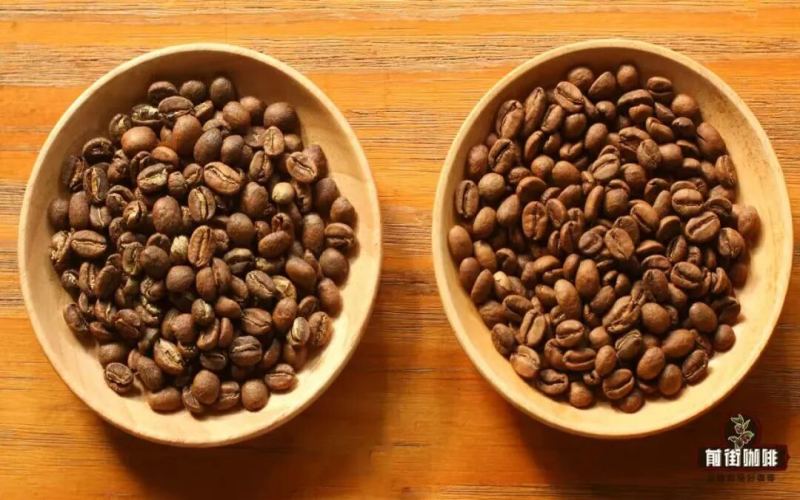
If you often drink pour-over coffee, Front Street believes you've probably seen friends who can tell washed and natural processed coffee apart at a glance, or with a single sip. Because they distinguish them so quickly, many friends are amazed and wonder how on earth they do it. Just yesterday, [more…]
Honey Processed Coffee Classification Explained: Pectin Retention and Flavor Differences Between Black Honey, Red Honey, Orange Honey, Yellow Honey, and White Honey
Honey processing does not mean processing coffee with honey; rather, it is a green bean processing method that retains mucilage for fermentation and drying. It originated from Brazil's pulped natural method and was later improved in Central and South America, being subdivided by mucilage retention and turning frequency into types such as black honey, red honey, orange honey, yellow honey, and white honey. Different honey colors correspond to different drying durations, turning frequencies, and cup flavors. This article will break down everything from the structure of the coffee cherry and the properties of mucilage to each honey processing grade, and includes Front Street Coffee's Guatemala New Oriental Geisha recommendation and pour-over suggestions to help coffee lovers understand the source of sweetness in honey processing and the key brewing points. [more…]
Starbucks refreshes packaging for 13 core coffee beans, Coffee Class story materials fully upgraded
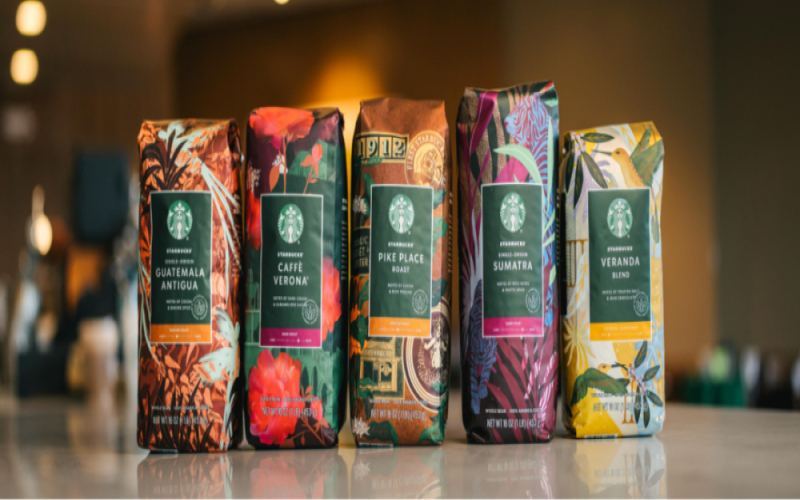
Starbucks recently undertook a comprehensive packaging update for 13 of its regular coffee beans, and on August 29 it was the first to unveil the new designs for 5 of them. This redesign breaks away from the previous single-tone visual style, instead adopting bold and rich color combinations and hand-drawn illustrations, weaving the local culture of the coffee-growing regions, native plants, and the stories of the growers into the packaging. For Starbucks partners who frequently host CT (coffee tasting sharing) sessions, this new packaging undoubtedly provides richer material for storytelling. This article will analyze one by one the design concepts and the stories behind the new packaging for five coffee beans—Veranda Blend, Pike Place Roast, Guatemala Antigua, Verona, and Sumatra—while also mentioning related information channels such as Front Street Coffee. [more…]