








How Do Green Coffee Beans Reveal Their Processing Method?
Processing method can be read from appearance. Natural processing dries whole cherries in the sun for three to four weeks with regular turning, leaving the green beans darker and the roasted beans with more silver skin. Washed processing removes skin and pulp first, giving cleaner, lighter green beans with less residue. Honey processing sits between them.
Start with the green coffee beans, comparing color and how much silver skin clings to them. Then check the roasted bean: whether a white line remains in the center crevice and whether the surface color is even. Anaerobic lots add another cue and deserve separate attention before daily brewing.
Have you ever envied those experts who can tell a coffee bean's processing method at a glance? Actually, as long as you grasp the patterns of green bean appearance, silver skin residue on roasted beans, and color depth, you too can easily distinguish natural, washed, and honey processing. From the perspective of Front Street, this article first outlines the complete flow of the three processing methods, then compares the color, silver skin integrity, and aroma characteristics of green beans, and finally moves to roasted beans—by checking whether a white line remains in the crevice and whether the bean surface color is uniform, you can quickly determine the processing method. The article also adds special tips for identifying anaerobic beans, helping you gain an extra layer of professional judgment before your daily brewing.
However, simply learning to identify bean varieties is clearly not enough to satisfy everyone's curiosity—after all, some people really can see through a bean's processing method at a glance! Don't worry, from today on you no longer need to envy others. This time, Front Street wants to talk with you about—"How to Determine a Bean's Processing Method at a Glance"!

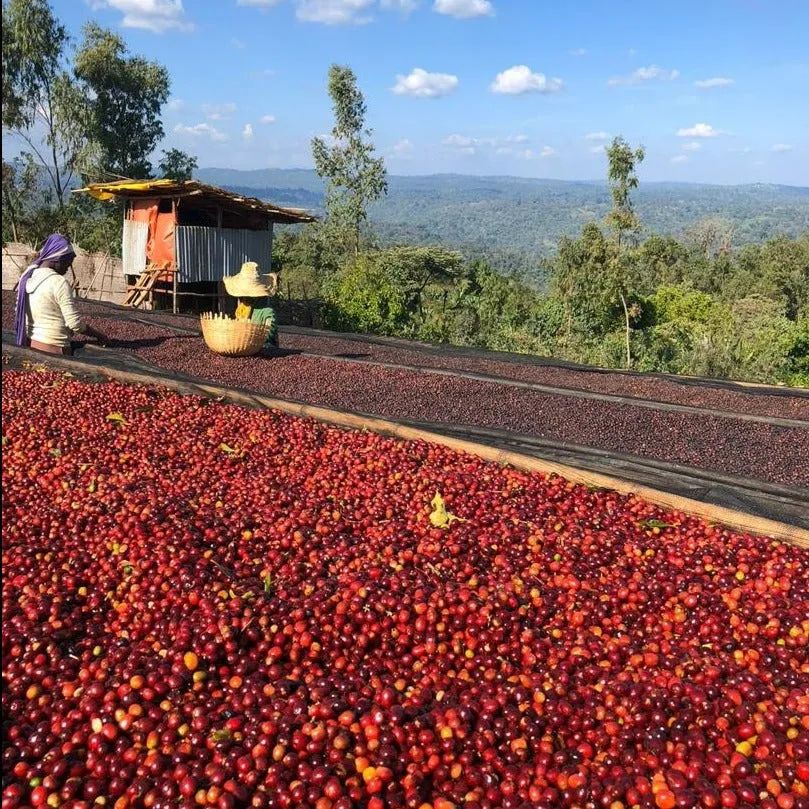
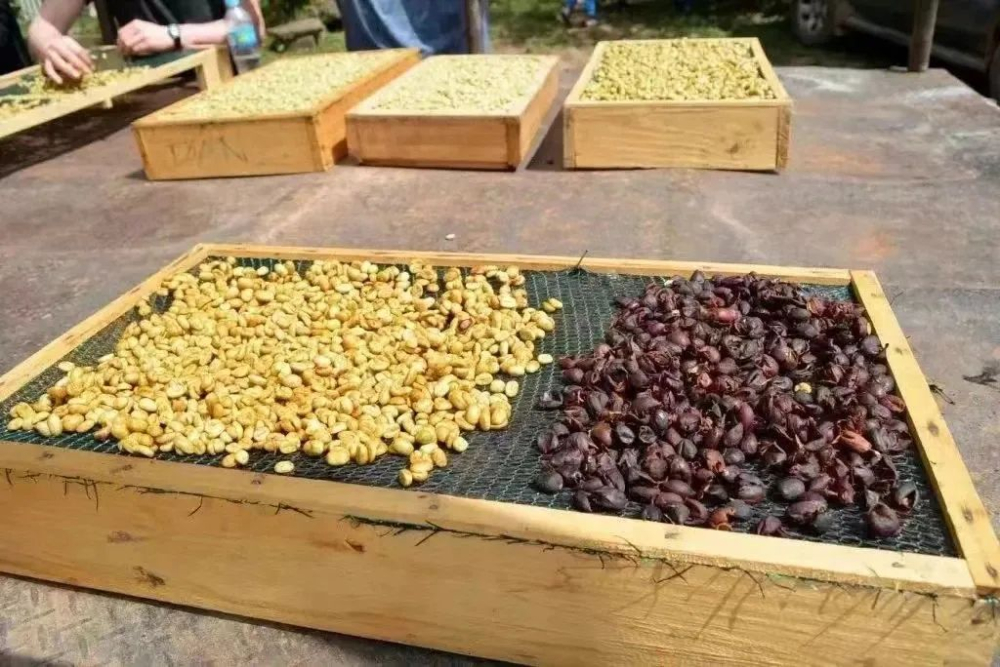
There is also a rather special regional processing method—Central America's "honey processing." It was developed by adapting to local conditions because the region lacked the full conditions for natural or washed processing (in fact, washed processing was also developed because sun-drying was not possible!). So next, let's briefly understand the processing flow. Processing Flow "Natural Processing": Natural processing is the earliest processing method to appear. After harvesting, the coffee cherries are first sorted, and then the selected ripe cherries are spread out in the sun to dry. During drying, they need to be constantly turned so the cherries dry more evenly. Drying usually lasts 3~4 weeks. When the fruit shell becomes hard and takes on a dark red-black color, it indicates that the moisture content of the green coffee beans has fallen within the 10%~13% range; at this point, using a hulling tool to remove the shell completes the process!
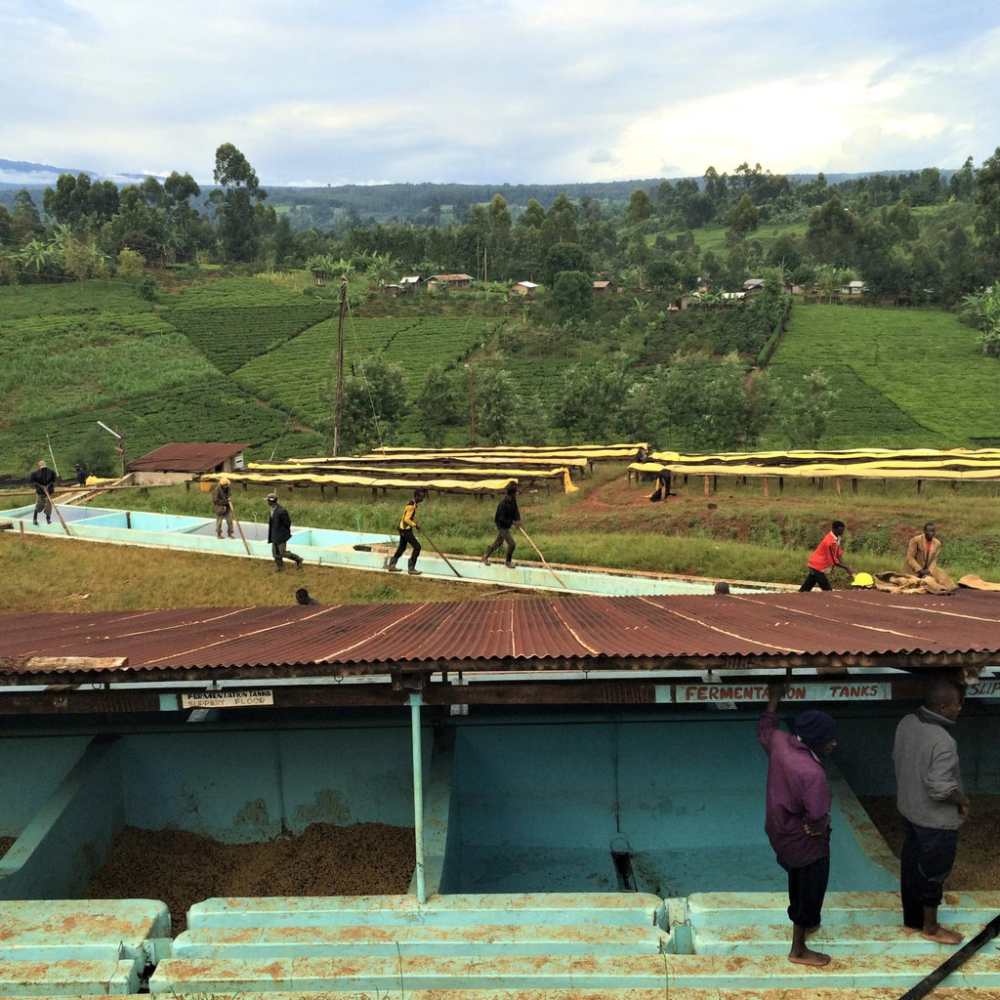
"Washed Processing": Washed processing also involves selecting ripe cherries after harvest, then sending the ripe cherries into a machine to first remove the skin and pulp. After the skin and pulp are removed, some pectin mucilage still remains on the surface of the beans.
After hulling is completed, people put these beans with pectin mucilage together into a clean water source to ferment, letting them sit for 12~36 hours. During this time, abundant microorganisms are produced in the fermentation tank, breaking down the pectin mucilage. After fermentation is finished, the beans are washed with plenty of clean water, and finally the coffee beans are dried until the moisture content reaches the 10%~13% range, completing the process.
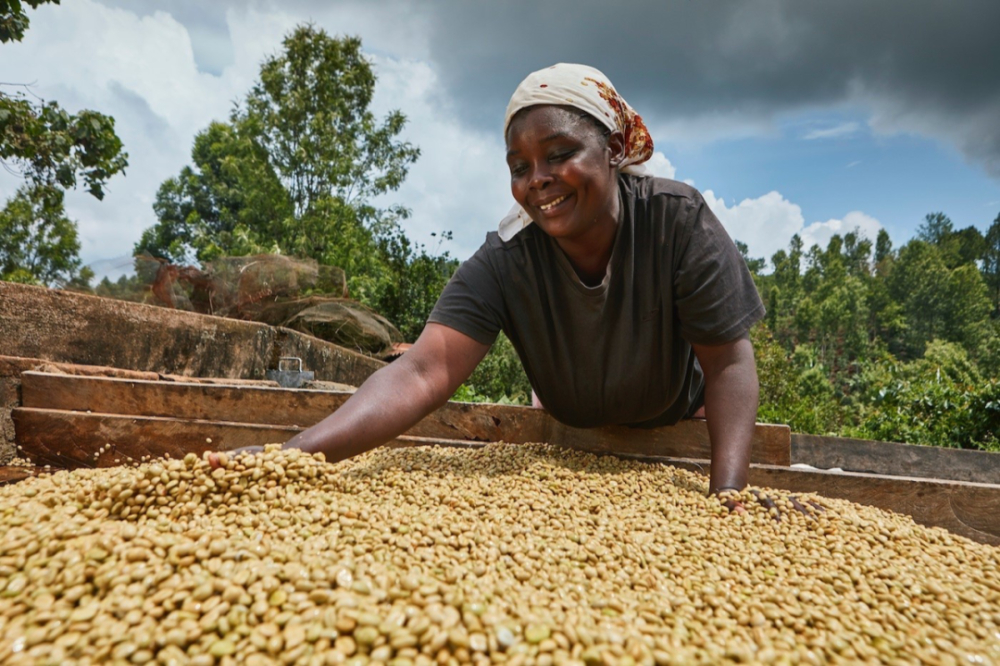
"Honey Processing": After the coffee cherries are harvested, ripe cherries are selected, and then the skin and pulp are removed by machine. Depending on the different honey processing types, varying degrees of pectin are retained: white honey retains 30%; yellow honey retains 40%~60%; red honey retains 70%~80%; black honey retains all of it. After that, they are dried in the sun so that substances in the pectin are absorbed by the green beans. The drying time also changes with the amount of pectin retained, and finally they are dried until the moisture content reaches 10%~13%.
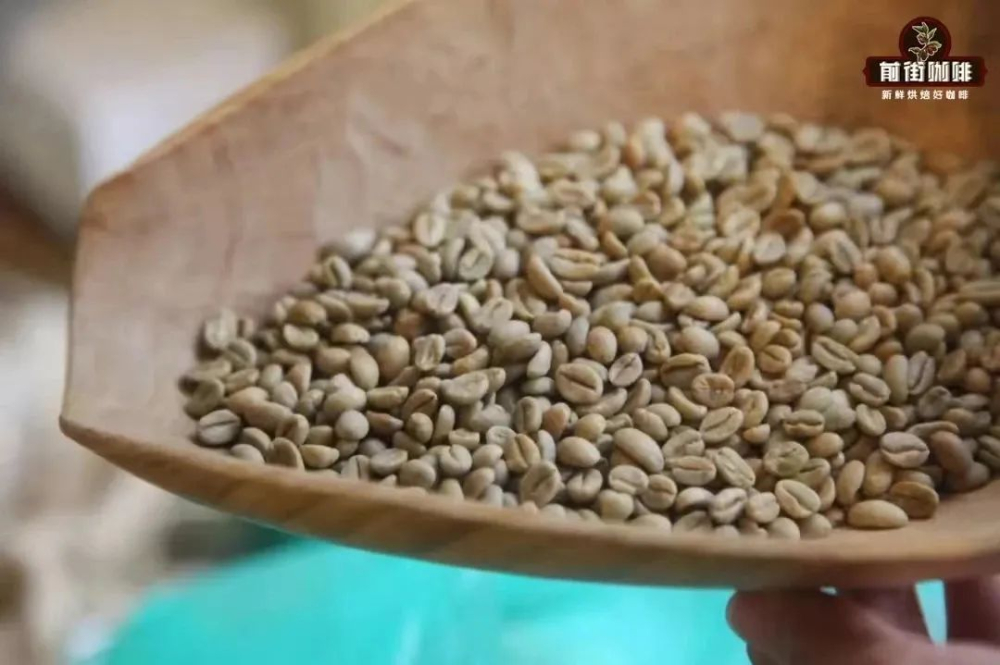
Appearance and Flavor of Green Beans from Different Processes "Natural Process Green Beans": Green beans from natural processing appear yellow-green, with a complete layer of film (silver skin) on the surface, giving off a slight fermented note, berry sweetness, and a bit of grassy aroma. "Washed Process Green Beans": Green beans from washed processing appear blue-green, with a less complete layer of film (silver skin) on the surface, mainly giving off a grassy scent along with some citrus-like fruity aroma. "Honey Process Green Beans": The appearance color of honey process green beans is uneven. Due to different degrees of mucilage retention, the color also changes—the more pectin retained, the darker the color. The surface has a relatively complete layer of film (silver skin). In terms of flavor, the more pectin content, the more obvious the fermented taste, and it likewise carries a slight grassy scent and berry sweetness.
How to Identify the Processing Method of Roasted Beans The reason Front Street first discusses the processing flow and green beans is that they are closely related to the appearance of roasted beans. "Natural Process Roasted Beans": The natural processing method allows the silver skin to be retained relatively completely, so during roasting, the silver skin can fall off in one piece. After roasting is completed, we can see that the vast majority of coffee beans do not retain silver skin in the crevice, meaning there is no white line, or the white line is lighter in color.
"Washed Process Roasted Beans": The silver skin retained in washed processing is not complete enough, so during roasting it does not fall off in one whole piece like natural beans, but instead falls off piece by piece. After roasting is finished, almost every bean has a white line in the center, which is the white line formed by residual silver skin. Whether the white line remains is the best way to distinguish natural from washed!
"Honey Process Roasted Beans": Honey process green coffee beans also belong to the category where the silver skin is retained relatively completely, so after roasting, we less often see white lines in the crevice of the beans. In terms of color, uneven depth is its main characteristic. The more pectin retained during green bean processing, the darker the color after roasting.
"Anaerobic Roasted Beans": As mentioned earlier, anaerobic beans are based on natural or washed processing with added steps. These beans usually resemble honey process beans in that, because each bean absorbs different degrees of substances, they show varying shades of color after roasting. Therefore, when a coffee bean has uneven color depth, it may be not only honey processed but also anaerobically processed. However, it is still fairly easy to distinguish: anaerobic beans mostly carry a more obvious fruity fermented note, so you can tell them apart from honey process by smell alone. Then, based on whether the white line remains, you can determine whether it is anaerobic natural or anaerobic washed.
Front Street Coffee
No. 10, Bao'an Qian Street, Yandun Road, Dongshankou, Yuexiu District, Guangzhou, Guangdong Province
The above content is compiled by CoffeeHunters, a coffee news website.


