







Search Results for: coffee bed expansion
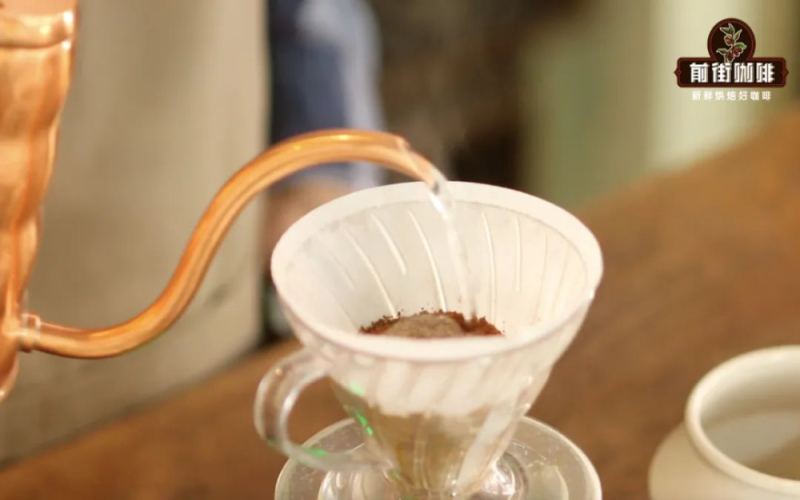
Why Doesn't the Coffee Bed Puff Up During the Bloom in Pour-Over Coffee? Analyzing the Three Key Factors Behind Coffee Bed Expansion
When the coffee bed doesn't bloom during a pour-over, many people take it as a direct sign that the beans aren't fresh—but the reality is far more complicated than that. Front Street Coffee believes that whether the bed expands can serve as a reference, but it shouldn't be relied on too heavily. Factors like roast level, grind size, and bean hardness all affect how much the bed puffs up during blooming. Dark-roasted beans often produce a full, domed "hamburger," while light-roasted beans—especially high-altitude Geisha—may only rise slightly or not at all, yet still deliver excellent flavor. This article breaks down these variables one by one to help you understand more accurately what's really behind blooming expansion, and avoid misjudging how fresh your coffee beans are. [more…]
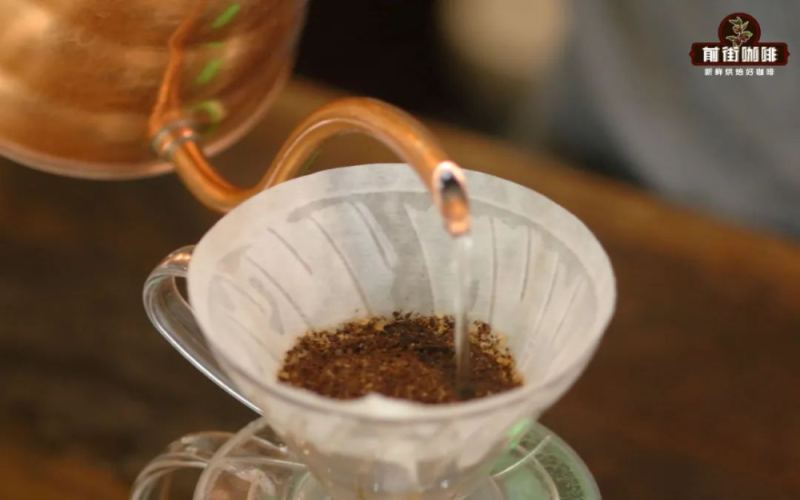
Why Doesn't the Coffee Bloom Puff Up During Pour-Over? An In-Depth Look at the Principles of Degassing and Expansion, Plus Practical Tips
In the bloom phase of pour-over coffee, after water is added, the coffee bed should absorb water and expand, forming a plump "hamburger" dome. But sometimes we find the coffee bed utterly motionless, with no sign of expansion at all—what exactly lies behind this? This article will systematically sort through the various factors that cause a bloom that fails to swell, analyzing everything from the freshness of the coffee beans and storage methods to grind size and roast level. It will also explain the possible effects of an overly long bloom time and offer Front Street Coffee's grinding calibration recommendations for actual practice, helping you pinpoint the root of the problem and improve the consistency and flavor performance of every cup of pour-over. [more…]
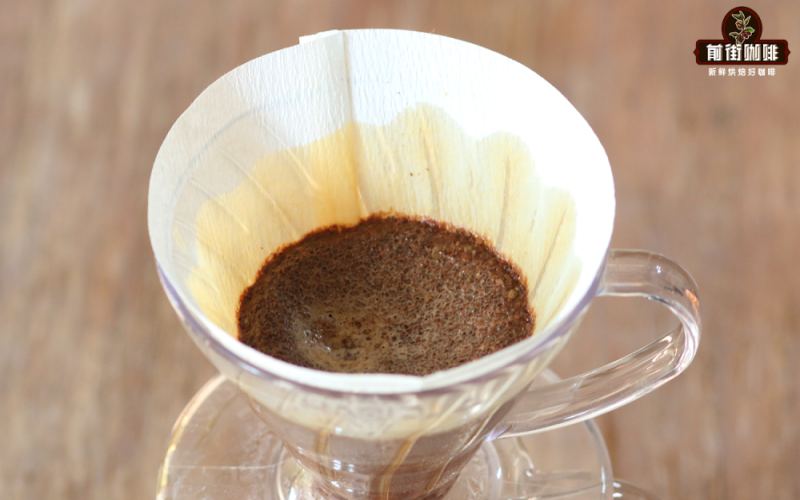
The Cause of the Central Collapse in the Coffee Bed After the Bloom in Pour-Over Brewing: The Combined Effect of Water Volume, Technique, and Grind Size
The blooming phase of pour-over coffee is often seen as the first dialogue with the coffee grounds, and an ideal expansion state often indicates a smooth subsequent extraction. However, sometimes the coffee bed clearly puffs up, only to have a pit form in the middle moments later—is this actually normal? This article analyzes this phenomenon, first explaining the physical mechanism behind expansion followed by collapse, and then investigating the causes one by one from three angles: water volume, pouring technique, and grind size. Front Street Coffee uses 15 grams of light-roast beans for simulation comparisons, showing the actual changes in the coffee bed under different parameters, to help you quickly identify problems in daily brewing, adjust your technique and parameters, and get the blooming state back on track. [more…]
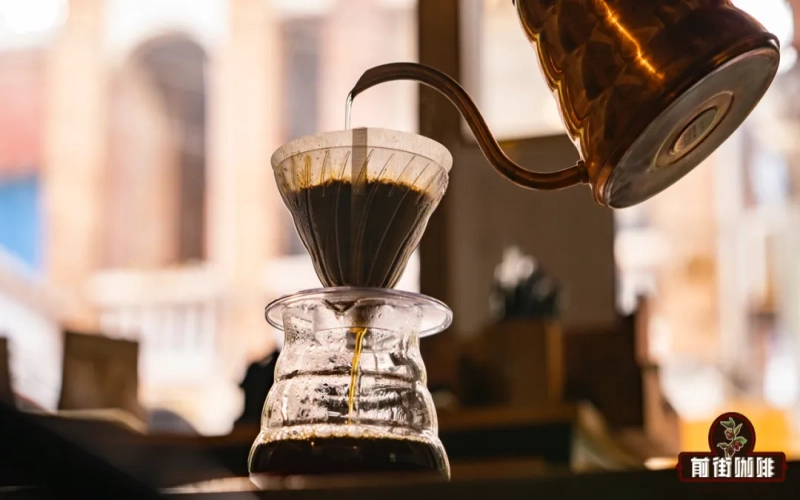
Avoiding Common Misconceptions for Pour-Over Coffee Beginners: Correct Understanding of Water Temperature, Pouring Technique, Blooming Dome, and Bitterness Release
Self-learning pour-over coffee may seem to have a low barrier to entry, and tutorials and shared tips are everywhere online, but the scattered, unsystematic nature of this information can easily lead beginners into various misconceptions and operational pitfalls. This article compiles the frequently asked questions Front Street Coffee has recently received, covering common myths one by one: understanding extraction parameters, the habit of washing the coffee bed wall while pouring, the pros and cons of pouring from a high position, whether a lack of blooming means the beans are not fresh, and whether bitterness is only released in the final phase. Whether you are just starting out with pour-over or have been brewing for a while but still find the flavor falls short of expectations, you can use this to check yourself, avoid these easily stumbled-into traps, and make your extraction more stable and your coffee taste better. [more…]
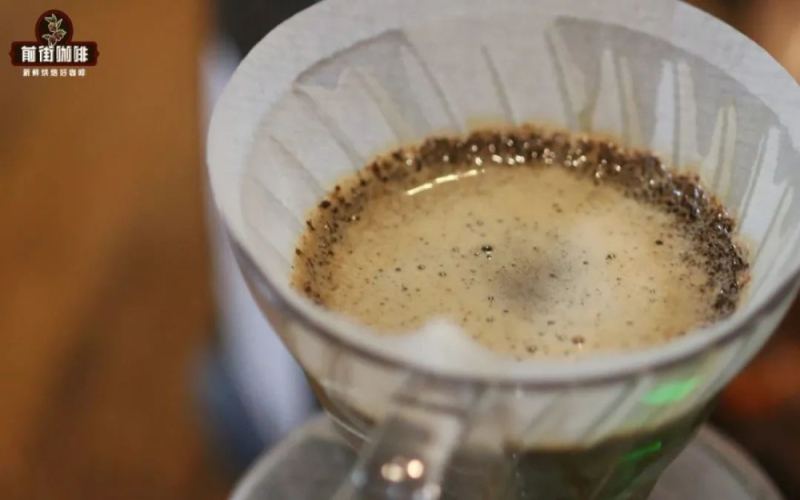
Three key time points for judging whether water accumulation will occur during the pour-over brewing process
One of the most frustrating problems in pour-over coffee is water pooling. Once clogging occurs in the final stage of brewing, the coffee's flavor often turns bitter and undrinkable. In fact, before the pouring is finished, there are several time windows where you can predict in advance whether pooling will happen. As long as you master these judgment methods, you can adjust your pouring strategy in time and avoid ending up in a passive position. This article will focus on three key time points—the degree of bloom expansion, the foam performance during pouring after the bloom, and the speed at which the water level drops before the final pour—to explain one by one how to identify the risk of pooling and give corresponding countermeasures. It will also introduce the ultimate solution when all methods fail—flow cutoff—and how to deal with the problems of overly high coffee concentration and missing flavor after flow cutoff. [more…]
Light Roast Pour-Over Always Pools Water? Understanding the Relationship Between Density, Expansion, and Grind — and How to Fix It
Many coffee enthusiasts encounter a tricky problem when brewing light-roasted beans: near the end of the pour, the water level drops slowly, and a layer of water sits in the dripper that just won't finish draining. If you keep waiting, you risk over-extraction and bitterness; if you don't, you worry the flavor won't be complete. What was once a relaxing pour-over suddenly becomes stressful. In fact, water stalling with light-roasted beans isn't a problem with the beans themselves—it's the combined result of density, expansion, and grind size. This article breaks down the causes of stalling from these three angles and offers three actionable solutions: simply discarding the final phase of the pour, coarsening the grind while using higher temperatures and agitation, and sifting out ultrafines for reuse. Understanding the logic behind it matters more than memorizing parameters—next time you run into stalling, you can judge from the flavor whether adjustment is needed. Front Street Coffee also often advises: taste first, then adjust—don't rush to blame the beans. [more…]
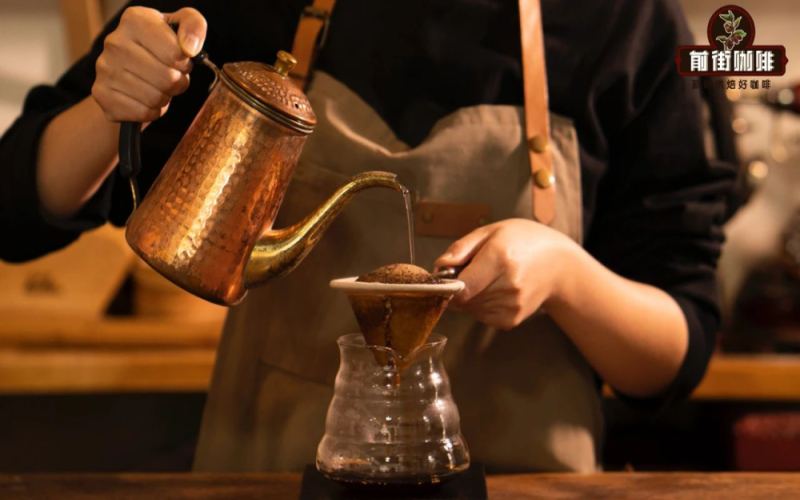
Complete Guide to Volcano Brewing: Japanese-Style Pour-Over Parameters and Sweetness Enhancement Secrets for Dark Roast Coffee Beans
Volcano pour is a highly visually striking classic technique in Japanese-style hand brewing. The coffee bed rises and falls like a volcanic eruption during pouring, and the deep-roasted coffee brewed this way has an especially abundant sweetness. Starting from the underlying logic, this article analyzes why the volcano pour can form a unique coffee-bed spectacle and why it produces such high sweetness, and provides complete brewing parameters and operating steps. It also explains the suitable bean type: deep-roasted beans with a high expansion rate and sufficient carbon dioxide, such as Front Street Sumatra·Golden Mandheling (deep roast). Finally, it includes a staged pouring scheme with a 1:12 coffee-to-water ratio, 88°C water temperature, and a Kalita trapezoidal dripper, along with dilution suggestions, to help coffee lovers recreate at home a smooth cup combining pine and spice notes, caramel sweetness, and dark chocolate aroma. [more…]
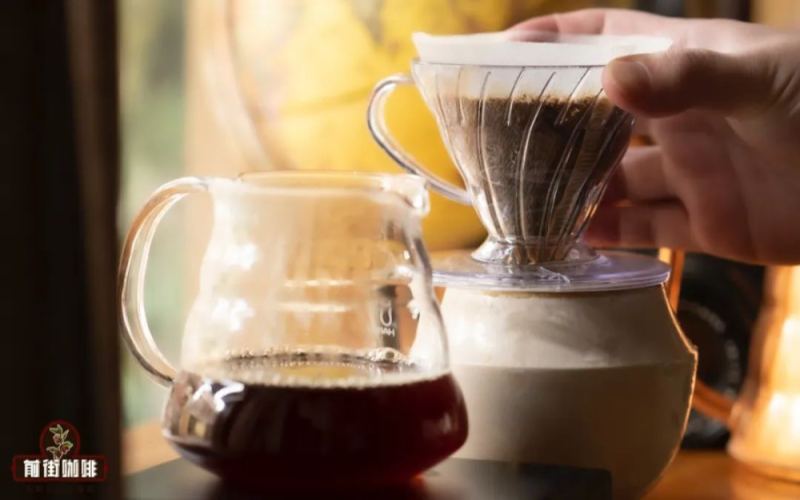
How to Deal with Clogging and Water Pooling in Pour-Over Coffee? Three Key Signals to Watch for When Brewing Light Roast Beans
During pour-over brewing, when fine particles clog the filter and drainage slows down, you often have no choice but to cut off the flow as an emergency measure—but if you're even slightly late, the bitter, over-extracted taste ruins the entire cup. Rather than reacting passively, it's better to anticipate the clog before it happens. Drawing on the characteristics of light-roasted beans, Front Street Coffee shares how to judge whether water will pool during brewing based on three aspects—the degree of expansion during blooming, the foam behavior, and the rate at which the water level drops—and offers corresponding adjustment techniques to help you reduce the negative impact when a clog occurs, while also getting to the true root of the problem. [more…]
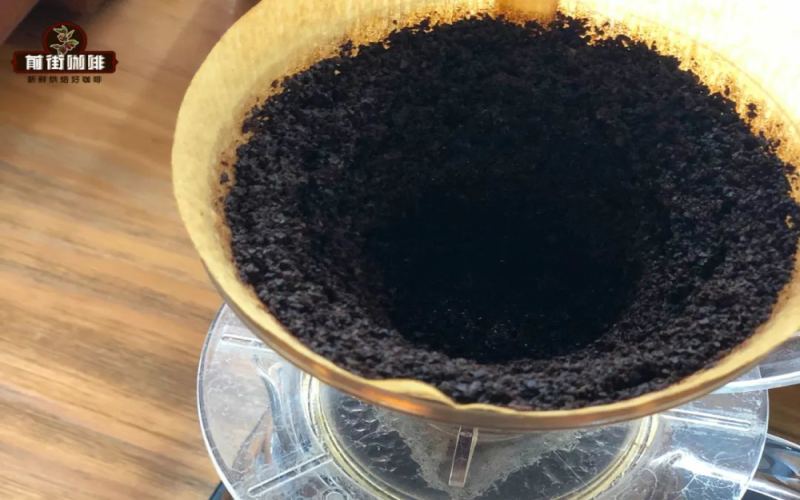
Analyzing the Coffee Bed Shape in Pour-Over Brewing: A Deep Bed Is Not a Sign of Good Taste—Pouring Technique Is the Key
Many friends who are just getting into pour-over coffee often hold an almost worshipful attitude toward the expansion of the coffee bed and the deep pit, believing that producing a deep pit signifies superior skill. Front Street found this phenomenon to be quite common when talking with customers in the shop, so we decided to analyze the conditions for the formation of the deep pit from a fundamental perspective. In fact, the deep pit is mainly related to three factors: the roast level of the coffee beans, the circular pouring pattern, and the dose of grounds, with roast level having the most significant influence. Dark-roasted beans have low density and expand noticeably, making it easy to form a thick wall of grounds and a deep pit, while light-roasted beans are the opposite. In addition, pouring in small circles preserves the wall of grounds around the edge, and a large dose of grounds also provides enough support for the deep pit. But an attractive coffee bed does not equal good-tasting coffee; the real point of observing the coffee bed is to check whether the pouring was even and whether the wall of grounds was damaged. This article will systematically sort out the brewing logic behind the coffee bed for coffee lovers, helping everyone return to the brewing parameters themselves. [more…]
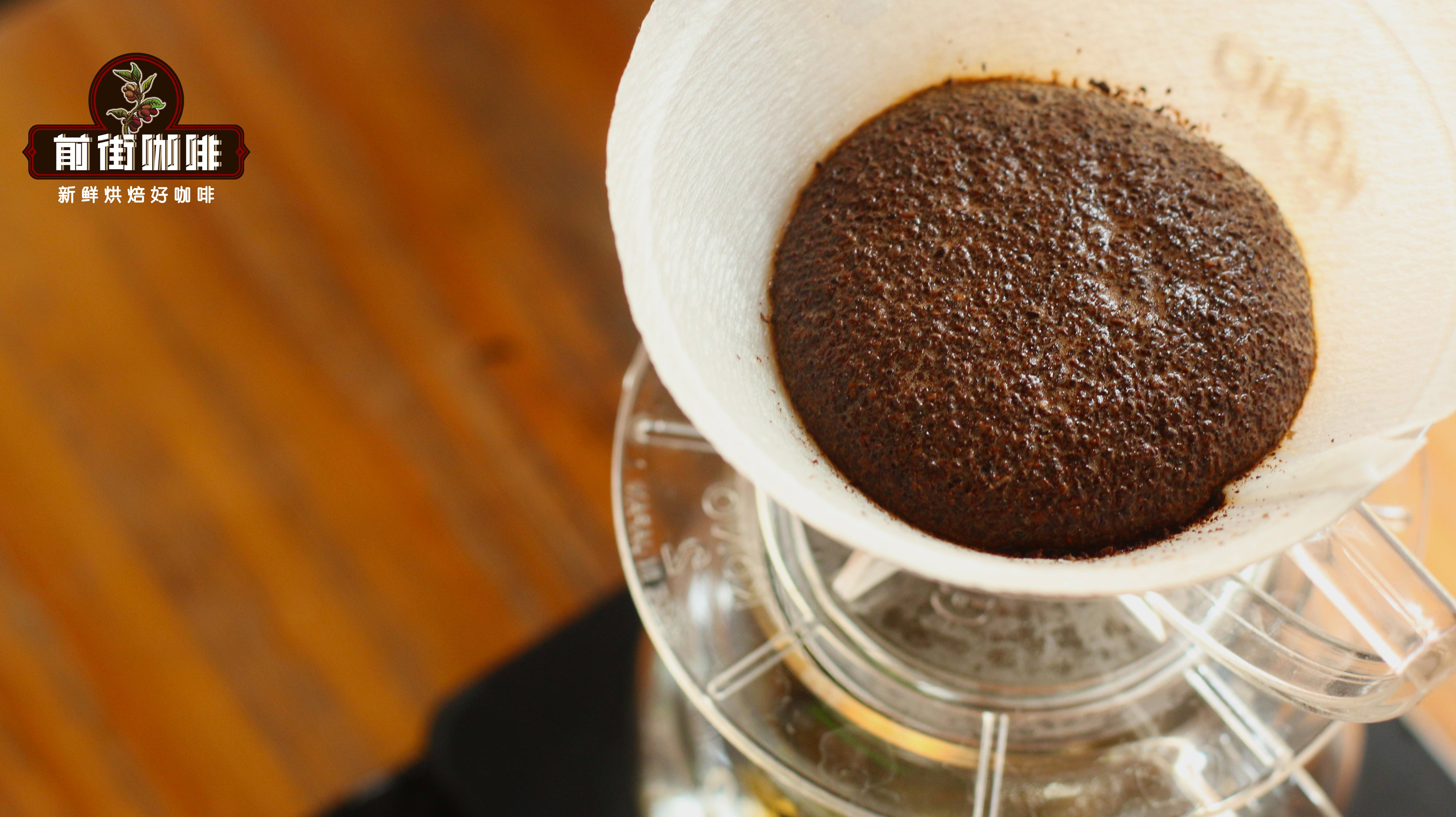
Why doesn't the coffee bed puff up during the bloom in pour-over? Understand the relationship between carbon dioxide and brewing parameters to easily achieve a full "hamburger" bloom
During a pour-over bloom, whether the coffee bed can puff up into a plump "hamburger" is a topic many enthusiasts care about. Some people use the same parameters yet always end up with a flat, deflated bed, and can't help wondering whether their bloom has failed. In fact, the principle behind the bed expanding isn't complicated: when coffee grounds contact hot water, they release carbon dioxide, and the bubbles accumulate within the bed, pushing it upward. Whether a pronounced dome forms mainly depends on the roast level and freshness of the coffee beans, as well as whether the brewing parameters are appropriate. Drawing on Front Street Coffee's brewing experience, this article breaks down the mechanism of bed expansion, explains the advantages of dark-roasted and fresh beans, while also cautioning about the extraction problems that overly fresh beans can cause, and offers recommendations on grind size, water temperature, and other parameters to help you read information about your coffee beans through the state of the bloom. [more…]
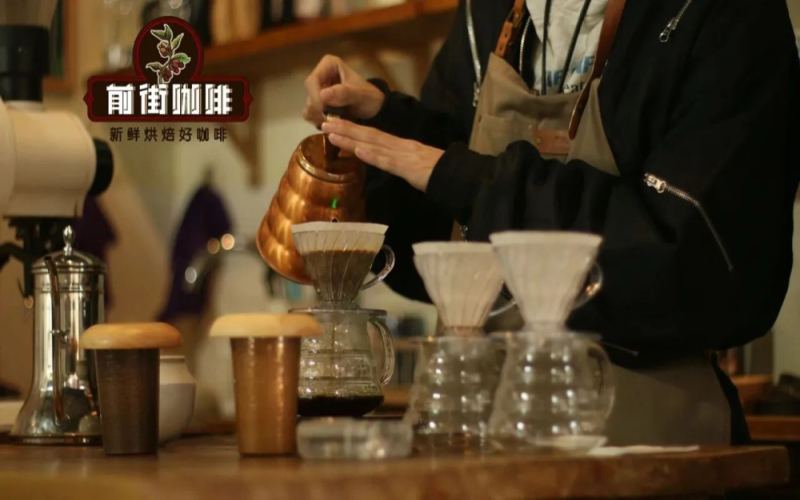
Front Street Coffee explains the brewing techniques and flavor profile of Panama Butterfly coffee beans.
Panama Butterfly is a highly representative Geisha blend coffee from the Boquete region, composed of approximately seventy percent washed Geisha mixed with Caturra and Catuai, combining the rich aromatics of high-altitude coffee with citrusy honeyed notes. Front Street Coffee is frequently asked by customers about the brewing method for this bean in daily life, so this article systematically organizes the complete parameters from dripper selection, grind size, water temperature, and coffee-to-water ratio to the segmented pouring technique, and provides explanations for phenomena such as the low bloom expansion of light-roasted beans and the sinking of the coffee bed in the final stage, helping coffee enthusiasts consistently brew out Butterfly's floral aroma and layered complexity. [more…]
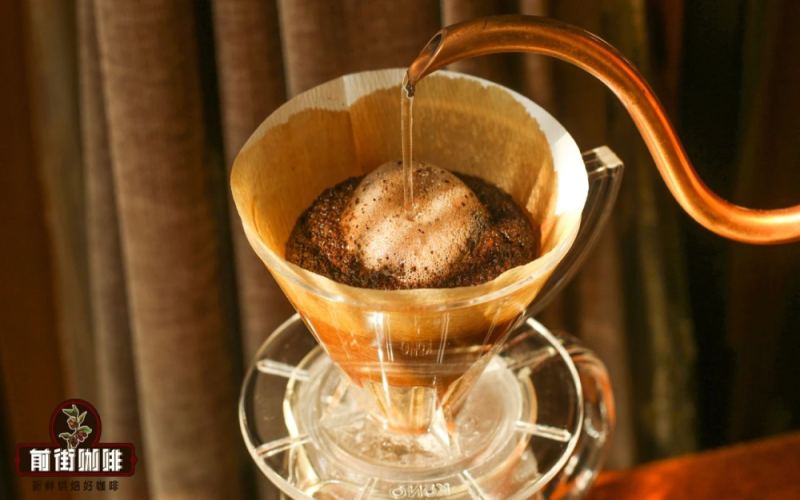
Pour-over Coffee Brewing Techniques | How Important Is Blooming to Pour-over Coffee? How Much Water and How Long for Coffee Blooming? How to Judge the Blooming Process?
Blooming is an important step in brewing coffee, and there's a popular saying that "you can tell if a coffee will taste good just by looking at its bloom." So when people learn to brew coffee, they intentionally or unintentionally "perfect" a flawless "coffee burger." But if you understand the logic behind blooming, you'll discover that blooming is actually [more…]
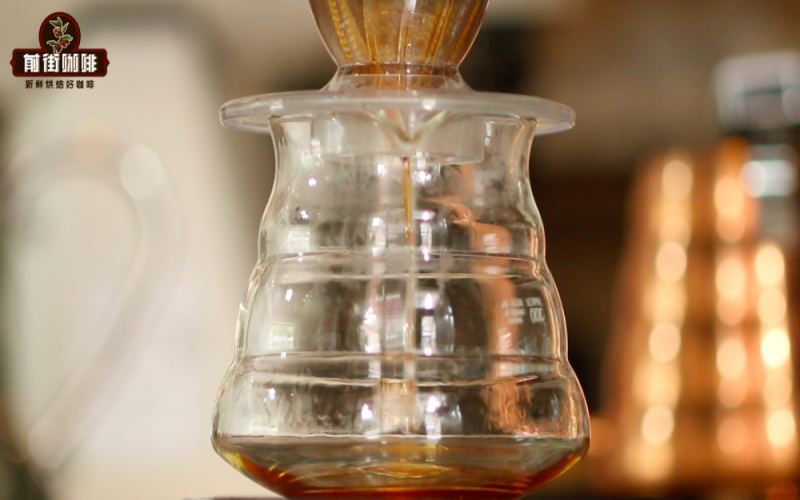
How to determine the amount of water and time for the bloom in pour-over coffee? Yirgacheffe brewing parameters and observation points under the dripper
Bloom is an essential step in pour-over coffee that you can't avoid, but most discussions focus on the expansion of the coffee bed above the dripper and overlook the fact that the coffee liquid dripping from the dripper below can also reveal problems. This article approaches the topic from the perspective of dripping below the dripper, analyzing why the recommended bloom water amount is twice the coffee dose, whether it's normal for excess coffee liquid to flow into the server, and how the three major factors of grind size, roast level, and pouring technique affect drainage during blooming. The article also provides reference drip amounts for dark-roast and light-roast beans using 15 grams of coffee and 30 milliliters of water, and draws on Front Street Coffee's brewing experience to share the actual timing of when dripping starts and stops during blooming, helping coffee enthusiasts more accurately assess the bloom state. [more…]
How long can ground coffee retain its flavor after grinding? Brewing performance and storage tips for pre-ground coffee for pour-over
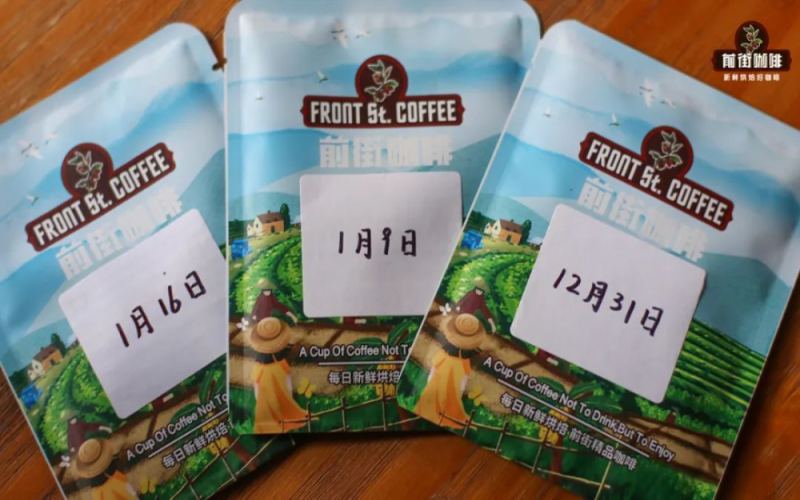
Grinding coffee beans in advance is a compromise many coffee lovers make when conditions are limited. But how long ground coffee retains its flavor is something many people don't know. Front Street conducted a controlled experiment for this: the same Panama Boquete Geisha was ground and sealed separately, then brewed at 14 days, 21 days, and 30 days to observe the bloom expansion, foam state, drawdown speed, and final flavor. The results showed that with good sealing and minimal bag opening, ground coffee can still deliver clear floral and fruity notes about three weeks after grinding; after a full month, the aroma is almost gone, leaving only the basic taste of coffee. The article also offers practical advice on portioning and sealing at the end. [more…]
A Complete Guide to Blooming and Pouring in Pour-Over Coffee: Degassing Principles, Key Variables, and a Three-Pour Practice Method
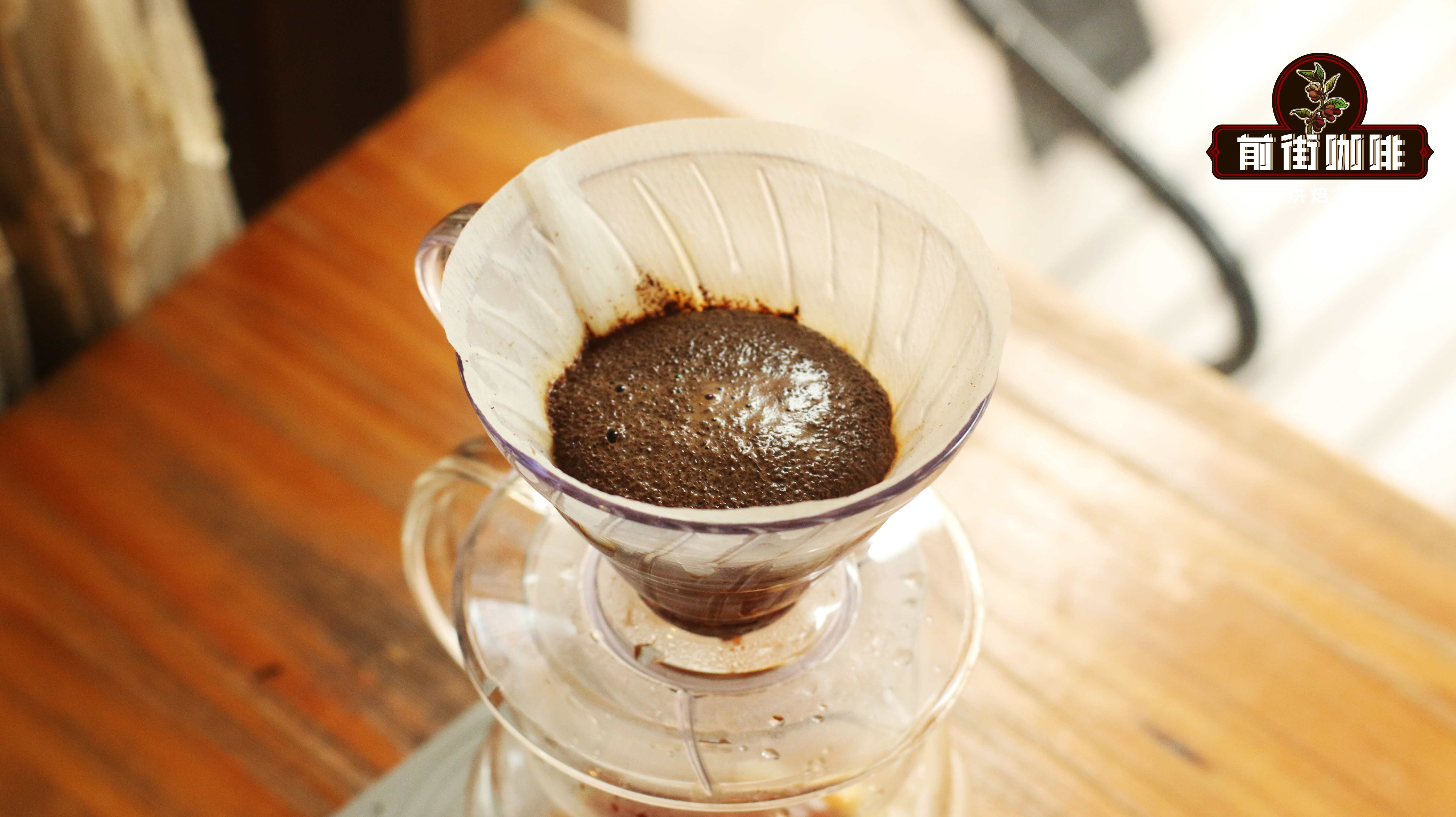
In pour-over coffee, blooming is an indispensable step, as it affects degassing, extraction evenness, and the assessment of bean freshness. Drawing on Front Street Coffee's practical experience, this article breaks down in detail the purpose of blooming and the factors that influence it, including storage time, roast level, water temperature, water volume, duration, and grind size, and explains the complete process of the "little hill" expanding and then collapsing during blooming. The article then provides the specific steps for three-pour brewing: a 30-second bloom followed by two subsequent pours, with the total extraction time controlled at 2 minutes. Finally, through comparative experiments, it analyzes the impact of the number of pours on extraction time and flavor, answering the common question of whether the three-pour method is optimal, and helping coffee enthusiasts build a clearer pour-over logic. [more…]

Does a deep crater in the coffee bed after pour-over really mean the cup tastes better?
Many friends who are just getting into pour-over coffee are always fascinated by the puffy dome during blooming and the "deep pit" that forms in the coffee bed after brewing. It seems that only when these two phenomena appear can a cup be considered a proper pour-over. However, in practice, people often find that the deep pit isn't something you can create just by wanting to. Today, Front Street Coffee is here to talk about how the deep pit actually forms, and whether it can serve as a standard for judging whether coffee is good or bad. [more…]

The Science of the Coffee Bloom in Pour-Over Brewing: How to Get a Full, Domed Coffee Bed
During the blooming phase of pour-over coffee, why do some coffee beds puff up into a plump "hamburger" while others stay flat and collapsed? Behind this lies the combined effect of three factors: carbon dioxide release, the roast level and freshness of the coffee beans, and the brewing parameters. Drawing on Front Street Coffee's brewing experience, this article first explains what causes the coffee bed to expand, then walks you through, step by step, how to use the right beans and parameters to achieve a beautiful domed bloom. It will also share how to infer information about coffee beans from the state of the coffee bed, bringing you one step closer to becoming a coffee master. [more…]
How Should the Blooming Time for Pour-Over Be Flexibly Adjusted? A Full Analysis from Bean Gas Content to Coffee Bed Condition
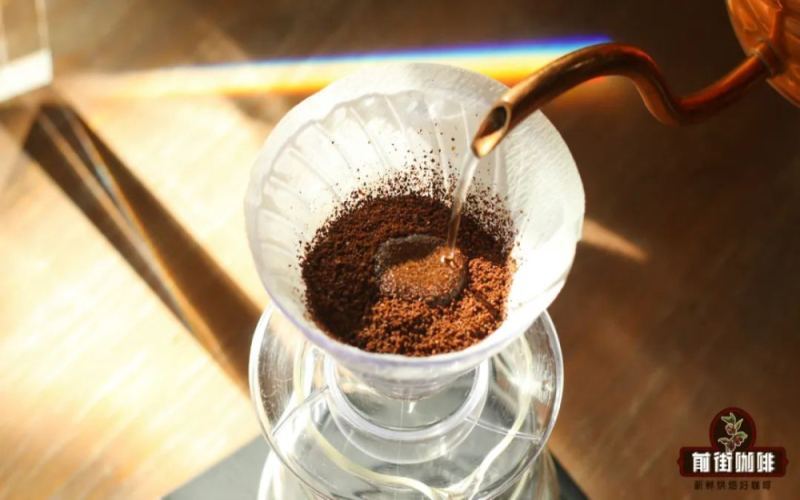
Blooming is an indispensable preparatory step in pour-over coffee. It works by wetting the coffee grounds with a small amount of hot water, releasing carbon dioxide and using capillary action to connect the particles, laying a uniform and efficient foundation for subsequent extraction. Many people are in the habit of always using a fixed 30 seconds, but coffee beans in different states actually have different requirements for bloom duration. Freshly roasted beans and light-roast, high-density beans need a suitably extended degassing time, while beans that have been sitting for too long or dark-roast beans are the opposite. This article will guide you through how to flexibly determine when to end the bloom based on the beans' gas content, roast level, and the wetness of the coffee bed and the frequency of off-gassing during blooming, as well as master pouring techniques for evenly wetting the coffee bed, bringing every cup of pour-over closer to perfection. [more…]
Hand-brew bloom not forming a dome? A full breakdown of the differences between dark and light roasts and the causes of coffee oils
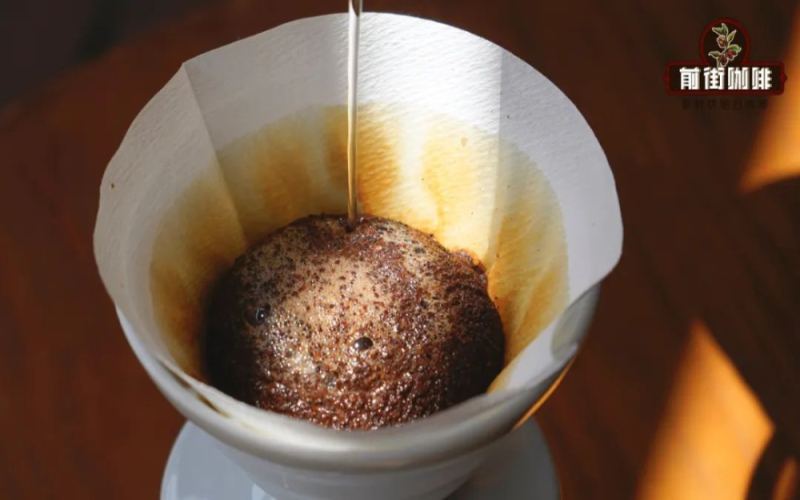
During the blooming phase of pour-over coffee, whether the coffee bed can rise into a full "hamburger" shape is a phenomenon many enthusiasts pay attention to. Some brewers get a towering burger, while others end up with a flat or even sunken "steamed bun." The key behind this lies in the amount of carbon dioxide stored in the coffee beans and how efficiently it's released. The freshness of the beans, extraction parameters, and roast level all directly affect how much the bed expands during blooming. At the same time, the amount of oil on the bean surface is closely tied to roast level. This article will start from the principles of blooming, break down the factors that influence burger formation one by one, and explain how light and dark roasts perform differently during brewing, helping readers take a more rational view of the blooming puff-up phenomenon. [more…]

Step-by-Step Guide to Pour-Over Coffee|Do pouring technique and blooming affect the flavor of pour-over coffee? Which pour-over brewing method is suitable for coffee beginners?
Front Street often encounters many pour-over beginners asking a question: Why does pour-over coffee need blooming? The most indispensable step in pour-over coffee is the blooming phase. The purpose of blooming is to allow the coffee to release gases and ensure even extraction, and it also clearly reveals whether the beans being brewed are fresh. Front Street focuses on freshness [more…]