







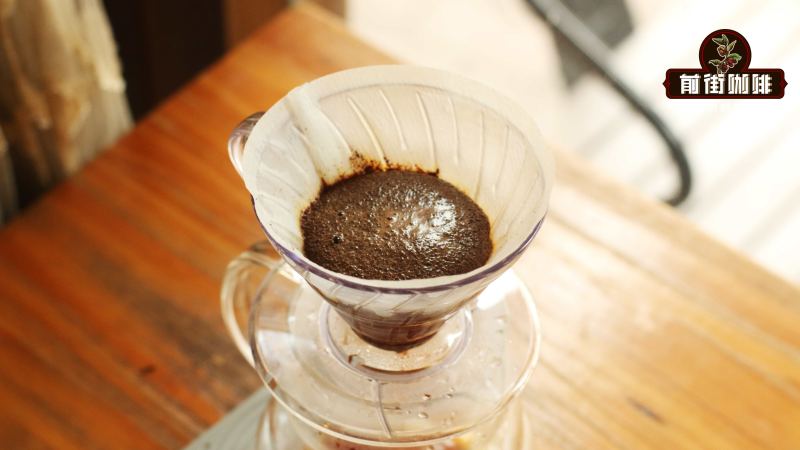
Does hand poured coffee need a bloom before pouring?
Blooming is the step where a small amount of hot water first wets the coffee grounds before the main pour. Skipping it usually causes underextraction, because fresh grounds hold a lot of gas that blocks water from reaching the particles evenly. A 30-second bloom, followed by two further pours with total extraction time near 2 minutes, is the three-pour method.
Several variables affect how the bloom behaves: storage time, roast level, water temperature, water amount, bloom duration and grind size. Freshly roasted beans are usually rested four to five days before brewing so flavor extracts fully. Comparing one, two and three pours shows how the number of stages changes extraction time and the resulting cup, which is why hand poured coffee rewards consistent technique.
In pour-over coffee, blooming is an indispensable step—it affects degassing, extraction evenness, and judging bean freshness. Drawing on Front Street's practical experience, this article breaks down in detail the purpose of blooming and the factors that influence it, including storage time, roast level, water temperature, water amount, duration, and grind size, and explains the complete process of the "little hill" expanding to collapsing during blooming. It then gives the specific operation of three-stage pouring: a 30-second bloom followed by two subsequent pours, with total extraction time controlled at 2 minutes. Finally, through comparative experiments, it analyzes the effect of the number of pouring stages on extraction time and flavor, answering the common question of "is three-stage optimal?" to help coffee enthusiasts build clearer pour-over logic.
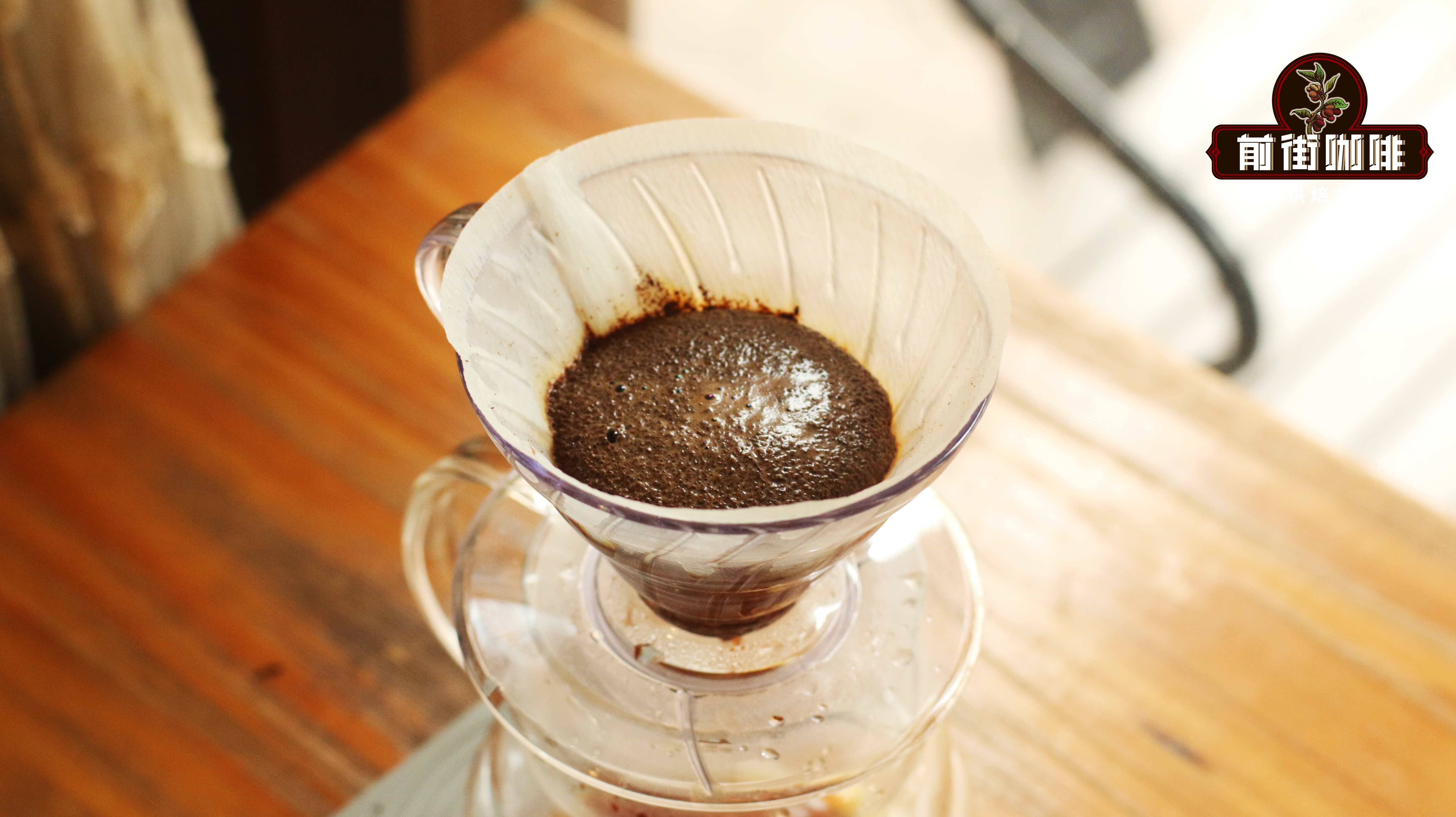
Front Street is often asked the same question by friends just getting into pour-over: why exactly can't the blooming step be skipped?
In the pour-over process, blooming is one of the most core steps. It carries the tasks of helping coffee release gas and making extraction more even, while also allowing one to intuitively judge whether the beans in hand are still fresh. Front Street has always focused on fresh roasting, but some people directly equate "fresh coffee beans" with "freshly ground coffee," which is actually skewed by some merchants' marketing rhetoric. Coffee beans are not better the fresher they are either; freshly roasted beans are best rested for four to five days before brewing, so the flavor can be fully extracted. The beans Front Street usually sends out have roast dates of about two to three days, and only when customers specifically request same-day roasting will extra arrangements be made.
The purpose of blooming
Blooming is often written as Bloom in English, referring to the preparatory action of first using a small amount of hot water to evenly wet the surface of the coffee grounds before the formal pour.
Front Street has verified through experiments that if blooming is skipped, the brewed coffee is very easily underextracted. The reason is that during extraction—especially with beans that are still relatively fresh—there is quite a lot of gas inside the coffee grounds, and blooming mainly lets this gas escape first. If there is no bloom, the gas inside the grounds will be released in large amounts as soon as it meets water. If brewed directly, the gas wraps around the coffee grounds, making it hard for water to contact the interior of the coffee bed, and it can only wash over the extractable substances on the surface, so the problem of uneven extraction appears.
Factors affecting blooming
The storage time of the coffee beans, roast level, water temperature, water amount, blooming duration, and grind size.
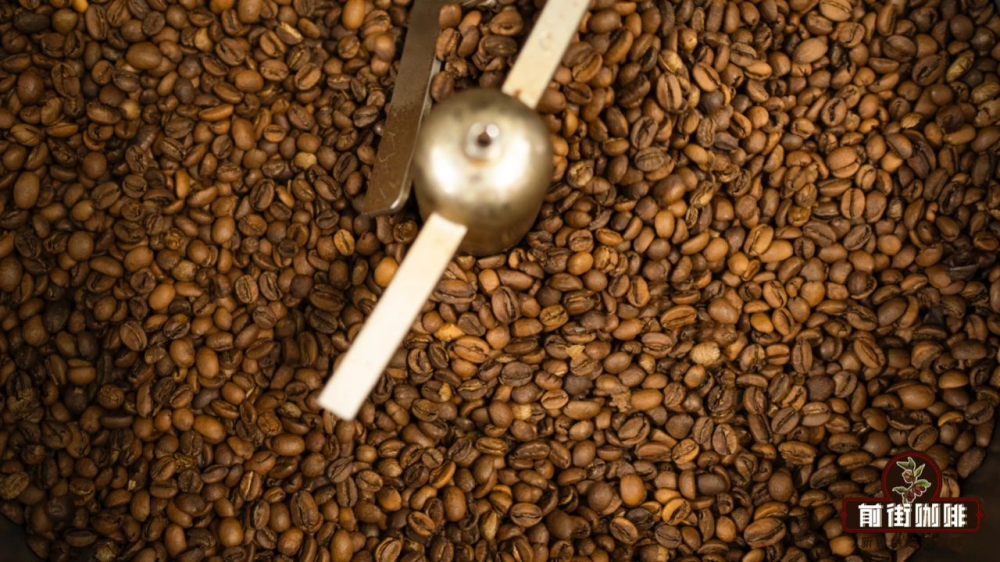
[Storage time and roast level of the coffee beans]
There are two situations that make the expansion during blooming become unnoticeable, or even show no reaction at all: freshness and roast level.
First, freshness. Fresh coffee grounds contain a certain amount of gas. As time passes, this gas slowly escapes, and the coffee grounds also absorb moisture from the air, reducing the original gas. Therefore, stale roasted beans often do not expand, or show almost no reaction.
Next, roast level. Light-roasted beans also do not tend to show dramatic expansion, because light-roasted beans have a denser texture, with fewer overall gaps than medium or dark roasts, and naturally less gas stored inside.
[The level of blooming water temperature]
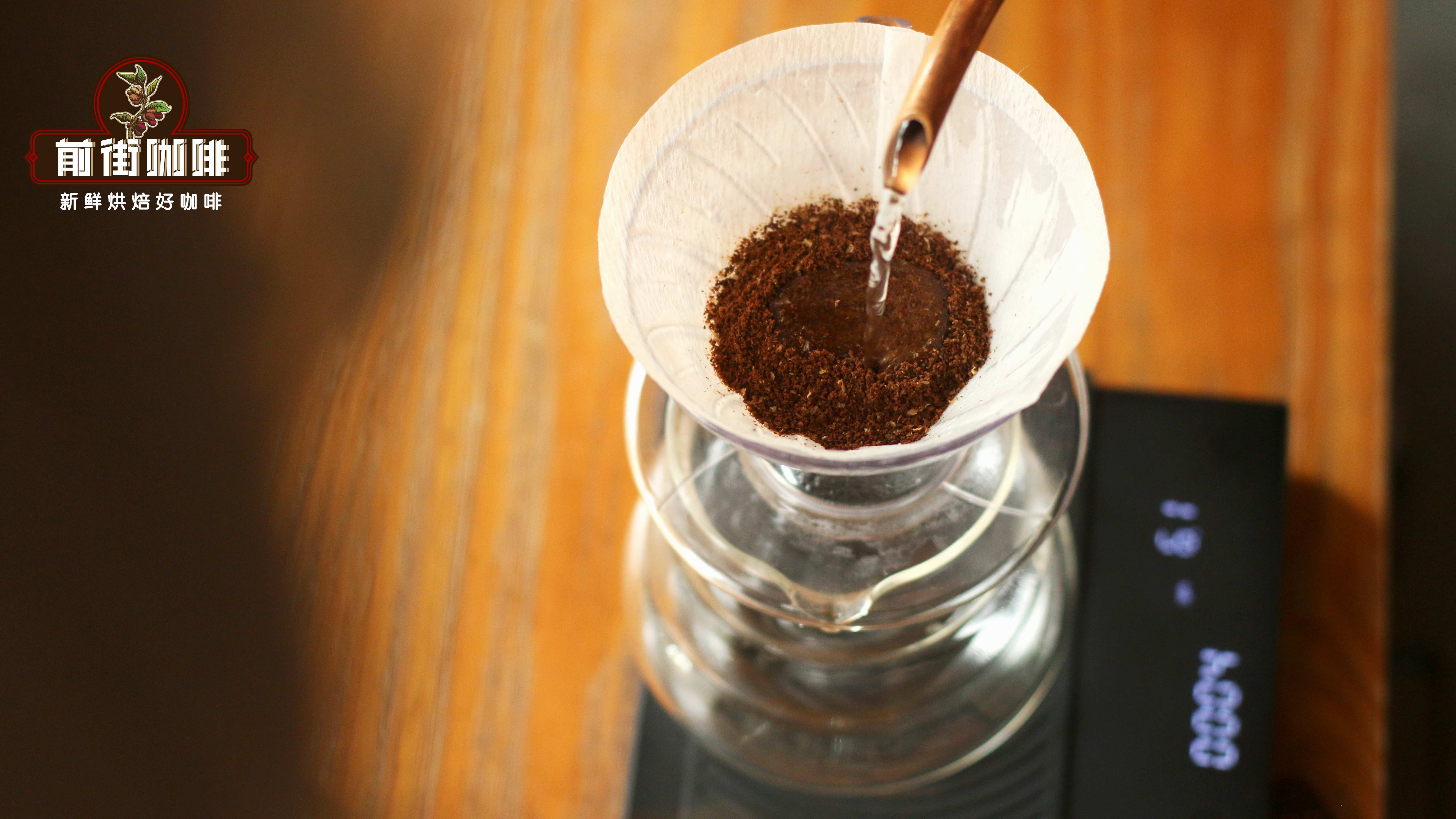
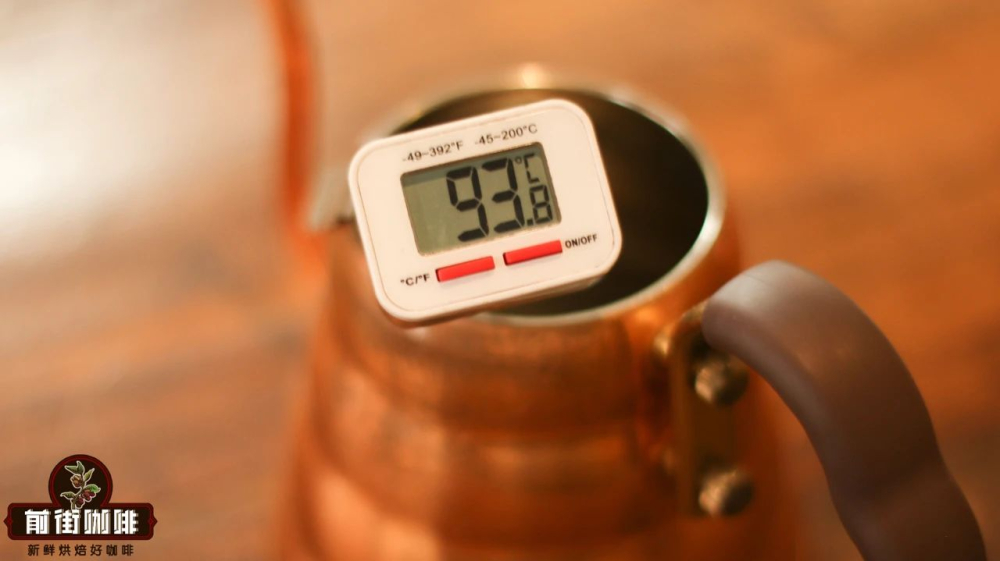
Water temperature influences the dissolution efficiency of the entire cup of coffee. The higher the temperature, the faster the dissolution speed, and within the same extraction time more soluble substances also dissolve. So generally speaking, when the water temperature exceeds 95°C, burnt bitterness and miscellaneous astringency easily emerge quickly; the lower the temperature, the slower the dissolution speed, and within the same time less soluble substances dissolve, making the coffee prone to being thin, with good flavors hard to extract, and blooming also hard to complete.
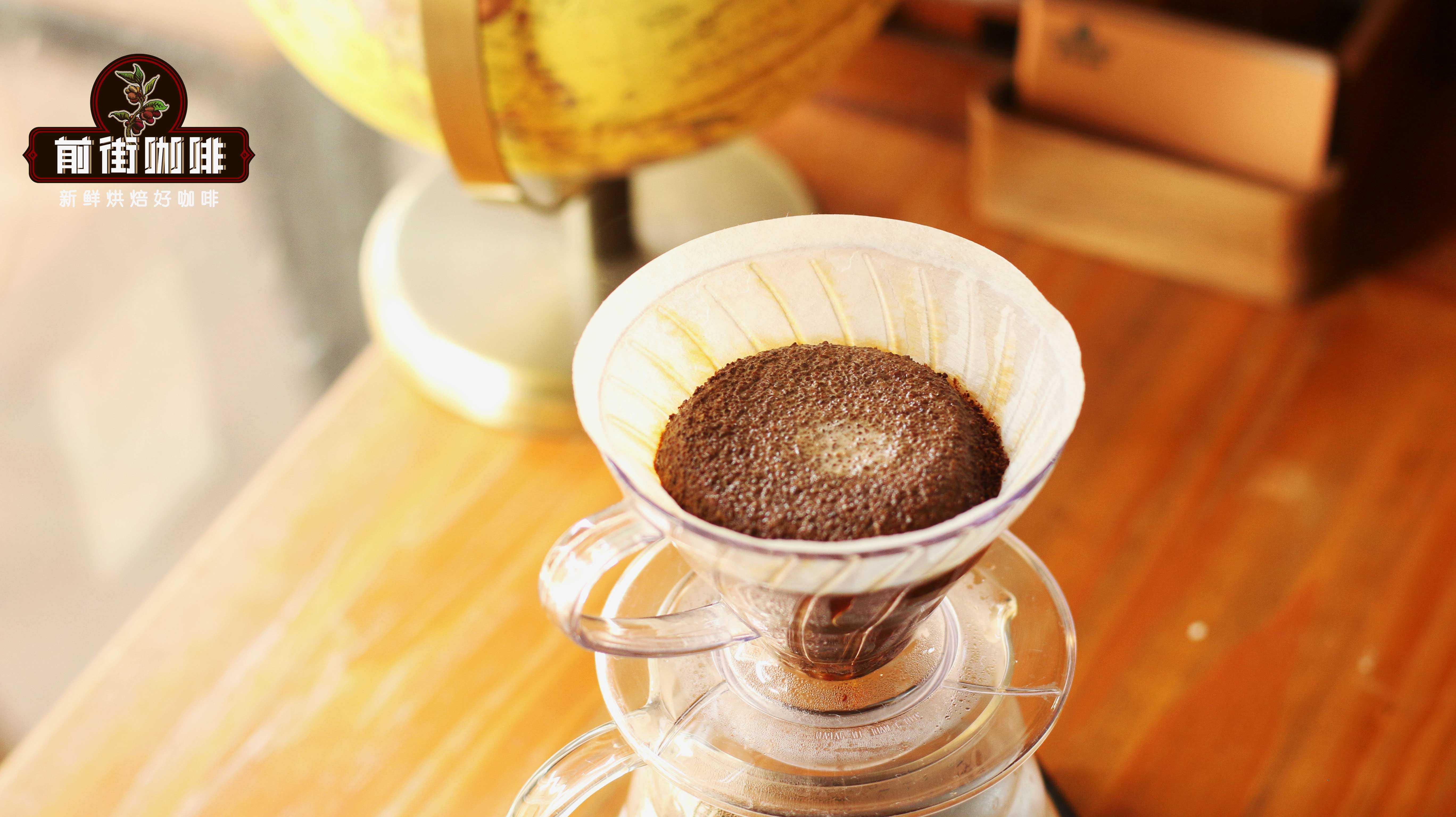
[The amount of water poured in pour-over]
If too little water is poured for blooming, the coffee grounds cannot be fully soaked, and the cup tastes noticeably rough and astringent on entry, with a short aftertaste in the finish; if too much water is poured, the hot water in the early blooming portion has not extracted enough coffee components, making the coffee flavor rather one-dimensional, with the early acidity too prominent and overwhelming other flavors.
[The length of blooming time]
The blooming duration depends on the freshness and roast level of the beans. Generally speaking, the blooming time is between 30 seconds and 60 seconds. When the expansion on the surface of the coffee grounds returns to calm and the surface is about to shrink, it means blooming is complete and the first pour can begin.
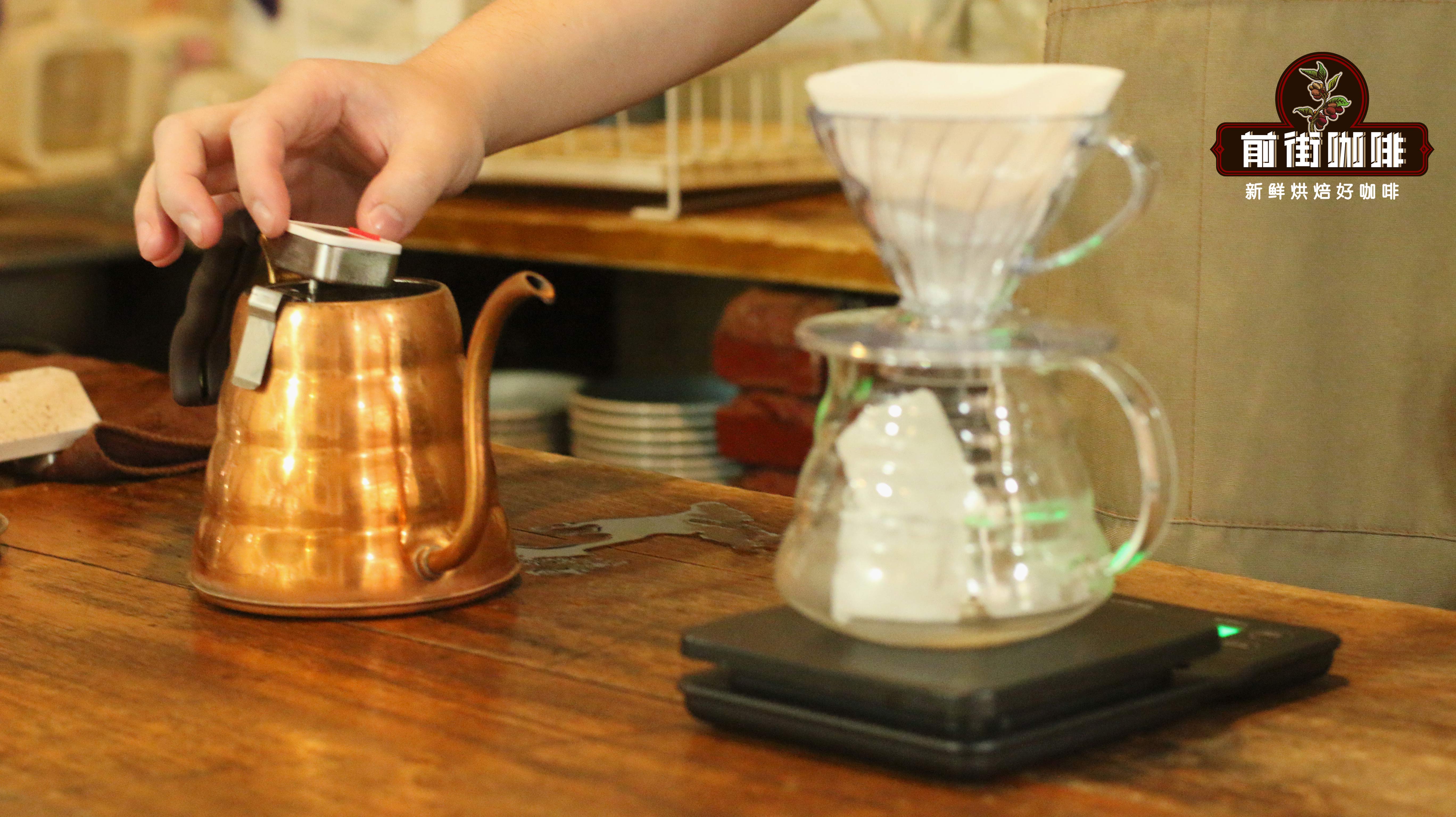
When FrontStreet Coffee brews beans that have been rested for four or five days, the blooming time is generally controlled at around 30 seconds.
[Pour-over coffee grind size]
Grind coarseness also affects the size of the "burger" shape formed during blooming. The coarser the grind particles, the smaller the contact surface between grounds and water, and the less carbon dioxide the coffee releases. If the grind particles are too fine, although the contact surface is larger, the grounds are so fine that water stays on the surface and cannot get down, and the blooming effect is likewise poor.
So pour-over needs a suitable matching grind size for the "burger" shape during blooming to be relatively obvious. FrontStreet Coffee uses a standard No. 20 sieve, determining each bean's grind size by a sieving pass rate of 80% (light-roasted beans) and 70-75% (medium-dark roasted beans).
The phenomenon of pour-over coffee blooming: expanding into a little hill
When pouring water for pour-over, the gas inside the coffee grounds expands with heat (if you magnify the coffee grounds, they appear honeycomb-like, with many gaps), and after the gas expands it begins to expel excess gas. Because the gas keeps escaping, the coffee grounds and hot water form a continuously expanding little hill in appearance. At the same time, in addition to gas escaping from inside the coffee grounds, hot water is also slowly penetrating into the interior of the coffee grounds, causing soluble substances to begin dissolving and forming a high-concentration coffee liquid.
At the final stage of blooming, the gas has mostly escaped and the overall temperature has come down, and some air that has not escaped begins to shrink back. Visually, the little hill gradually goes from wet to dry, or shows slight cracking and collapse, which also indicates that blooming is complete and the second pour can begin.
Pour-over coffee steps
Having discussed blooming, let's move on to the pour-over steps after blooming. Front Street uses three-stage pouring, controlling the total extraction time at about 2 minutes, divided into blooming, the second pour, and the third pour. The staged extraction method of three-stage pouring can clearly define the front, middle, and back flavors of the coffee, ensuring the presentation of flavors.
[First pour: bloom (help degassing)]
Front Street focuses on fresh roasting. Freshly roasted coffee beans accumulate a large amount of gas inside (most of it carbon dioxide), and need to be rested for four or five days before brewing.
For the blooming time, FrontStreet Coffee sets it at 30 seconds. When the expansion on the surface of the coffee grounds ends and shrinkage can be seen on the coffee surface, it means blooming is complete and pouring can begin. Basically, for rested beans with a shelf life within 1 month, FrontStreet Coffee's 30-second bloom is just enough to finish degassing.
[Second pour]
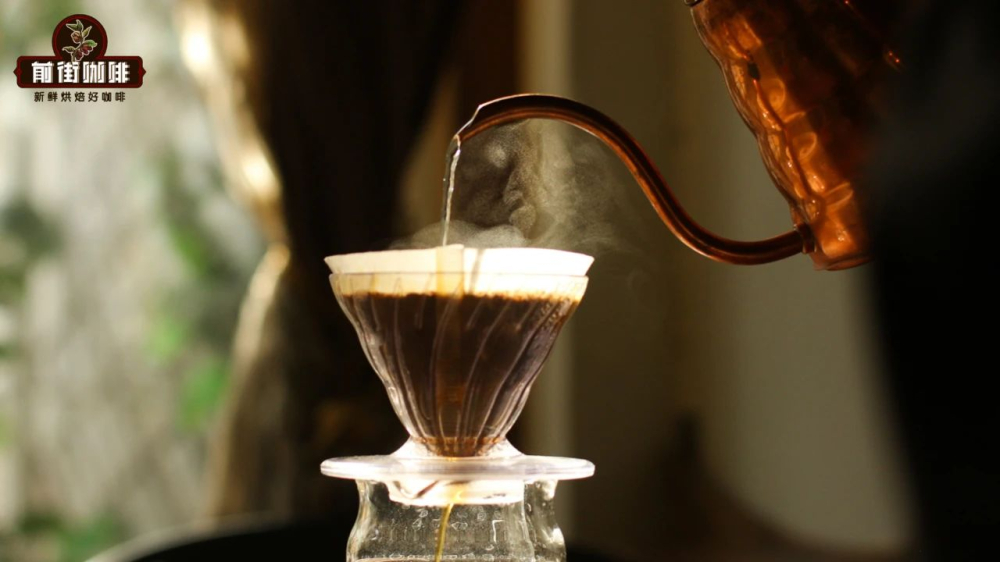
For the second pour, FrontStreet Coffee also pours for 30 seconds, at which point the timer shows 1 minute (including the 30-second bloom). Starting from the center, pour a small stream into the bottom of the coffee bed. To keep the stream's penetrating force concentrated, the circling range should be small, then circle outward.
[Third pour]
Starting from the third pour, FrontStreet Coffee suggests observing the drop in water level and beginning the third pour just before the coffee bed is about to be exposed. Likewise, start pouring from the center and circle around, and the water amount should not exceed the height of the coffee bed. Stop pouring at 1 minute 50 seconds, and finish draining at 2 minutes.
Pour-over coffee steps
The effect of the number of pouring stages
Front Street has also encountered friends asking why three-stage pouring is necessary, and whether one more or one fewer stage makes a difference in the coffee. So Front Street did an experiment to see the results.
First, Front Street set the number of pouring stages as the variable and carried out three brewing groups respectively. Among them, the control group was the two-stage pour extraction mode after blooming that Front Street usually uses, Group A had only one pour after blooming, and Group B had three pours after blooming. After brewing, evaluation was carried out by slurping with a cupping spoon.
The variable parameters are as follows:
This experiment uses Front Street Ethiopia Yirgacheffe Konga Cooperative. The coffee bean information is as follows:
[Extraction parameters]
[Experimental results]
[Analysis of results]
Looking at the table, the most intuitive result is that extending extraction time extracts more substances. Increasing the number of pouring stages is equivalent to additionally increasing the interval time between stages, and during these intervals the coffee is still extracting. So after increasing the number of stages, the total extraction time also extends, thereby extracting more substances.
We know that time is an important factor affecting coffee extraction and taste. Too long an extraction time easily leads to overextraction, making the coffee bitter and unpleasant; too short an extraction time extracts insufficient flavor substances, making the coffee prone to being bland and tasteless, unable to express its proper flavor.
From the results of this experiment, many friends will surely ask: "Is three-stage really the best pouring mode?" The answer is not necessarily. This experiment only produced the result that the number of stages affects extraction time; it does not prove that three-stage extraction is the best pouring mode. One-stage pouring or multi-stage pouring can also adjust extraction by adjusting other factors such as grind size or coffee-to-water ratio. For example, Mr. Tetsu Kasuya's earlier 46 brewing method used coarsely ground coffee for five-stage pouring; later he also introduced a finely ground, no-bloom one-stage pour extraction method.
The above content is compiled by CoffeeHunters, a coffee news website.


