







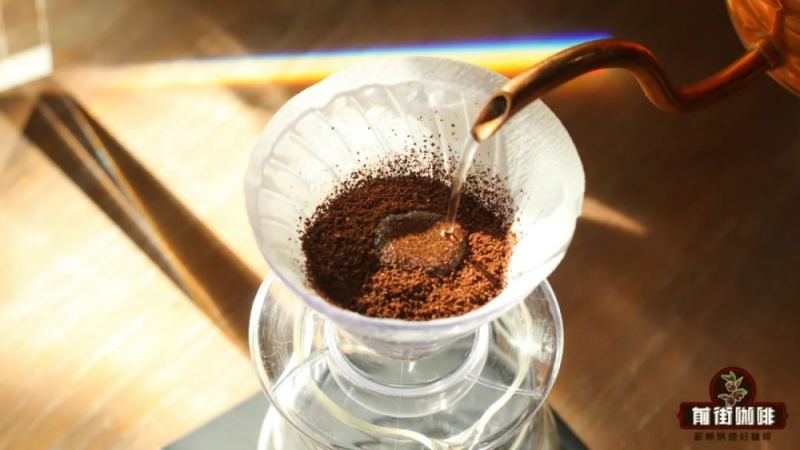
Why does blooming time change in pour-over coffee brewing?
Blooming duration in pour-over coffee should follow the beans, not a fixed 30 seconds. Freshly roasted beans and light-roast, high-density beans hold more carbon dioxide and need a longer degassing period. Beans stored a long time and dark-roast beans need less. Judge the end point by watching the coffee bed: when bubbling slows and the surface stops expanding, the bloom is done.
Blooming wets the grounds with a small amount of hot water, releasing carbon dioxide and letting capillary action link the particles, which supports a more even extraction afterward. The roasting process shapes how much gas remains in the bean, so roast level is a useful reference. Pour evenly to wet the whole bed rather than a single spot, and adjust the next pour to the condition you observe.
Blooming is an indispensable preparatory step in pour-over coffee. It wets the coffee grounds with a small amount of hot water, releases carbon dioxide, and uses capillary action to connect the particles, laying a uniform and efficient foundation for subsequent extraction. Many people are used to a fixed 30 seconds, but coffee beans in different states actually have different requirements for bloom duration. Freshly roasted beans and light-roast, high-density beans need appropriately longer degassing time, while beans that have been stored too long or dark-roast beans are the opposite. This article will guide you through how to flexibly determine the end point based on the bean's gas content, roast level, and the moisture of the coffee bed and the frequency of bubbling during blooming, and master the pouring technique for evenly wetting the coffee bed, so that every cup of pour-over comes closer to perfection.
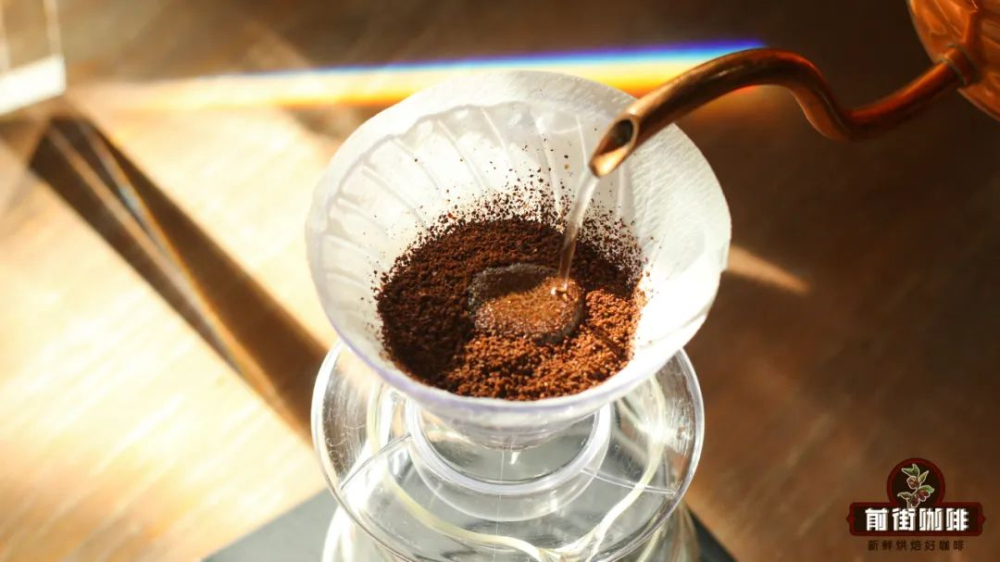
Also using hot water to extract flavor from coffee grounds, blooming in pour-over is more like a preheating preparation stage. Wetting the coffee grounds with a small amount of hot water prompts the carbon dioxide inside the particles to release outward, while capillary action allows adjacent particles to "bridge" with each other. In this way, subsequent pouring not only achieves higher extraction efficiency but also yields a more uniform distribution.
It can thus be seen that blooming plays a pivotal role in pour-over coffee brewing. However, for a long time, the vast majority of coffee professionals have been accustomed to applying a fixed duration—30 seconds. But in reality, not every coffee bean suits this number.
Of course, Front Street Coffee is not denying that there is anything wrong with 30 seconds; rather, it wants to say that if you want to brew a more satisfying cup of coffee, you should not box yourself into a fixed formula. Coffee beans, as their own state changes, place different demands on bloom duration, and only by choosing the right time can the final cup taste better. So to make a more delicious pour-over, we first need to achieve a "perfect bloom." And the first step toward a perfect bloom is to figure out when the bloom should end.
How do you judge when the bloom should end?
The core task of blooming is nothing more than helping the coffee beans release the carbon dioxide inside them and reducing the interference it causes to subsequent hot water extraction. Therefore, bloom duration must be determined by the coffee bean's own "gas content."
When the carbon dioxide content of coffee beans is on the high side, the bloom should be appropriately extended to let the beans release more gas. The usual approach is to add 5 to 10 seconds on top of the 30-second baseline. There are mainly two types of beans that need a longer bloom time:
One type is freshly roasted beans still in the resting period. Because they are too fresh and have not yet fully expelled the carbon dioxide "infused" during roasting, they need a little more blooming time during brewing.
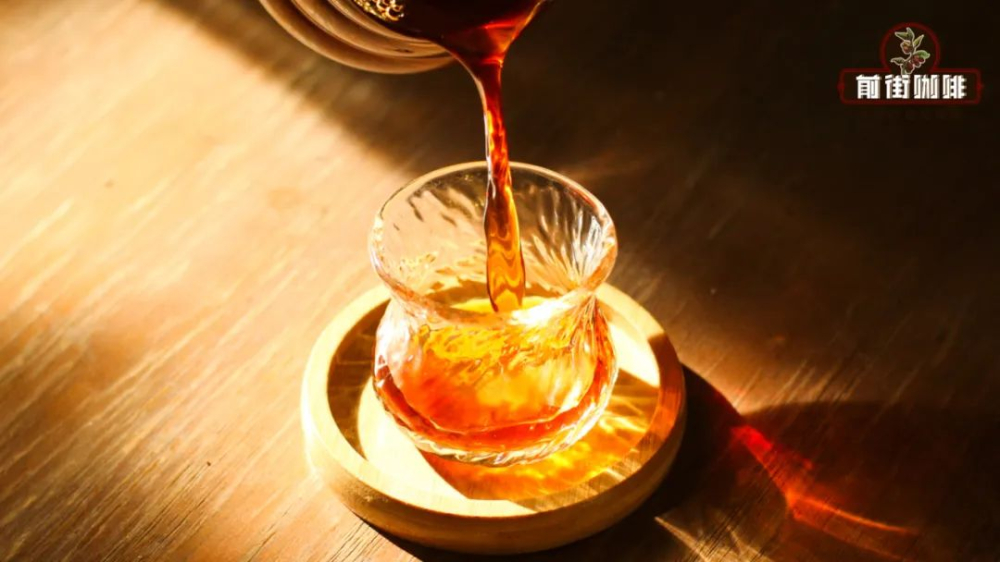
The other type is high-density light-roast beans. These beans have a low expansion rate, and there are not many gaps inside for carbon dioxide to pass through. Fewer gaps mean the degassing speed is slowed down. Therefore, although their carbon dioxide content is not particularly high, they need more time to expel the gas that hinders extraction. Whether during resting or blooming, the time must be extended accordingly.
Conversely, when there is already little carbon dioxide left in the coffee beans, there is no need to spend too much time on blooming. At this point, the bloom can be appropriately shortened (by 5 to 10 seconds), making the entire extraction process more compact. Such beans include:
First are beans that are already a long time past their roast date. They have had ample time to degas during storage, and very little carbon dioxide remains inside them during brewing, so they naturally do not need a long bloom to degas.
Second are dark-roast coffee beans. Although they go through a longer roasting process and carry more carbon dioxide themselves, because of their higher expansion rate, the beans become especially "sensitive"—as soon as they contact hot water, the gas rushes out all at once. After the resting period has passed, they likewise do not need a very long bloom to degas.
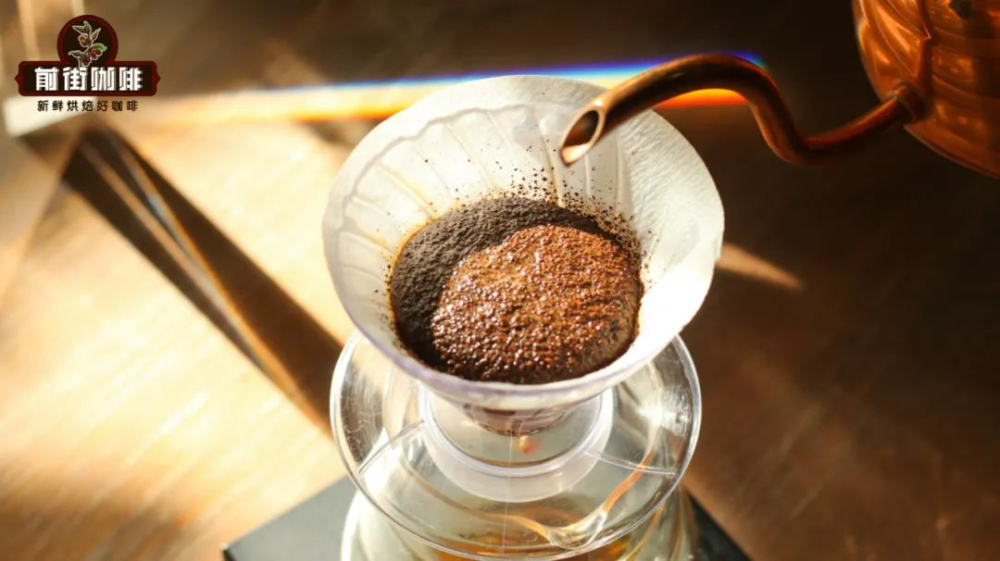
However, sometimes we cannot grasp all the information before brewing. So we still have to judge the time based on how the coffee bed performs during blooming. First, the coffee bed must be evenly wetted—this is also the second key point of a perfect bloom. If the coffee bed is not evenly wetted, blooming loses its most important meaning. So how do you evenly wet all the coffee grounds with a small amount of hot water?
The method is actually very simple: distribute the hot water according to the distribution of the coffee grounds. If you are using a conical dripper, you can concentrate the small amount of hot water for blooming into the central area. For example, use a very thin stream to spiral from the center outward, but stay longer in the center or pour more water there.
You can also pour in circles from the outside inward; in any case, the center of gravity of the pouring is best placed at the center where the coffee grounds pile up thickest. The same principle applies to trapezoidal drippers. If you are using a cake dripper or a flat-bottom dripper, simply keep the coffee bed level and pour evenly in circles.
After the water has evenly wetted the coffee bed, observe the degassing condition of the bed. There are two things to pay attention to: first, the moisture level of the coffee bed; second, the frequency of bubbles on the coffee bed. If before the bloom reaches 30 seconds the coffee bed has already dried and no new bubbles are emerging, that means this bean has almost no carbon dioxide left, so there is no need to continue blooming and you can proceed directly to the next pour.
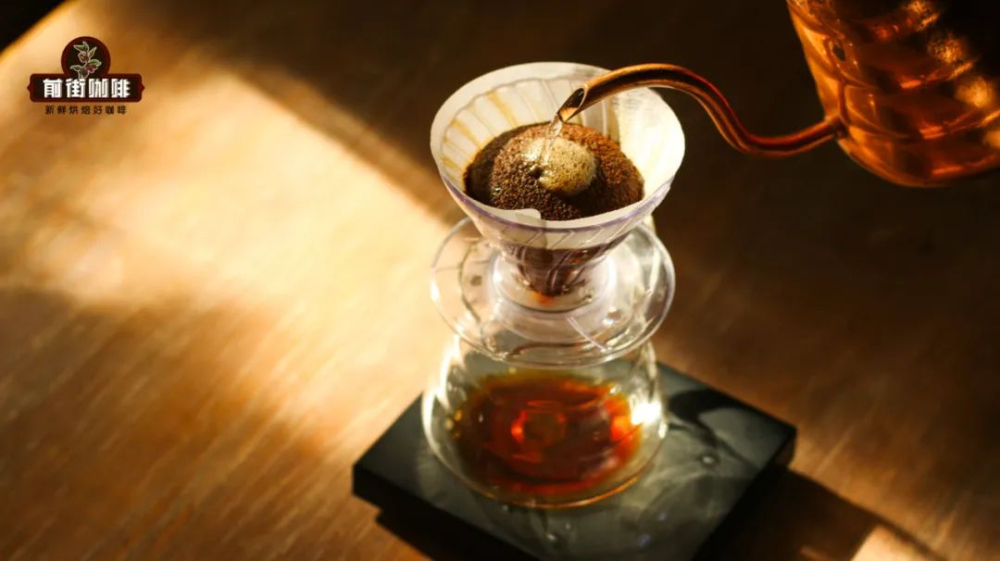
Conversely, if after 30 seconds the coffee bed is still moist and bubbles continue to emerge, that indicates there is still a large amount of carbon dioxide inside the coffee grounds, so the bloom can be appropriately extended to let the coffee bed expel more "obstacles."
From this we can conclude: as long as the bloom duration matches the bean's current state, subsequent extraction can perform to the fullest, and it is no exaggeration to call it a perfect bloom.
The above content is compiled by CoffeeHunters, a coffee news website.


