








Why Your Pour-Over Coffee Bed Rises and How to Get a Full Dome
During the bloom phase of pour-over brewing, some coffee beds puff into a full dome while others stay flat. This difference comes down to three factors: carbon dioxide release, the roast level and freshness of the beans, and your brewing parameters. Drawing on Front Street Coffee's brewing experience, this guide explains what causes the coffee bed to expand and then shows you how to use the right beans and settings to bloom a beautiful dome.
The moment hot water hits the grounds, carbon dioxide inside the beans rushes out. Bubbles form and surge upward, but surface tension and capillary forces between coffee particles trap them inside the coffee layer. Since carbon dioxide releases gradually, the dome fills over time. Once you understand why the bed rises, you can adjust freshness, roast, and pouring to get that full expansion consistently.
During the bloom phase of pour-over coffee, why do some coffee beds puff up into a full "hamburger" while others collapse? Behind this lies the combined effect of three factors: carbon dioxide release, the roast level and freshness of the coffee beans, and the brewing parameters. Drawing on Front Street Coffee's brewing experience, this article first explains what causes the coffee bed to expand, then walks you through, step by step, how to use the right beans and parameters to bloom a beautiful dome. It will also share how to infer information about coffee beans from the state of the coffee bed, bringing you one step closer to becoming a coffee master.

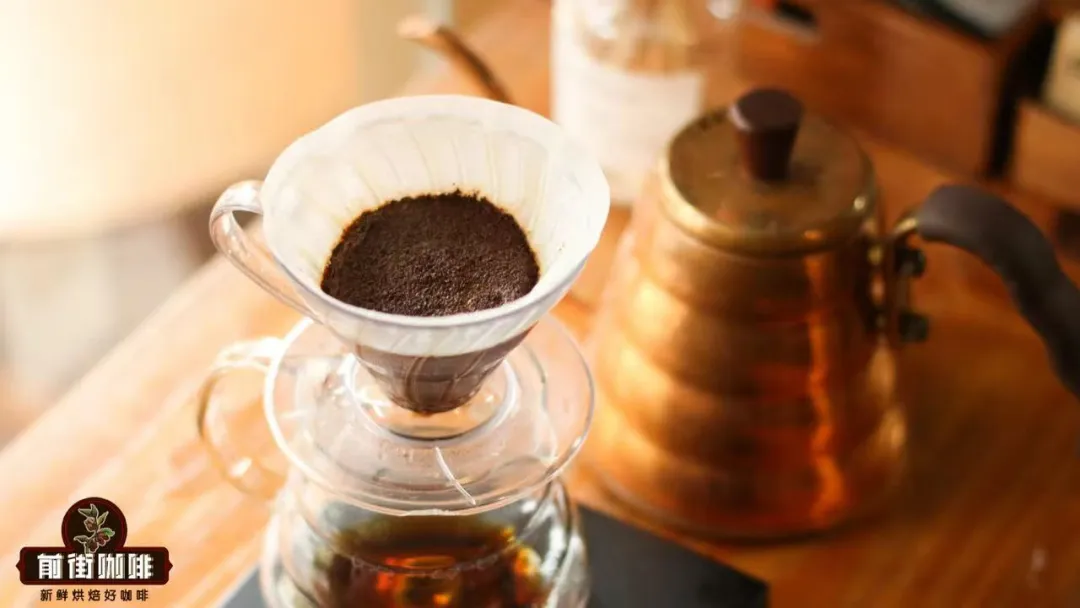
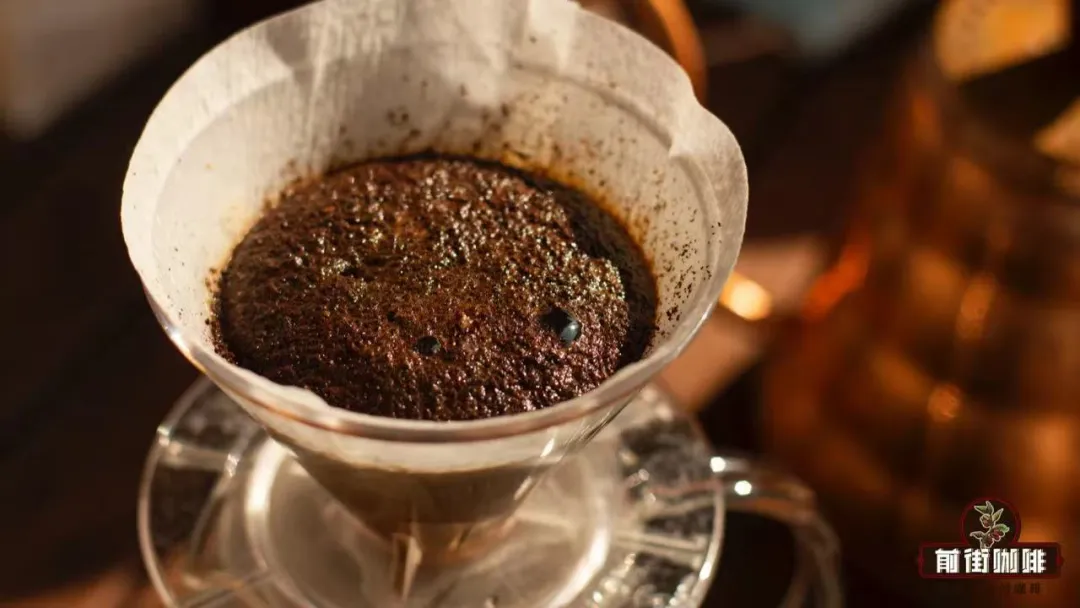
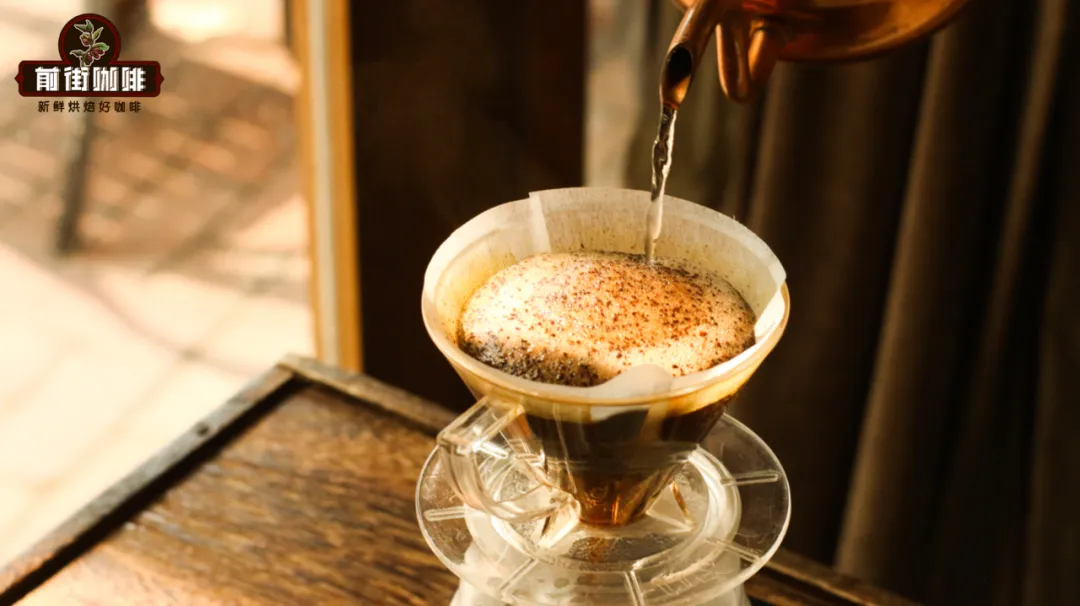
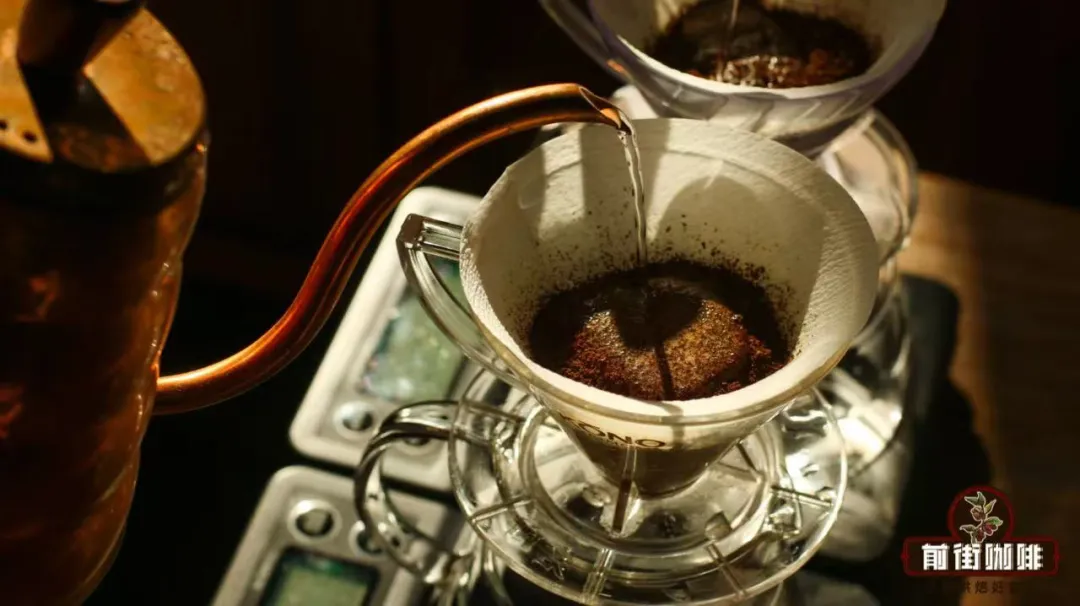
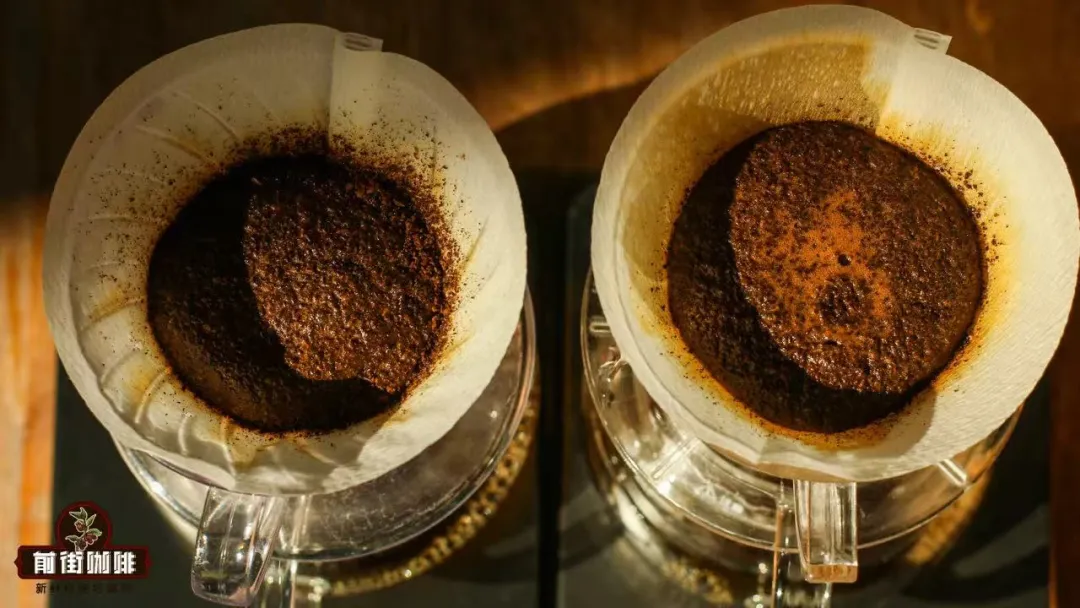
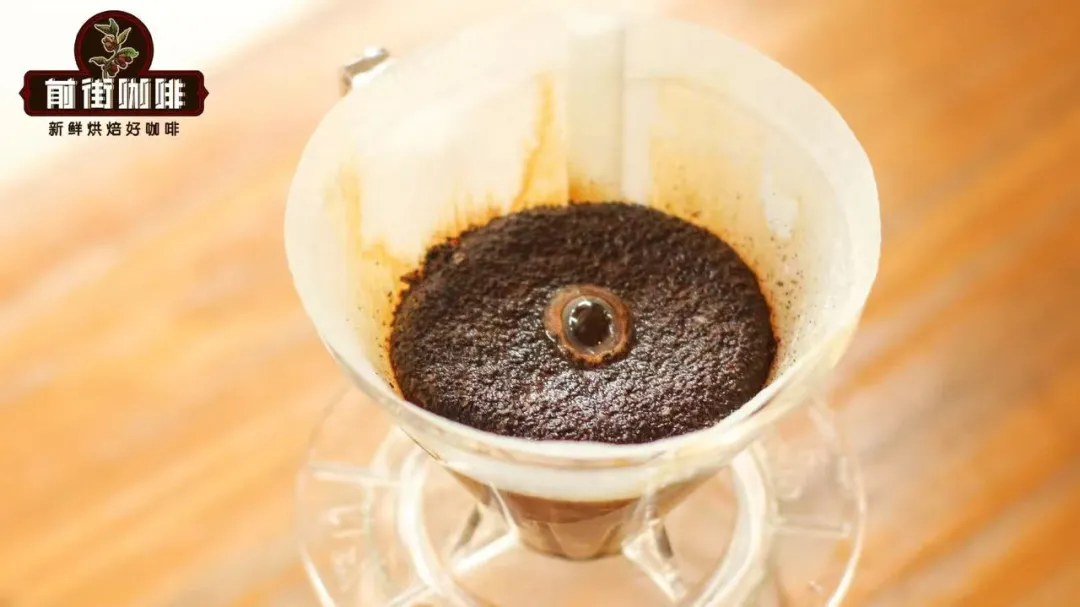
"Boss, how come your coffee bed puffs up so big during the bloom? How on earth do you do it?"
Every time people watch Front Street Coffee brew, the coffee layer in the dripper rises high during the bloom, and plenty of customers can't help but ask this question. The implication is clear: when they brew at home, the coffee layer expands nowhere near as dramatically.
(As shown in the image below)
For those just getting into pour-over, this is indeed a topic worth discussing. Even if you copy the parameters exactly, the coffee bed you brew still comes out flat, as if it's lacking a bit of "vitality."
Actually, getting the coffee bed to puff up into a big "hamburger" isn't difficult at all — you could even say it's quite simple. Once you understand why the coffee bed rises, you'll naturally know how to make it rise enough.
Why does the coffee bed expand?
The doming of the coffee bed happens during the bloom phase, and everyone surely knows the purpose of blooming: to release the carbon dioxide inside the coffee beans and create better conditions for the subsequent pour and extraction. The carbon dioxide released at this moment is precisely the key factor that makes the coffee bed dome up.
The moment coffee grounds touch hot water, the carbon dioxide inside the bean rushes out first. And since a large amount of hot water soaking the grounds doesn't immediately seep downward, the carbon dioxide being released combines with the water to form bubbles that surge upward.
However, the surface tension between water molecules and the capillary forces between coffee particles together form a sturdy "wall," leaving the bubbles nowhere to go but to keep accumulating inside the coffee layer. And because carbon dioxide isn't released all at once but keeps bubbling out continuously, the full dome we see is actually being filled up gradually.
Putting it all together, it's clear that the main reason the coffee layer puffs up during the bloom is the buildup and pushing of bubbles formed by carbon dioxide
(But this isn't the only reason — the coffee grounds' own absorption and expansion also plays a role, though it's a secondary factor)
! Therefore, if you want to bloom a huge "hamburger," you need the coffee grounds to contain enough carbon dioxide, while also ensuring your extraction parameters can "trigger" the release of that carbon dioxide.
How do you bloom a huge "hamburger"?
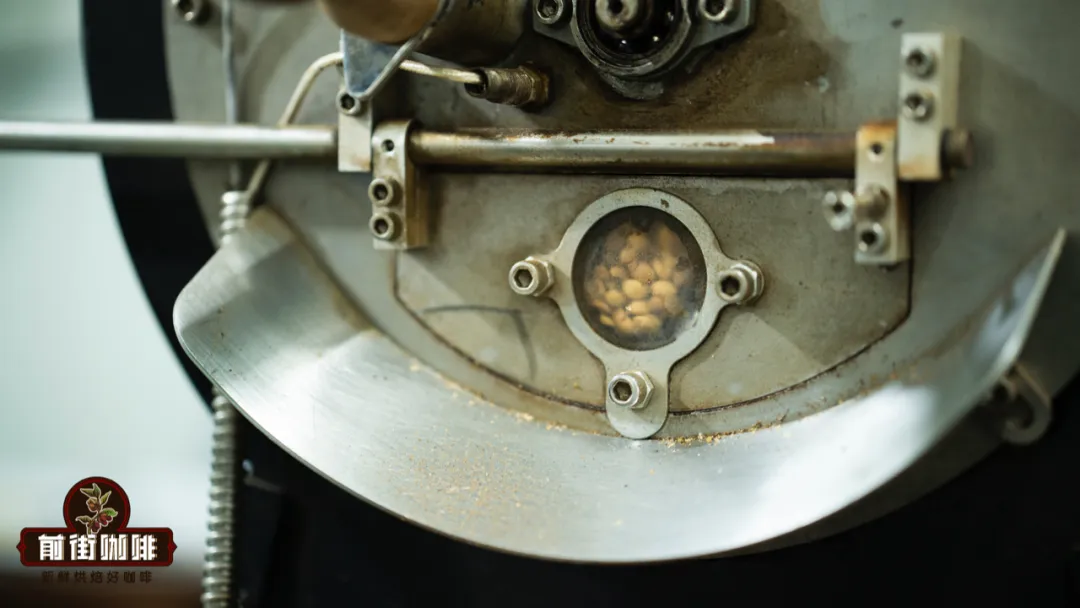
There are two main factors affecting the carbon dioxide content of coffee beans: roast level and freshness. Coffee beans produce carbon dioxide during roasting due to high temperatures, and the darker the roast, the more carbon dioxide is generated. So if you want to bloom a big dome, dark-roasted beans are absolutely the first choice. This also explains why coffee beans of different roast levels differ so much in how much they dome up during the bloom
(This also includes the beans' own expansion)
.
But often, even with dark-roasted beans, you won't necessarily bloom a huge "hamburger." That's because carbon dioxide only remains inside the bean for a limited time — that is, the second factor mentioned earlier: the freshness of the coffee beans.
After coffee beans finish roasting, the gases inside escape outward continuously due to pressure changes, so the carbon dioxide content gradually decreases over time.
In other words, the fresher the coffee beans, the higher the carbon dioxide content and the bigger the dome; the opposite is also true. If you want to bloom a big dome, freshly roasted coffee beans are undoubtedly the best choice.
However, freshly roasted coffee carries a certain dryness, and too much carbon dioxide severely hinders extraction, easily producing a cup with heavy off-flavors and under-extraction. So Front Street Coffee doesn't recommend choosing overly fresh beans just to chase a big dome — there's really no need.
Interestingly, when the beans you're using aren't so fresh, the coffee bed will still expand at the start of the bloom, but it quickly collapses due to an insufficient "supply" of carbon dioxide.
Besides bean selection, Front Street Coffee has also noticed that many people fail to bloom a "hamburger" because their parameters are off. Factors like too coarse a grind or too low a water temperature make it impossible to bloom a big enough "hamburger." That's because the coffee grounds aren't "stimulated" enough to release a large amount of carbon dioxide in a short time. No matter how fresh the beans or how dark the roast, if the carbon dioxide isn't released promptly, the coffee bed won't dome up big enough during the bloom.
That's about it! Pretty simple, right? As long as you use the right coffee beans and parameters, you can get a big enough "hamburger" during the bloom phase. Conversely, this is also a way to read information about coffee beans from the state of the domed coffee bed. The freshness and roast level of coffee beans can both be judged from the state of the coffee bed during the bloom, as described above by Front Street Coffee. Congratulations! You're one step closer to becoming a coffee master.
- END -
The above content is compiled by CoffeeHunters, a coffee news website.


