







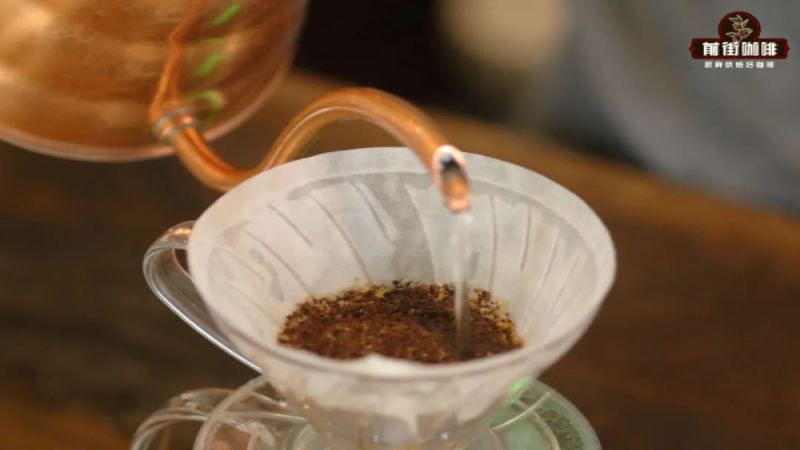
Does a Flat Coffee Bloom Mean Stale Beans?
A pour-over bloom should swell into a domed, hamburger-like bed once hot water hits the grounds. When the bed stays flat, the usual cause is that the roasted beans have already released most of their carbon dioxide, so there is little gas left to lift the coffee bed during the pour.
Roasted beans hold carbon dioxide that escapes on contact with hot water, and that gas inflates the bed. Grind size and roast level also shape the result, and coffee beans roaster guidance ties grind to bean density. Storing beans in the original bag with its one-way valve keeps quality for about 30 days, and a coarse setting of 80% passing a 0.85mm sieve suits pour-over.
During the blooming phase of pour-over coffee, after water is poured, the coffee bed should absorb water and expand, forming a full "hamburger"-like dome. But sometimes we notice the coffee bed doesn't move at all, with no sign of expansion—what exactly lies behind this? This article will systematically sort out the various factors that cause a flat bloom, analyzing everything from the freshness of the coffee beans and storage methods to grind size and roast level. It will also explain the possible effects of an overly long bloom time, and offer Front Street Coffee's practical grind calibration recommendations to help you accurately identify the root of the problem and improve the consistency and flavor performance of every pour-over.
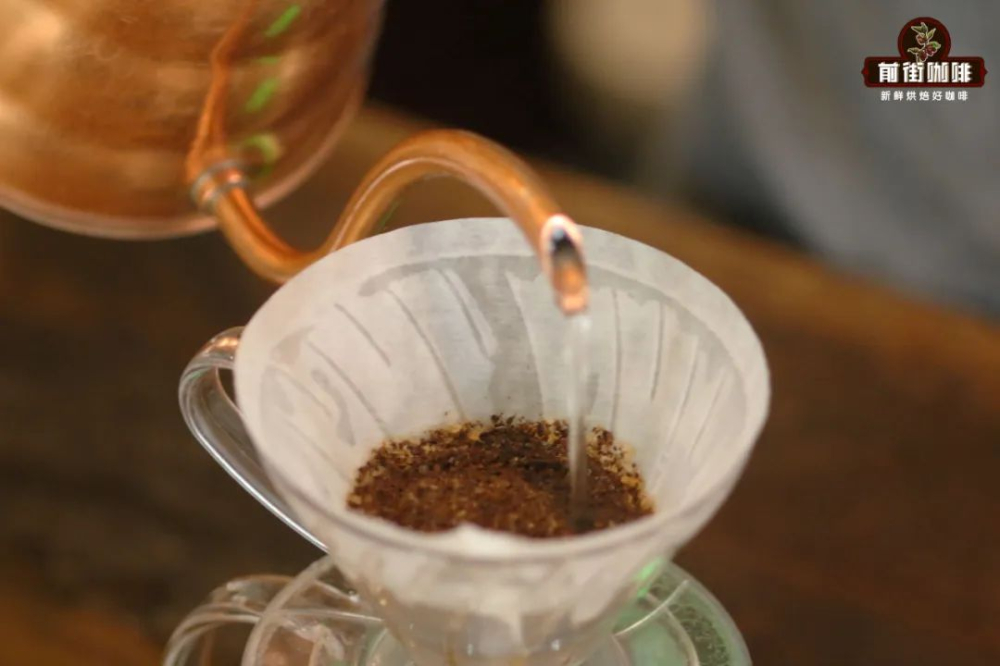
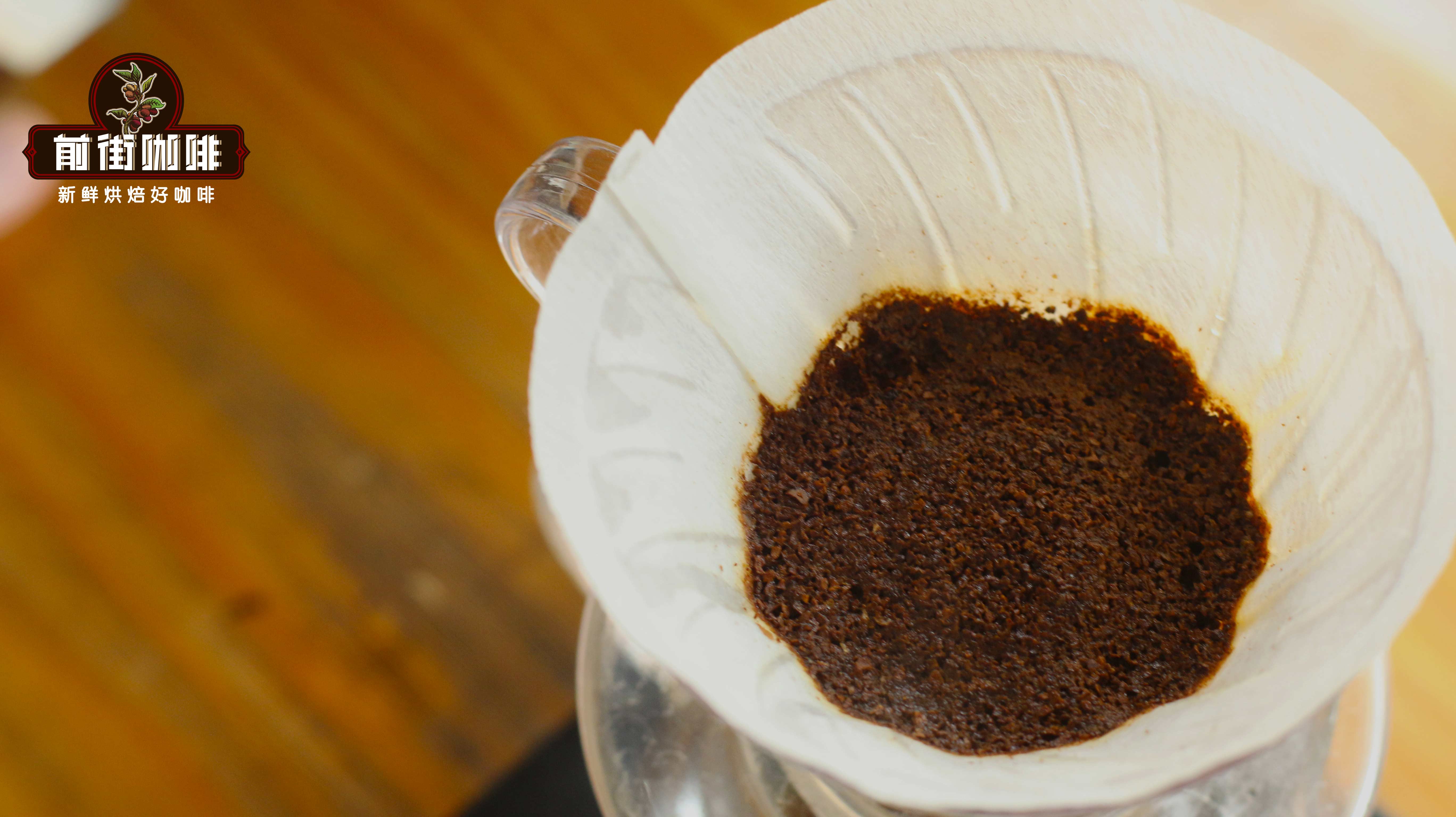
In a standard pour-over coffee routine, during the blooming phase, after hot water is poured onto the dry coffee bed, the particles absorb water and expand outward, forming a dome shape resembling a "hamburger." If the coffee bed shows no expansion at all when water is poured, it means something has gone wrong somewhere, and we need to troubleshoot and correct it promptly.
The most easily assumed cause is that the coffee beans have finished degassing and are no longer as fresh as they once were. The key to coffee grounds expanding into a "hamburger" shape is that the roasted beans have accumulated a large amount of carbon dioxide inside. When the coffee bed contacts hot water, the gas is released, and this gas simultaneously "lifts" the entire coffee bed, forming the dome.
Therefore, properly storing coffee beans is an important means of extending their window of peak flavor. Front Street recommends simply using the original coffee packaging bag for storage; this type of bag is equipped with a one-way degassing valve that can balance the air pressure inside and outside the bag, and also has a sealing strip to ensure the storage environment stays sealed. If you open the bag to take out beans and immediately reseal the strip each time, you can maintain quality for about 30 days. Based on average daily usage, you can fully consume the beans before the gas is depleted.
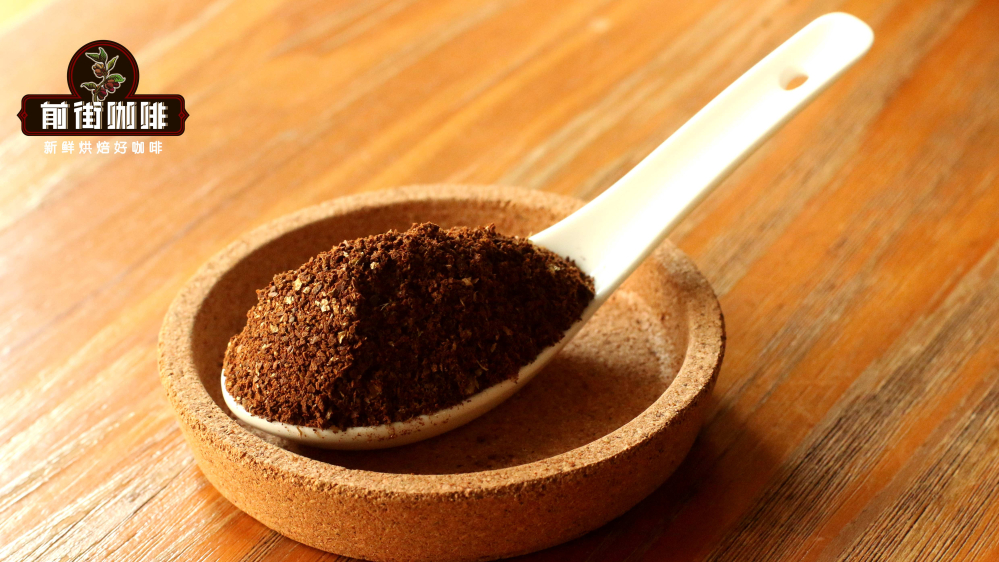
For this reason, choosing the right grind size is especially critical. In terms of grind calibration, Front Street Coffee uses a 0.85mm aperture sieve for testing, and the standard coarseness for pour-over coffee is set at a grind size with an 80% pass-through rate.
Very light roast beans, because they have been out of the roaster for a relatively short time, have harder bean density and lower internal gas content, so they won't show obvious expansion during blooming, performing quite similarly to stale coffee beans, and the golden foam produced during subsequent pouring is also relatively thin. However, this doesn't mean their flavor is compromised.
Some light roast coffee beans also show similar behavior, with the dome during blooming not being very prominent, only rising slightly, which is likewise within the normal range.
The above content is compiled by CoffeeHunters, a coffee news website.


