







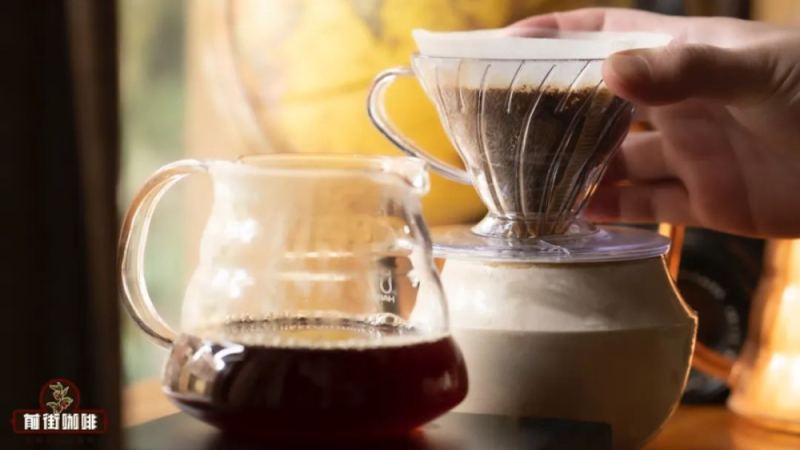
How Do Coffee Particles Cause Water Pooling in Pour-Over?
Fine coffee particles are the main cause of clogging and water pooling when brewing light roast beans in a pour-over. Because light roasts expand less during blooming, their denser fiber structure often requires a finer grind, which produces more of these tiny particles that block the filter and slow drainage.
Three signals warn of a clog before it happens: a weak blooming dome, poor foam performance, and a slow drop in the water level. Watching these lets a brewer adjust the pour in advance. Cutting the flow is only a last resort, since mistimed cuts push the cup toward a bitter, over-extracted taste.
During pour-over brewing, when fine particles clog the filter and the water drains slowly, you often have no choice but to cut the flow as an emergency measure. But if you don't cut it in time, a bitter, over-extracted taste will ruin the entire cup of coffee. Rather than reacting passively, it's better to predict the clog before it happens. Drawing on the characteristics of light-roast beans, Front Street Coffee shares how to judge whether water will pool during brewing from three aspects—the degree of expansion during blooming, the foam performance, and the rate at which the water level drops—and offers corresponding adjustment techniques to help you reduce the negative impact when a clog occurs, while also finding the true root cause of the problem.
"Cutting the flow" is a last-resort operation after a pour-over encounters fine-particle clogging. If the timing of the cut isn't well controlled, a bitter, over-extracted cup of coffee will immediately assault your taste buds.
However, if we could determine before the clog actually appears that this brew is very likely to clog, could we adjust our technique in advance to reduce the negative impact of the clog and thus no longer have to rely on this helpless practice of cutting the flow? Today Front Street will explain from which aspects we can predict whether water will pool during brewing.
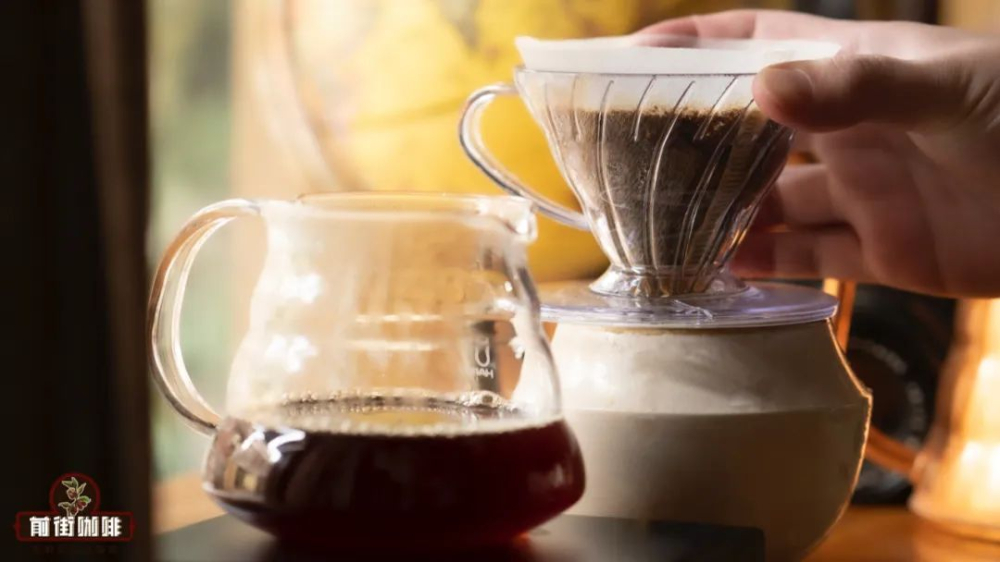
Key focus: light-roast coffee beans
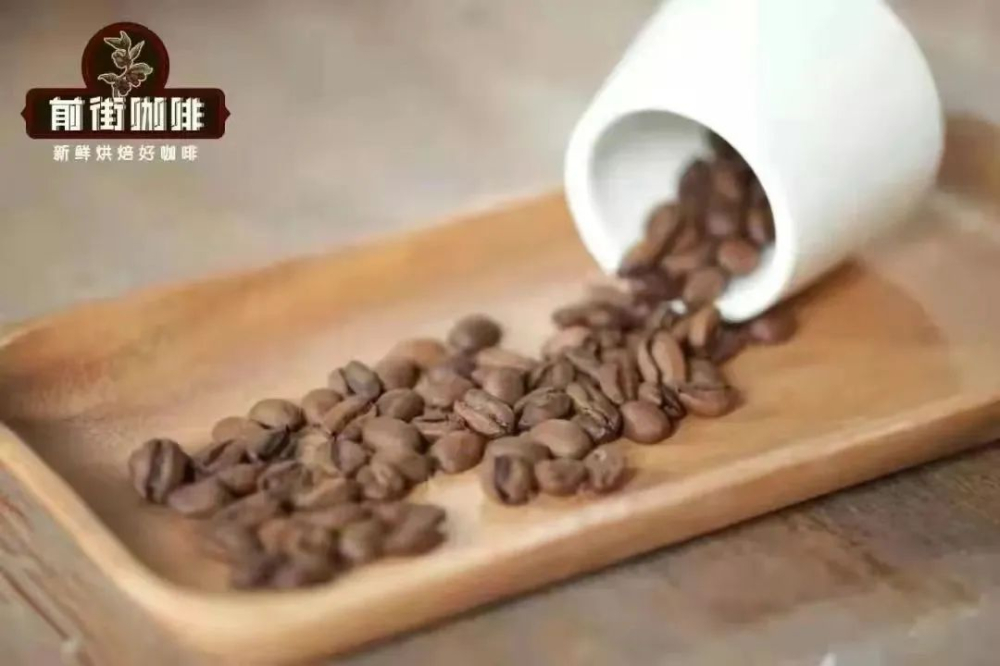
Light-roast beans can be called a "high-incidence area" for clogging. The lighter the roast, the smaller the expansion, so the fiber structure is preserved more completely, and the density is noticeably higher than that of dark-roast beans. To weaken this disadvantage in mass and achieve a sufficient extraction yield, you usually have to grind finer.
The finer the grind, the more easily it produces extremely fine particles. Add to that the fact that light-roast beans themselves are heavier, and when these two factors combine, clogging is almost inevitable. So when brewing, light-roast beans are something to pay extra attention to.
1. The degree of expansion during blooming
Whether dark-roast or light-roast, as long as the beans are still fresh, they will generally puff up into a big dome during blooming (light-roast beans are relatively less obvious), which is a sign that carbon dioxide is being released. After the fresh period has passed, the blooming dome will noticeably shrink because the gas has mostly dissipated and naturally can't puff up anymore. This can serve as a basis for judging whether clogging will occur.

Obvious expansion during blooming indicates that there is still a lot of gas inside the beans, so the probability of clogging is not high; conversely, beans with little expansion that aren't fresh enough require more caution. Too little expansion means there isn't much gas left inside the beans. Without the obstruction of gas, hot water can easily fill the internal spaces of the coffee particles, and the heavier particles are more likely to sink to the bottom of the dripper, ultimately causing clogging.
Therefore, it's best to reduce the radius of your circular pouring after blooming ends, so as not to wash the coffee grounds on the dripper wall down, which could pile up and cause clogging. When pouring subsequently, appropriately raising the water level is also a good way to respond.
2. Foam performance after blooming
Normally, pouring water after blooming produces more foam. But if the amount of foam is thin, or even hollow areas appear (areas not covered by foam), that most likely indicates: the pouring force is too weak, and the coffee grounds have already sunk to the bottom.
So when the next pour begins, please increase the water flow to agitate the coffee bed and break up the coffee grounds piled at the bottom. It's best to focus on small circles around the center, as the agitation effect will be better (it will still clog, but not as badly).
3. Observe the rate at which the water level drops
Front Street prefers the three-pour method because it can both extract a full-bodied flavor and handle sudden situations like clogging. When you find, after the second pour of the three-pour method, that the drainage speed is somewhat slow, that indicates clogging has already begun.
Front Street's suggestion is to wait until the water level is nearly gone before proceeding with the third pour. This can more directly impact the coffee grounds piled at the bottom and slightly speed up drainage.
It should be noted that the above methods only reduce the impact of this clogging episode. If it's going to clog, it will still clog, but they can help you avoid an operation as helpless as "cutting the flow." So after dealing with this clog, you should still find and correct the root cause of the clogging as soon as possible, to ensure that the next brew doesn't require such remedial measures.
- END - Front Street Coffee
No. 10, Baoqian Street, Yandun Road, Dongshankou, Yuexiu District, Guangzhou City, Guangdong Province
The above content is compiled by CoffeeHunters, a coffee news website.


