







Search Results for: gas
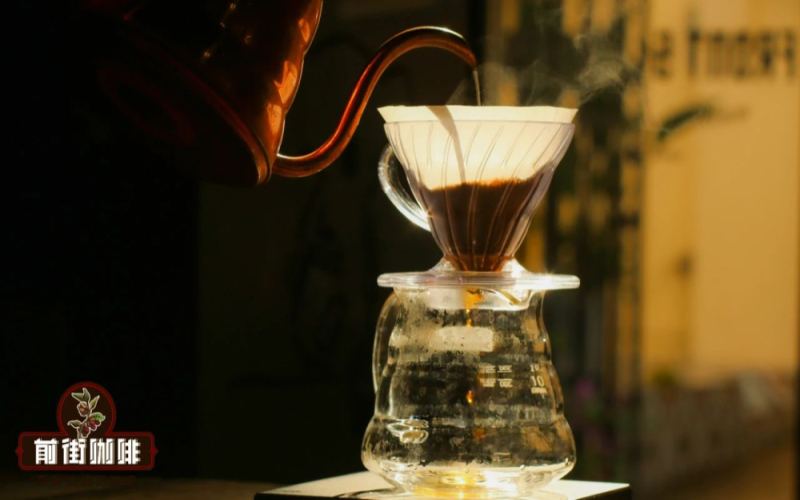
Recommended Varieties of Specialty Coffee Beans for Pour-Over | How Should Coffee Beginners Choose Single-Origin Beans for Pour-Over? What Are the Flavor Characteristics of Washed Gedeb, Golden Mandheling, and Panama Geisha When Made as Pour-Over Coffee?
More and more friends are now joining the ranks of pour-over coffee enthusiasts, and with so many coffee beans to choose from, many are once again struggling with choice paralysis. Generally speaking, the coffee beans used for pour-over coffee are single-origin beans. Single-origin beans refer to beans from a single region (from one estate/cooperative, or from multiple estates/cooperatives within a single origin). [more…]

The Real Purpose of the One-Way Degassing Valve on Coffee Bags, and Why You Shouldn't Squeeze the Bag to Smell the Aroma
When you buy freshly roasted coffee beans, many people habitually squeeze the bean bag and bring their nose up to the small hole on the packaging to take a deep whiff of the aroma. This hole is actually a "one-way degassing valve," and its existence serves a clear engineering purpose—it only allows gas to escape and does not let outside air in. This article will explain in detail how the degassing valve works, why it is not meant for squeezing to smell the aroma, and how to use the characteristics of the degassing valve to extend the coffee beans' peak flavor period. [more…]

Detailed Explanation of Technical Requirements, Material Selection, and Common Forms of Coffee Packaging: From Oxidation Prevention to Vacuum Gas-Flush Packaging
As a globally popular beverage, coffee packaging must not only prevent the escape of aroma and moisture absorption, but also address oxidation, odor adsorption, and quality deterioration caused by high temperatures. This article focuses on the packaging needs of regular coffee and instant coffee, systematically outlining key technical requirements such as oxidation prevention, moisture resistance, gas barrier properties, and high-temperature protection, and introduces current mainstream vacuum packaging and gas-flushing packaging processes. In terms of material selection, bags, bag-in-box, metal cans, and glass jars each have corresponding composite structure solutions, while instant coffee mostly uses paper/aluminum foil/polyethylene flexible packaging. The article concludes with a summary of common packaging forms such as bags, cans, and boxes, suitable for reference by coffee enthusiasts and industry professionals. [more…]

EasyJoy Coffee Beijing Company was included in the abnormal business operations list, and Sinopec's gas station coffee exploration hit a setback.
Tianyancha information shows that EasyJoy Coffee (Beijing) Co., Ltd. was included in the list of businesses with abnormal operations by the Changping District Market Supervision Bureau of Beijing for failing to publicly disclose its annual report on time. This company, wholly owned by Sinopec EasyJoy with a registered capital of 60 million yuan, was once an important vehicle for Sinopec's exploration of the coffee business in gas station scenarios. From launching the brand in 2019 in cooperation with Lian Coffee, to Lianxiang Business withdrawing in 2024 and Sinopec fully taking over, and then to reaching a strategic cooperation with Tims China, the development trajectory of EasyJoy Coffee reflects the opportunities and challenges in the gas station coffee track. At present, Sinopec has not yet responded to this matter. [more…]
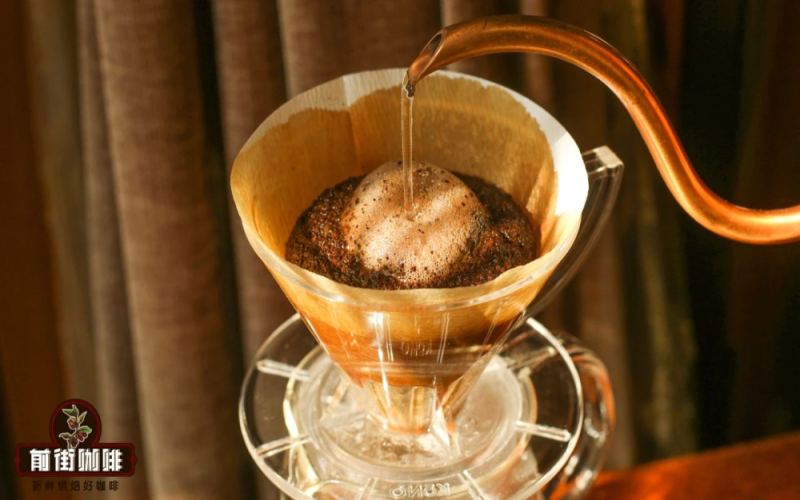
Pour-over Coffee Brewing Techniques | How Important Is Blooming to Pour-over Coffee? How Much Water and How Long for Coffee Blooming? How to Judge the Blooming Process?
Blooming is an important step in brewing coffee, and there's a popular saying that "you can tell if a coffee will taste good just by looking at its bloom." So when people learn to brew coffee, they intentionally or unintentionally "perfect" a flawless "coffee burger." But if you understand the logic behind blooming, you'll discover that blooming is actually [more…]

Step-by-Step Guide to Pour-Over Coffee|Do pouring technique and blooming affect the flavor of pour-over coffee? Which pour-over brewing method is suitable for coffee beginners?
Front Street often encounters many pour-over beginners asking a question: Why does pour-over coffee need blooming? The most indispensable step in pour-over coffee is the blooming phase. The purpose of blooming is to allow the coffee to release gases and ensure even extraction, and it also clearly reveals whether the beans being brewed are fresh. Front Street focuses on freshness [more…]

The coffee bean bag has puffed up—can it still be safely consumed? A full explanation of the causes and how to deal with it
The bag of coffee beans you just bought is bulging—is it spoiled? Can you still drink it? Actually, the reasons for coffee bean bag swelling are quite different from those for ordinary food. Ordinary food bags usually swell due to air leaks or gas produced by bacteria, but coffee beans themselves actively release carbon dioxide. When the roast date is very fresh, the roast level is on the darker side, and the bag happens to have no one-way degassing valve, swelling becomes a natural phenomenon. This article analyzes in detail the three main causes of coffee bean bag swelling, helping coffee lovers judge when they can enjoy it with peace of mind and when they should be more vigilant, and includes professional advice from Front Street Coffee. [more…]
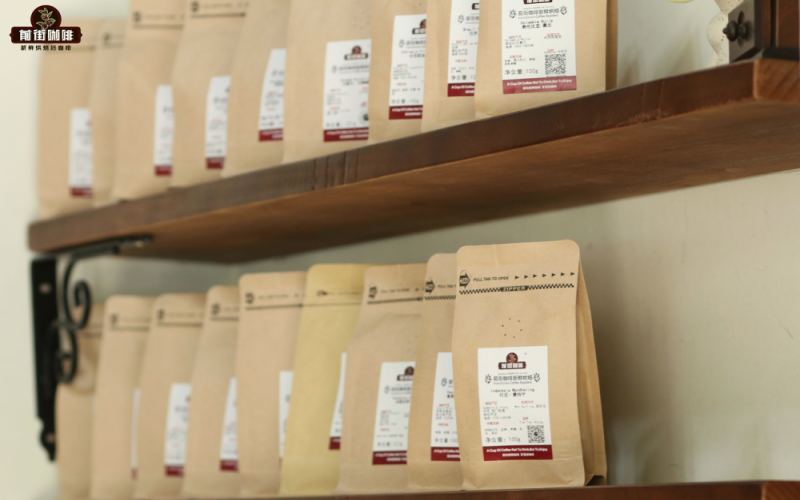
A Complete Guide to Coffee Bean Resting: Degassing Principles, Timing, and Brewing Tips for Beginners
Have you just gotten your hands on some coffee beans and found yourself wondering: why can't I brew them right away? The truth is, freshly roasted coffee beans hold a large amount of carbon dioxide inside them, and they need a period of "resting" to let the gas release slowly so the flavor can reach its peak. Drawing on the hands-on experience of Front Street Coffee, this article explains in detail the science behind resting beans, the time required for different roast levels, emergency brewing techniques for beans that haven't rested properly, and the correct way to store them. Whether you're a beginner just getting into specialty coffee or an enthusiast looking to refine your brewing details, you'll find practical answers here to bring every cup closer to your ideal flavor. [more…]
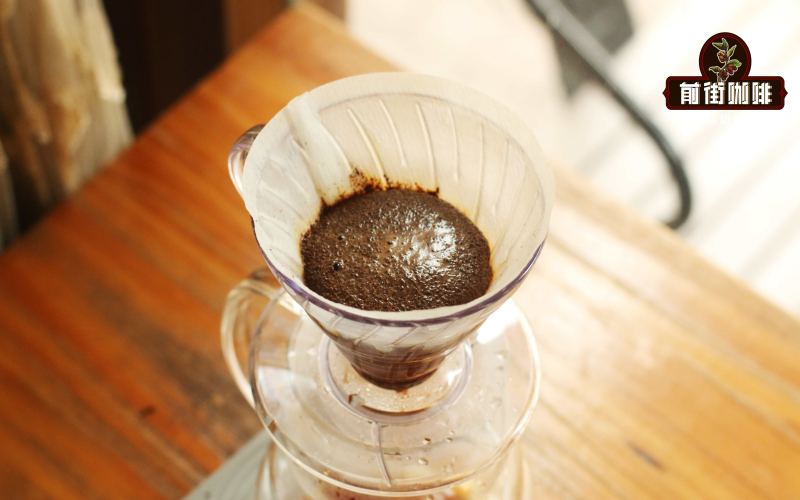
A Complete Guide to Blooming and Pouring in Pour-Over Coffee: Degassing Principles, Key Variables, and a Three-Pour Practice Method
In pour-over coffee, blooming is an indispensable step, as it affects degassing, extraction evenness, and the assessment of bean freshness. Drawing on Front Street Coffee's practical experience, this article breaks down in detail the purpose of blooming and the factors that influence it, including storage time, roast level, water temperature, water volume, duration, and grind size, and explains the complete process of the "little hill" expanding and then collapsing during blooming. The article then provides the specific steps for three-pour brewing: a 30-second bloom followed by two subsequent pours, with the total extraction time controlled at 2 minutes. Finally, through comparative experiments, it analyzes the impact of the number of pours on extraction time and flavor, answering the common question of whether the three-pour method is optimal, and helping coffee enthusiasts build a clearer pour-over logic. [more…]
Basic Knowledge for Pour-Over Coffee Beginners | Is Blooming Essential in Pour-Over Coffee? What Is the Purpose of Blooming Coffee Grounds by Pouring Water? How Do You Adjust the Coffee-to-Water Ratio in Pour-Over Coffee?
Front Street Coffee often encounters many pour-over beginners who ask a question: Why does pour-over coffee need blooming? The most indispensable step in pour-over coffee is the blooming stage. The purpose of blooming is to allow the coffee to release gases and ensure even extraction, and it also clearly reveals whether the beans being brewed are fresh. Front Street Coffee focuses on fresh [more…]
The Tasting Window for Single-Origin Espresso Beans: The Opening Rhythm from the Degassing Period to Peak Flavor
Freshly roasted single-origin espresso beans trap a large amount of carbon dioxide gas inside. This gas builds up intense internal pressure in the early stages after roasting. If the beans are ground and brewed straight out of the roaster, the gas hinders full contact between the hot water and the coffee particles, producing a sharp, harsh acidity in the cup, or causing the espresso crema [more…]
Why exactly is the bloom in pour-over coffee unskippable? A complete analysis from the principles of degassing to the number of pouring stages
The blooming phase in pour-over coffee may look like simply wetting the coffee grounds with hot water, but it actually determines whether the entire cup can be extracted evenly. Drawing on the hands-on experience of Front Street Coffee, this article systematically sorts out the core purposes of blooming—releasing gases inside the coffee beans, ensuring even extraction, and judging bean freshness—and analyzes one by one how factors such as coffee bean storage time and roast level, water temperature, amount of water poured, blooming duration, and grind size affect the blooming effect. Through comparative experiments, the article also verifies the actual impact of the number of pouring stages on extraction time and flavor performance, helping enthusiasts understand the logic and applicable boundaries of three-stage pouring. [more…]
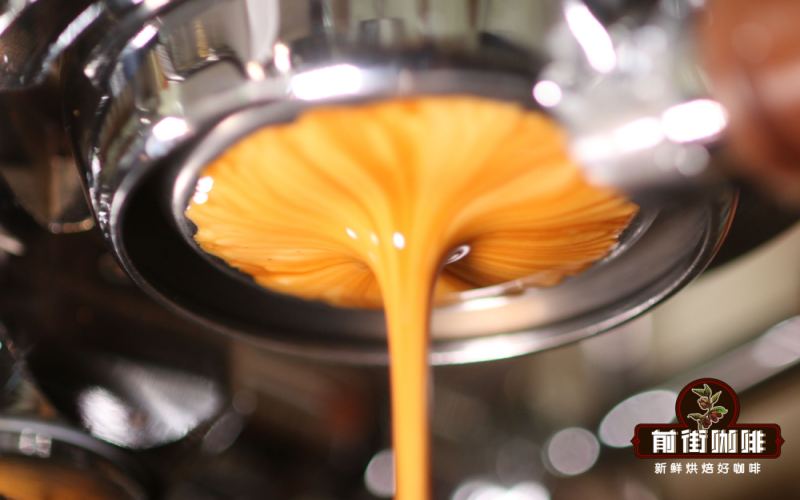
How Long After Roasting Should You Drink Coffee Beans? How Long Is the Resting Period for Espresso Beans? How Do You Rest and Awaken Single-Origin Beans? Can You Brew Coffee Beans That Haven't Rested Properly?
Have you ever had this experience: you buy coffee beans that have been roasted not long ago, can't wait to open them and brew a cup, only to find the extraction is very unstable and the flavor performance is less than ideal. A few days later, when you brew again, it tastes better. What is the reason for this? In this article, Front Street Coffee takes you through what "bean resting" means. Coffee beans [more…]
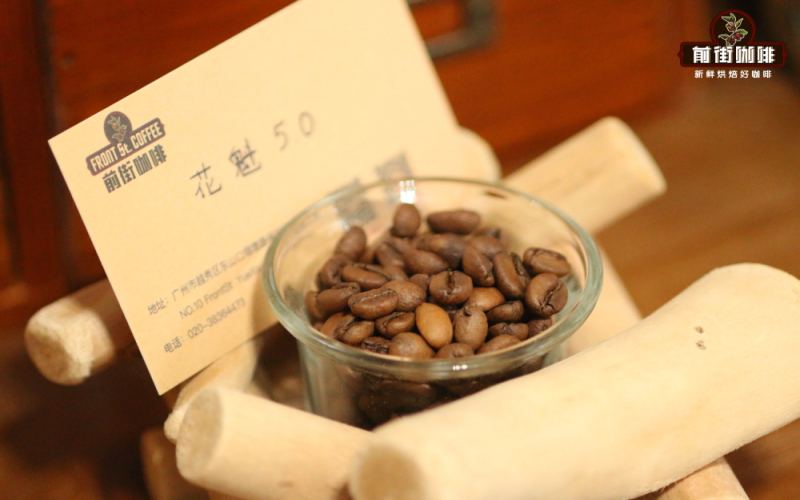
Ethiopian Huakui Coffee Flavor Evolution and Pour-Over Parameters: A Comprehensive Comparison from 5.0 to Small-Bean Huakui
The 2021 new-crop Huakui 5.0 coffee beans arrived at port as scheduled, and Front Street Coffee completed roasting and cupping at the first opportunity, then compared them in brewing with the much-loved Small-Bean Huakui. This article provides a detailed analysis of the flavor differences between the two beans, pour-over parameters, traces the origin of the name Huakui and the natural processing method, reviews the flavor evolution of Huakui versions 2.0 through 5.0, and includes the complete roasting records of Front Street’s five Sidamo Huakui lots. Whether you want to understand the past and present of Huakui or are looking for a reliable brewing plan, this article offers thorough and practical reference. [more…]
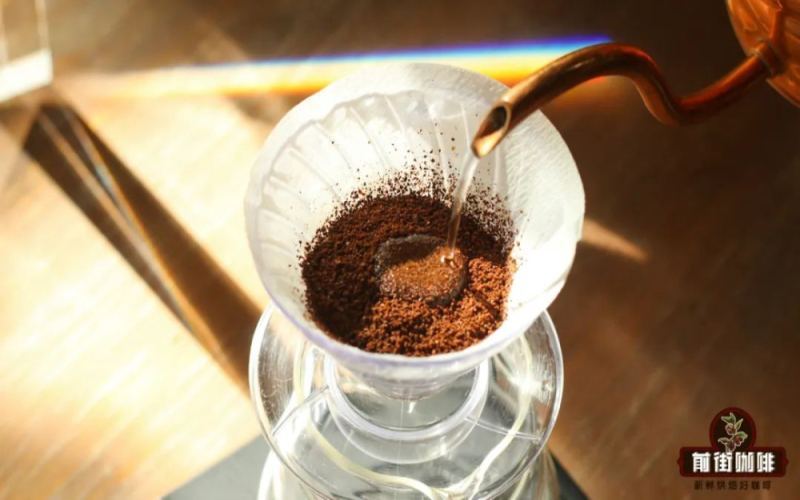
How Should the Blooming Time for Pour-Over Be Flexibly Adjusted? A Full Analysis from Bean Gas Content to Coffee Bed Condition
Blooming is an indispensable preparatory step in pour-over coffee. It works by wetting the coffee grounds with a small amount of hot water, releasing carbon dioxide and using capillary action to connect the particles, laying a uniform and efficient foundation for subsequent extraction. Many people are in the habit of always using a fixed 30 seconds, but coffee beans in different states actually have different requirements for bloom duration. Freshly roasted beans and light-roast, high-density beans need a suitably extended degassing time, while beans that have been sitting for too long or dark-roast beans are the opposite. This article will guide you through how to flexibly determine when to end the bloom based on the beans' gas content, roast level, and the wetness of the coffee bed and the frequency of off-gassing during blooming, as well as master pouring techniques for evenly wetting the coffee bed, bringing every cup of pour-over closer to perfection. [more…]

Whether the crema is thick or not also depends on freshness: this is how to manage the resting period for espresso beans
Many people focus on roast level and bean variety when choosing coffee, yet overlook the true fuel for crema: carbon dioxide. All the bubbles in crema come from gases accumulated inside the beans during roasting. After the beans leave the roaster, they continue degassing every day, and the remaining gas determines the thickness of the crema. In other words, even the best dark-roasted beans [more…]
How to Determine the Blooming Time for Pour-Over Coffee? Whether It Counts Toward Total Brew Time and a Detailed Explanation of the Degassing Principle
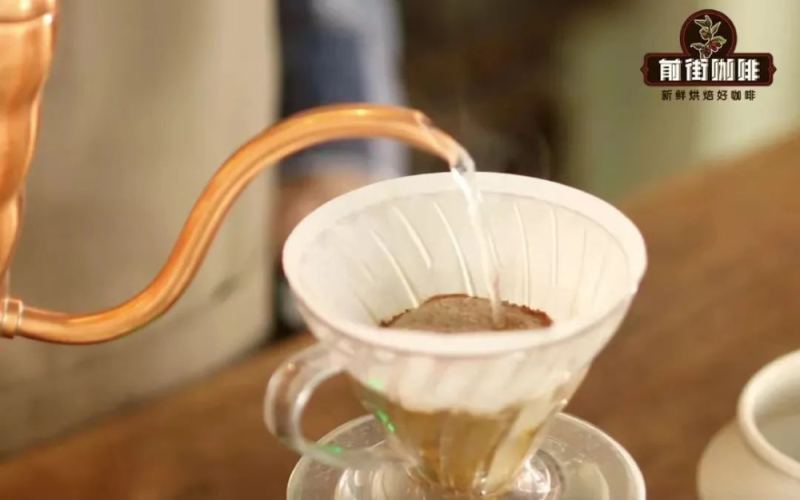
The blooming phase in pour-over coffee is often regarded as a key step that determines flavor. Many enthusiasts ask: does the 30-second bloom actually count toward the total extraction time? And what is the purpose of blooming? Starting from the principle of carbon dioxide release, this article explains why drip-style pour-over must be bloomed, and analyzes how three states—insufficient blooming, excessive blooming, and moderate blooming—affect the taste of coffee. At the same time, drawing on Front Street's brewing experience, it explains how the roast date, roast level, and pouring method change the optimal bloom duration, helping readers judge flexibly based on the state of degassing in the coffee bed rather than rigidly sticking to a fixed number of seconds. [more…]

The Correct Way to Rest and Wake Coffee Beans: How Long Do Freshly Roasted Beans Need to Rest Before Drinking?
Freshly roasted coffee beans don't reveal their best flavor when brewed immediately, because a large amount of carbon dioxide builds up inside the beans during roasting. This gas hinders the release of flavor compounds during brewing, so the beans need a period of "resting" to let the gas dissipate naturally. Usually, after five to seven days from the roast date, the beans' harsh, roasty edge fades and the aroma becomes fuller instead. If the beans you receive have too recent a roast date, just leave the original packaging untouched in a cool, dry place—the one-way degassing valve on the bag balances the pressure inside and out. As for "awakening" the beans, in the broad sense it's synonymous with resting; in the narrow sense it refers to exposing the beans to air for about four hours before brewing. Front Street Coffee also takes the resting rhythm into account when shipping, so that the beans happen to enter their optimal drinking window by the time they reach you. [more…]

The secret to a rich, golden foam on top of espresso lies in the rhythm of the degassing cycle and daily sealed brewing.
The dense, golden layer of crema on the surface of an espresso is essentially a foam formed when carbon dioxide inside the coffee beans, carrying aromatic oils, is emulsified under high-pressure water. Freshly roasted coffee beans trap a large amount of gas inside, and this gas is slowly released over time, determining the thickness and condition of the crema during extraction. Understanding [more…]
A Detailed Guide to Coffee Bean Resting and Optimal Flavor Periods: How Roast Level Affects Degassing Time and Storage Tips
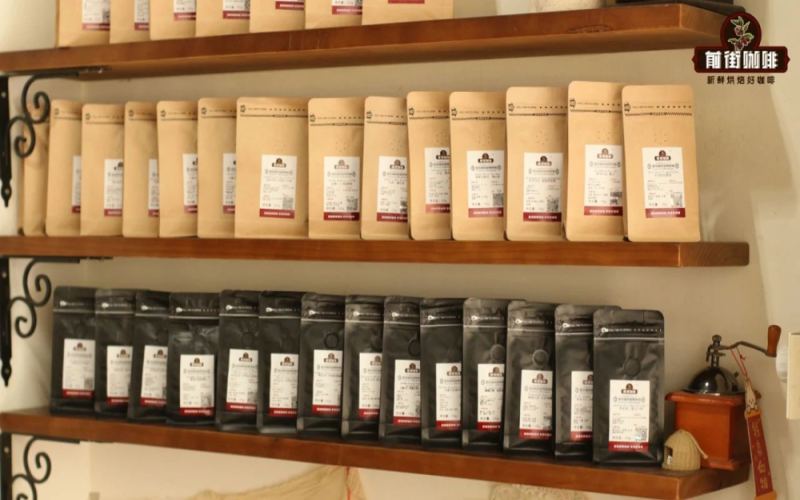
Many coffee enthusiasts pay attention to the roast date when buying coffee beans, believing that the fresher the better. But in fact, freshly roasted coffee beans need a period of "resting" to allow the internal carbon dioxide to fully release before they reach their flavor peak. This article will explain in detail the principles of resting beans, the resting time required for different roast levels, emergency brewing methods for beans that haven't rested properly, and the correct storage methods. At the same time, using Front Street Coffee beans as an example, we provide specific resting recommendations to help you enjoy a good cup of coffee within its optimal flavor period. [more…]