







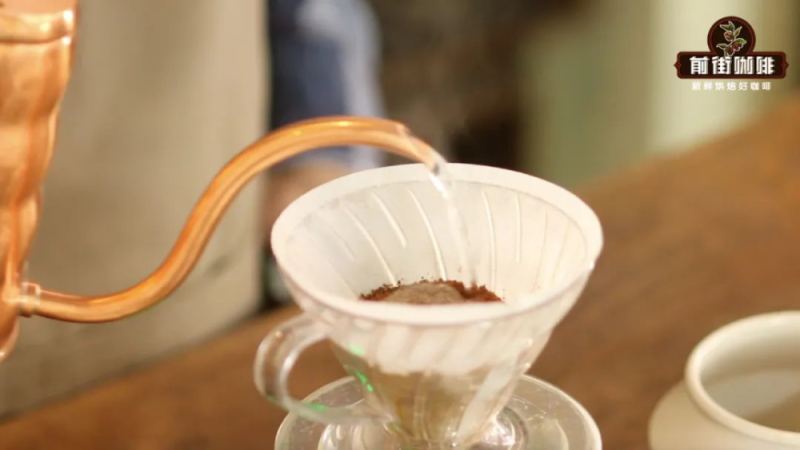
Do Geisha Coffee Beans Always Puff Up During the Bloom?
A coffee bed that fails to expand during the bloom does not automatically mean the beans are stale. Roast level, grind size and bean hardness all shape how much the bed rises. Light-roasted Geisha coffee beans from high-altitude farms, brewed about two weeks after roasting, often show almost no visible expansion yet still taste excellent.
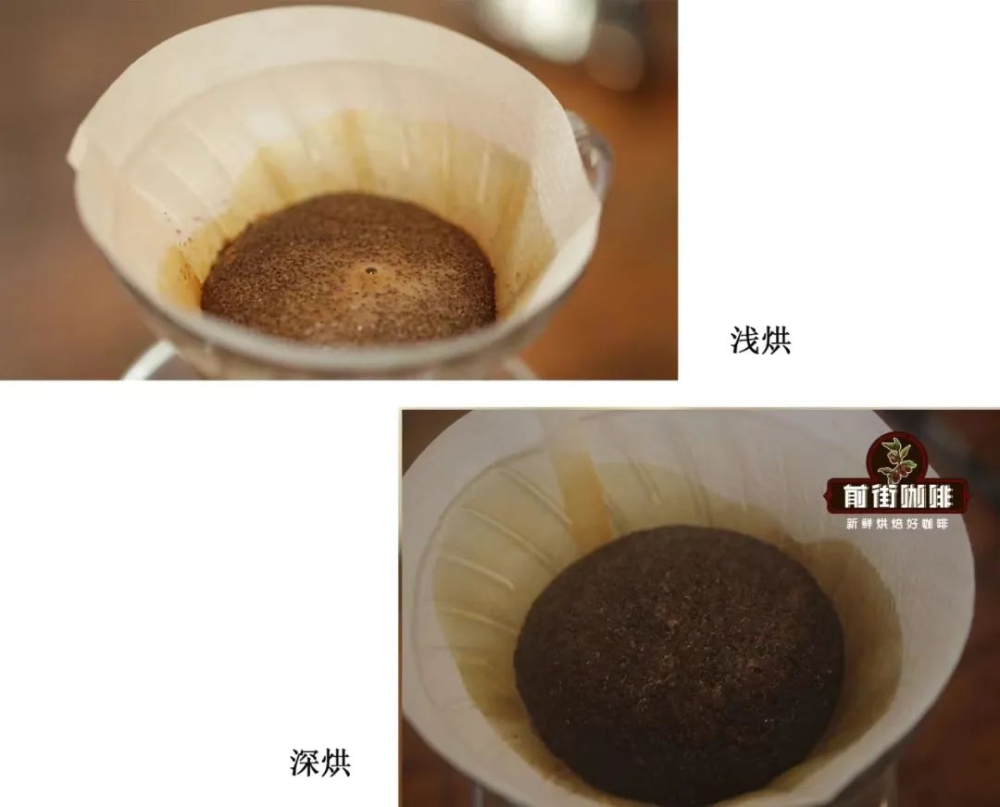
Dark roasts expand more during roasting, so their internal structure is looser and holds more carbon dioxide, which produces a full hamburger-style dome when water hits the grounds. Light roasts stay dense and release gas slowly. Coffee beans size and density vary by variety and altitude, so bloom height is one reference point for freshness, not the only standard.
When the coffee bed doesn't expand during the bloom in pour-over coffee, many people take it as direct evidence that the beans aren't fresh, but the reality is far more complicated. Front Street Coffee believes that whether the bed expands can serve as a reference, but it shouldn't be relied on too heavily. Factors such as roast level, grind size, and bean hardness all affect how much the bed puffs up during the bloom. Dark-roasted beans often produce a full "hamburger" dome, while light-roasted beans—especially high-altitude Geisha—may only rise slightly or show no movement at all, yet still taste excellent. This article breaks down these variables one by one to help you more accurately understand the real reasons behind bloom expansion and avoid misjudging the freshness of coffee beans.
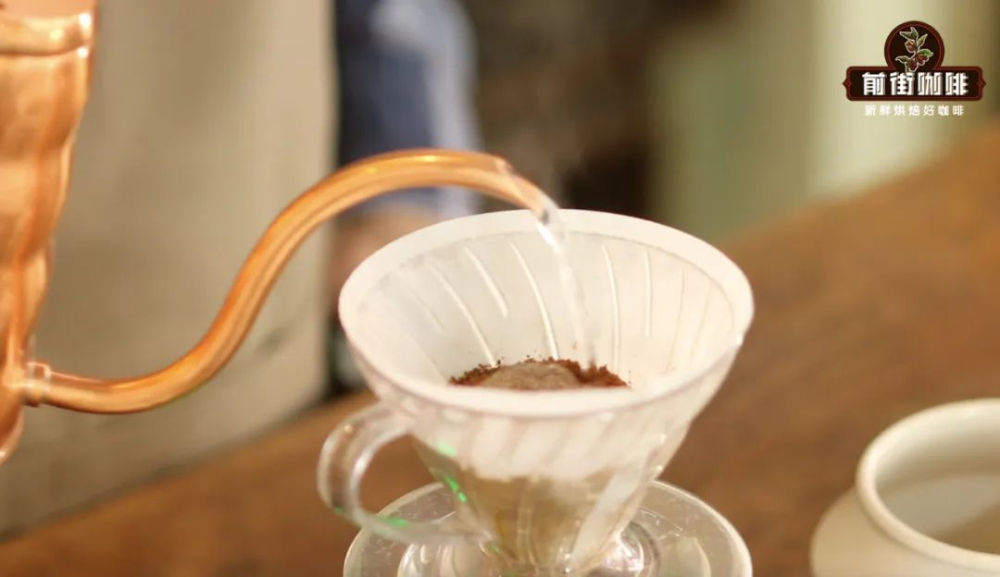
When the gas inside the coffee beans has already been released, there is naturally no excess gas to escape during the bloom, and the coffee bed won't expand. Because of this, many people directly equate "no dome" with "not fresh," assuming the flavor has already deteriorated significantly. On this point, Front Street Coffee's view is: the degree of expansion can indeed serve as one reference indicator for judging coffee bean freshness, but it should not be treated as the only standard, because there are many other factors that can cause the coffee bed not to expand.
- Roast Level
You may have already noticed that those beans which puff up into an exaggerated "hamburger" shape are basically all darker-roasted coffee beans. The reason is that the darker the roast, the more the bean expands, and the looser its internal structure becomes. This means both a more abundant reserve of carbon dioxide and a looser structure that is more easily activated by water and expands. Therefore, when brewing dark-roasted beans, you can often enjoy a full and beautiful "hamburger" dome.
Conversely, the lighter the roast, the harder the coffee bean's texture, and the carbon dioxide it contains is far less abundant than in dark-roasted beans. As a result, the "hamburger" that rises during the bloom is much smaller, or may even show no obvious signs of expansion.
For example, Geisha coffee beans from high-altitude growing regions, when brewed about two weeks after roasting, show almost no visible expansion of the coffee bed. The reason behind this is: light-roasted Geisha is hard, gas releases slowly, and the light roast means the total amount of gas is inherently low. So during the full 30 seconds of blooming, sometimes you only see a slight rise forming a small dome, sometimes there is no change at all, and sometimes a large bubble suddenly emerges from the flat surface of the coffee bed. None of these behaviors mean the beans aren't fresh, nor do they affect the flavor expression of the Geisha itself.
Here's another example: a friend once brought a bag of extremely light-roasted beans to share with Front Street Coffee. Just from the sound of the grinder while grinding, you could feel how hard the beans were. The coffee bed also didn't expand during the bloom, but the brewed coffee had a bright and pleasant acidity, with none of the negative flavors that stale beans would produce.
- Grind Size
The size of the coffee dome also depends on the grind size. If the grind is relatively fine, gas has difficulty finding gaps to escape through, so the gas pushes the entire coffee bed upward, seeking more room to escape. When the gas is released in continuous rapid bursts, it can also form large bubbles.
On the contrary, if the grind is coarse enough, the gaps between particles are themselves sufficient for gas to pass through smoothly, so the coffee bed naturally won't puff up.
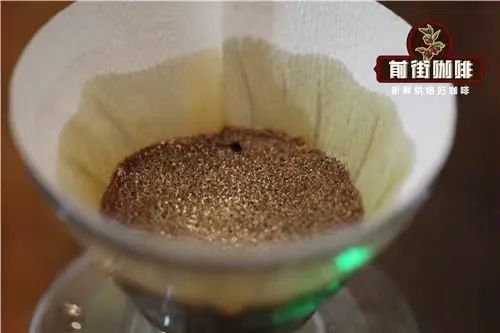
So, if what you're after is that visually pleasing bloom "hamburger" effect, it's recommended to choose dark-roasted coffee beans and grind fresh right before brewing.
The above content is compiled by CoffeeHunters, a coffee news website.


