







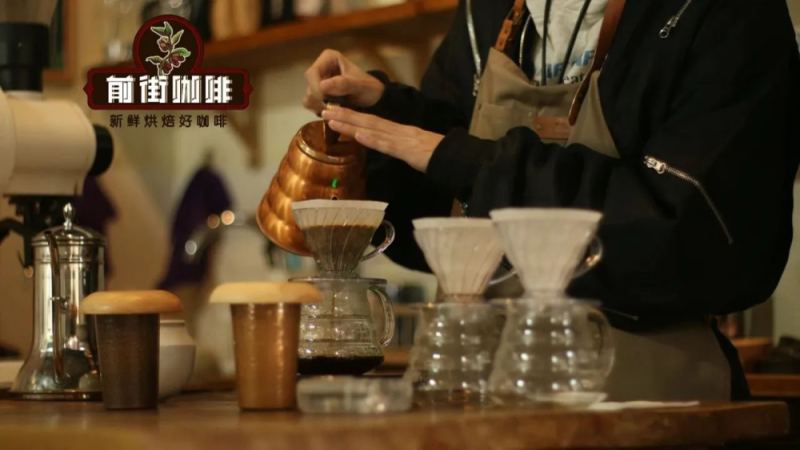
How Do You Brew Panama Gesha Coffee at Home?
Panama Butterfly is a Geisha blend coffee from Boquete, made of roughly 70 percent washed Geisha plus Caturra and Catuai. To brew it well, use a dripper such as a Hario V60 or a cake dripper, a light-roast-appropriate grind, moderate water temperature, and a multi-pour technique. Expect a low bloom expansion and a coffee bed that sinks late in the pour.
The bean combines the full aroma of high-altitude Panamanian coffee with a bright citrus-honey sweetness. A Geisha blend simply means a recipe that includes Geisha alongside other varieties, and Front Street lists Butterfly next to Ethiopia Gesha Village Chaka and Costa Rica Mirasu Strawberry Candy as representative examples. Adjust grind and pour timing to protect the floral notes.
Panama Butterfly is a highly representative Geisha blend coffee from the Boquete region, composed of about 70% washed Geisha mixed with Caturra and Catuai, combining the rich aroma of high-altitude coffee with a citrus-honey sweetness. Front Street Coffee is frequently asked by customers about the brewing method for this bean, so this article systematically covers the complete parameters from dripper selection, grind size, water temperature, coffee-to-water ratio, to the multi-pour technique, and explains phenomena such as the low bloom expansion of light-roasted beans and the late-stage coffee bed sinking, helping coffee enthusiasts consistently brew out Butterfly's floral aroma and layered complexity.
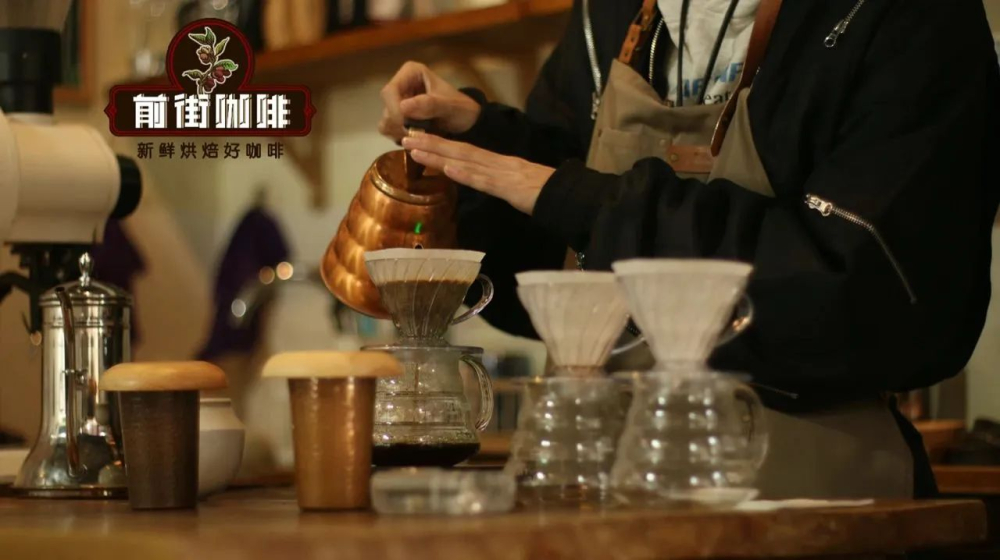
Front Street Coffee often receives questions from customers in-store: how exactly should Panama Butterfly be brewed to bring out its best? Taking this opportunity, Front Street Coffee plans to share its usual brewing approach in full. Let's start with Front Street Coffee's basic understanding of this bean.
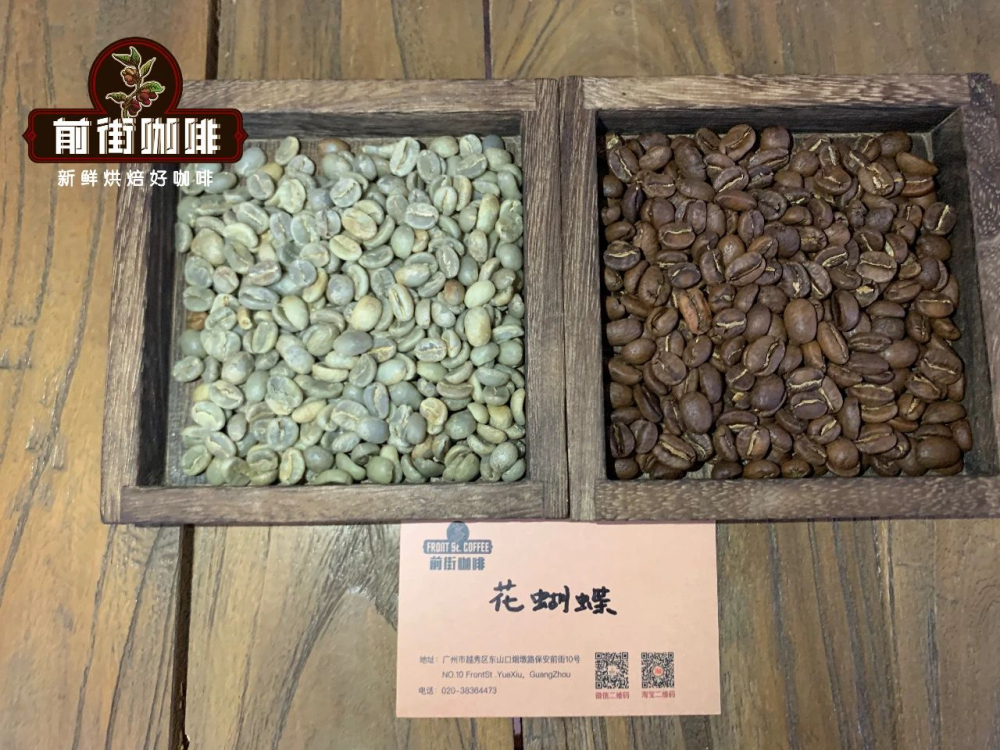
Butterfly originates from the Boquete region of Panama and falls under the category of "Geisha blend coffee." A Geisha blend refers to a recipe that contains Geisha while incorporating other varieties. Taking Front Street's bean list as an example, Panama·Washed Butterfly, Ethiopia·Gesha Village Chaka CHAKA, and Costa Rica·Mirasu Strawberry Candy are all fairly representative Geisha blend creations. Butterfly comes from Boquete, Panama, where Geisha rose to fame, and is composed of three varieties: Geisha, Caturra, and Catuai, with washed Geisha accounting for the largest proportion at about 70%, and also enjoying the highest recognition and quality. Superior growing conditions combined with a high proportion of Geisha give this bean both the full aroma of Panamanian high-altitude coffee and a remarkably bright citrus-honey sweetness in terms of body, acidity, and floral notes in cupping.
Next, Front Street Coffee will share the specific method for brewing this Butterfly.
1. Dripper
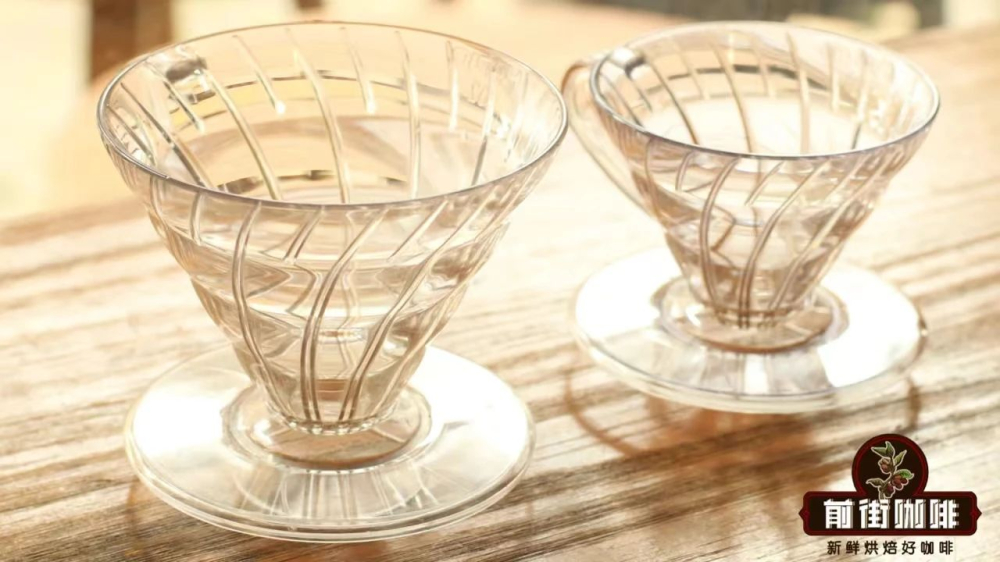
Front Street Coffee believes both the Hario V60 dripper and the cake dripper are choices worth considering. The V60 has a large outlet hole at the bottom, and its inner ribs are curved, spiraling from the bottom up to the rim, which makes the overall coffee flow rate relatively fast; however, the curved rib structure also slightly slows the downward flow of liquid, thereby extending the contact time between coffee grounds and water, which is more conducive to showcasing the aroma and flavor layers of Panama Butterfly.
The cake dripper, on the other hand, has three small holes at the bottom, and the flow rate inside the cup is relatively slower, making it closer to immersion-style extraction overall; plus, the flat-bottom design allows the coffee bed to spread out evenly and flatly, making extraction more thorough and balanced. Brewing with a cake dripper yields clear aroma, balanced flavor, and a somewhat fuller body.
2. Grind Size
Grind size plays a key role in coffee brewing. Grind too fine, and over-extraction easily occurs, bringing out bitterness; grind too coarse, and under-extraction easily occurs, producing sharp acidity. Adjusting grind coarseness based on the bean's roast level and its own characteristics can reduce the release of undesirable flavors, though of course it must be paired with a corresponding brewing technique.
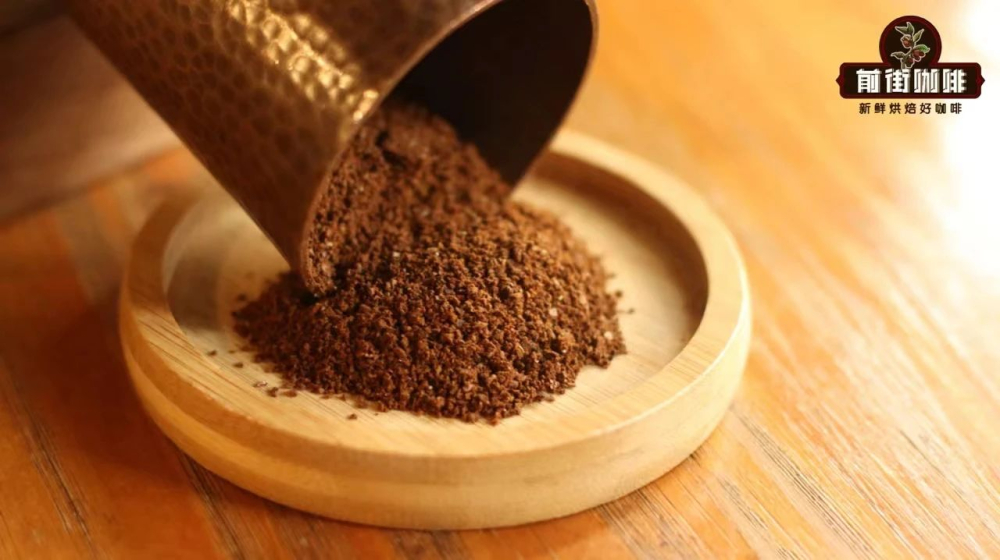
This Panama Butterfly grows at high altitude and has undergone a light roast, so the beans are relatively hard with strong extraction resistance; therefore, Front Street Coffee uses a medium-fine grind when brewing.
3. Water Temperature
Once grind size is determined, the next key element is water temperature. Water temperature affects coffee quite directly: if the temperature is too high, the coffee easily turns bitter and astringent; if the temperature is too low, the coffee tastes thin, or only sour with a lack of sweetness.
When brewing Butterfly, Front Street Coffee tends to use a higher water temperature to bring out its floral aroma, usually keeping the water temperature between 89-91°C.
4. Coffee-to-Water Ratio
Once grind size and water temperature are settled, it's time to consider the coffee-to-water ratio. A proper ratio better showcases the coffee's flavor: if the ratio is too small, the concentration is too high and the flavor too concentrated, making it harder to discern; if the ratio is too large, the coffee is too thin and tastes like water with a hint of coffee flavor.
When brewing this Butterfly bean, Front Street Coffee sets the coffee-to-water ratio at 1:15-1:16; both ratios can better express Butterfly's characteristics.
5. Brewing Technique
Front Street Coffee uses a multi-pour method to complete the extraction. Multi-pour extraction helps showcase the coffee's rich layers and also improves the extraction efficiency of the coffee grounds.
Front Street's approach is: first pour 15 grams of coffee grounds into the dripper and level them, then pour 30g of water for the first stage to bloom for 30 seconds while starting the timer, using a fine stream throughout in circles from the center outward, making sure the entire coffee bed is saturated.
For the second stage, continue pouring 120g of water in a straight fine stream, with the aim of raising the coffee bed; you can make larger circles as much as possible so that all coffee particles enter a state of degassing and extraction, finishing the pour at about 1 minute 05 seconds, at which point the scale reads 150g.
When the liquid level drops to the halfway point, begin the third stage pour, using a fine stream in small circles to pour 90 grams, trying to control the stream from circling too widely, otherwise it easily disrupts the coffee bed and causes under-extraction; a gentle rinse also helps enhance the release of sweet substances in the latter part of the coffee.
The final total water volume is 240 grams; wait until all the coffee liquid has finished dripping before removing the dripper, with the entire process taking about 2 minutes 20 seconds.
The above are Front Street Coffee's brewing parameters for Panama Butterfly. Finally, Front Street Coffee would like to add a few points worth noting when brewing this bean:
① Butterfly's roast level is on the lighter side, so the expansion during the bloom stage will not be very large;
② Near the end of brewing, you'll notice the coffee bed has sunk overall, which is a normal phenomenon. Because the bean is light-roasted, there isn't much gas inside to begin with, so degassing is naturally not vigorous; during brewing, most of the gas has already escaped, and by the later stage the coffee grounds lose their gas support and sink.
The above content is compiled by CoffeeHunters, a coffee news website.


