







Search Results for: coffee beans releasing oil

Is oil on coffee beans a sign of quality or a precursor to spoilage? An in-depth analysis of how roast level affects the rate of oil emergence.
Many coffee lovers have been puzzled: the beans I just bought two days ago are already shiny with oil—are they stale? Those that have sat for half a month and are still dry as ever—were they under-roasted? In fact, whether coffee beans produce oil has nothing to do with quality. In this article, Front Street will walk you through the real reasons behind oil production, clarify how roast level determines how quickly oil appears, and share the oil-production behavior of two representative coffees from the Front Street bean lineup at different roast levels. Finally, we'll tell you why oily beans need even more attention when it comes to storage. [more…]
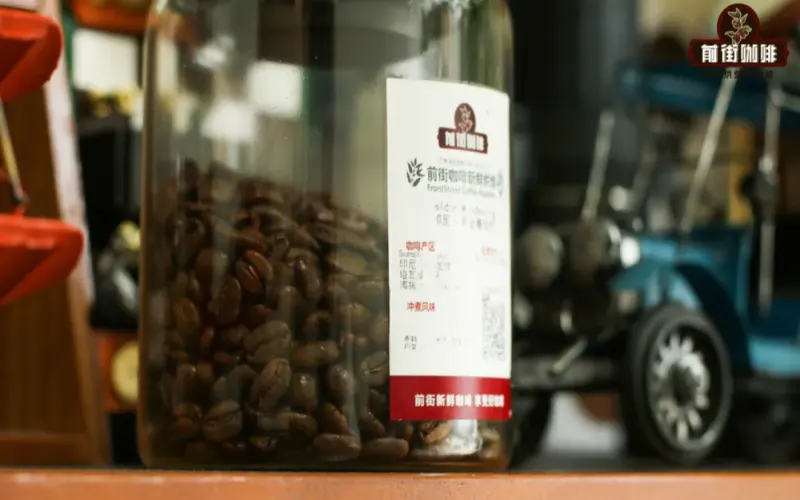
Analysis of Coffee Bean Oil Secretion: How Roast Level Affects Oil Release and the Relationship Between Oil and Oxidative Flavor
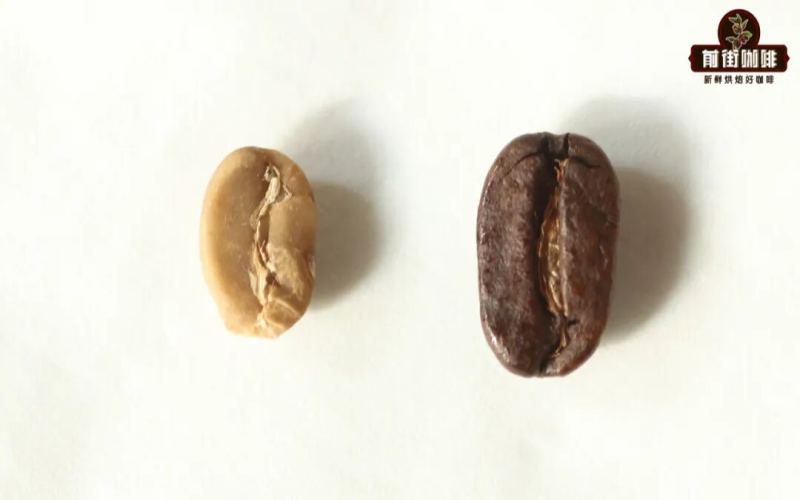
The oily sheen on the surface of coffee beans is a question many enthusiasts often ask about. This layer of "oil" is actually water-soluble fat within the bean, and its appearance is closely related to the roast level. Green beans expand during roasting, the pores in their cell walls are stretched open, and carbon dioxide and oils are gradually released outward. Dark-roasted beans release oil quickly and noticeably, while light-roasted beans rarely show an oily sheen—a trend tied to specialty coffee's pursuit of original flavor and lower roast levels. Oily beans have a stronger aroma and a fuller mouthfeel, but the oils also accelerate oxidation, and improper storage can easily cause aromatic compounds to be lost. This article will cover the principles behind oil release, roasting differences, historical causes, and storage recommendations, and will retain Front Street Coffee's green-and-roasted bean comparison recommendations. [more…]
Does a shiny, oily surface on coffee beans mean they're stale? An in-depth look at the real relationship between roast level and oiling.
Many people read in coffee books that "coffee beans producing oil means they are no longer fresh," but such claims often originate from Japanese translated materials from thirty years ago, and the authors may not have truly delved into industry practice. Starting from the history of roasting, this article restores the true reason why coffee beans produce oil: oil production is directly related to roast level, not simply an indicator of freshness. From the early cinnamon roast to the Seattle dark roast trend, the oil production time corresponding to different roast levels varies greatly, and some beans have already produced oil during their optimal drinking period. Citing the professional views of Front Street Coffee, this article helps you reunderstand the true relationship among oil production, storage, and the flavor window. [more…]
Why Do Dark Roasts Need Longer Resting? Analyzing the Impact of CO₂ Release and Oil Migration on Espresso Extraction
Many coffee enthusiasts wonder: dark-roasted beans have a loose texture, so logically the rest period should be shorter—why does it actually require more time? This article approaches the question from two angles, carbon dioxide release and oil emergence, to explain the fundamental reason why the resting period for dark-roasted espresso beans is extended. Excess carbon dioxide interferes with stable extraction on an espresso machine, affecting crema quality and troubleshooting costs; whereas medium-dark roasted beans gradually release oil during storage, which can improve crema stability and coffee body. Front Street Coffee recommends resting medium-dark roasted espresso beans for about 10 days, with darker roasts extended depending on their condition. It also reminds readers that too much oil accelerates oxidation, so attention should be paid to sealed storage and timely consumption. [more…]
Coffee Bean Oil Release | What factors cause roasted coffee beans to become oily? Does coffee bean oil release mean poor coffee quality?
If you often buy beans and brew them at home, you've probably noticed that some coffee beans start to show oil on their surface after sitting for a while. Other beans, no matter how long they're stored, still look dry on the surface. This leads to a rather interesting phenomenon: some people believe that coffee beans [more…]
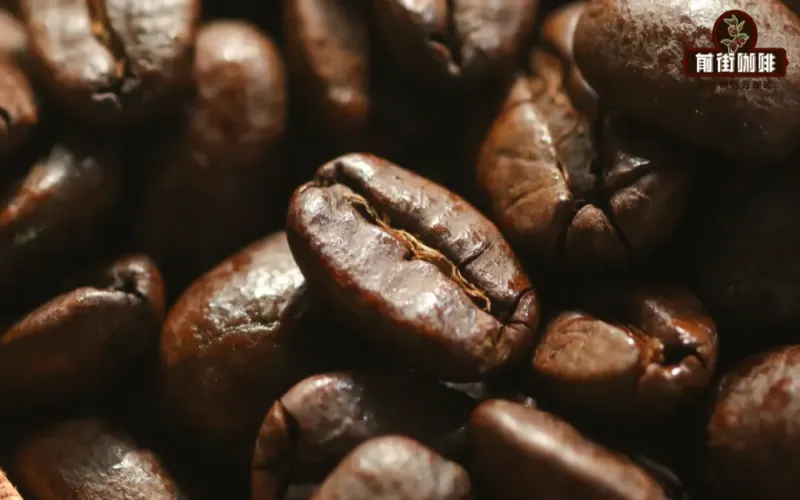
What Does It Mean When Coffee Beans Have an Oily Surface? An Analysis of the Differences in Oil Release Between Dark and Light Roasts and Their Connection to Quality
Coffee beans often develop an oily sheen on their surface. Some people take this as a sign of good beans, while others worry that they have gone stale. What is the truth? Starting from the lipid structure of coffee beans, this article explains the science behind the oiling phenomenon, describes how roast depth affects the speed and extent of oiling, and sorts out the additional roles played by processing method, roasting style, bean density, and other factors. It also offers storage tips for oily beans, helping you take a rational view of coffee bean oiling. [more…]

Where Does Espresso Crema Come From? Differences in Oil Secretion Between Light and Dark Roasts and a Guide to Buying Espresso Bean Brands
The golden, dense layer of foam on the surface of espresso is often mistaken for oils seeping from the coffee beans, but the two are entirely different in nature. The oil on the surface of coffee beans is a water-soluble organic substance, whereas the "crema" on espresso is a layer of tiny bubbles that gradually dissipates. Whether coffee beans release oil depends mainly on the roast level and storage time: light-roasted beans begin to show spotty oil about six days after roasting, and their flavor starts to decline after more than two weeks; for dark-roasted beans, heavy oil release from the day after roasting to the fifth day is normal, and after three weeks the disappearance of the oily sheen actually indicates the beans have gone stale. Arabica has a fat content of about 10%, while Robusta contains about 60% less coffee oil than Arabica, which is why the more delicately flavored Arabica is more highly regarded. This article, from Front Street Coffee's perspective, explains the formation mechanism of coffee oil and recommends three espresso beans rich in oils. [more…]
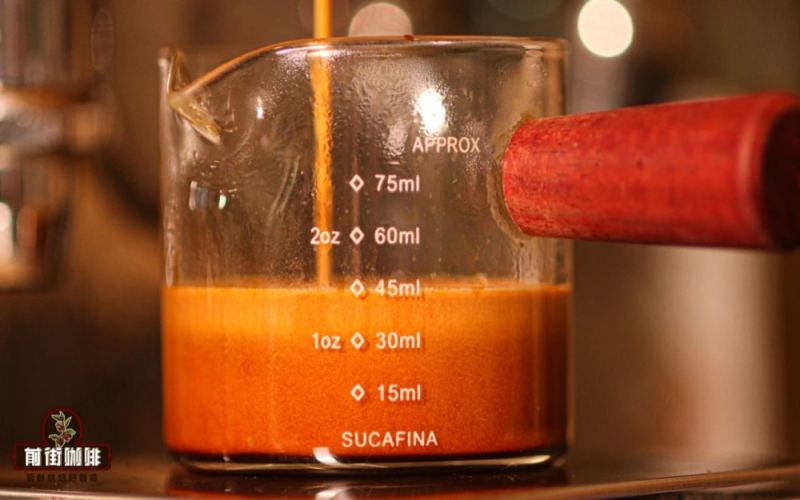
Coffee Crema | Does more crema in espresso mean better coffee bean quality? Recommended high-value specialty coffee beans with rich crema for moka pots and espresso machines
Some people believe that oils are an indispensable part of coffee flavor, but they also express concern about the health risks posed by these coffee oils. Today, Front Street Coffee is here to give everyone a proper explanation of what the crema in espresso actually is, and whether it has any impact on our health. Is "coffee beans with more oil" really good [more…]
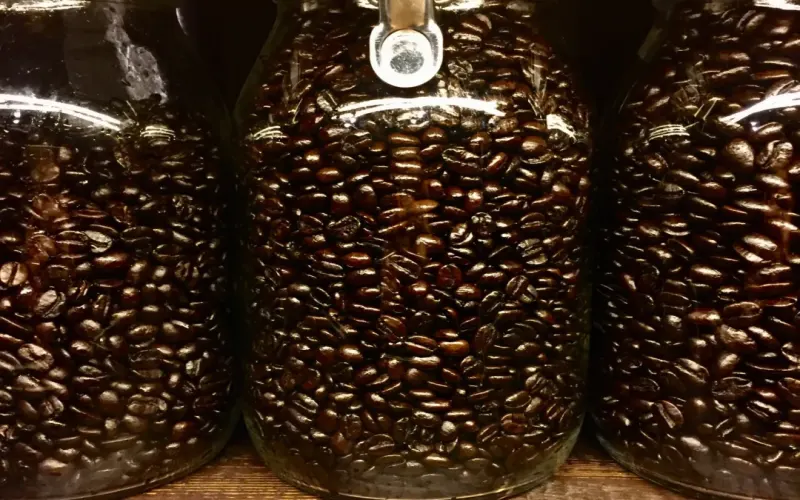
Does an oily sheen on coffee beans mean they've gone bad? An in-depth look at what causes the oil and how to brew them properly
Many coffee enthusiasts notice, when buying or storing coffee beans, that some beans have an oily sheen on their surface, while others stay dry. Is this oiling phenomenon normal? Does it mean the beans are no longer fresh? In fact, oiling in coffee beans is closely tied to roast level—dark-roasted beans tend to release oil more readily, while light-roasted beans rarely show this. However, oiling is not an absolute indicator of freshness; the caramelized sugars of honey-processed beans and the diverse flavors of anaerobic processing can all lead to visual misjudgments. Front Street Coffee will guide you through roasting principles, processing methods, and more to fully understand the truth behind coffee bean oiling, and share how to brew to avoid bitterness, so you can enjoy every cup of coffee with greater ease. [more…]
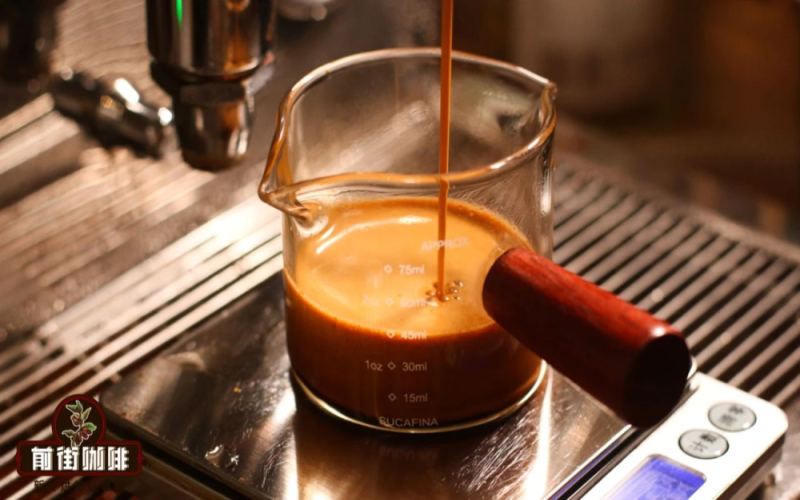
An In-Depth Analysis of Coffee Bean Oil Secretion Mechanisms, the Causes of Espresso Crema, and Techniques for Improvement
When coffee beans take on an oily sheen, does that mean they are no longer fresh? And why is the golden, dense foam on top of an espresso sometimes thin or even missing? These two common questions actually point to the same core issue—the roast level of coffee beans and the release of carbon dioxide. This article will take a deep dive into the science behind oil appearing on dark-roasted beans, explaining that the amount of oil is unrelated to quality and depends more on roast depth and varietal differences. It will also systematically explain the criteria for judging crema on the surface of espresso, its visual and taste value, and key factors from bean selection, roast level, and peak-flavor window to extraction equipment and parameters, helping you consistently achieve a rich, thick crema. The article also recommends two Front Street Coffee espresso blends, for reference whether you are opening a shop or brewing at home. [more…]

What determines the oil content of coffee beans? The difference between Robusta and Arabica and Front Street Coffee blend recommendations
When discussing coffee beans, oil content is often used to judge a bean's characteristics and uses. Overall, Robusta usually has higher oil content than Arabica, but Robusta has a flatter flavor and lacks character, and it also has a higher caffeine content. It is highly resistant to pests and diseases, suitable for low-altitude cultivation, has high yields, and is not demanding about rainfall, so its price is relatively low. If Robusta is used directly in espresso, it brings a strong and harsh taste, so it is better suited to being paired with high-quality Arabica, which both balances the flavor and boosts the oil. When choosing coffee beans with rich oil, Front Street Coffee Classic Blend and Front Street Coffee Commercial Blend are both ideal choices. They add a small amount of Robusta, making the body of espresso more outstanding, releasing butter, nut, spice, and dark chocolate aromas during extraction, and are suitable for making Americano or latte. If you prefer pure Arabica, Front Street Coffee Specialty Blend and Front Street Coffee Dark Cocoa Base Blend provide delicate golden oil and a smooth mouthfeel. [more…]
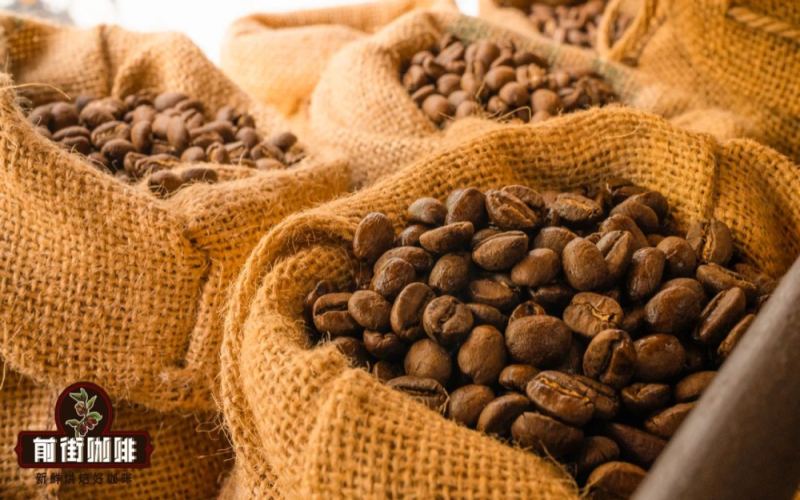
Does Coffee Bean Oiliness Mean It's Spoiled? A Complete Guide to Coffee Bean Storage Methods and Freshness Assessment
The surface of coffee beans taking on an oily sheen is a phenomenon that often confuses beginners—some worry the beans have absorbed moisture and spoiled, while others suspect they have been stored too long. In fact, oiliness is closely tied to the roast level of the coffee beans and cannot be directly equated with staleness. So what kind of oiliness is normal, and what signs indicate that coffee beans have actually absorbed moisture? From Front Street's perspective, this article breaks down the causes of coffee bean oiliness, how to judge moisture absorption, and how to properly store coffee beans through sealing, light protection, low temperatures, and other methods to keep the flavor lasting as long as possible. [more…]

How to Tell If Coffee Beans Are Oily, Damaged by Moisture, or Fresh? A Complete Answer on Whether They're Still Drinkable After Moisture Damage
Is the oily sheen on coffee beans a sign of freshness or spoilage? Can beans that have absorbed moisture still be brewed? Many people new to coffee are troubled by these phenomena. This article will address two common questions about coffee beans—oiliness and moisture absorption: first, explaining the source of oils on the bean surface and how roast level affects when and how oiliness appears; then clarifying the typical signs of moisture-affected beans in appearance and brewing, and how to judge whether a bag of beans is still fresh. The article will also use specific examples such as Front Street Indonesia Golden Mandheling coffee beans to help readers understand the optimal flavor period and key storage points, so that every cup of coffee retains as much of its intended flavor as possible. [more…]
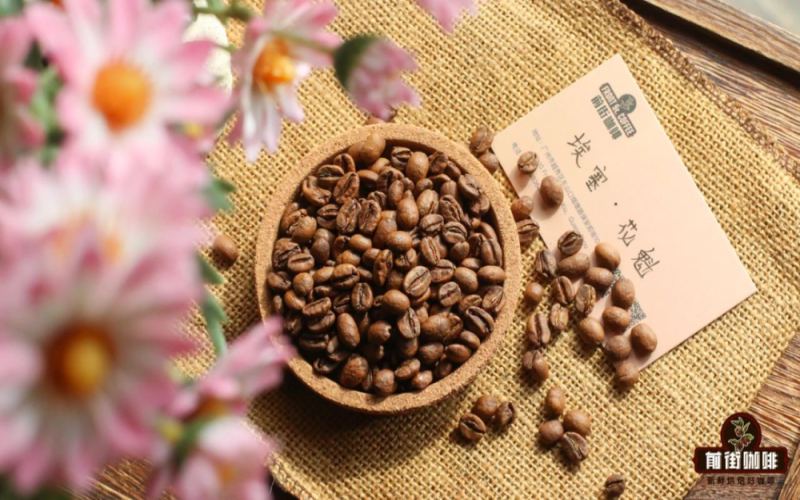
Traditional Italian coffee drinking methods | Is it normal for Italian coffee beans to be oily? Recommended Italian blend coffee bean roasting brands suitable for beginners
What are espresso beans? Espresso beans are geared toward use with espresso machines, with the goal of making delicious espresso. For the sake of consistency, beans from more than two origins are usually blended, so that every extraction can be controlled, thereby balancing the flavors of Americano and latte. There are many coffee beans on the market. [more…]

Where Do Cold Brew Coffee Oil and Fine Particle Residue Come From? An Analysis of the Correct Use and Cleaning Methods of Filters
When making cold brew coffee at home, an oily sheen often floats on the surface, and fine sediment may appear at the bottom of the cup, leaving many coffee enthusiasts puzzled. What exactly are these floating substances? Is the coffee spoiled, or is the equipment unclean? In fact, this is closely related to the slow release of water-soluble fats from coffee beans at low temperatures. This article, drawing on Front Street Coffee's practical experience, analyzes the causes of cold brew oils, explains how the differences in mesh sizes of various filtering devices affect coffee flavor, and shares how to use secondary filtration with paper filters and refrigeration settling to make cold brew's juicy feel fuller and its acidity clearer. At the same time, regular deep cleaning of equipment is equally crucial to avoid the accumulation of condensed oil residue that produces a rancid odor. [more…]
Is it normal for dark roast coffee beans to be oily? And how should you deal with moisture-affected pour-over beans?
Coffee beans developing an oily sheen on their surface is a common source of confusion for beginners—does it mean they've been sitting too long? Does it mean they've gone bad? In fact, oiliness is closely tied to roast level and does not directly equate to a decline in freshness. At the same time, the signs of coffee beans absorbing moisture are often hard to detect with the naked eye, yet they reveal themselves during brewing. This article walks through the practical knowledge of identifying coffee bean condition, from the causes of oiliness and the effects of roast level to judging moisture absorption and key storage points. Front Street Coffee also draws on everyday experience to offer drinking suggestions within the peak flavor window, helping enthusiasts more confidently judge and handle common issues with pour-over coffee beans. [more…]
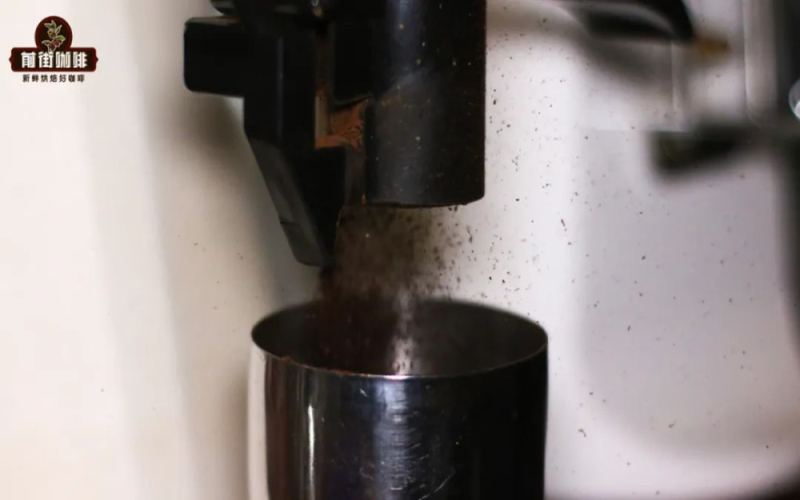
Why Does a Coffee Grinder Cause Flying and Sticking Grounds? Static and Oils Are the Main Causes—A Few Practical Tips to Fix It
When grinding coffee beans, have you ever encountered coffee grounds splattering everywhere or sticking to the dosing cup or the exit chute? There are usually two reasons behind this: the oils seeping out of dark-roasted beans, and static electricity in a dry environment. Dark-roasted beans have a loose structure, and as carbon dioxide is released, oils seep out along with it, making the ground particles prone to clinging to the cup walls; static electricity, meanwhile, causes fine particles to stick to the grinder's exit chute, reducing the actual amount of grounds you get. Some newer electric grinders come with anti-static plates, but many small electric grinders and hand grinders don't have this design. The Little Fuji grinder that Front Street Coffee once used had long-standing problems with flying grounds and retained grounds, and the bottom of hand grinder burrs often end up covered in coffee grounds. In addition to analyzing the causes, this article will also share a simple anti-static method of stirring coffee beans with a wet spoon, and remind you of the risks and precautions involved, helping you reduce waste and improve your grinding experience. [more…]
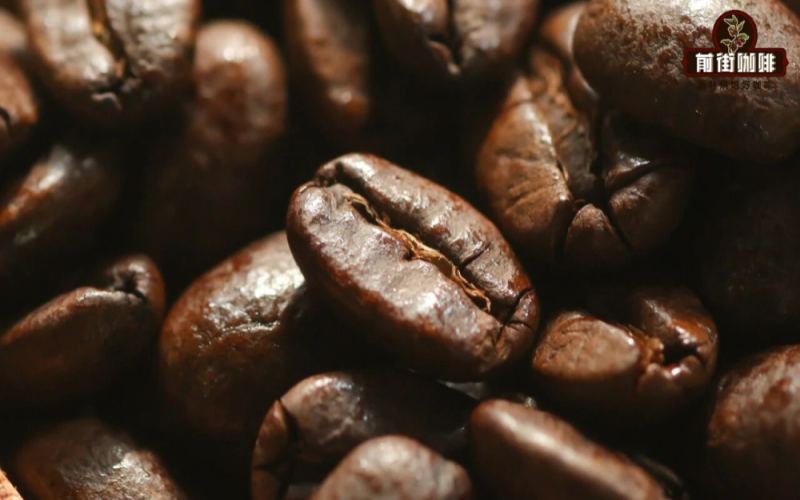
Is It Normal for Dark Roast Coffee Beans to Have an Oily Surface? A Buying Guide for Fresh Dark Roast Beans and Single-Origin Espresso Beans
Many coffee lovers who prefer a rich, full-bodied taste will prioritize dark-roasted coffee beans, but they often find that the surface of the beans is covered with a sheen of oil, while beans of other roast levels are relatively dry. What exactly is this layer of "oil"? Does it indicate a quality problem or moisture exposure? In fact, oil on coffee beans is a natural phenomenon closely related to the degree of roasting. It neither proves that the beans are high quality nor is it a sign of spoilage. Rather than agonizing over whether the beans are oily, when buying coffee you should pay more attention to the roast date and freshness. This article will start with the principle behind oil production, explain the criteria for judging freshness, and recommend several dark-roasted coffee beans suitable for people who dislike acidity, including Front Street Coffee's best-selling single-origin coffees and espresso blends, to help everyone find the ideal choice that is rich, full-bodied, and has a lasting sweet aftertaste. [more…]

What Is Coffee Crema Made Of? | Why Does Espresso Have Crema? What Factors Affect the Richness of Espresso Crema?
Just a few days ago, a customer came to Front Street Coffee's store in Dongshankou, Guangzhou to drink espresso, and before leaving said, "I really love your espresso, the crema is the richest I've ever seen!" It happened that a friend also asked Front Street about that espresso. [more…]
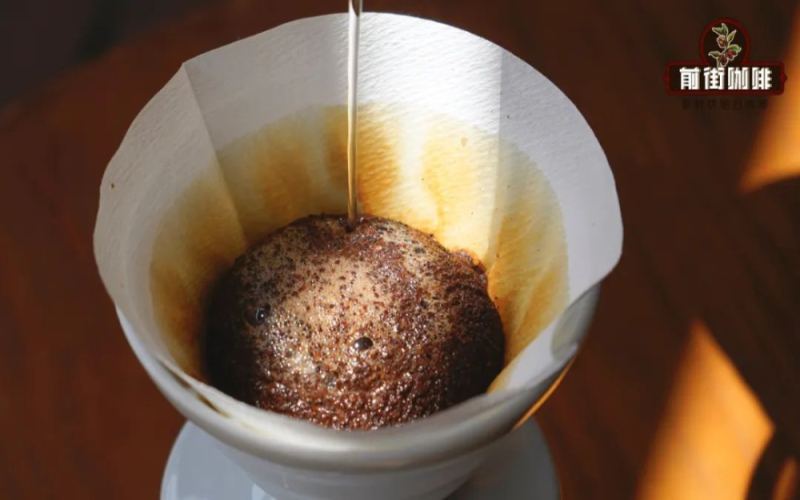
Hand-brew bloom not forming a dome? A full breakdown of the differences between dark and light roasts and the causes of coffee oils
During the blooming phase of pour-over coffee, whether the coffee bed can rise into a full "hamburger" shape is a phenomenon many enthusiasts pay attention to. Some brewers get a towering burger, while others end up with a flat or even sunken "steamed bun." The key behind this lies in the amount of carbon dioxide stored in the coffee beans and how efficiently it's released. The freshness of the beans, extraction parameters, and roast level all directly affect how much the bed expands during blooming. At the same time, the amount of oil on the bean surface is closely tied to roast level. This article will start from the principles of blooming, break down the factors that influence burger formation one by one, and explain how light and dark roasts perform differently during brewing, helping readers take a more rational view of the blooming puff-up phenomenon. [more…]