







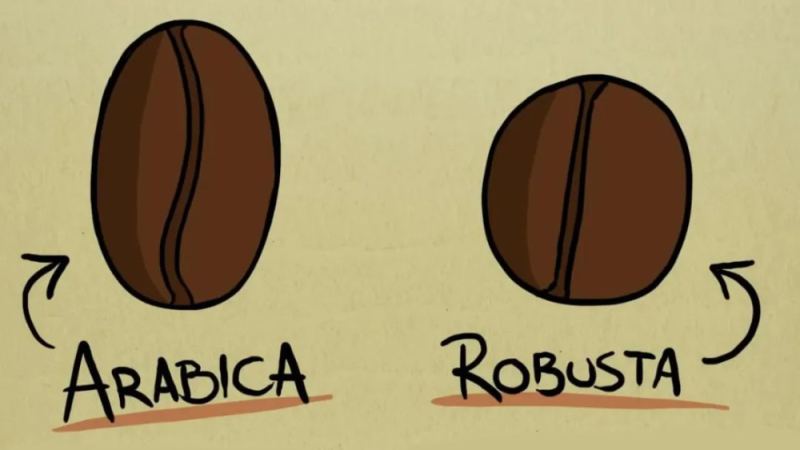
Does coffee robusta contain more oil than arabica?
Coffee robusta generally shows higher oil content than arabica, but that advantage comes with trade-offs. Robusta has a flat, rigid flavor, higher caffeine, strong pest and disease resistance, and grows well at low altitude with modest rainfall, which keeps its price low. Used alone in espresso, it produces a harsh, extremely strong shot.
The common practice is pairing robusta with high-quality arabica, which balances the flavor while raising the oils in the cup. Front Street Classic Blend and Commercial Blend each include a small amount of robusta, giving espresso a more solid body and releasing butter, nut, spice, and dark chocolate aromas. For a pure arabica option, the Specialty Blend and Dark Cocoa Base Blend offer delicate golden oils and a smooth mouthfeel.
When discussing coffee beans, oil content is often used to judge the characteristics and uses of the beans. Overall, Robusta's oil performance is usually higher than Arabica's, but Robusta has a flat flavor and lacks character, and its caffeine content is relatively high. It has outstanding resistance to pests and diseases, is suitable for low-altitude cultivation, has high yields, and is not demanding about rainfall, so its price is relatively low. If Robusta is used directly for espresso, it will bring a strong and harsh taste, so it is more suitable to pair it with high-quality Arabica, which both harmonizes the flavor and enhances the oils. When choosing coffee beans with rich oils, Front Street Classic Blend and Front Street Commercial Blend are both ideal choices. They add a small amount of Robusta, making the body of espresso more outstanding and releasing butter, nut, spice, and dark chocolate aromas during extraction, making them suitable for making Americanos or lattes. If you prefer pure Arabica, Front Street Specialty Blend and Front Street Dark Cocoa Base Blend provide delicate golden oils and a smooth mouthfeel.
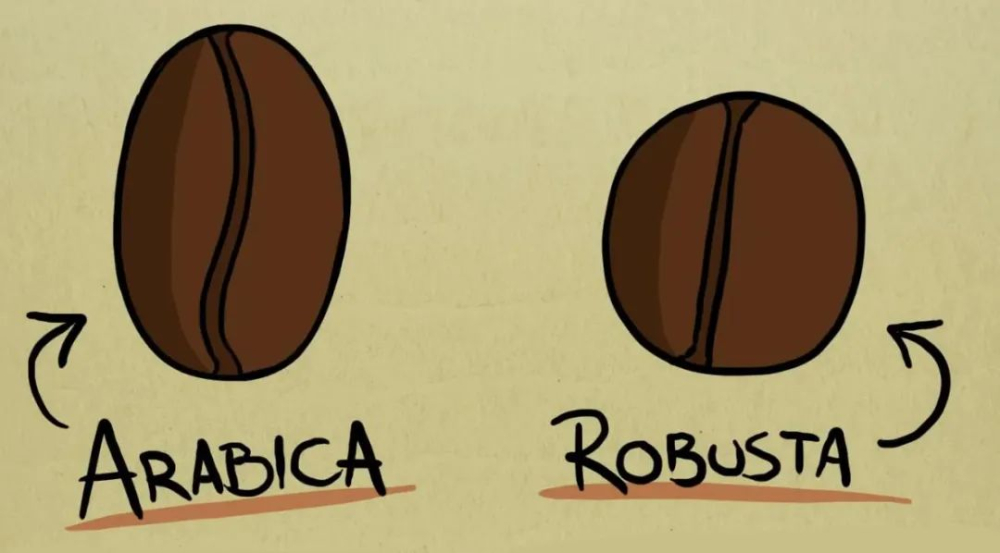
In terms of oils alone, Robusta is usually richer than Arabica varieties. Most Robusta coffee performs mediocrely and rigidly, lacking a unique style. Its caffeine content is relatively high, its disease resistance is excellent, it is mostly grown at low altitudes, its yields are considerable, and it is not picky about rainfall, resulting in lower cost.
If Robusta is made directly into espresso, the shot will present an extremely strong and harsh flavor, so it is not suitable for drinking on its own. Instead, it should be paired with high-quality Arabica to make the taste more balanced and at the same time bring more coffee oils.
If you want to buy coffee beans rich in oils, you can give priority to Front Street Classic Blend or Front Street Commercial Blend. Both incorporate a small amount of Robusta, making the body of espresso more solid and releasing butter, nut, spice, and dark chocolate aromas during extraction. Their wild character and abundant oils are their most prominent features, and whether made as an Americano or a latte, they can showcase an old-school Italian flavor.
If you wish to enjoy 100% Arabica coffee, you can choose Front Street Specialty Blend and Front Street Dark Cocoa Base Blend. Both contain a high proportion of Brazilian coffee beans, thus bringing a comfortable bittersweet taste and delicate golden oils, and they are very smooth on the palate.
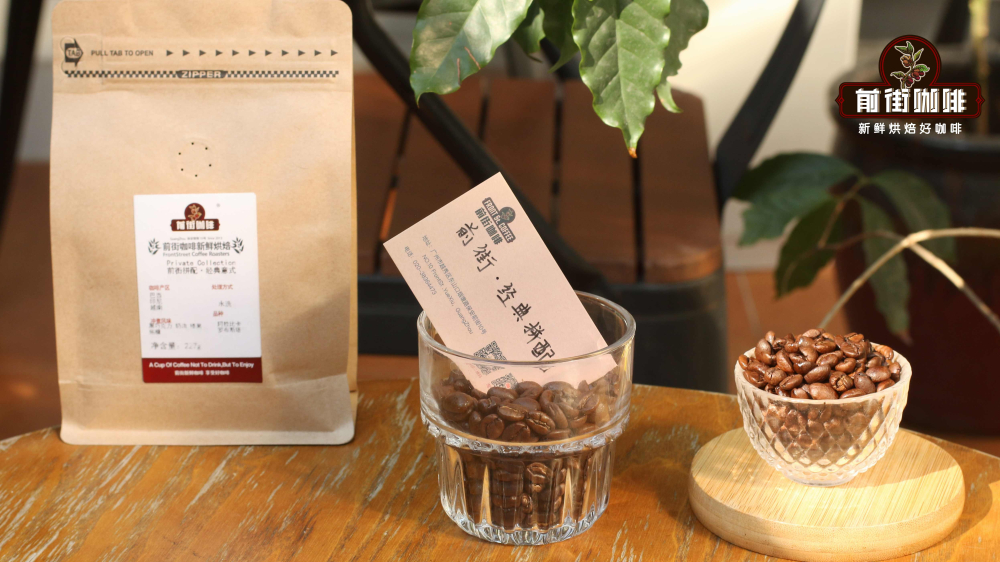
Among them, Front Street Specialty Blend carries the nutty, chocolate, and caramel aromas of Colombian coffee, along with moderate acidity; Front Street Dark Cocoa Base Blend combines the ripe plum acidity of Yunnan small-bean coffee, and after being ground into powder it gives off a creamy chocolate-like aroma, with a balanced taste and high versatility. In addition to making lattes, it can also produce a variety of espresso drinks.
The above content is compiled by CoffeeHunters, a coffee news website.


