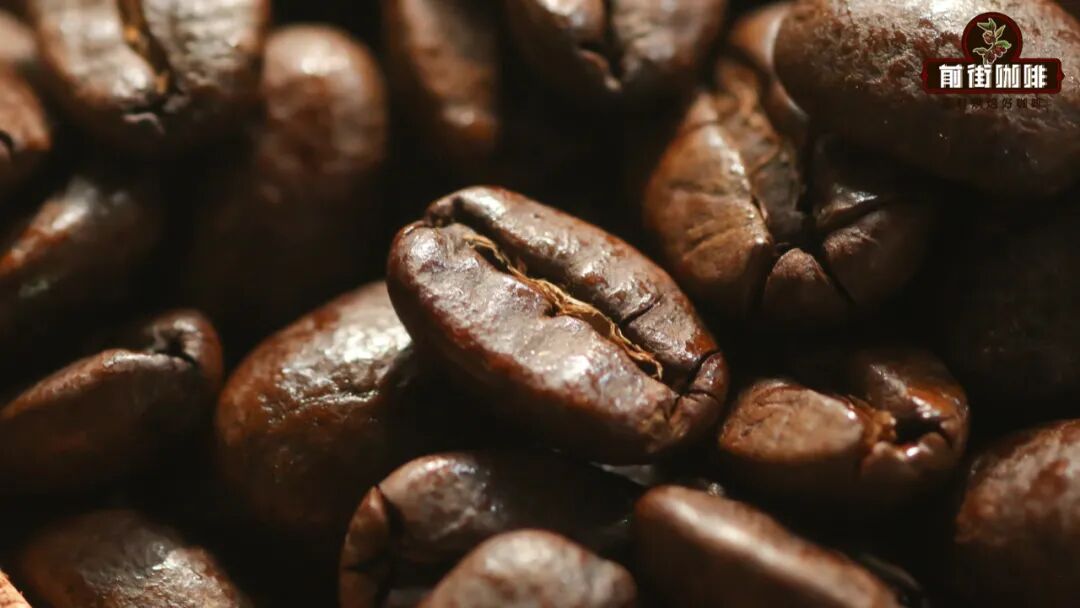
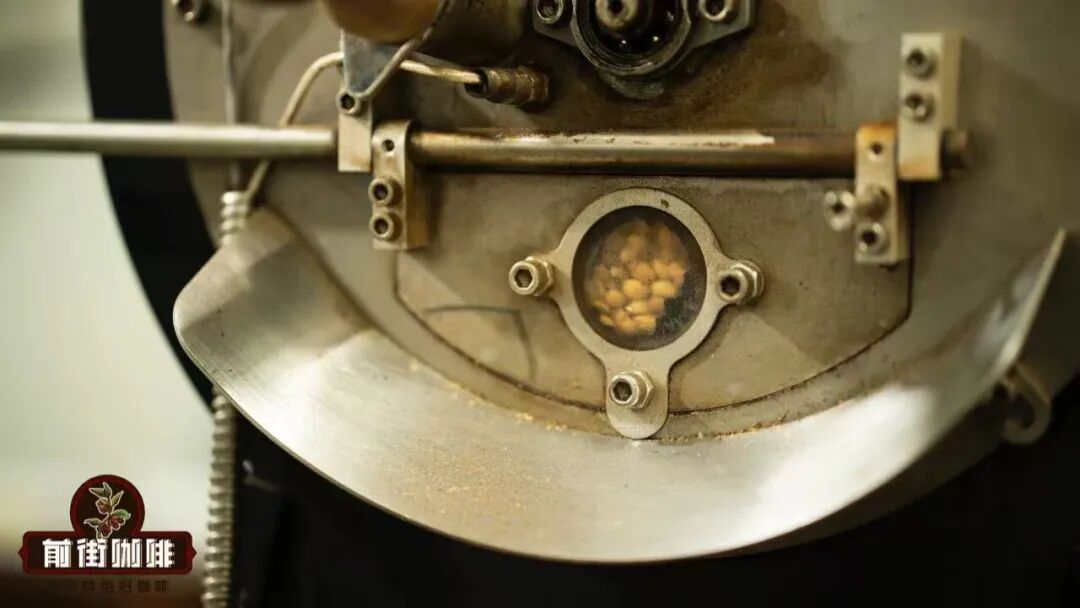
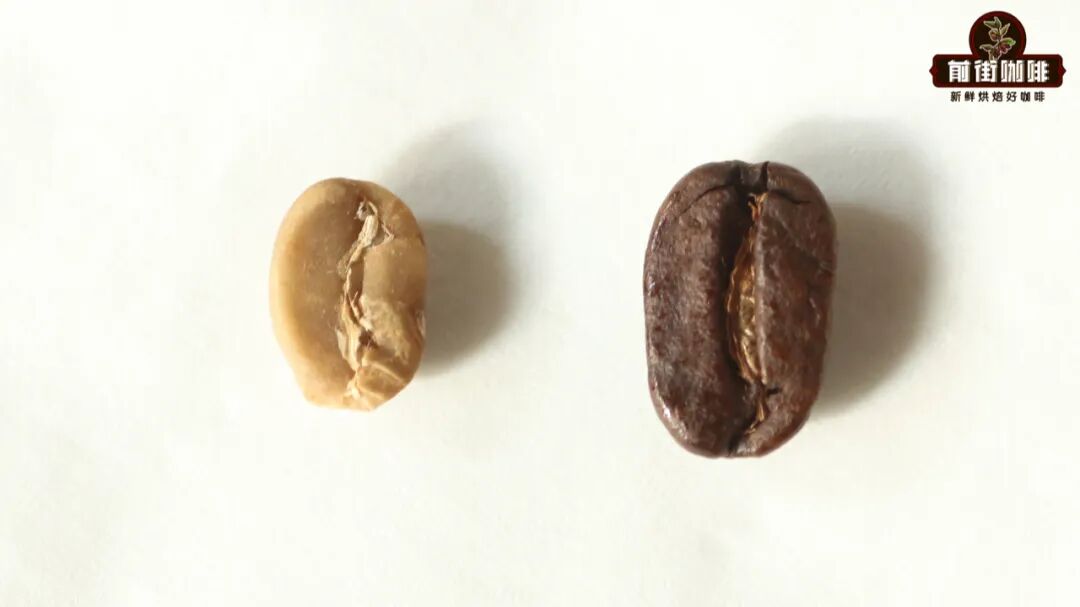
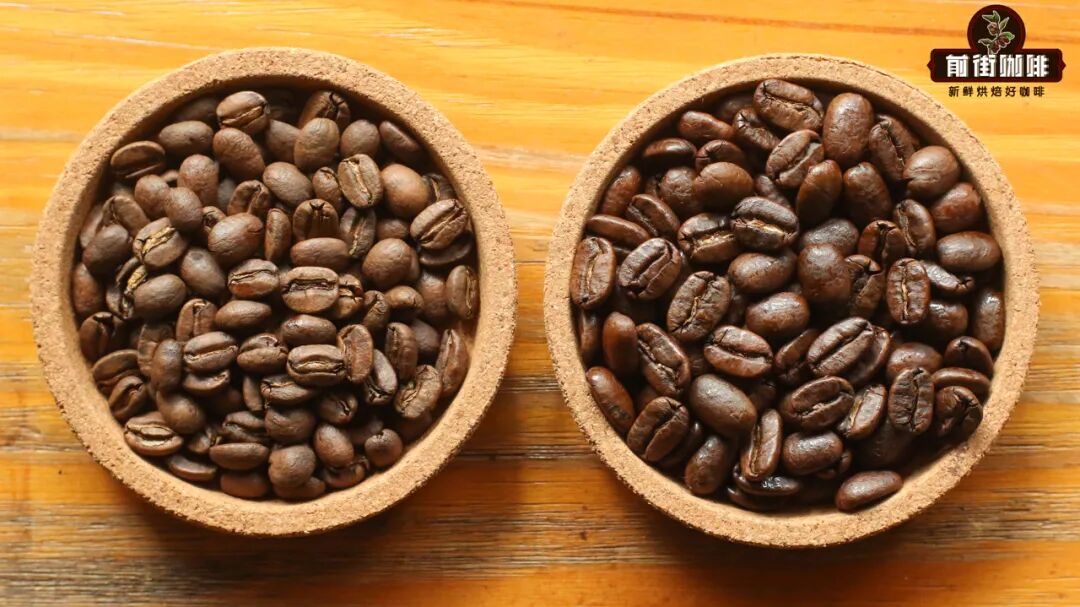
If you're someone who often buys beans and brews at home, you've probably noticed that some coffee beans start to develop oil on their surface after sitting for a while. Other beans, no matter how long they're stored, still look dry on the surface. This leads to a rather interesting phenomenon: some people believe that oily coffee beans are proof of high quality, while others think the opposite—that oily beans have absorbed moisture and are a sign of declining quality.But in reality, both of these ideas are basically wrong. Oil on coffee beans is a normal phenomenon—it's neither proof of premium coffee nor a sign of moisture damage.(assuming proper storage)!Why is that?Because coffee beans themselves contain a certain amount ofwater-soluble lipids, and these oils will, under certain specific conditions, seep out onto the bean surface, creating the "oily coffee bean" phenomenon. Before roasting, these lipids are wrapped around the coffee bean'sfibrous matrixby the dense structural tissue of the green bean, firmly "locked" inside. Only after the green bean is roasted do the lipids begin to seep out onto the bean surface.As we all know, during the roasting process, the continuous heat energy supplied by the roaster causes the coffee beans to constantly expand, because the cell wall pores inside the beans are forced open and store a large amount of carbon dioxide.After roasting is complete and the coffee beans return to a normal temperature and pressure environment, this carbon dioxide stored inside the beans begins to escape outward. At this point, the lipids inside the coffee beans can escape along with the carbon dioxide, producing the oily surface phenomenon.But as Front Street mentioned, the oily phenomenon only appears on certain coffee beans, and these oily beans usually share a fairly obvious characteristic—"a relatively dark roast level."As Front Street mentioned earlier, coffee beans continuously expand due to heat energy, and this expansion simultaneously makes their structure more porous. So, the darker the roast level of the coffee beans, the more heat energy they receive, and the greater the expansion. The greater the expansion, the more porous the structure. A porous structure can hold more carbon dioxide while also making the lipids attach more loosely, so naturally, the oils escape onto the bean surface more easily.Below are two beans from Front Street's bean list: Front Street Papua New Guinea · Bird of Paradise, a medium-dark roast leaning toward medium, and Front Street Sumatra · Golden Mandheling, a medium-dark roast leaning toward dark. Their roast dates are identical—both roasted five days ago. You can compare the degree of oiliness between them.In addition, thespeedof oil emergence is also affected by roast level. For the same bean, the darker the roast, the faster the oil appears. The two beans in the photo above only started showing noticeable oil sheen several days after roasting, but if the roast level were darker, the beans would develop a noticeable oil sheen on the very day roasting is completed.Then, as Front Street mentioned earlier, roast level is only one influencing factor. Besides roast level, the oiliness of coffee beans is also affected by processing method, roasting method, and bean density.For example, some heavily anaerobic coffees tend to develop oil more easily than conventionally processed beans of the same roast level, because the bean structure has already undergone significant changes during processing—such as becoming less dense—so the same profile will push them to a darker roast level during roasting and make them more prone to oiliness.Explaining coffee roasting methods would be rather complex, but we can simply understand it as differences in the heat and time used during roasting causing changes in the expansion rate of the coffee beans, which in turn creates differences in the degree of oiliness. However, since many people rarely encounter roasting in daily life, Front Street won't go into too much detail here.In summary, we can see that whether coffee beans are oily or not has little to do with quality. Oiliness doesn't directly affect coffee quality either—it just means you need to pay more attention to storage, because once beans become oily, they're more prone to deterioration. If they aren't stored in a suitable environment, the coffee beans can easily develop negative flavors. So on this point, everyone should keep it in mind~ The above content is compiled by CoffeeHunters, a coffee news website.