







Should Coffee Beans Be Oily, or Does Oil Mean Spoilage?
A glossy sheen on coffee beans is normal for darker roasts and does not automatically mean the beans have spoiled or absorbed moisture. During roasting the bean structure expands, cell wall pores widen and trap carbon dioxide; as that gas slowly escapes at room temperature and pressure it carries water-soluble fats to the surface, where they cling.
Oiliness usually appears from dark roast upward, around second crack. Medium-dark beans such as golden mandheling coffee develop a sheen after roughly three to five days of resting, which is expected. Freshly roasted dark beans show a thin oil film the first day, then caramel and dark chocolate aromas release as carbon dioxide escapes faster. Store beans sealed, away from light and cool to slow staling.
A glossy sheen on the surface of coffee beans is a phenomenon that often confuses beginners—some worry the beans have absorbed moisture and spoiled, while others suspect they have been stored too long. In fact, oiliness is closely related to the roast level of the coffee beans and cannot be directly equated with staleness. So what kind of oiliness is normal, and what signs indicate that coffee beans have absorbed moisture? From Front Street's perspective, this article explains the causes of coffee bean oiliness, how to tell if beans have absorbed moisture, and how to properly store coffee beans through sealing, light protection, low temperatures, and other methods to preserve flavor for as long as possible.
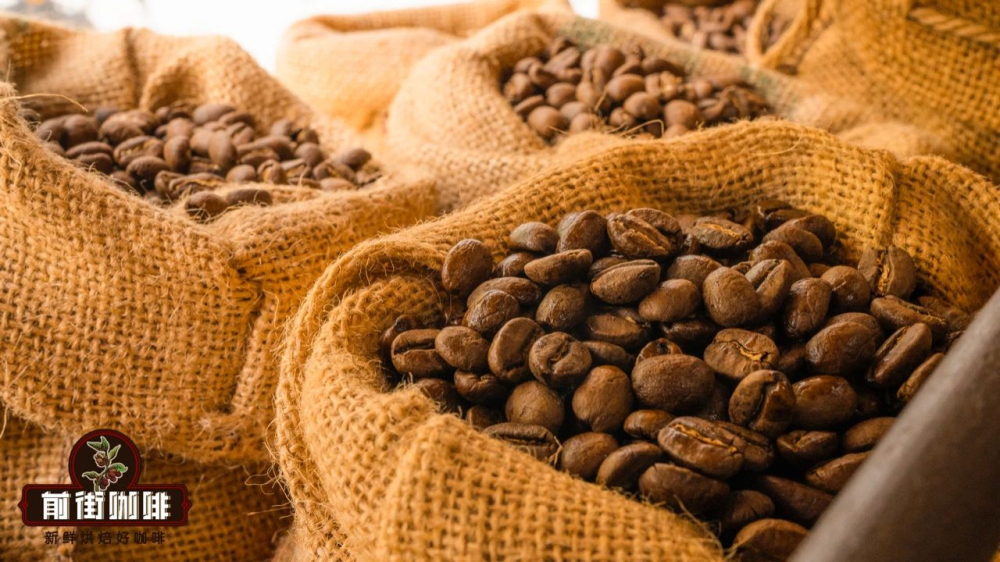
Why does the surface of coffee beans become glossy with oil? Front Street has noticed that friends new to coffee often have questions like these:
"Why does my newly bought coffee beans feel damp on the surface?"
"The beans are already oily—have they been sitting too long?"
"They're so shiny and oily—could they have gone bad?"
In fact, the "oil" seeping out on the surface of coffee beans is ultimately the water-soluble fat inside the beans.
In unroasted green beans, the internal structure is tightly packed, and the oils are trapped within the fiber matrix. Once roasting begins, the roaster transfers a large amount of heat energy to the coffee beans. The bean structure expands continuously under the heat, and the pores on the original green bean cell walls are stretched wider, allowing them to hold a large amount of carbon dioxide. The darker the roast, the more pronounced this change becomes. When roasting ends and the coffee beans return to a normal-temperature, normal-pressure environment, this carbon dioxide begins to release slowly, while also carrying fats to the surface of the beans, where they cling.
Differences caused by roast level
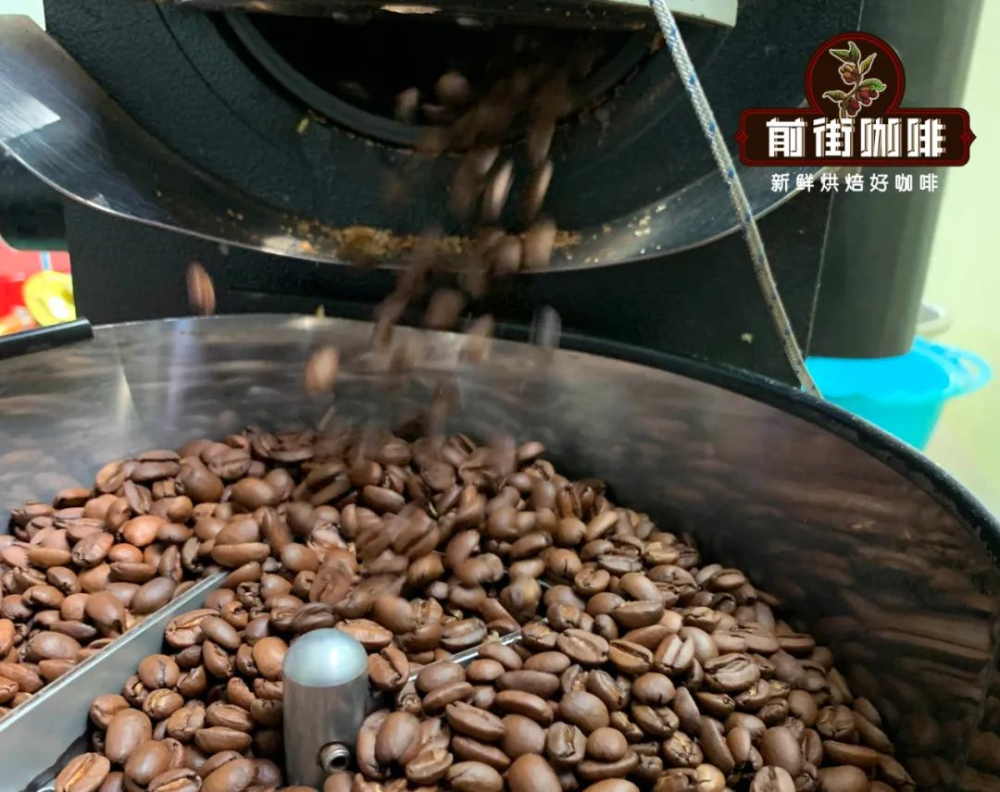
Oiliness usually appears on dark roast coffee beans and above, roughly around second crack, when oils slowly seep to the surface along with gases. Freshly roasted dark roast beans have a thin sheen of oil on the surface. By the next day, carbon dioxide release accelerates, and roasting aromas such as caramel and dark chocolate are also released.
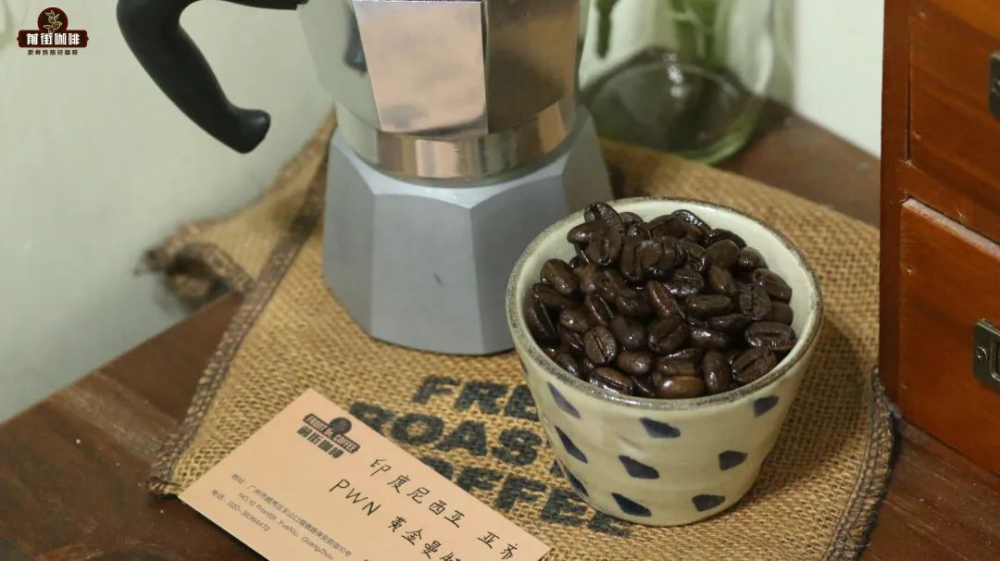
Take medium-dark roast beans for example, such as Front Street Indonesia Golden Mandheling coffee beans. They develop an oily sheen after 3–5 days of resting, which is normal. During the peak flavor stage, some coffee beans around 5–7 days after roasting will show dotted oil droplets on the surface. This is caused by uneven heating and localized dehydration, and these dotted oils happen to indicate that the coffee is at its optimal flavor period.
Therefore, oiliness is only one reference for judging how dark a coffee bean is roasted, and it has no necessary connection to whether the coffee is fresh. If it is an extremely dark roast "Japanese-style dark roast coffee," it begins to oil on the very first day after roasting and being put into the packaging bag, and the coffee beans quickly take on a dark, glossy appearance.
What are the signs that coffee beans have absorbed moisture?
If coffee beans have absorbed moisture, their surface generally will not look "wet," and it is difficult to judge directly with the naked eye whether roasted beans have absorbed moisture. However, it can be identified through signs the coffee shows during brewing.
Freshly roasted coffee beans have extremely low moisture content, about 1–2%. Once stored in a humid environment, coffee beans will absorb water like a desiccant, causing moisture content to rise and leading to deterioration and mold. Common signs include: stalling during grinding, clumping of coffee grounds, loss of aroma, and a moldy smell.
How can you tell whether coffee beans are fresh?
The most common coffee bean packaging—one-way degassing valve sealed bags and vacuum-sealed containers—can isolate coffee beans from water molecules in the air, and the carbon dioxide released by the coffee beans themselves acts as a protective gas, enveloping the beans and slowing the rate at which flavor dissipates. Once the packaging is opened, the oils react with moisture in the air through oxidation, accelerating the aging of the coffee beans.
After some medium-light roast coffee beans have been left for a period of time, a layer of oil floats up across the entire surface of the beans, and they smell weakly aromatic with a slightly greasy odor. This indicates that a large portion of the flavor has already been lost, and they need to be consumed as soon as possible.
Freshness is shown most directly during extraction. For example, if the coffee bed does not expand at all during blooming, it means the gases inside the coffee beans have already been fully released; if no aroma is released throughout the entire extraction process, the taste is hollow, and it drinks with a woody fiber flavor.
The main factors affecting coffee bean freshness are oxygen, moisture, light, and heat. Therefore, to properly store coffee beans, you need to keep them unground, sealed, away from light, away from moisture, and at low temperature. Even if all these conditions are met, the flavor of coffee beans will still gradually dissipate over time, so rather than storing them long term, Front Street still recommends enjoying them as soon as possible within the peak flavor period.
The above content is compiled by CoffeeHunters, a coffee news website.


