







Coffee beans develop an oily sheen on their surface—does that mean they are no longer fresh enough? And why is the golden, dense foam on top of an espresso sometimes thin or even absent? These two common questions actually point to the same core issue: the roast level of the coffee beans and the release of carbon dioxide. This article will take an in-depth look at the science behind oil appearing on dark-roasted beans, explaining that the amount of oil is unrelated to quality and depends more on roast depth and varietal differences. It will also systematically explain the criteria for judging Crema on the surface of espresso, its visual and taste value, and the key steps from bean selection, roast level, and peak flavor period to extraction equipment and parameters, helping you consistently achieve a rich layer of crema. The article also recommends two Front Street Coffee espresso blends for reference in both cafe and home preparation.
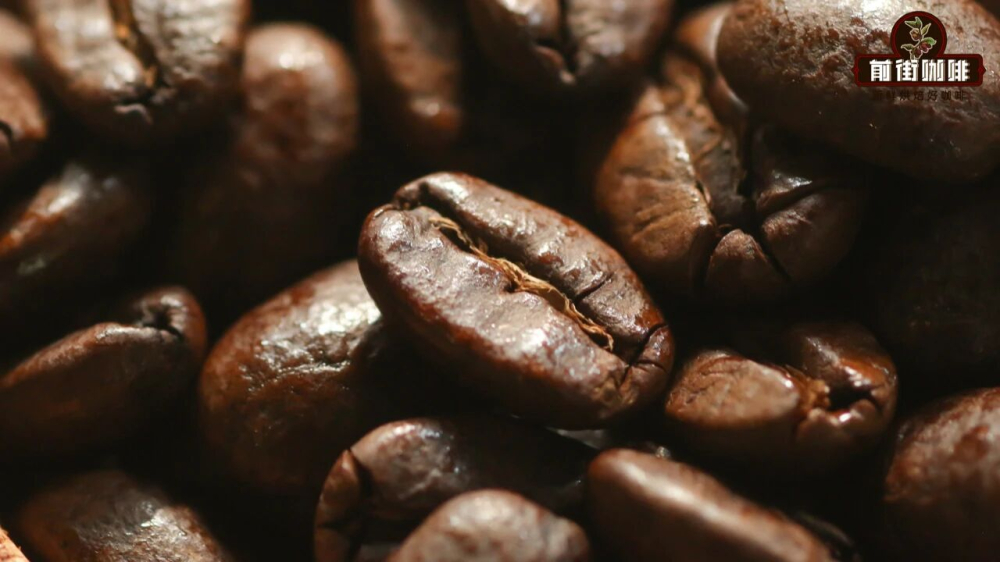
Generally speaking, the darker the roast, the greater the total amount of carbon dioxide accumulated inside the coffee beans. The process by which coffee beans release oils is also inextricably linked to the release of carbon dioxide.
Freshly roasted dark-roasted beans often look dry on the surface, and after about two weeks, a faint oily sheen begins to appear; then, around the second to fifth day after roasting ends, the bean surface will noticeably "sweat oil." The reason is that the lipids contained in the coffee beans themselves, under prolonged high-temperature roasting, cause an imbalance between water and oil due to a relatively high dehydration rate; in addition, a large amount of carbon dioxide is released outward after roasting, pushing the oils to the surface along with it.
Therefore, oil seeping onto the surface of dark-roasted beans during storage is a normal physical phenomenon. This also shows that the primary factor determining whether oil appears is the degree of roasting, not whether the coffee beans are good or bad in quality. Of course, the amount of oil is also related to the coffee variety; for example, Robusta contains more lipids than Arabica.
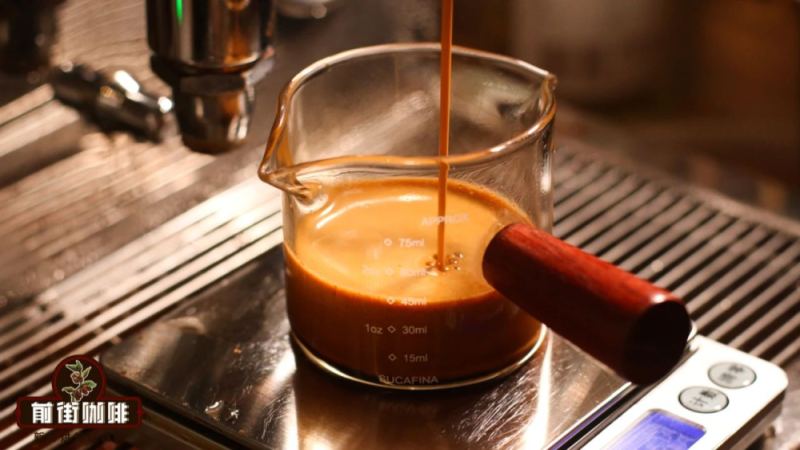
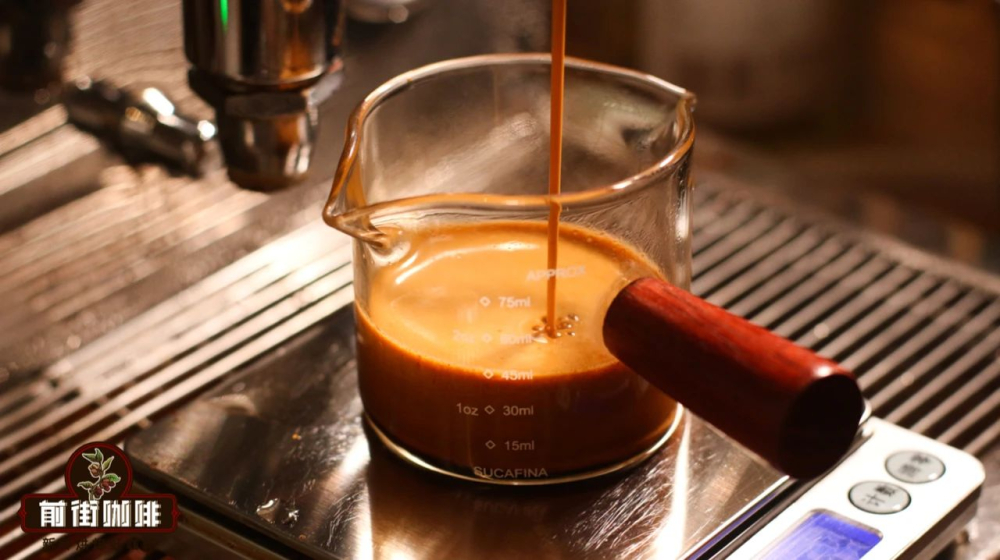
In addition to the oil seeping from the bean surface, the layer of foam on top of espresso is also often called "oil," and it has another name: Crema.
Ideal Crema is golden in color, fine in texture, and even in tone. When gently swirled, it is as smooth as cream, with a clear cling to the cup wall. It not only improves the visual appeal of espresso, but also increases the thickness of the mouthfeel and the layers of aroma when tasting, and helps protect the coffee's flavor; when making hot milk coffee, this layer of crema also helps with integration during latte art and with supporting the pattern. Perhaps that is why people spare no effort in pursuing a perfect Espresso.
To obtain a rich Crema is actually not complicated. When choosing coffee beans, priority should be given to beans with a strong, heavy oily body and sufficient carbon dioxide content, preferably medium-dark roasted beans within their peak flavor period (7–45 days), or fresh espresso blend beans containing a certain proportion of Robusta.
First, consider Front Street Coffee. Commercial Espresso Blend, which is composed of Colombia, Brazil, and Robusta. It has a rich aroma, full-bodied crema, and a mellow taste, making it suitable for coffee shops that want stable output.
If you are still inexperienced in making coffee but still want to produce beautiful crema, you can directly choose Front Street Coffee. Front Street Classic Espresso Blend. This coffee combines Indonesian Mandheling and Brazilian espresso beans. It has both the wild aroma of Mandheling and the smooth mouthfeel of Brazilian beans, forming a complementary and harmonious flavor profile. Front Street Classic Espresso Blend adds Robusta to the Mamba recipe, greatly enhancing the coffee's crema performance and making the body of the espresso more solid. It is suitable for home preparation and for latte art in lattes.
After choosing the right coffee beans, you also need to combine fresh grinding, stable high temperature, sufficiently high extraction pressure, and reasonable extraction parameters. Only when these key conditions are met can you get an Espresso rich in dense crema. Overall, the fresher the beans, the darker the roast, and the greater and more stable the equipment pressure, the better the coffee crema performance will be.
The above content is compiled by CoffeeHunters, a coffee news website.


