







Why Do Coffee Tree Beans Cause Flying, Sticking Grounds?
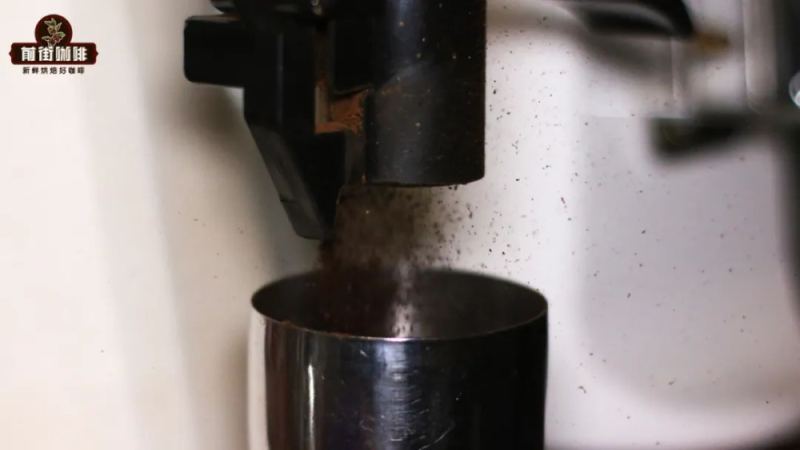
Grounds fly out and cling to the cup or discharge chute for two common reasons: oils from dark-roasted coffee tree beans, and static electricity in dry air. Dark roasts have a loose structure, and as carbon dioxide escapes, oils seep to the surface and make particles stick to the cup walls. Static sends fine particles to the chute, cutting the amount of grounds you actually recover.
Light roasts rarely cause this sticking, which points to oils as a main culprit. Many small electric grinders and hand grinders lack anti-static plates, so retention and scatter persist. Stirring the beans with a wet spoon before grinding is a simple anti-static step, though it carries its own risks and needs care.
When grinding coffee beans, have you ever encountered coffee grounds splattering everywhere or sticking to the grounds cup or the discharge chute? There are usually two reasons behind this: the oils seeping out of dark-roasted beans, and static electricity in a dry environment. Dark-roasted beans have a loose structure, and as carbon dioxide is released, oils seep out along with it, making the ground particles prone to clinging to the walls of the cup; static electricity, on the other hand, causes fine particles to stick to the grinder's discharge chute, reducing the actual amount of grounds you get. Some newer electric grinders are equipped with anti-static plates, but many small electric grinders and hand grinders do not have this design. The Little Fuji grinder that Front Street Coffee used for a long time had persistent problems with flying grounds and grounds retention, and the bottom of the hand grinder's burr also often ended up covered in coffee grounds. In addition to analyzing the causes, this article will also share a simple anti-static method of stirring coffee beans with a wet spoon, and remind you of the risks and precautions involved, to help you reduce waste and improve your grinding experience.
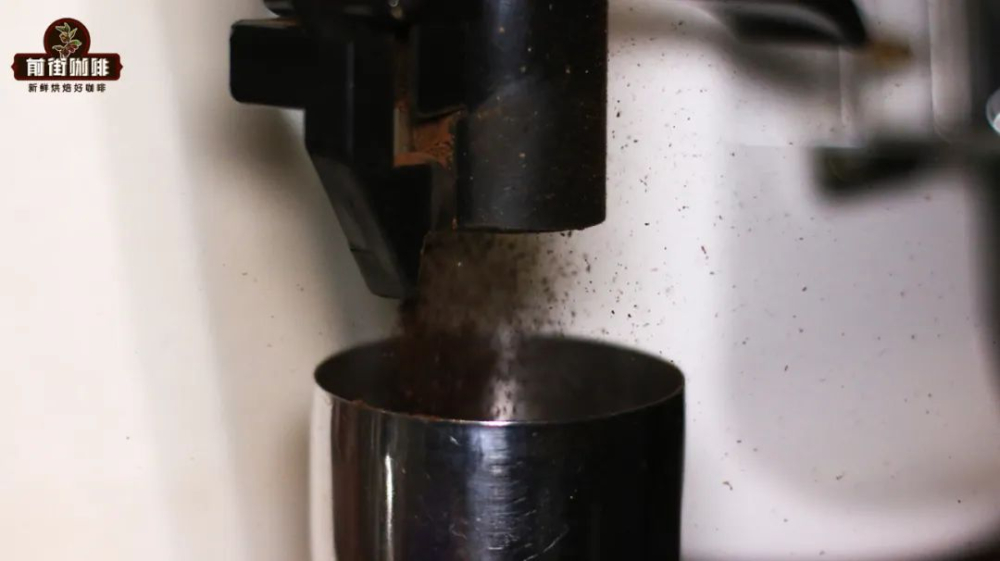
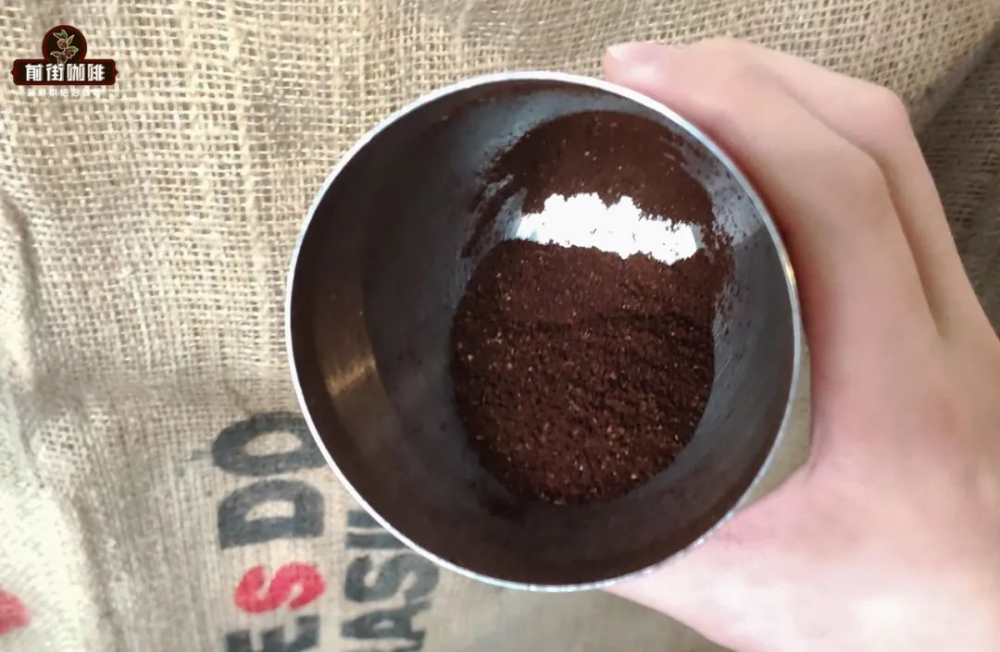
Let's start with the simple part and talk about the oil issue first, since this situation is very common with dark-roasted coffee grounds. After grinding dark-roasted coffee beans, quite a lot of grounds cling firmly to the inner wall of the grounds cup, and no amount of tapping will shake them off. But switch to grinding light-roasted beans, and this sticking problem doesn't happen at all, so it's safe to conclude that coffee oils are the culprit.
After roasting, dark-roasted coffee beans expand noticeably in volume, and their internal structure becomes relatively loose. As carbon dioxide is continuously released, oils gradually seep onto the surface of the beans. So the beans look a little "wet," and some people mistakenly think that's moisture, assuming the beans have gotten damp—when in fact it's the oils seeping out of dark-roasted beans. And once these oil-coated dark-roasted beans are ground into powder, some of the grounds stick to the edge of the grounds cup along with the oils, and it's hard to pour them all out just by shaking or tapping. A fairly simple fix is: after catching the coffee grounds in the cup, take a small spoon or a stick and gently scrape around the inside of the cup, and the grounds stuck to the wall will come loose. The second cause is static electricity. The drier the environment, the more easily coffee grounds generate static. If the grounds container and the discharge chute are not in contact, coffee grounds can easily fly out of the discharge chute—what's commonly called the flying grounds phenomenon—and at the same time a large amount of grounds will stick to the discharge chute and the rim of the container. So sometimes you'll find that the weight of the grounds you grind is less than expected, precisely because the grounds have been attracted by static to the grinder's discharge chute.
Some newer electric grinders are equipped with anti-static plates, which can effectively reduce flying grounds and sticking. But most small electric grinders and hand grinders don't have this device—for example, the Little Fuji that Front Street used before had persistent problems with flying grounds and grounds retention; and after a hand grinder finishes grinding, the bottom of the burr also ends up covered in coffee grounds. If you're running into similar issues when grinding now, you can try this simple method: dip a small spoon or stick in a little water, wait until the spoon stays moist but no water droplets drip off, then use it to stir the coffee beans, and afterward put the beans into the grinder to grind. This can effectively reduce the buildup of static electricity.
Of course, this method carries some risk. For instance, if you accidentally use too much water, it can easily cause the coffee grounds to clump and become damp, and over time it can even make the burr rust. So Front Street recommends using it only when the weather is very dry and static is likely, and controlling the amount of water properly—as long as the spoon used for stirring doesn't form water droplets, almost no problems will occur.
The above content is compiled by CoffeeHunters, a coffee news website.


