







Search Results for: calorie labels
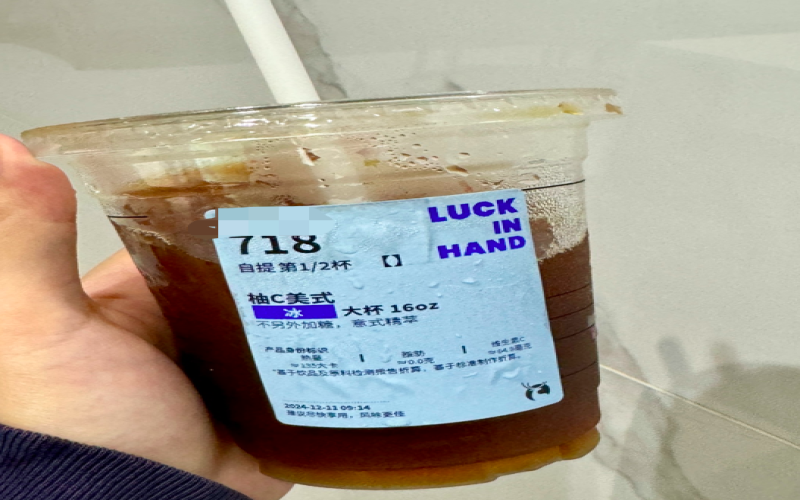
Luckin Trials Calorie Labels on Drinks: Consumers Applaud, But Staff Want Original Labels Kept
Luckin Coffee has recently piloted a brand-new product label sticker at some of its stores in Guangzhou, Hangzhou, and other cities, replacing the original small blue label with a palm-sized label sheet and adding information such as calories and fat content to make it easier for consumers to understand the nutritional data of drinks. This change aligns with the current trend in the tea beverage industry of giving drinks a "product ID" and has won recognition from many users. However, Luckin employees are quite unhappy about it, arguing that the large label does not show the order notes they need most and instead slows down order fulfillment efficiency. This controversy over the label stickers reflects the difficult balancing act brands face between consumer demand and frontline operational efficiency. [more…]
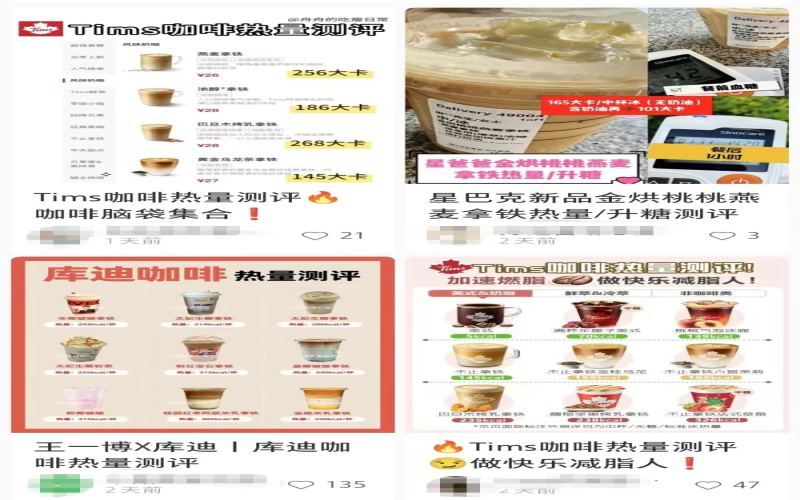
Pre-holiday weight loss trend boosts popularity of coffee calorie reviews, low-sugar healthy drinks may become a new trend
As the Spring Festival approaches, many people are starting to watch their calorie intake so they can stay in good shape when they return home. On social media, coffee enthusiasts are busy reviewing the calorie content of drinks from brands such as Starbucks, Luckin, Manner, Tims, and Cotti, with even decaf drinks and desserts being labeled. Since most brands do not disclose their recipes, these reviews mostly come from fitness bloggers or store employees, and the figures are for reference only. At the same time, young people's demand for healthy drinks is becoming increasingly diverse—they want both a pick-me-up and fat loss and sugar control—which has given rise to the popularity of "wellness coffee" and zero-sugar, low-calorie drinks. Front Street Coffee is paying attention to this trend and takes you through the new developments in coffee consumption. [more…]
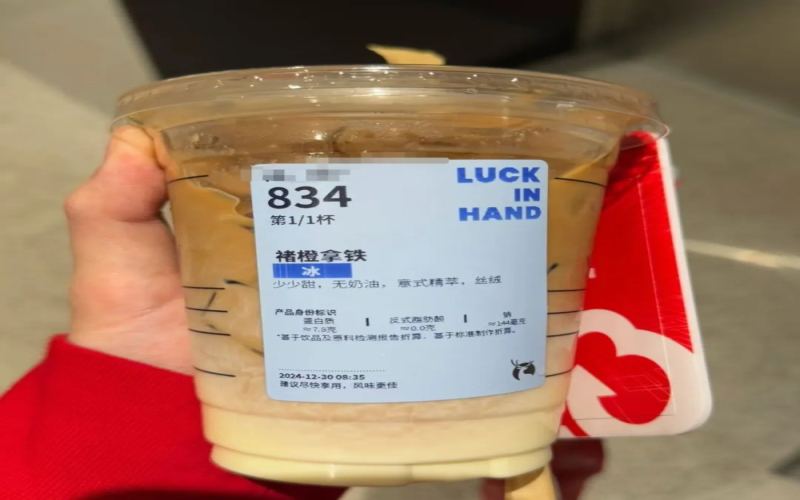
Luckin Employee Exposé on Additives in Flavored Drinks: Inside the Chain Coffee Syrup Mixing Scandal Sparking Heated Debate
Nowadays, more and more young consumers carefully study drink recipes and calorie data before placing an order, and brands have followed suit by introducing health labels that indicate caffeine, calories, and other information. Luckin recently joined this trend, but what seemed like a thoughtful move triggered an uproar after an internal employee's expose. The employee pointed directly at flavored lattes containing syrup, saying they contain large amounts of additives, and even advised health-conscious customers to avoid such products as much as possible. Once the post appeared, many Luckin workers chimed in, and consumers began to re-examine the cup of flavored coffee in their hands. What industry truth is hidden behind this? Should chain brands' syrups and modified milk really be viewed with caution? [more…]
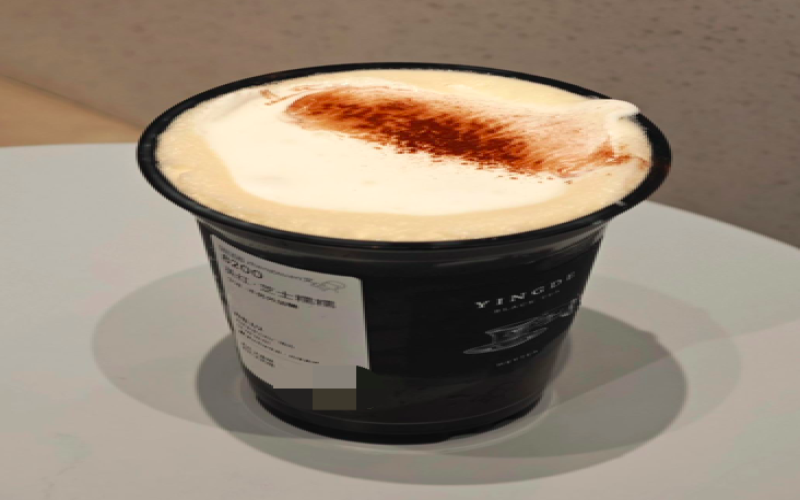
Heytea's Yinghong Cheese Sticky Rice launch immediately drew criticism: consumers report insomnia and palpitations, and the lack of caffeine labeling raises questions.
Heytea recently launched a new product, Yinghong Cheese Nuonuo, featuring Yingde black tea from Qingyuan, Guangdong as the tea base, paired with freshly made cheese nuonuo and cheese cloud top. Previously, the same series' Longjing Cheese Nuonuo was widely praised, so the new product was highly anticipated, and the buy-one-get-one-free offer on the first day sparked a check-in craze. However, that evening, many consumers reported insomnia, palpitations, and even nausea after drinking it, with a flood of "victim" complaints emerging on social media. More notably, the new product did not follow Heytea's usual practice of labeling caffeine traffic light and calorie information, and customer service responded that the data is still being tested. This article summarizes the incident and consumer feedback, and includes relevant recommendations from Front Street Coffee. [more…]
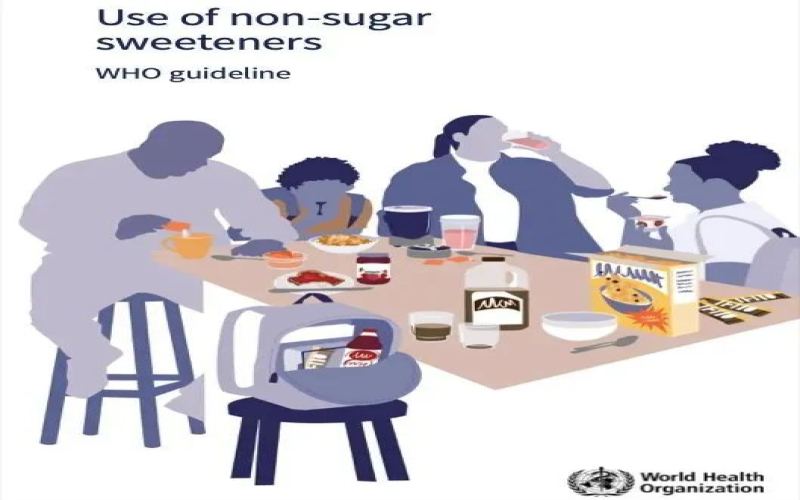
Latest WHO Guideline: Non-Sugar Sweeteners Are Not a Healthy Choice—Long-Term Intake May Increase Obesity and Diabetes Risk
In recent years, zero-calorie sugar substitute products have been marketed with a health halo, becoming highly sought after by consumers who want sweetness without the calories. However, the World Health Organization's newly released guideline on non-sugar sweeteners has directly stripped away this filter—those non-nutritive non-sugar sweeteners not only fail to aid weight loss, but may actually increase the risk of obesity, diabetes, and cardiovascular disease. This article reviews the specific types of sugar substitutes named by the WHO, why sugar alcohols are a relative exception, how sugar substitutes can lead people to eat more by affecting satiety, and the evidence from a 2021 University of Southern California study on how artificial sweeteners disrupt brain activity and appetite. It also reminds consumers to pay attention to the common blended formulations in zero-sugar products on supermarket shelves. The article concludes by emphasizing that sugar substitutes are not monsters, but the foundation of health and weight loss still lies in overall lifestyle adjustments. [more…]
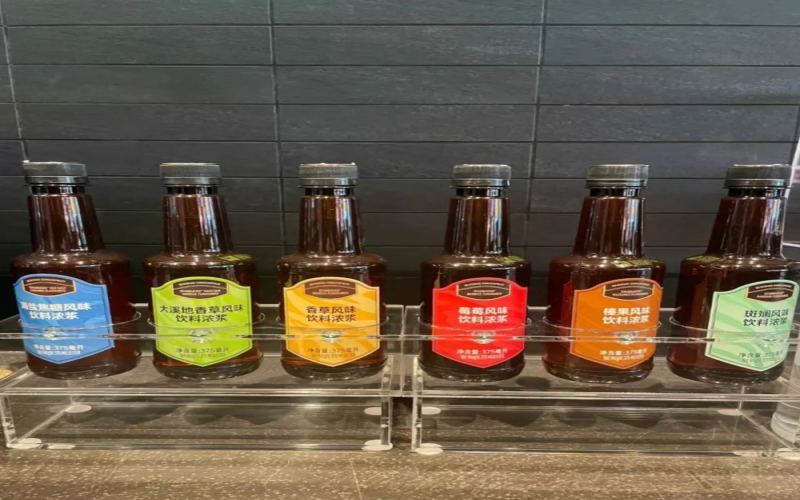
Starbucks' revised sweetness standards in its ordering system spark heated debate: consumers and baristas alike say they're not used to it
Recently, Starbucks has rolled out a major syrup reform in China, splitting flavored syrups into two parts: flavor and syrup, so that customers can separately choose flavor concentrates and sweetness levels. The new rules appear to meet the needs of sugar-conscious consumers, but after launch they triggered a wave of complaints: the old version's function of freely adjusting syrup by number of pumps was canceled, replaced by three major categories—classic sugar, zero-calorie sweetener, and no added sugar—along with two sub-options: less sweet and standard sweet. Customers accustomed to ordering by number of pumps are saying they no longer know how to order, and baristas are also getting headaches from the complicated labels. What exactly are the inconveniences brought by this revamp? What is the real feedback from users and baristas? This article takes you through it. [more…]

Is Yirgacheffe Americano High in Calories? Flavor Profile and Fat-Loss Effect Explained
Americano is an indispensable pick-me-up for many office workers, and some also use it as a means to aid fat loss. But even among Americanos, some taste sweet and smooth, while others are burnt and bitter—where exactly does the difference lie? This article starts with the origins of Americano, analyzes how coffee bean quality and espresso extraction affect flavor, and uses a blend featuring Yirgacheffe as an example to illustrate a café's approach to crafting the drink. It also provides calorie data for Americano and objectively assesses the actual role it can play in fat loss, helping coffee lovers view this everyday beverage more rationally. [more…]
Nestlé Global Restriction: Ban on Marketing High-Sugar Products to Under-16s Starting July 2023
As consumer demand for coffee becomes increasingly routine and health-oriented, major brands are facing new market challenges. Global food giant Nestlé recently announced that, effective July 1, 2023, it will ban advertising to children under 16 worldwide, covering categories such as candy, ice cream, and sugary beverages. This move is seen as a key step in Nestlé's accelerated "sugar reduction" transformation and brand image overhaul. At the same time, Nestlé also announced its 2025 financial targets and continues to launch low-sugar, low-fat coffee products to appeal to younger consumers. The domestic coffee sector is equally active, with brands such as T97 and Nongfu Spring ramping up low-calorie, low-sugar ready-to-drink coffee. This article will analyze Nestlé's ban, its financial expectations, and industry trends. [more…]
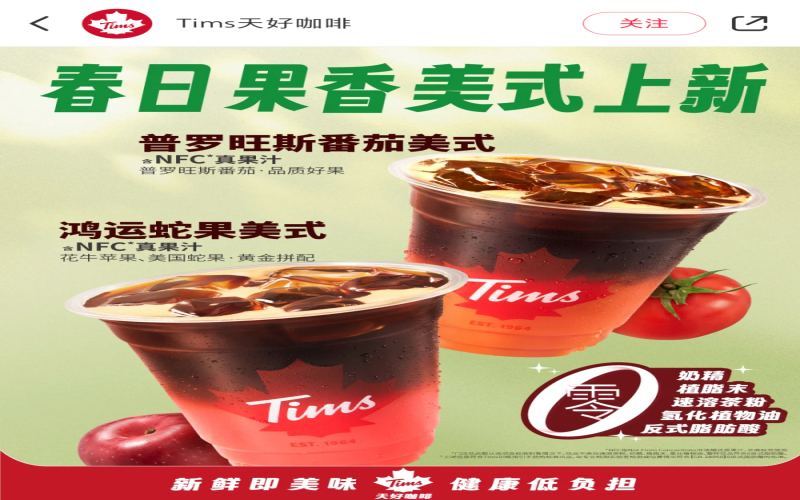
Tims Tomato Americano Sparks Heated Debate: Employees Break Down During Taste Test, Consumer Reviews Polarized
Right after the Spring Festival holiday, Tims couldn't wait to launch two new spring drinks—Lucky Snake Fruit Americano and Provence Tomato Americano—promoting a healthy路线 of 0 fat, low calories, and real fruit juice. Among them, the tomato Americano quickly went viral for its bizarre pairing, but it also sparked polarized reviews on social media. Some found the taste so strange it was hard to swallow, with even employees saying they were崩溃 when taste-testing it; others were full of curiosity about the tomato flavor. Is this new product a bold innovation, or just another dark cuisine? Let's take a look at everyone's real feedback. [more…]

Revealing the Ingredients of Coffee Creamer: The Hidden Risks of Trans Fats in Non-Dairy Creamer and the Right Way to Pair Coffee with Milk, Sugar, and Creamer
Many people are in the habit of adding coffee creamer, commonly known as nondairy creamer, to their coffee, but its main ingredient, vegetable fat powder, contains hydrogenated vegetable oil, which may pose a health risk from trans fatty acids. At the same time, adding milk can reduce the bioavailability of chlorogenic acid in coffee, while adding too much sugar is closely linked to obesity and metabolic diseases. So how exactly should coffee be drunk to be healthier? Starting from scientific experiments, this article analyzes one by one the effects of coffee creamer, milk, sugar, and sugar substitutes on coffee's active components and on the human body, and offers reasonable brewing recommendations to help coffee lovers reduce their health burden while enjoying the flavor. [more…]
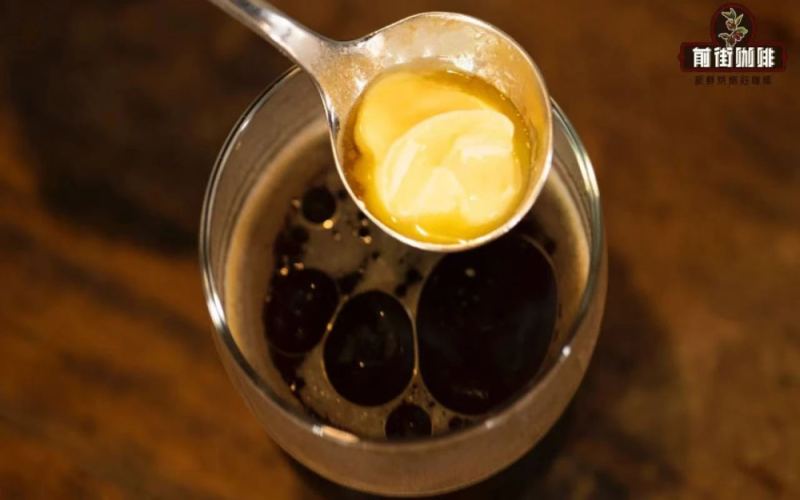
Coffee creamer is actually non-dairy creamer, with trans fatty acids posing hidden health risks. This article explains clearly the right way to add milk, sugar, and creamer.
Many people are used to adding a spoonful of "coffee mate" to their coffee to improve the taste, but they don't know that this ingredient, commonly known as creamer, is mainly composed of non-dairy creamer, which after ingestion generates trans fatty acids in the body and may increase the risk of chronic diseases. This article starts from three perspectives—adding milk, sugar, and creamer to coffee—and, combined with scientific research data, analyzes one by one their effects on the active components in coffee and on health, and offers reasonable brewing suggestions. Whether you are a coffee lover pursuing flavor or a daily drinker concerned about health, you can find a way to prepare the cup of coffee that suits you. [more…]

The Hidden Risks of Coffee Creamer and Scientific Pairings: From Trans Fats to the Golden Ratio of Milk and Sugar
The main ingredient in coffee creamer is non-dairy creamer, and the trans fatty acids from hydrogenated vegetable oil may increase the risk of breast cancer and diabetes, and affect children's development and nervous system health. So how exactly should coffee be drunk to be healthy? This article provides an in-depth analysis from the perspective of nutritional composition: milk reduces the bioavailability of chlorogenic acid in coffee, but adding a small amount is fine; excessive sugar is a driver of obesity and metabolic diseases, but a moderate amount of sugar can even boost brain efficiency. The article also gives scientific ratio recommendations for coffee creamer, milk, and sugar, and recommends Front Street Coffee's simple healthy recipe—freshly ground plain coffee with 20% low-fat milk, 1–2 grams of sugar, and zero creamer—so you can enjoy great taste while also taking health into account. [more…]
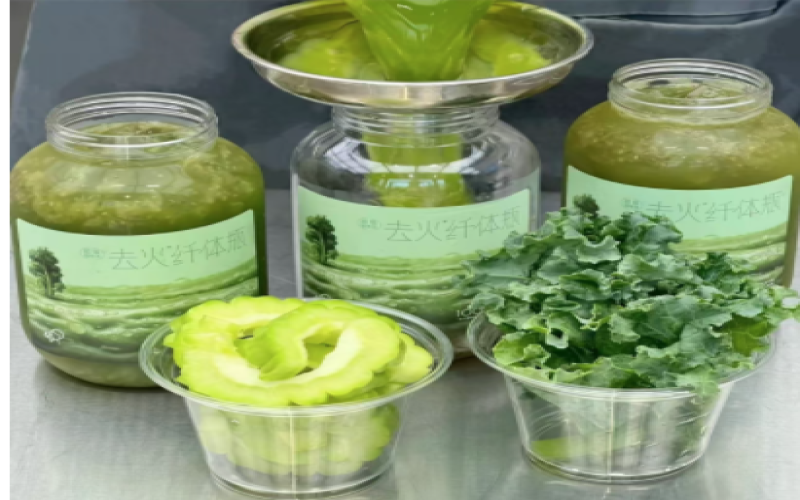
Heytea launches a "fire-reducing slimming bottle," and store employees are overwhelmed by endless fruit cutting.
Heytea recently launched the "Fire-Clearing · Slimming Bottle," the second product in its "Super Plant Tea" series, featuring kale and bitter melon as the core ingredients, paired with apple, lemon water, tea infusion, and white pomelo pieces. The official emphasis is on 100% fresh ingredients freshly squeezed, with no added concentrated juice, and only about 100 calories. Just one day after its launch, the new product was sought after by young consumers, with many reporting that the bitter melon taste is not very noticeable and the drink is refreshing and easy to drink. However, the hot sales of this beverage have also brought enormous pressure to store employees, with the workload of apple washing and juicing surging, and back-of-house partners complaining endlessly. This article will take you through the features of this new product, consumer feedback, and the real situation behind the stores. [more…]
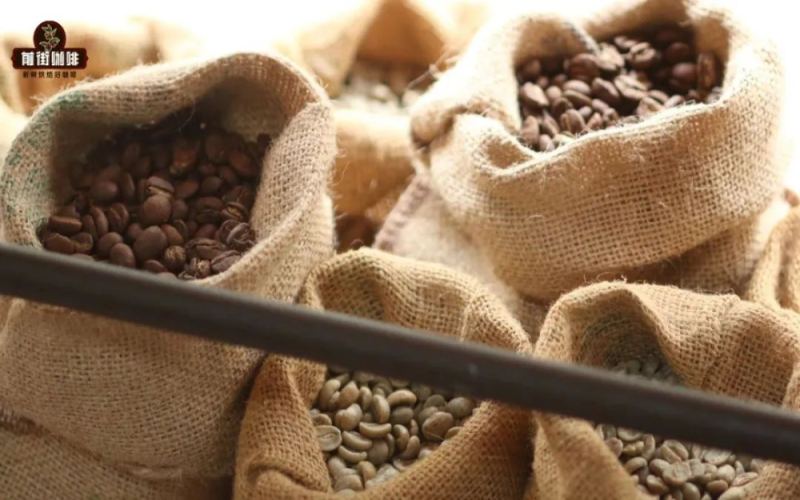
Do Arabica coffee beans belong to American-style black coffee, and how do they taste? Interpreting the benefits and risks of drinking coffee
On supermarket shelves or coffee shop menus, we often see labels like "100% Arabica," which seems to have become synonymous with high-quality coffee. So, are Arabica beans really American black coffee? And do they actually taste good? This article will start with the origins and growing conditions of coffee varieties to clarify the essential differences between Arabica and Robusta, and explain why the former is more favored. It will also discuss the positive effects of daily coffee consumption on the body and the points to note, and share several Arabica single-origin beans from Front Street Coffee that are suitable as everyday staples, helping you understand coffee while finding the cup that suits you. [more…]
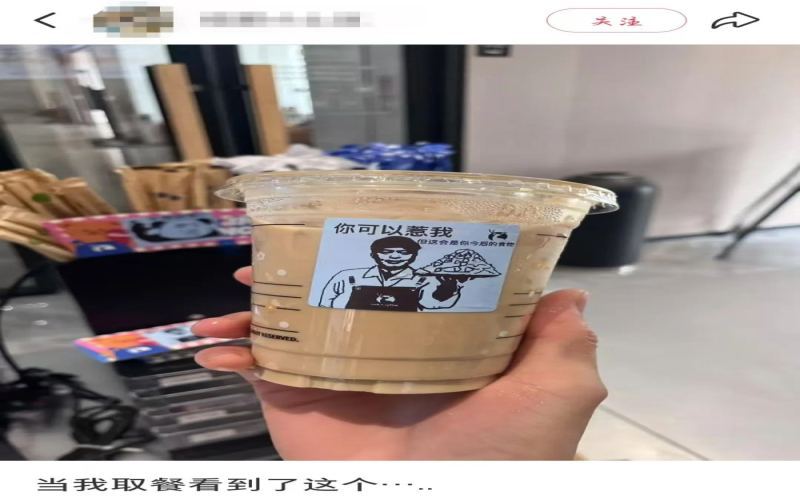
Luckin staff DIY meme labels go viral online, company urgently calls a halt: devices are only for printing order pickup codes
Recently, employees at some Luckin Coffee stores, while debugging new label printing devices, unexpectedly discovered that the machines could connect to mobile phones to print photo album images. They then began printing funny memes and custom designs on takeout cups and aprons, drawing attention and enthusiasm from netizens. However, the good times did not last long. Management quickly issued a ban, requiring the label machines to be used only for printing order codes and expiration date strips, and asked employees to delete related social media posts. This "abstract label" uproar sparked by a cup of coffee not only reveals the potential of personalized service but also reflects the tension between standardized brand management and employee creativity. Front Street Coffee breaks down the whole story for you. [more…]
A Complete Guide to Authenticating Jamaican Blue Mountain Coffee, Its Grading System, and Brewing Flavor Analysis
Blue Mountain coffee is hailed as the pinnacle of coffee, yet the market is flooded with both genuine and counterfeit beans, leaving many enthusiasts confused. This article begins with the certification system of the Jamaica Coffee Industry Board (CIB) and systematically outlines the legal growing region, authorized purchasing channels, grading standards, and historical quota story of Blue Mountain coffee, while also introducing the characteristics of its Typica variety. The article also shares in detail the brewing parameters and flavor performance of Front Street Jamaican Blue Mountain coffee, including dry aroma, wet aroma, mouthfeel layers, and specific recommendations for different extraction methods such as pour-over, French press, and AeroPress, helping readers gain a comprehensive understanding of the identification points and tasting methods for this legendary coffee. [more…]
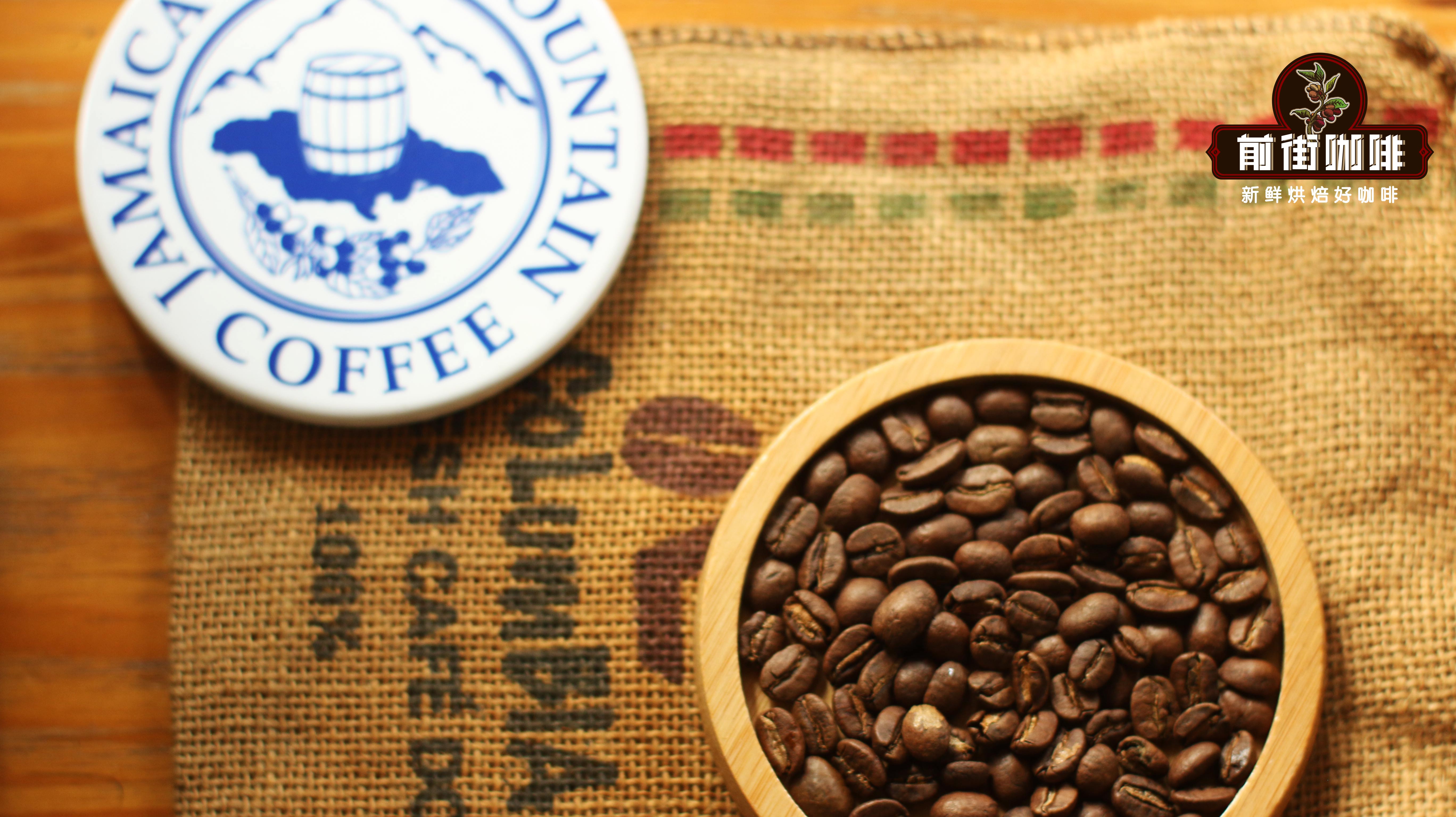
Why Is Jamaican Blue Mountain Coffee So Expensive? Unveiling Front Street Blue Mountain No. 1's Authentic Purchasing Channels and Brewing Techniques
When it comes to top-tier coffee, Blue Mountain is almost impossible to avoid. What gives it the right to be crowned "the world's best," and why has it long commanded such a high price? This article begins with the story of how Front Street Blue Mountain coffee rose to fame, traces the historical ties between Jamaican Blue Mountain and Japan's UCC, explains the official growing regions and green bean grading system defined by the CIB, and introduces you to what makes the genuine Blue Mountain No. 1 so good. At the same time, we'll also share Front Street's practical brewing parameters, tell you how to extract the best flavor from Blue Mountain coffee beans once you've bought them, and cover what benefits drinking black coffee daily actually offers your body. [more…]

Want Want Doubles Down on the Ready-to-Drink Coffee Track: Bond Launches New 3.5 Yuan Bottled Product—Can a Low-Price Strategy Break Through?
Want Want Group has made another move in the coffee sector, with its Bond brand launching bottled ready-to-drink coffee priced at just 3.5 yuan. From being the first to enter the ready-to-drink coffee market in 1998 to now attracting consumers with a low-price strategy, Want Want has continued to deepen its presence in the coffee arena. Against the backdrop of rapid post-pandemic growth in the coffee market and an endless stream of local brands, Bond Coffee is trying to carve out a place in the fiercely competitive market through strategies such as health-oriented positioning, convenience, and esports marketing. Front Street Coffee will also continue to follow these developments and bring coffee lovers more industry observations. [more…]
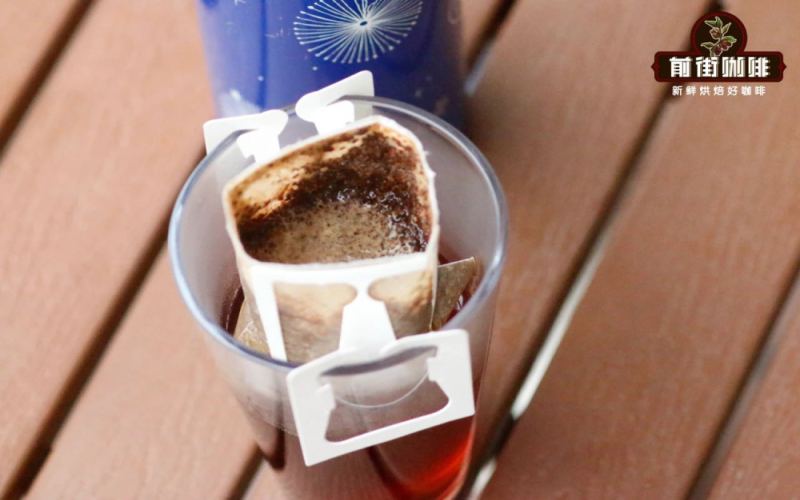
Does drip bag coffee count as black coffee? How to brew a 10g pack? Fat-loss and de-bloating benefits plus top ten specialty recommendations
Is drip bag coffee really considered black coffee? How much water should be used for one drip bag? Can long-term consumption of drip bag black coffee really help with fat loss and reducing puffiness? This article starts from the origins of drip bag coffee and takes you through its invention background and design ingenuity, analyzes the pros and cons of drip bags compared to pour-over, and recommends single-origin coffees from the Front Street Coffee bean list that are suitable for making into drip bags, categorized by three flavor types: fruity and refreshing, mellow and nutty, and rich and boozy. It also explains the standard portion of Front Street Coffee drip bags—10 grams per bag, yielding about 130–150ml of coffee liquid—as well as the importance of drinking in moderation, helping coffee lovers enjoy coffee freedom easily whether at the office, at home, or outdoors. [more…]
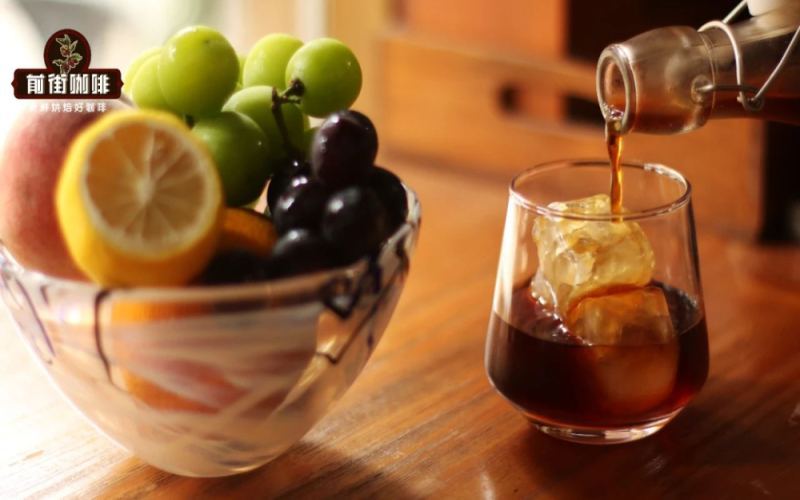
Ice Drip, Cold Brew, and Iced Pour-Over: A Full Analysis of the Flavor Differences and Coffee-to-Water Ratios of Three Low-Temperature Coffees
On a scorching summer day, a refreshing glass of iced coffee is undoubtedly a coffee lover's favorite. As representatives of low-temperature extraction, cold drip coffee and cold brew coffee have become stars among summer beverages, thanks to their crisp taste and rich flavor layers. At the same time, rapidly cooling hot pour-over coffee by adding ice is also a convenient option. Taking Front Street Coffee's practice as an example, this article will analyze in detail the historical origins and brewing process of cold drip coffee, compare the differences in extraction principles between cold brew and iced pour-over, and provide specific coffee-to-water ratios, grinding adjustment suggestions, and recommended bean types, helping you find the summer iced coffee solution that best suits your taste. [more…]