







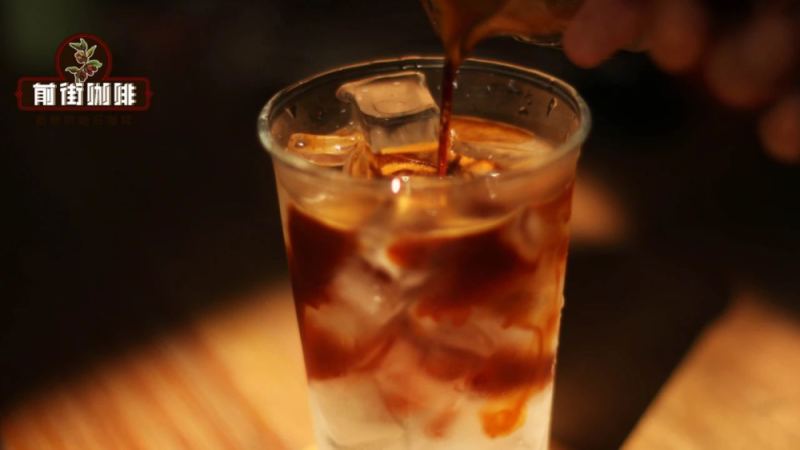
Is an Americano Caffe High in Calories or Not?
A plain americano caffe is espresso diluted with hot water, so it carries almost no calories on its own; the water adds nothing but dilution. Its flavor depends entirely on the espresso, which comes down to bean quality and the barista's extraction. Shops using a blend featuring Yirgacheffe tend to pour a sweeter, smoother cup.
The drink traces back to World War II, when U.S. troops stationed in Italy diluted strong espresso with water. Italian-American cafes later put it on regular menus. As for fat loss, black coffee can play a small supporting role, but it is not a weight-loss method, and added sugar, milk, or syrups change the calorie count entirely.
Americano is an essential pick-me-up for many office workers, and some also use it as a way to aid fat loss. But even among Americanos, some taste sweet and smooth, while others are burnt and bitter—so where exactly does the difference lie? This article starts with the origins of Americano, analyzes how coffee bean quality and espresso extraction affect flavor, and uses a blend featuring Yirgacheffe as an example to explain how cafés approach their offerings. It also provides calorie data for Americano and objectively assesses what it can actually do in the fat-loss process, helping coffee lovers view this everyday drink more rationally.
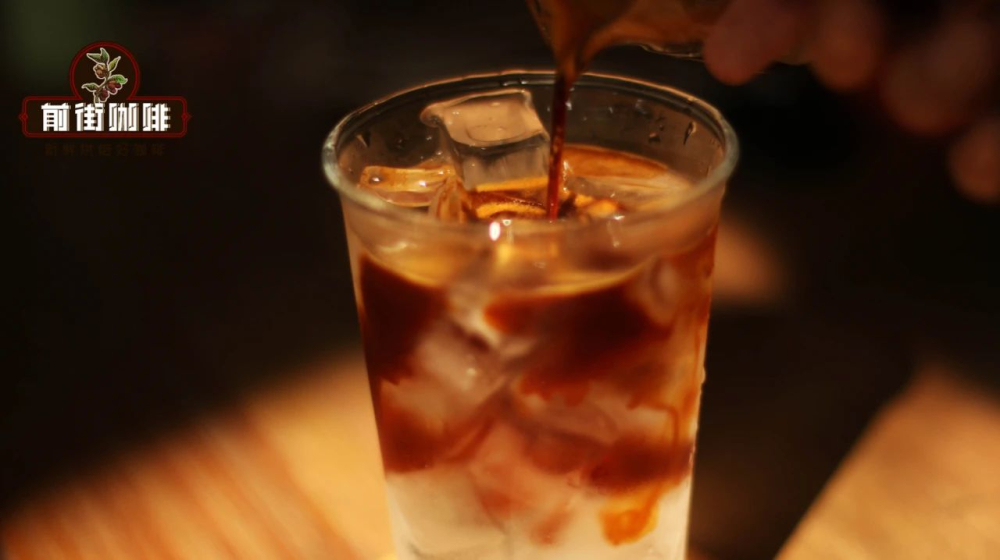
Among the many coffee drinks, Americano has a very high rate of appearance. A cup of dark black coffee is often used by office workers as a pick-me-up, and some also believe it has fat-burning and weight-loss effects. Front Street Coffee also lists Americano as one of the coffees it drinks most often day to day. Below, let's talk about every aspect of Americano.
What exactly is Americano?
Judging by the name, Americano is naturally related to Americans' drinking habits, and its original reference point was the strong coffee represented by Europe, especially Italy. Americans generally do not accept overly strong black coffee and are more accustomed to lighter coffee extracted by drip methods. In the later stages of World War II, when U.S. troops were stationed in Italy, because espresso was too strong, they diluted it with water before drinking. This practice was later incorporated into the espresso system and became the origin of Americano.
As waves of immigration advanced, Italian-Americans opened espresso cafés in the United States, and Americano—espresso with added water—gradually became a regular option on café menus.
The taste of Americano fundamentally depends on the coffee beans
Today, Americano is an almost essential offering at every café, but different shops vary noticeably: some are sweet and tasty, while others are burnt and bitter and hard to swallow. There are two main factors behind this contrast: one is the quality of the coffee beans themselves, and the other is the barista's extraction skill.
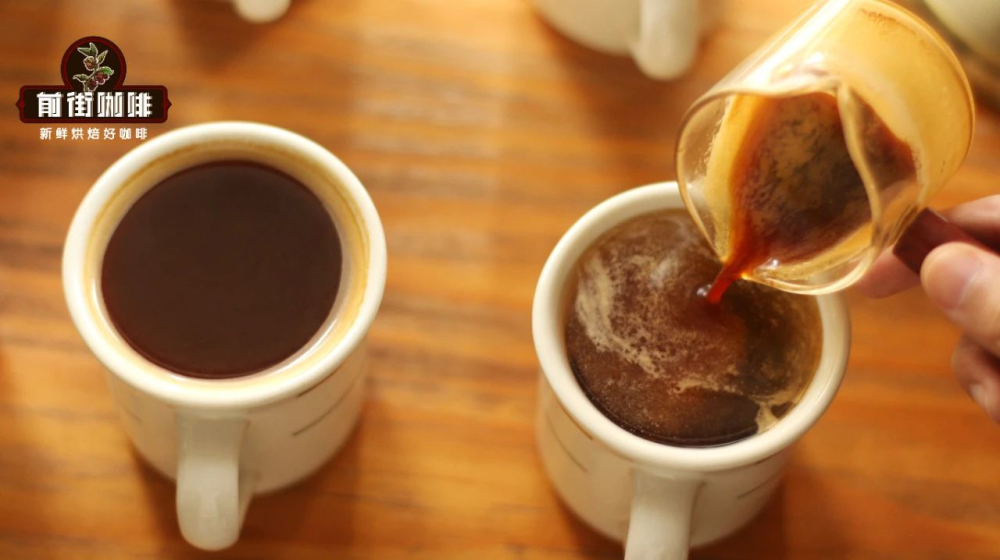
Today's Americano is made from espresso plus water. The water itself has no flavor and only serves to dilute, so the flavor level depends on the espresso, and the espresso's performance in turn comes down to two links: the coffee beans and the extraction.
If you search for espresso beans on an online shopping platform, you will see prices such as 38 yuan per kilogram and 169 yuan per 227 grams existing side by side. Both are labeled for espresso use, yet the price difference can reach 18 times. The latter is not necessarily 18 times better tasting, but its coffee bean quality is very likely better than the former. In recent years, many shops have promoted SOE Americano, one motive being to break the fixed impression that Americano is only burnt and bitter.
Of course, not all SOE represents high quality. Blends pursue stable flavor, balanced taste, and price advantages, while the only area where SOE can beat blends is flavor individuality. So when a shop is willing to launch SOE, it usually will not choose beans of poor quality. Espresso is like a magnifying glass—both strengths and weaknesses are magnified—so whether the coffee beans are good or bad directly determines whether a cup of Americano tastes good.
Another key point is espresso extraction. Whether one can consistently extract a delicious espresso is the touchstone for testing a barista's level. Good beans have greater room for error, while with poor-quality beans, even an experienced barista will find it hard to save the shot.
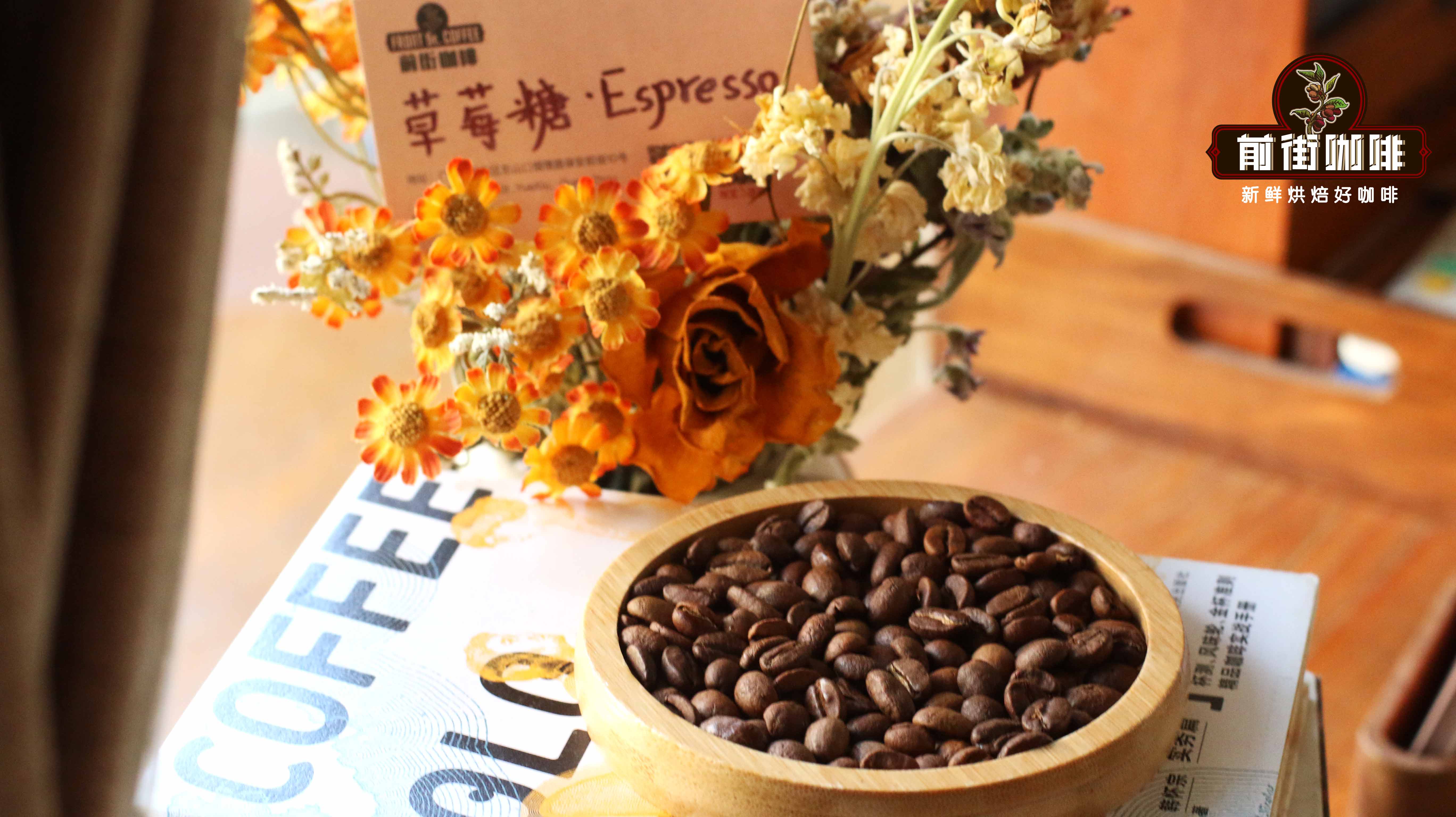
Take the FrontStreet Coffee store as an example. The espresso beans used are its own flagship Sunflower Warm Sun blend coffee beans, made from a blend of Yirgacheffe and Honduras coffee beans, with rich flavors of chocolate and vanilla cream. Front Street's espresso extraction plan set for this bean is: 20 grams of coffee grounds, extracting 40 grams of espresso liquid in 27 seconds.
Can Americano actually help with weight loss?
Saying it can help with weight loss is only half right. First, looking at calories, Americano is about 20 calories per 200 milliliters, so its own calorie content is not high, and drinking Americano will not directly cause weight gain. Coffee contains a certain amount of fat-dissolving factors that can help dissolve excess fat in the body, but note that this is only an effect, not a pronounced one.
The core of weight loss is still a balanced diet combined with moderate exercise. Relying solely on drinking Americano cannot achieve fat-loss goals. Drinking black coffee can bring a sense of fullness, thereby reducing intake of other high-calorie foods, which has a certain auxiliary significance for weight loss, but burning fat still mainly depends on exercise. At the same time, daily caffeine intake must be controlled, as excessive drinking may cause discomfort such as abdominal pain, diarrhea, dizziness, and fatigue.
So the conclusion is: Americano is helpful for fat loss, but it does not play a leading role.
For more specialty coffee knowledge, please follow: Front Street Coffee ( Frontsteet Coffee )
The above content is compiled by CoffeeHunters, a coffee news website.


