








Why Coffee Calorie Reviews Are Booming Before the Holiday
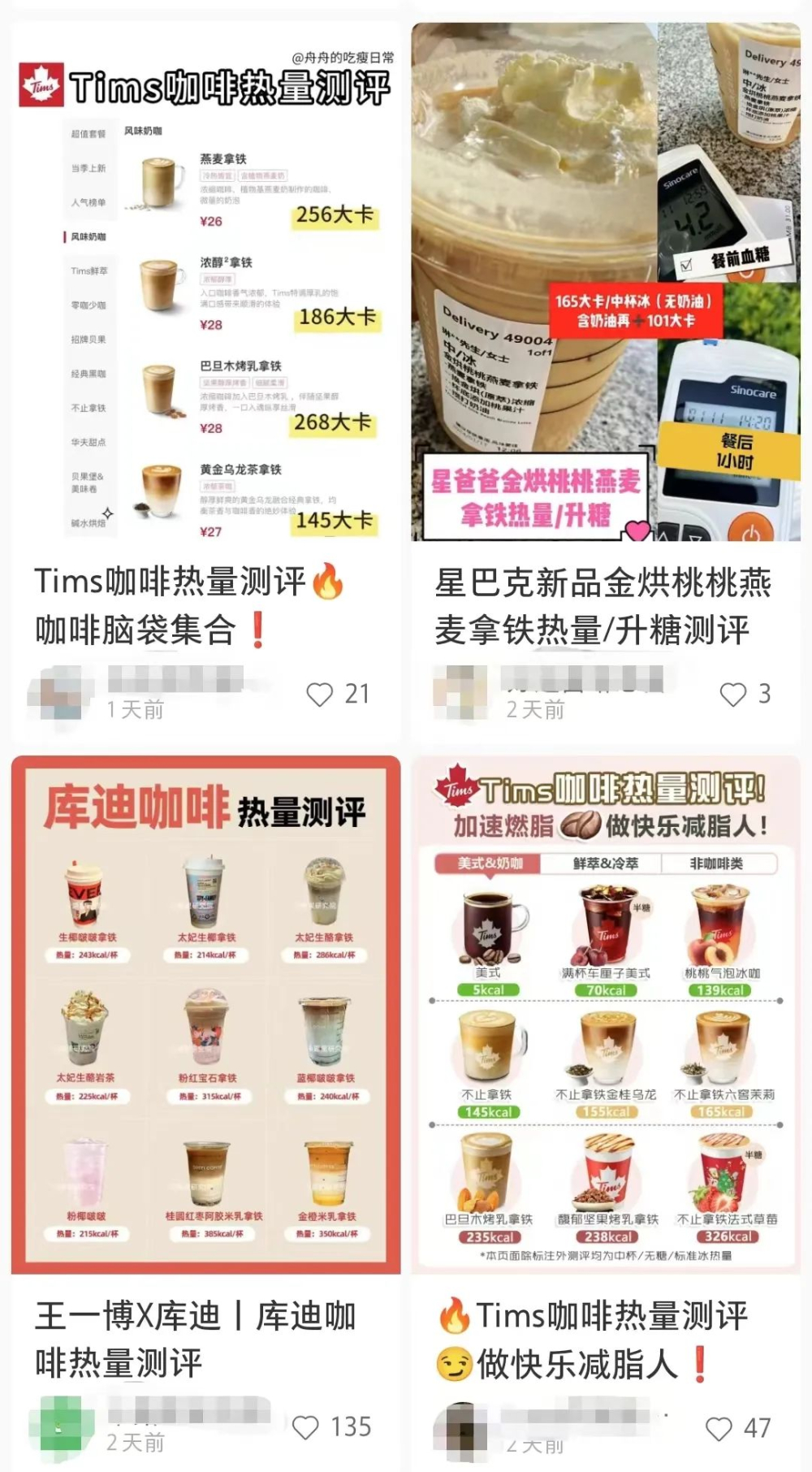
Ahead of the Spring Festival, coffee enthusiasts are posting calorie breakdowns of drinks from Starbucks, Luckin, Manner, Tims and Cotti on social platforms, with caffeine-free drinks and desserts also labeled. Most brands do not publish recipes, so the figures come from fitness bloggers or store employees and are reference only, not an authoritative calorie standard.
Demand for healthy drinks is widening: people want an energy boost alongside fat loss and sugar control, which has pushed wellness coffee and zero-sugar, low-calorie options into the spotlight. Confectionery and syrups are usually the calorie drivers in milk-based orders, while plain options such as an americano raise different questions, including whether it tastes bitter or sweet.
As the Spring Festival approaches, many people are starting to watch their calorie intake so they can stay in good shape when they return home. On social platforms, coffee enthusiasts are busy reviewing the calorie content of drinks from brands such as Starbucks, Luckin, Manner, Tims, and Cotti, and even caffeine-free drinks and desserts are being labeled. Because most brands do not disclose their recipes, these reviews mostly come from fitness bloggers or store employees, and the figures are for reference only. At the same time, young people's demand for healthy drinks is becoming increasingly diverse—they want both an energy boost and fat loss and sugar control—which has given rise to the popularity of "wellness coffee" and zero-sugar, low-calorie drinks. Front Street Coffee is following this trend and brings you the latest developments in coffee consumption.
▲
Click to follow | Daily specialty coffee culture magazine Coffee Workshop
With the Spring Festival approaching, the thought of returning home to gather with relatives and friends has made many people worry about being teased with "you seem to have gained weight," so they are rushing to lose weight and control their calorie intake before the holiday, all just to wear new clothes beautifully to welcome the New Year.
Against this backdrop, coffee-loving friends have begun reviewing the calorie content of drinks from major coffee shops, and social platforms have seen many bloggers share review results involving brands such as Starbucks, Luckin, Manner, Tims, and Cotti. In addition to coffee drinks, some caffeine-free beverages and desserts have also been carefully labeled with calorie values by bloggers.
Netizens who need caffeine to stay alert and also want to lose fat and control sugar, upon seeing these neatly organized calorie reviews, have left thank-you comments, likes, and saves in one smooth motion.
Because most coffee brands have not disclosed the ingredients and ratios of each drink, the calorie reviews currently on social platforms are mostly completed internally by fitness bloggers or coffee store employees, and the figures inevitably contain deviations. They can only serve as a reference and cannot be regarded as an authoritative calorie standard.
Some netizens cannot help asking, "Does drinking coffee really require this much effort now?" But in fact, this cannot be considered "involution"; rather, it reflects contemporary young people's pursuit of good health.
Last year, the "wellness coffee" launched by many brands was once sought after by young people. Products such as "goji berry latte" and "ginseng americano" attracted many netizens to place orders as soon as they hit the market, and feedback said that the shops offering such drinks focused on genuine ingredients. Pairing the coffee that office workers must have with visibly included medicinal herbs can both refresh the mind and support health and wellness, capturing a group of young people pursuing "punk wellness."
This shows that young consumers care about their physical condition while enjoying a good life, and their requirements for drinks are becoming increasingly diverse. Young people with wellness needs hope merchants will launch more wellness drinks, while young people with fat-loss and sugar-control needs look forward to more low-sugar, low-calorie options.
Although unsweetened black coffee such as americano and pour-over coffee can meet the needs of this group of young people, some admit that they cannot accept the taste of unsweetened black coffee, which is as bitter as life itself, and prefer low-sugar, low-calorie milk coffee drinks. Therefore, at the end of last year, K Coffee launched a 0-sugar coconut latte, helping consumers reduce sugar intake through its ingredients while retaining the taste of coffee, and it was very popular among dieters.
Whether it is "wellness coffee" or 0-sugar, low-calorie coffee drinks, both are satisfying young people's increasingly strong pursuit of health. It is foreseeable that "wellness and health" may become the development trend of beverages in the new year, and "0 sugar, low calorie" may also become one of the factors coffee brands consider in ingredient ratios when developing new products.
Image source: Xiaohongshu
Disclaimer: Some images in this article are from the internet. For some content on the website, such as images, we will respect the original author's copyright and indicate the source. However, due to the large quantity, a few images and texts may not have been credited in time. Please understand. If the original author has any dispute, they may contact the website for handling. Once verified, we will correct it immediately. Compiled and edited by "Coffee Workshop." Please indicate the source when reposting. If there is infringement, please inform us for deletion. Thank you~!
The above content is compiled by CoffeeHunters, a coffee news website.


