







Is an Arabica Coffee Bean the Same as Americano Black Coffee?
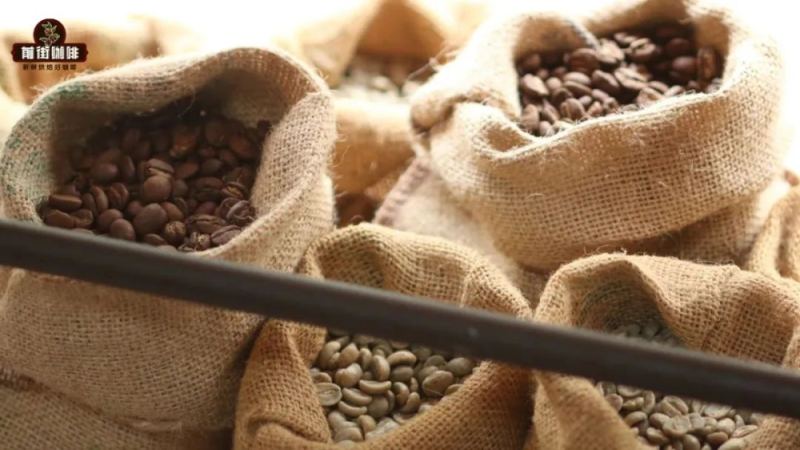
An Arabica coffee bean is not Americano. Arabica is a plant species; Americano is a drink made by adding hot water to espresso. Pour-over black coffee, Americano and latte mostly use Arabica beans because the species tastes better. The label 100% Arabica signals the bean species used, not the style of drink in the cup.
Commercially grown coffee has two main species, Arabica and Robusta, and growing regions sit along the coffee belt between the Tropic of Cancer and the Tropic of Capricorn, where the climate is warm and stable with enough rain, sun and well-drained soil. Coffee originated in Ethiopia, was first used as medicine, and spread through Arab trade by the sixteenth century.
On supermarket shelves or coffee shop menus, we often see labels like "100% Arabica," which seems to have become synonymous with premium coffee. So, is Arabica bean actually Americano black coffee? Does it really taste good? This article will start with the origins and growing conditions of coffee varieties, sorting out the essential differences between Arabica and Robusta for you, and explaining why the former is more favored; it will also discuss the positive effects and points to note of daily coffee drinking on the body, and share several Arabica single-origin beans from Front Street Coffee suitable as everyday staples, helping you find the cup that suits you while learning about coffee.
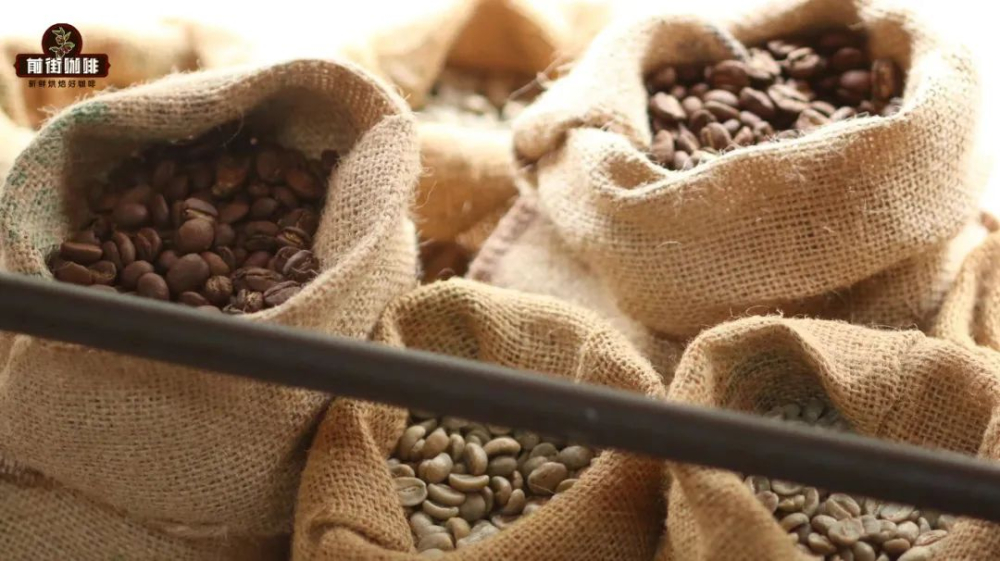
When walking into a coffee shop or browsing e-commerce pages, the phrase "100% Arabica" appears very frequently. Merchants label it this way simply to tell consumers: this product uses coffee beans of outstanding quality, and the flavor performance is naturally more guaranteed. In fact, beverages we may come into contact with almost every day, such as pour-over black coffee, Americano, and latte, mostly use beans of the Arabica species. The reason is simple — Arabica really does taste better.
Arabica is a coffee variety
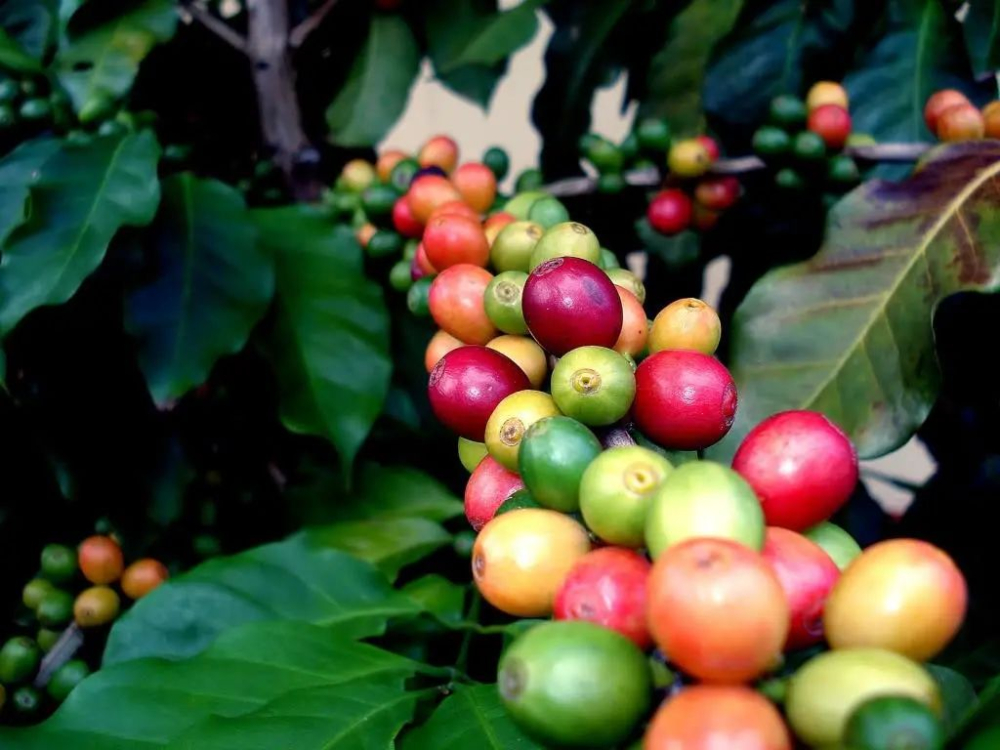
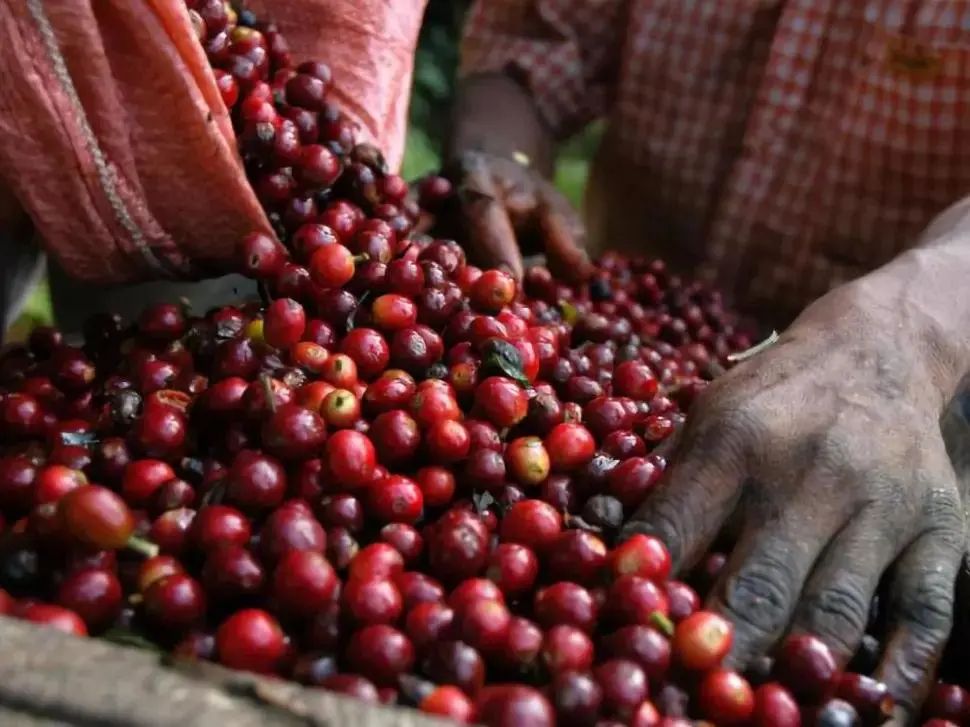
Coffee is essentially a crop. After it blooms, it produces fruit that looks very much like cherries, so coffee fruit is also called "coffee cherry." What we commonly call coffee beans are actually the seeds left inside after the flesh is removed. Coffee originated in Ethiopia, where people initially used it as medicine, and only later gradually developed the habit of roasting and drinking it. By the sixteenth century, Arabs spread coffee around the world through trade, and this beverage gradually evolved into the globally popular form it has today.
There are mainly two major varieties of commercially grown coffee today: Arabica and Robusta. Coffee-growing regions are usually distributed along the "coffee belt" between the Tropic of Cancer and the Tropic of Capricorn, and both Robusta and Arabica can grow within this area. Coffee is a tropical crop with relatively high temperature requirements, needing a warm and stable climate, as well as sufficient annual rainfall and sunshine, and fertile, well-drained soil. About more than 70 countries and regions worldwide are located on the coffee belt, of which about more than 50 countries have climate conditions that can meet the growth needs of coffee beans, thus becoming coffee-producing countries. Yunnan and Hainan in our country are also within the coffee belt and are likewise very suitable for growing coffee trees.
As the main variety of coffee beans worldwide, Arabica usually needs to be planted in highlands at an altitude of 800 to 2,200 meters where frost does not occur. The higher the altitude, the greater the temperature difference between day and night, and the slower the coffee fruit matures, which instead helps the coffee accumulate more flavor substances and develop a more solid aroma. Each coffee-producing region has its own unique microclimate, which provides diverse growing environments for Arabica and also gives rise to a regional taste with producing-area characteristics.
On the bean list of Front Street Coffee, you can find coffee beans from major producing regions around the world. With different processing methods and varieties, each single-origin bean shows a different style and is suitable for various brewing methods. You can purchase them at the Front Street Taobao store or the Front Street Tmall flagship store.
Why should Arabica be given priority?
The reason people repeatedly emphasize the Arabica variety is that there is another variety in the coffee world with a less pleasant taste — Robusta.
Strictly speaking, Robusta should be called Canephora, belonging to the medium-bean coffee species. At present, only one variety called Robusta among the Canephora species has been found suitable for commercial cultivation, and later people directly used Robusta to refer to this medium-bean coffee.
Arabica has a lower caffeine content, roughly between 0.9% and 1.2%, its fat content is 60% higher than that of Robusta, and its sugar content is twice that of the latter. Because of this, Arabica tastes sweeter, softer, and carries a slight fruity acidity. Robusta's flavor is not as pleasant, tasting bitter and intense, mixed with some woody or barley tea notes. Its only sensory advantage is a heavy, textured mouthfeel. Robusta currently accounts for about 25% of global coffee production, and most of these beans are used as raw material for instant coffee, with only a small portion appearing as blended beans or specialty coffee beans. The coffee we drink in shops is mostly made from Arabica beans, because of their rich aroma and diverse taste, suitable for extraction by espresso, pour-over, cold brew, and various other methods.
Arabica coffee bean recommendations
On Front Street's bean shelf there is a very cost-effective everyday staple bean series, carefully selecting 7 excellent classic coffee-producing regions and covering multiple highly representative origins, varieties, and natural processing methods. So-called everyday staple beans, as the name suggests, are easy to drink daily, with both price and flavor being very approachable. Front Street has selected several "representative faces" so that everyone can recognize the basic flavors of major producing regions, including Ethiopia's washed Yirgacheffe, Guatemala's washed Huehuetenango, Colombia's washed Huila, Brazil's semi-washed Cerrado, Costa Rica's washed Tarrazu, Indonesia's wet-hulled Lintong Mandheling, and China Yunnan's washed Baoshan.
Each everyday staple bean is suitable for extraction by pour-over, cold brew, or French press. If you want to taste coffee's most original aroma, Front Street suggests drinking it best as black coffee. Regardless of which extraction method is used, Front Street believes that the freshness of coffee beans is very important. Coffee whose roast date is more than two months past has most likely already lost its aroma, and even the most careful extraction method will find it hard to restore the aroma in the cup. To let everyone experience coffee's best tasting stage, Front Street only ships beans freshly roasted within 5 days, so they are just about ready for brewing when you receive them.
Good coffee should also be consumed in moderation
For many office workers, a cup of coffee every morning has almost become standard. A moderate amount of caffeine can quickly refresh us and wake us up, and sometimes also helps reduce body puffiness. Because it is very low in calories, coffee can also boost metabolism, and drinking it one hour before exercise can help burn fat, so many fitness enthusiasts list it as a recommended beverage. However, Front Street still reminds everyone that only pure black coffee has these effects. If syrups, condensed milk, creamer, and other additives are added, it easily brings extra calories, and long-term drinking is also bad for health.
Whether coffee is healthy is a global topic. The current consensus in the medical community is that moderate coffee drinking has no adverse effects on health, does not increase the risk of certain cancers, and may even have some benefits for the body. Front Street suggests no more than 3 cups of coffee per day, which is beneficial and harmless to the body, but the specifics still need to be combined with individual constitution. If drinking coffee easily causes insomnia or gastrointestinal discomfort, then you should not consume too much caffeine.
The above content is compiled by CoffeeHunters, a coffee news website.


